If you are ordering custom vinyl stickers for outdoor use, you probably have one question before you commit: how long will they actually last? The answer is not a single number. It depends on where the sticker lives, how much sun it gets, and how well it was applied. But there is a solid baseline to plan around.
Our vinyl stickers are rated to last 3 to 5 years outdoors, depending on sun exposure. For indoor use, that lifespan extends significantly. For a bumper, a shopfront door, or a piece of equipment left outside year-round, you are looking at a durable product that will hold its colour and edges well past the first few seasons.
This guide breaks down what that range means in practice, what shortens or extends it, and the small things you can do at application time to get the best result.
Quick answer: vinyl sticker lifespan at a glance
- Outdoor lifespan: 3 to 5 years, depending on sun exposure
- Biggest lifespan factor: UV exposure. Direct sun is harder on inks and adhesive than rain or cold
- Second biggest factor: Surface prep. Clean, smooth, non-porous surfaces hold stickers far longer
- Cure time matters: Allow 24 to 48 hours after application before washing or soaking
- To maximise life: Clean the surface before applying, avoid abrasive cleaners once on, and keep stickers out of prolonged direct UV where possible
The short answer: 3 to 5 years outdoors
Our vinyl stickers are built from weather-resistant flexible white vinyl (or clear, if you choose that finish) printed with Canon UVgel ink technology. The ink cures instantly during printing, bonds deeply with the vinyl, and holds up against the conditions you would expect from an outdoor product: rain, sun, humidity, and everyday wear.
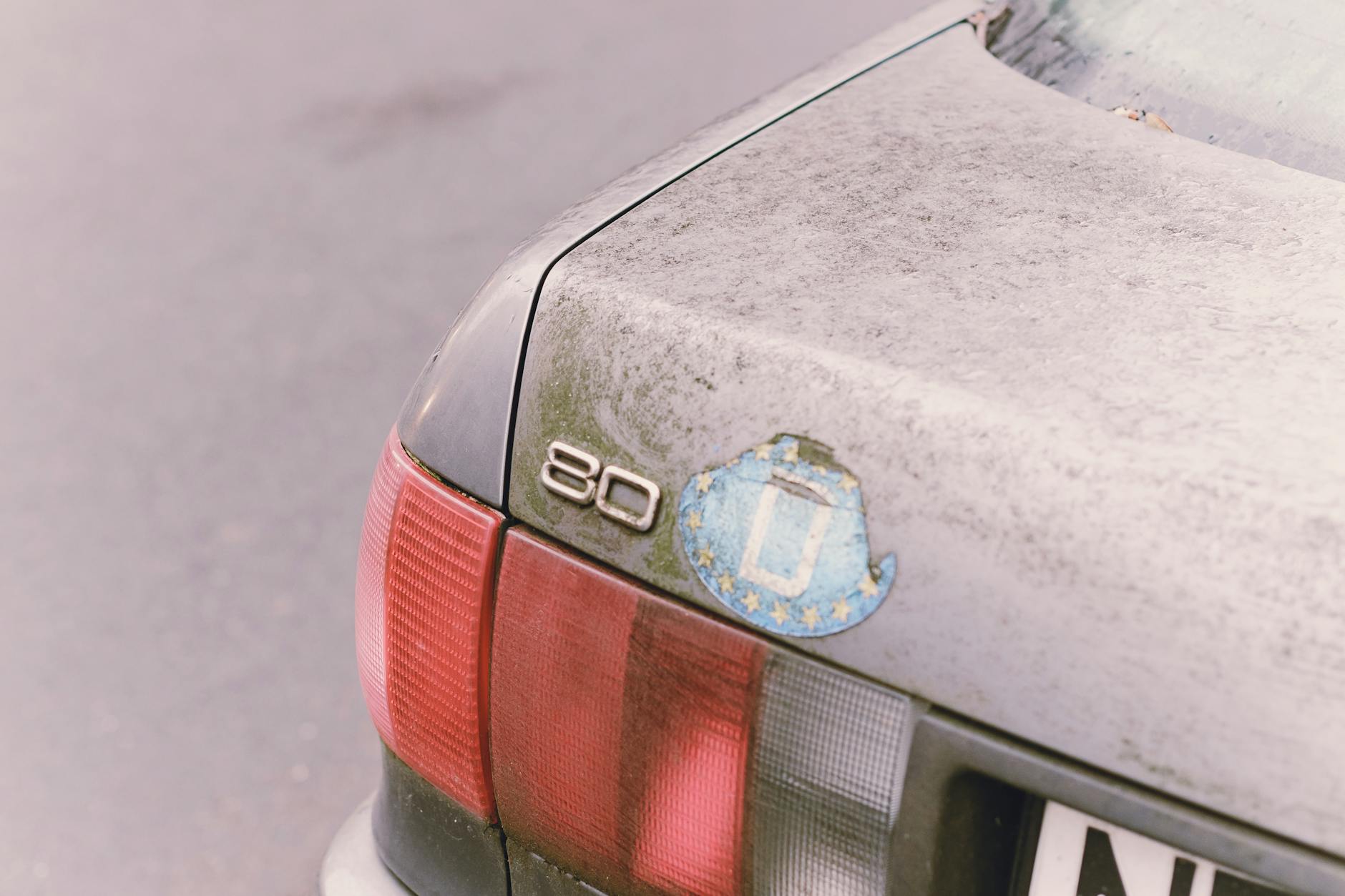
The 3-to-5-year range is realistic for Australian conditions. The lower end applies to stickers with heavy, direct sun exposure year-round: think west-facing shopfront windows or vehicle roofs. The upper end is for stickers in partial shade or variable exposure, on smooth non-porous surfaces, with a clean application.
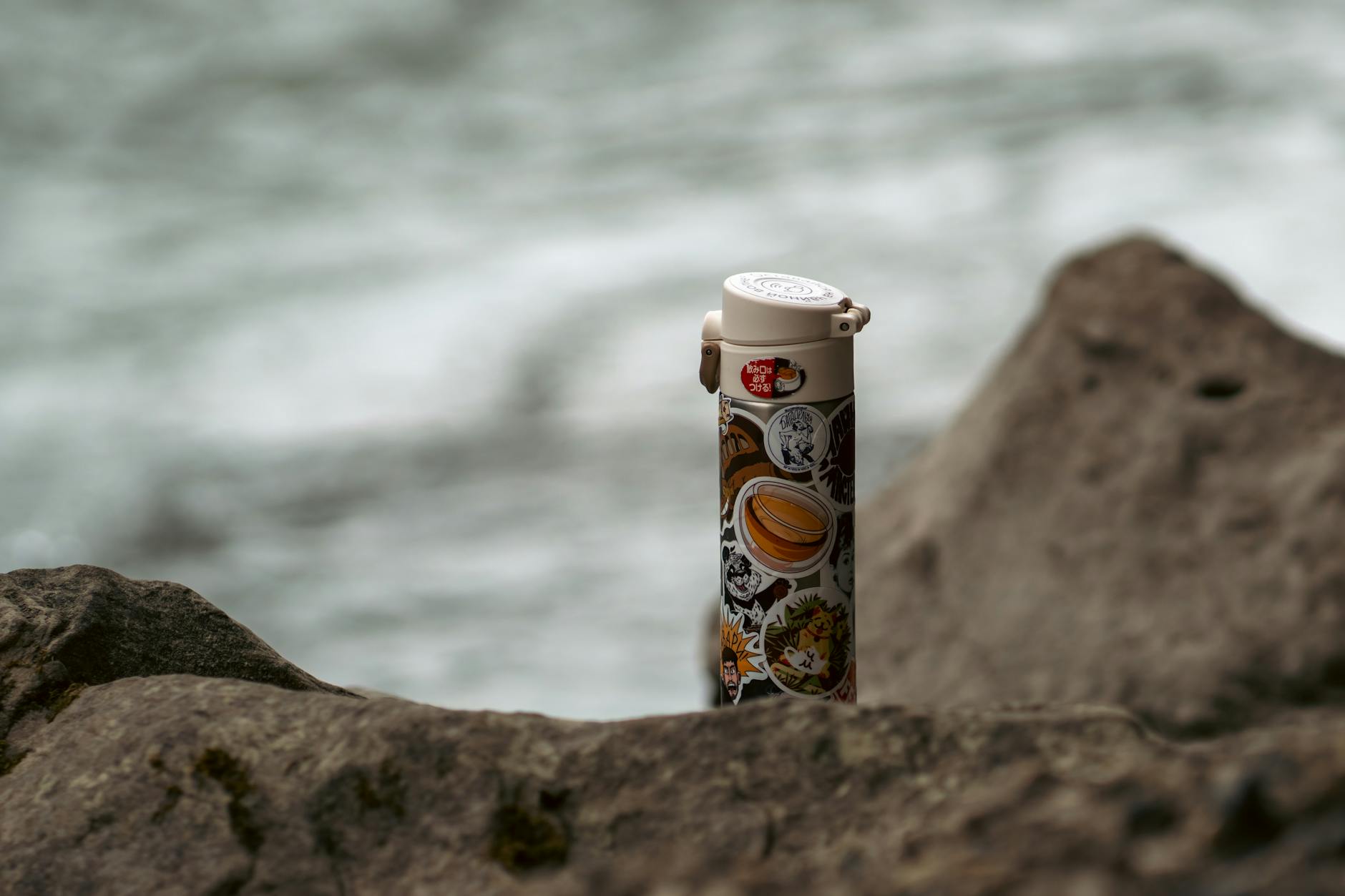
It is worth noting this range refers to printed vinyl stickers. Some specialised wrap-grade vinyl films carry rated outdoor lifespans of seven years or more, but those are different products designed for vehicle wraps using polymeric or cast vinyl. Our stickers are designed for custom labelling, product packaging, shopfront use, vehicle bumpers, water bottles, and equipment. The 3-to-5-year rating is a straightforward, honest benchmark for that use case.
Guarantee vs expected life
Vinyl stickers carry a one year outdoor guarantee. The material itself is expected to last 3 to 5 years outdoors when applied correctly. Those are separate facts. The guarantee is the floor we stand behind, not the life of the sticker.
The two numbers differ because they describe different placements. The guarantee has to hold on the worst placement a buyer can choose. The 3 to 5 year figure describes a normal one.
On the product page, the wording “outdoor use (up to 1 year)” is the guarantee figure, not a maximum. Do not read it as a ceiling. It states the covered period, while the vinyl normally outlasts that by several years.
What affects how long vinyl stickers last
Understanding the range means understanding what sits at either end of it.
UV and sun exposure
UV light is the primary enemy of any outdoor sticker. Over time, ultraviolet radiation breaks down ink pigments and softens adhesives, which is why a sticker in direct Queensland summer sun will fade faster than the same sticker on a Melbourne laneway wall. The UVgel ink we use provides strong colour retention, but no outdoor sticker is immune to prolonged UV exposure indefinitely.
If the application will face direct sun for most of the day, set your expectation closer to the lower end of the range. If there is natural shade or the orientation limits direct sun, you will push toward the upper end.
Weather and moisture
Rain, condensation, and humidity can work into the edges of a sticker if the adhesive has not fully bonded or if the surface was not clean at application. Once moisture gets underneath a sticker, it loosens the bond and speeds up lifting or peeling. Our vinyl is waterproof and resistant to moisture once properly applied and cured, but surface prep at the start makes a real difference to how it handles moisture over time.
Temperature swings also matter. Heat softens adhesive and can cause slight expansion in the vinyl; cold makes it more rigid. For most Australian outdoor applications this is a manageable variable, but it is worth considering for anything going onto a surface that gets very hot, such as dark painted metal in summer.
The surface it goes on
Smooth, non-porous surfaces (glass, powder-coated metal, clean painted surfaces) hold stickers well. Rough, textured, or porous surfaces give the adhesive less contact area, which reduces how firmly the sticker seats. If you are applying to timber, raw concrete, brick, or heavily textured powder coat, expect a shorter lifespan than the same sticker on glass or smooth steel.
Curved surfaces also affect longevity. Vinyl is flexible and handles moderate curves well, but sharp curves or compound curves (curving in two directions at once) can stress the edges and create early lifting points.
Application and cure time
A clean, dry surface at application time is the single most controllable factor. Any dust, grease, oil, or moisture on the surface at the time of application compromises the adhesive bond. A quick wipe with isopropyl alcohol before applying is the simplest thing you can do to extend the sticker’s life.
Once applied, the adhesive needs 24 to 48 hours to fully cure before the sticker is exposed to water or washing. Applying a sticker and immediately running the vehicle through a car wash, or leaving it in heavy rain, cuts into that curing window and weakens the bond.
Ink and material quality
Not all vinyl stickers are made the same. The combination of material and print technology makes a significant difference. Cheap stickers printed with low-grade inks on thin vinyl film will degrade faster regardless of conditions. Our stickers use Canon UVgel ink, a GreenGuard Gold certified ink system that delivers vibrant colour comparable to latex inks with strong UV resistance, which is why the 3-to-5-year outdoor rating is achievable rather than optimistic.

How our vinyl stickers are built to last
The weather resistance in our stickers comes from two things working together: the vinyl substrate and the ink system.
The vinyl itself is a flexible white vinyl (or clear, for clear-background designs) that stands up to rain, sun, and everyday wear. It is a weather-resistant material rated for outdoor use, not a paper-backed label or basic inkjet print that will degrade at the first sign of rain.
The ink is Canon UVgel, printed on Canon’s Colorado roll-to-roll platform. UVgel ink cures instantly under UV light as it is applied, rather than needing to dry. This instant curing creates a strong bond between ink and substrate, which is part of why colour retention is strong over time. The inks carry GreenGuard Gold certification, which reflects both safety standards and quality consistency.
The adhesive is a low-tack acrylic formula. It creates a firm, lasting bond on smooth surfaces while remaining removable without residue if you need to change or reposition. It is not the most aggressive permanent adhesive on the market, and that is intentional. The trade-off is easy clean removal; the benefit is that on smooth surfaces it performs reliably for the full rated lifespan.
We offer two finishes: white matte (flexible white vinyl) and clear. There is no gloss vinyl option in our current range. If you are comparing finishes for outdoor use, both matte and clear vinyl hold up well; the difference is primarily aesthetic.
What sticker failure looks like
When a vinyl sticker fails outdoors, the issue usually appears as one of four signs. Each has a different cause and timing. Knowing the signs helps you tell early application trouble from normal aging.
Edge lift. You see the edge of the sticker curl away from the surface and catch dirt. The low tack acrylic adhesive releases at the edge first. This is usually an early sign on a stressed edge.
Colour fade. You see the printed colour turn pale or washed out. The ink stops holding its original density. This is a late sign that appears after the sticker has already served for years.
Adhesive residue or migration. You see a softening or darkening outline at the edge of the sticker. The adhesive shifts and becomes visible around the film. This tends to show up late in the life.
Surface damage. You see the surface under the sticker crack or peel while the vinyl still looks sound. The cause is the surface failing, not the sticker. This can happen at any time and is not a vinyl fault.
How to make your vinyl stickers last longer
A few practical steps at and after application make a noticeable difference to how long your stickers perform.
Before applying
- Clean the surface thoroughly. Isopropyl alcohol (70% or higher) removes oils, dust, and residues that interfere with adhesion. Let the surface dry fully before applying.
- Apply at a moderate temperature. Very cold surfaces make vinyl less pliable and adhesive less tacky. Very hot surfaces (sun-heated metal) can make the adhesive grab too quickly before you have aligned the sticker. Aim for a dry surface between roughly 15 and 30 degrees Celsius.
- Use a squeegee or firm card to press the sticker flat from the centre outward, eliminating any air bubbles trapped underneath.
After applying
- Allow the 24-to-48-hour cure period before the surface contacts water or goes through a car wash. Our vinyl stickers are car-wash safe once they have cured, but that window matters.
- Avoid abrasive cleaners, scouring pads, or pressure washers directed at sticker edges. These can lift edges over time even on well-applied stickers.
- If the application is on a vehicle, hand washing over the sticker rather than high-pressure spray at the edges will extend the bond.
Placement choices
Where you can control placement, partial shade extends lifespan. A sticker on the interior of a window faces significantly less UV than one on the exterior facing north in direct sun. On equipment, positioning a sticker on a shaded face rather than the sun-facing side is worth doing if it does not compromise visibility.
Indoor vs outdoor lifespan
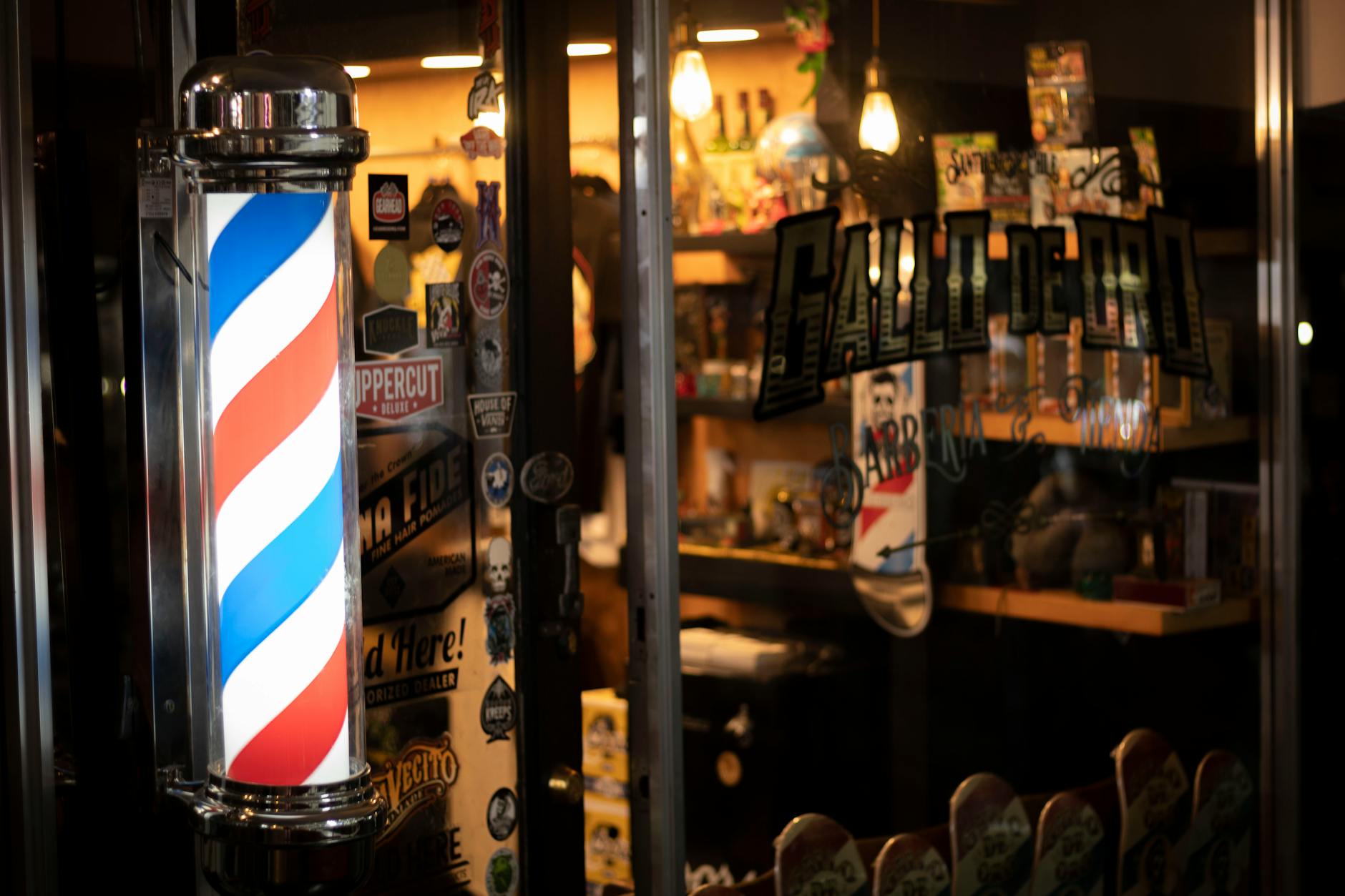
The 3-to-5-year rating is an outdoor figure. Indoors, vinyl stickers last significantly longer, since there is no weather cycling and far less UV exposure. With a stable surface and no direct sun through glass, an indoor sticker will keep its colour and adhesion for many years beyond the outdoor rating.
If you are ordering stickers for indoor product labelling, packaging, or interior signage, the lifespan concern largely disappears. The same weather-resistant vinyl and UVgel ink that handles outdoor exposure is simply over-engineered for an indoor environment, which means it will perform well for many years without degradation.
The practical distinction: if your stickers are going outside, or onto items that go outside (water bottles, vehicle bumpers, equipment), plan around the 3-to-5-year range. If they are going on packaging, indoor signage, or items that stay inside, lifespan is not a real-world concern.
Vinyl vs paper stickers for outdoor use
Paper stickers, including most uncoated label stock, are not suitable for extended outdoor use. They absorb moisture, lose adhesion quickly, and fade within weeks or months in direct sun. Even coated or laminated paper stickers are significantly more vulnerable to weather than vinyl.
If durability in outdoor or wet conditions is the requirement, vinyl is the right choice. Paper stickers are best suited to indoor labelling, packaging in controlled environments, or short-term applications where outdoor lifespan is not a factor.
For finishes, adhesive details, and ordering, see our custom vinyl stickers product page.
Before you commit to vinyl for a wet or high-wear spot, the waterproof stickers guide steps through the materials and laminates that actually survive water, not just the first summer.
FAQ
Do vinyl stickers fade in the sun?
Yes, eventually, but quality vinyl stickers with UV-resistant ink hold their colour well for years. Our stickers use Canon UVgel ink, which provides strong colour retention for outdoor applications. Under prolonged direct sun exposure, some gradual fading will occur over the 3-to-5-year lifespan. Placement in partial shade, or on surfaces with some cover, extends the point at which fading becomes visible.
Are vinyl stickers waterproof?
Yes. Our vinyl stickers are waterproof and resistant to moisture. The weather-resistant vinyl and UVgel ink system is designed to stand up to rain, humidity, and everyday wet conditions. The key is allowing the full 24-to-48-hour cure period after application before extended water exposure.
How long do vinyl stickers last indoors?
Indoors, vinyl stickers last significantly longer than they do outdoors. Without direct UV exposure and weather cycling, degradation is very slow, so for indoor product labelling, signage, or packaging use, lifespan is rarely a practical concern.
Can vinyl stickers go through a car wash?
Yes, once properly applied and cured. Allow 24 to 48 hours after application for the adhesive to fully bond before the sticker goes through a car wash or is exposed to sustained water. After that curing window, our vinyl stickers are car-wash safe.
What surface is best for vinyl stickers outdoors?
Smooth, non-porous surfaces give the longest results. Glass, powder-coated metal, and clean painted surfaces are ideal. Rough, porous, or textured surfaces (raw wood, concrete, heavily textured powder coat) provide less adhesive contact and shorten the effective lifespan. Always clean the surface before applying.
Do I need to laminate vinyl stickers to make them last longer?
No, you do not need one, because the vinyl is itself the waterproof plastic face and the rated 3 to 5 year outdoor life comes from the vinyl and the UVgel ink. If you still want a laminate, you can ask us. Surface preparation and placement do more for outdoor life than anything you could add on top.
What does the one year guarantee on vinyl stickers cover?
The one year guarantee covers the vinyl sticker outdoors as a floor, not a maximum. The material normally outlasts this by years, with an expected outdoor life of 3 to 5 years. Correct application, including the 24 to 48 hour cure before sustained water or a car wash, is what decides which number your job sees.