Your friend messages to say their old dog died, and you sit with your phone in your hand, not sure whether to send flowers, a card, or nothing at all. Pet loss gifts are easier to choose when you separate the first few days from the weeks that follow, and when you remember that the animal had a name and a history.
This guide walks through what to give and when, small acts that genuinely help, keepsakes by type, a portrait made from a photo the family already loves, how children grieve, and what to avoid. You can use it before you reply to that first message, or later when you want to send something lasting.
The short version
- A short note early on is often enough; a lasting keepsake can mean more later.
- Use the pet’s name and share one concrete memory.
- Meals, errands and quiet company help without adding choices.
- A paw print, candle, plant, framed photo, donation or portrait can all work as a keepsake.
- Check with a partner or family member before using a photo.
- Skip cliches, comparison, and talk of a new pet too soon.
When a pet loss gift helps most
There is no right moment to send a pet sympathy gift. In the opening days, a card or a short text tends to be welcome, simply because it arrives while the loss is fresh and requires no response. A more lasting keepsake can wait. It often lands much harder a few weeks on, once the calls have faded and everyone else has gone back to normal. Sitting down to write and finding the words will not come is common. Our pet sympathy card messages guide offers short notes arranged by how close you are to the person, and names the lines to leave out.
Pet grief can run deep, and owners sometimes feel that others treat it as a smaller loss than losing a person. Naming the death plainly and using the animal’s name is a genuine kindness. You do not need to solve anything; you just need to say that you saw the dog or cat mattered.
Small gestures that help most
The most useful gestures in the first weeks are ordinary, low-effort and quiet. They work because they recognise the pet as a particular animal rather than a general loss.
- Write a message that names the pet. Avoid steering around the word died; one clear line is enough.
- Tell them one small memory you have, like the cat sleeping in the clean laundry. A single detail beats a broad line.
- Drop off dinner or take care of a small chore, such as walking the bins out. They should not have to make a decision.
- Offer a walk or a visit with no fixed plan. Let them talk, sit in silence, or do something unrelated.
- Put a note in your calendar for the pet’s birthday or the anniversary of the death, then send a short message when it comes.
None of these need to be expensive or planned. They carry a simple message: I remember this animal too.
Keepsake pet loss gifts by type
If you want something lasting, choose by type before you shop. Some people call it a pet sympathy gift, but the plain truth is that the right keepsake depends on the owner and the home they live in.
- A paw print keepsake usually comes from the vet clinic or a cremation service, or from a clay or ink kit. Ask a family member whether one already exists.
- A memorial candle gives the owner a quiet way to sit with the loss. Unscented is a safe choice if you do not know the house.
- A plant or tree for the garden becomes a slow reminder. Pick something hardy for the local climate.
- A photo book or a framed photo collects the images they already love. Use photos they have shared rather than asking for new ones.
- A contribution to a local animal shelter or rescue, made in the pet’s name, suits someone who has asked for no physical gifts.
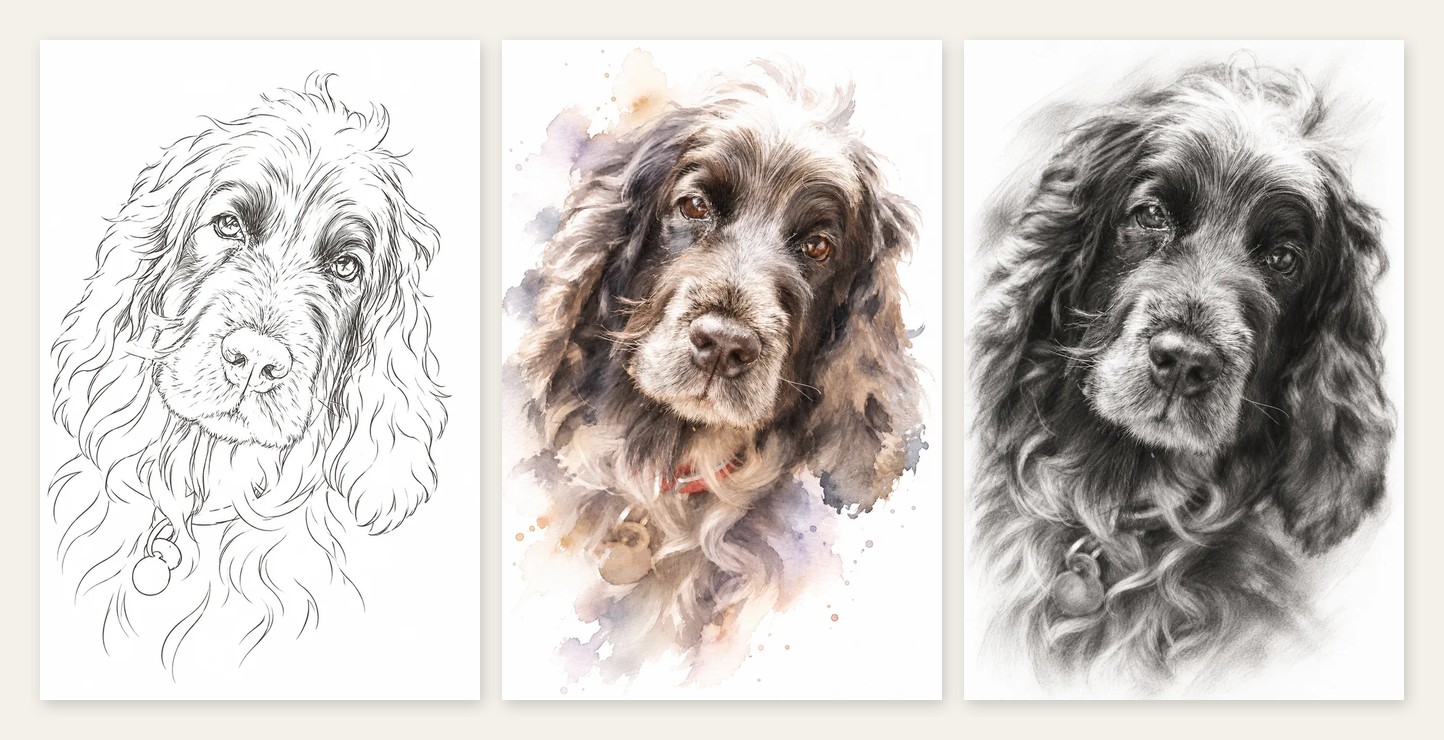
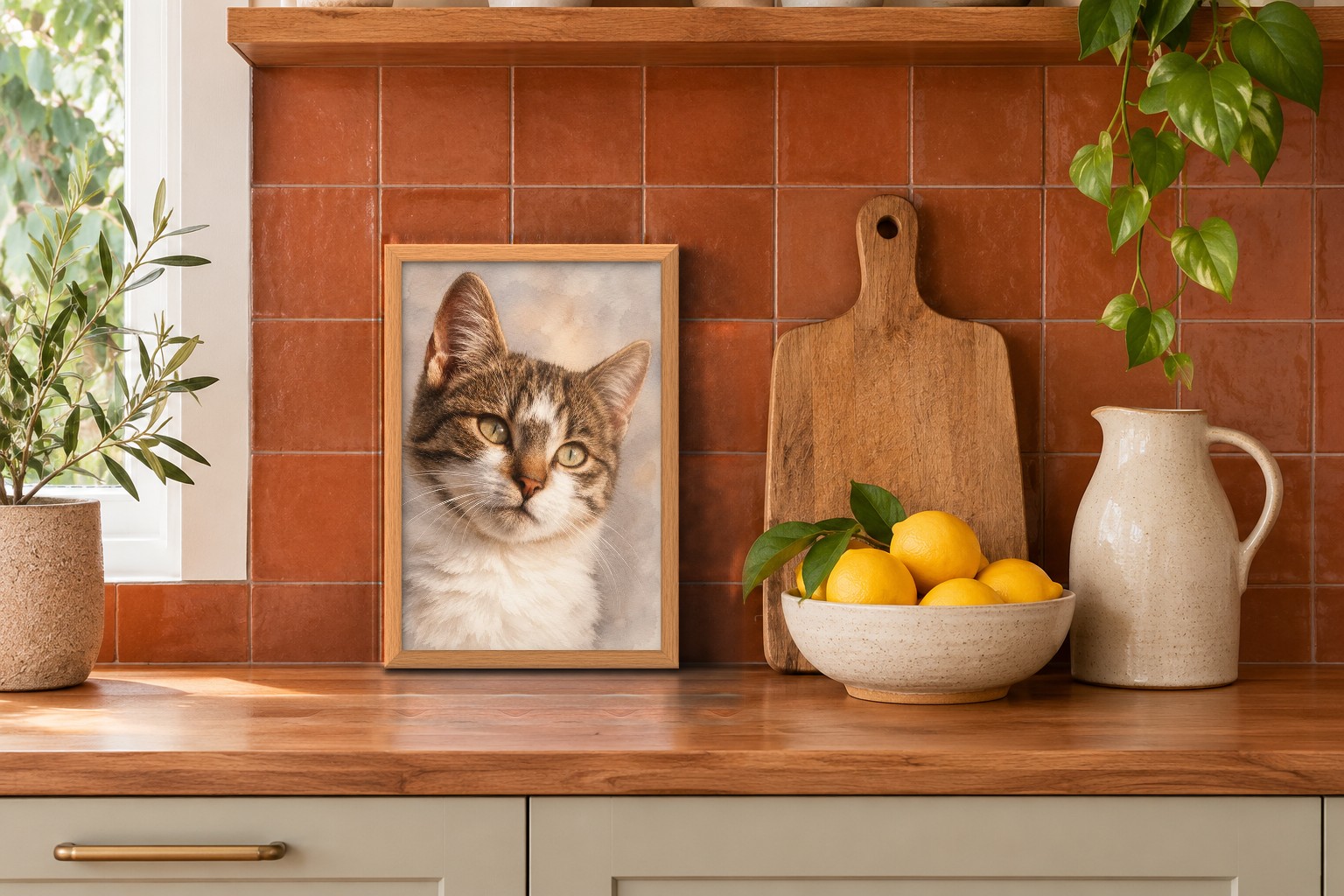
- A portrait made from a favourite photo turns an image they already treasure into a wall piece. Ask a family member which photo is the one.
A portrait from a photo the family already treasures
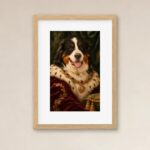
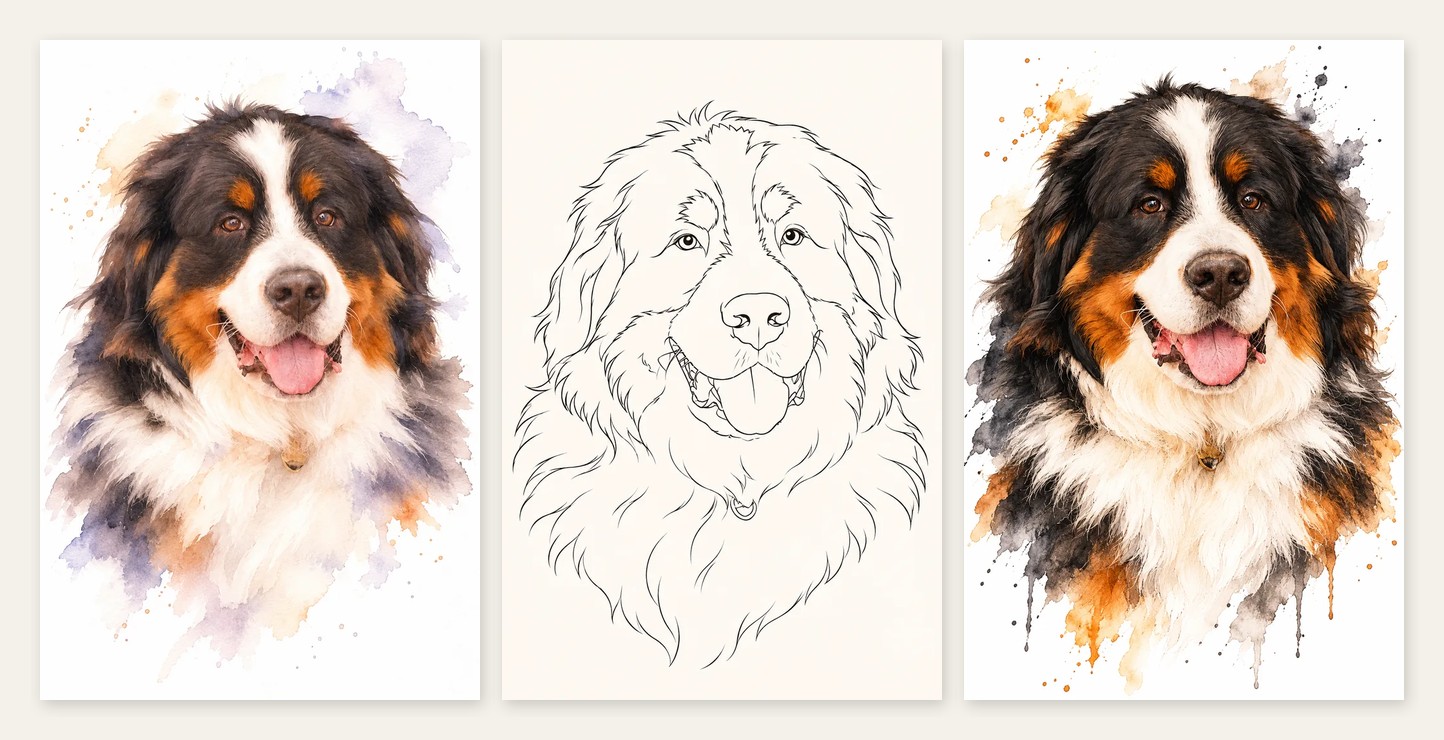
Start by checking with the owner’s partner or a family member for a photo the owner loves most, or use one the owner has already shared. The photo they treasure matters more than a sharp one, and an older image can still work. From there, the pet memorial portrait range begins with one photo and a style you select; a phone photo is fine. For a memorial, the gentler options are Watercolour, Fine Line, Charcoal Study, The Royal and Old Master. Watercolour is the softest, with loose washes on white. Open the Watercolour style page to see how the same photo can sit inside that look.
Before you pay, the page shows the pet in your chosen style as a preview. That preview carries a Paperlust watermark, but the printed portrait does not. Because the photo you upload stays within your visit, you can move between styles without uploading it again. Each portrait is designed by our talented team in Melbourne using digital tools. After you order, a designer checks the portrait for print quality and sends you a proof, and nothing is printed until you approve that proof. You can add the pet’s name, and choose a smaller second line below it for the pet’s years or the words In loving memory. The text sits outside the picture in its own lettering, so the spelling stays right. The finished portrait is printed and framed in Australia, and sold only within Australia. This guide to choosing a photo covers older, phone and low light images.
When a family with children is grieving
Children carry their own grief, often in bursts and often with questions at surprising moments. Straightforward words beat soft euphemisms. Say the dog died, and then explain simply what that means: the dog will not be at the door anymore, but the family can still talk about him and look at pictures.
Offer a way for them to take part. A drawing of the pet, a box for the collar and a favourite photo, or planting something in the garden together gives a child a role and a shape for the loss. Let them set the pace, and do not expect a single big reaction.
What to avoid after a pet dies
Some kind words miss the mark. Skip the quick suggestion of a new pet; it can read as if one animal simply replaces another. Set aside your own loss story unless they ask. Avoid cliches about where the pet has gone, and use plain, direct language instead.
Any gift that needs the owner to choose, respond or rearrange can sit until later. They may not have the energy to pick a frame or decide where an image should go. If a photo or portrait is part of your idea, ask a partner or family member before ordering, so an image of the pet does not arrive as a shock.
A pet loss gift works or fails before the wrapping comes off. What stays with someone is the message around it, the timing, and the fact that you remembered the animal by name. You are not there to fix anything; you are there to say the dog or cat mattered and you saw that.
Frequently asked questions
What is a good pet loss gift for someone who has lost a pet?
A short message that uses the pet’s name is often the kindest first move. If you want something that lasts, start by choosing a type rather than one product. That might be a small plant or tree, a framed photograph, a clay paw print, a candle, a photo book, a donation to a rescue or shelter in the pet’s name, or a portrait made from a favourite photo. The right option fits their home and the attention they have right now.
When should I give a pet loss gift?
There is no set date. In the opening days, a card or a short text is usually received well. A lasting gift can land just as strongly, or even more so, a fortnight or more later, once the messages thin out. Pet grief can run deep, and people sometimes feel that others dismiss it. Simply recognising the loss in plain words is a kindness.
How do I get a photo of their pet for a portrait?
Check with the owner’s partner or a close relative for the photo the owner loves most. You can also use a photo they have already shared. The photo the owner treasures is more important than a technically sharp one. A phone photo is fine, and an older image can be tried. If the file is too small or blurry, the page lets you know before payment.
Can the portrait carry the pet’s name and years?
Yes. You can add the pet’s name, and there is room below for a smaller second line. That line accepts up to 32 characters, so the years can sit there. If you type In loving memory, that phrase prints; if you leave it blank, it does not appear. The portrait is finished first, then the name goes into its own lettering outside the picture, never inside it, so the spelling stays correct.
How can children remember a family pet?
Children can draw the pet, help choose photos for a memory box, or plant a tree together. Use simple, honest words rather than soft euphemisms. Say the pet died, and let the child ask questions and set the pace. Giving children a way to take part helps them process the loss without pushing them to perform their sadness.
What should I avoid saying or giving after a pet dies?
Hold back from urging them to get another pet too soon, from measuring your own loss against theirs, or from repeating cliches about where the pet has gone. Avoid gifts that ask for energy or choices. If you plan to use a photo of the pet, check with a family member first. A simple note with the pet’s name is safer than a grand gesture.