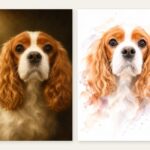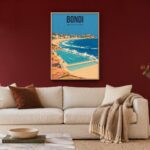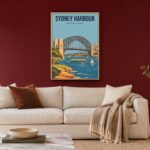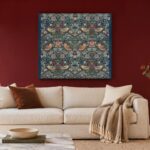
You have the photo ready and the wall above the sideboard waiting. Then the style options open up, and the same dog or cat can end up wearing a royal robe, dissolving into soft washes, flattening into graphic colour, or standing in front of ghost gums. Choosing among pet portrait styles is less about one correct answer and more about how each look handles the pet’s coat, the photograph and the room.
This guide walks you through the main style families, then helps you choose by coat, photo, room, occasion and how many pets will share the frame. If you are looking for pet portrait ideas as well as a clear decision, start here. You can preview any style with your own pet before payment, and the portrait does not print until you approve the proof.
The short version
- Start with the room, the pet’s coat and the photo, then compare looks.
- Preview your own pet in a style before paying; the watermark appears only on the preview.
- Classic painted looks sit well in deep rooms, warm timber and traditional spaces.
- Watercolour and line drawings sit quietly in bedrooms and pale interiors.
- Flat graphic styles carry bold markings and suit modern rooms.
- Australian scenes pair well with oak frames and earthy, warm rooms.
Start with the room, the coat and the style
Begin with three practical inputs: the room where the portrait will hang, the pet’s coat and markings, and the photograph you are working from. The more realistic a style is, the more it depends on a clear, well-lit photo. A softer photo can still work because line-based and flat graphic styles reduce the detail they need from the image. The room sets the colour mood. Warm, dark painted approaches carry a space with deep walls and timber, while pale walls and bedrooms hold lighter work such as watercolour and fine line drawing. Bold flat colour settles into a contemporary space, a home office or a child’s room.
The quickest way to test a style is through the custom pet portrait pages. Choose a style and upload one photo of your pet. A phone photo works. The preview shows your own pet in that look before you pay. A Paperlust watermark appears on the screen only, not on the printed portrait. Your photo stays with your session, so you can switch styles without uploading again. After you order, a designer checks the portrait for print quality and sends you a proof. You approve the proof before printing. Frame choice matters too. A framed print has a narrow 20 mm frame offered in oak look, black or white. The covering is acrylic, not glass, the print is on matte art paper, and you can keep the white mount or leave it off so the portrait fills the frame. Sizes run A4, a 30 x 30 cm square, A3 and A2. Printed and framed in Australia. Designed by our talented team in Melbourne using digital tools.
Classic painted looks and costume portraits
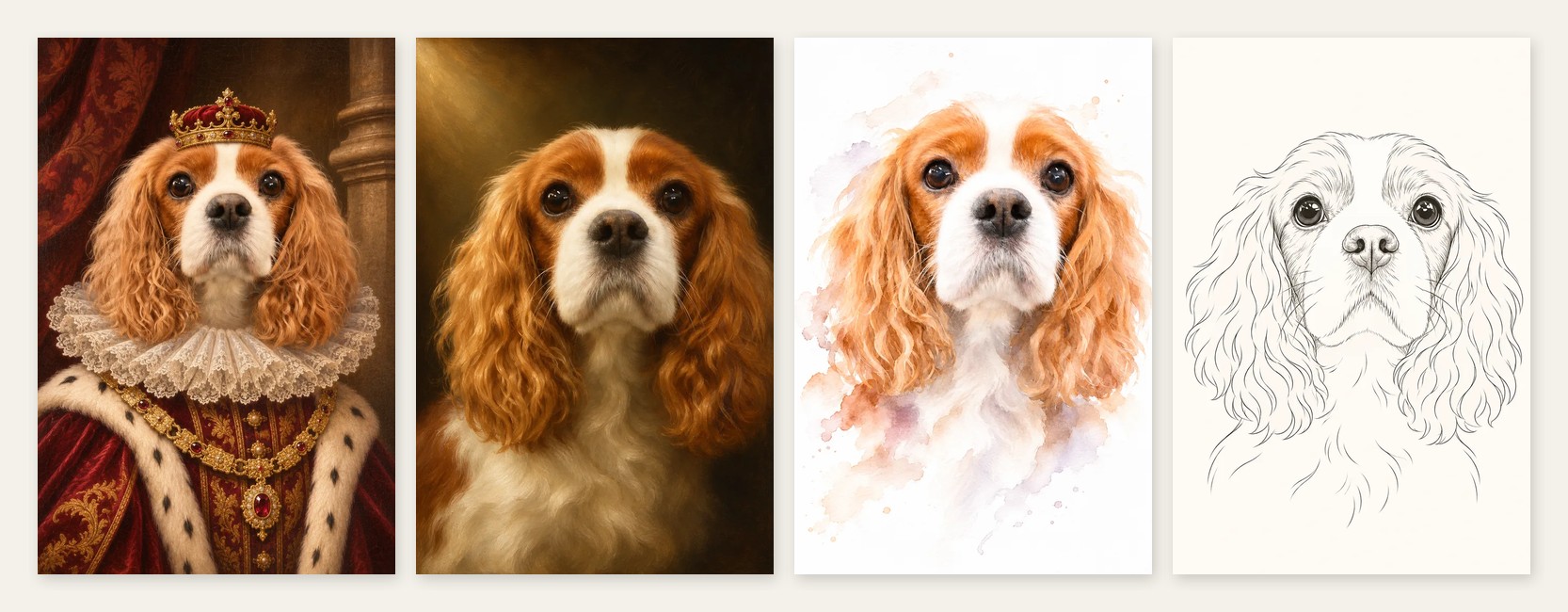
Classic painted looks divide into a formal court portrait and a quieter full-face painting. A royal pet portrait piles on the crown, lace ruff, red velvet robe and gold chain over an oil-painting finish. For a more restrained painting feel, an Old Master pet portrait rests the head on a deep brown ground while warm light moves across the face. Both work well in rooms with dark or rich colour and warm timber, and both can sit in any frame colour you choose.
Costume portraits turn the dial further and set the pet in the world of an old painting. The costume set includes a naval-style Gold Braid Officer, a courtly Pearl Court Gown, a dignified Regency Gentleman, an armoured Steel Knight and a Highland Tartan figure, each with period clothes and a setting. They suit owners who enjoy a portrait that makes people smile. Arch Portrait and Peek-a-boo keep the face more straightforward: Arch Portrait frames the pet in a terracotta arch on cream, while Peek-a-boo lets the head and front paws appear from the bottom edge against a chocolate background. These choices fit a hallway, study or living room where the portrait is meant to welcome conversation.
Soft watercolour and drawn looks
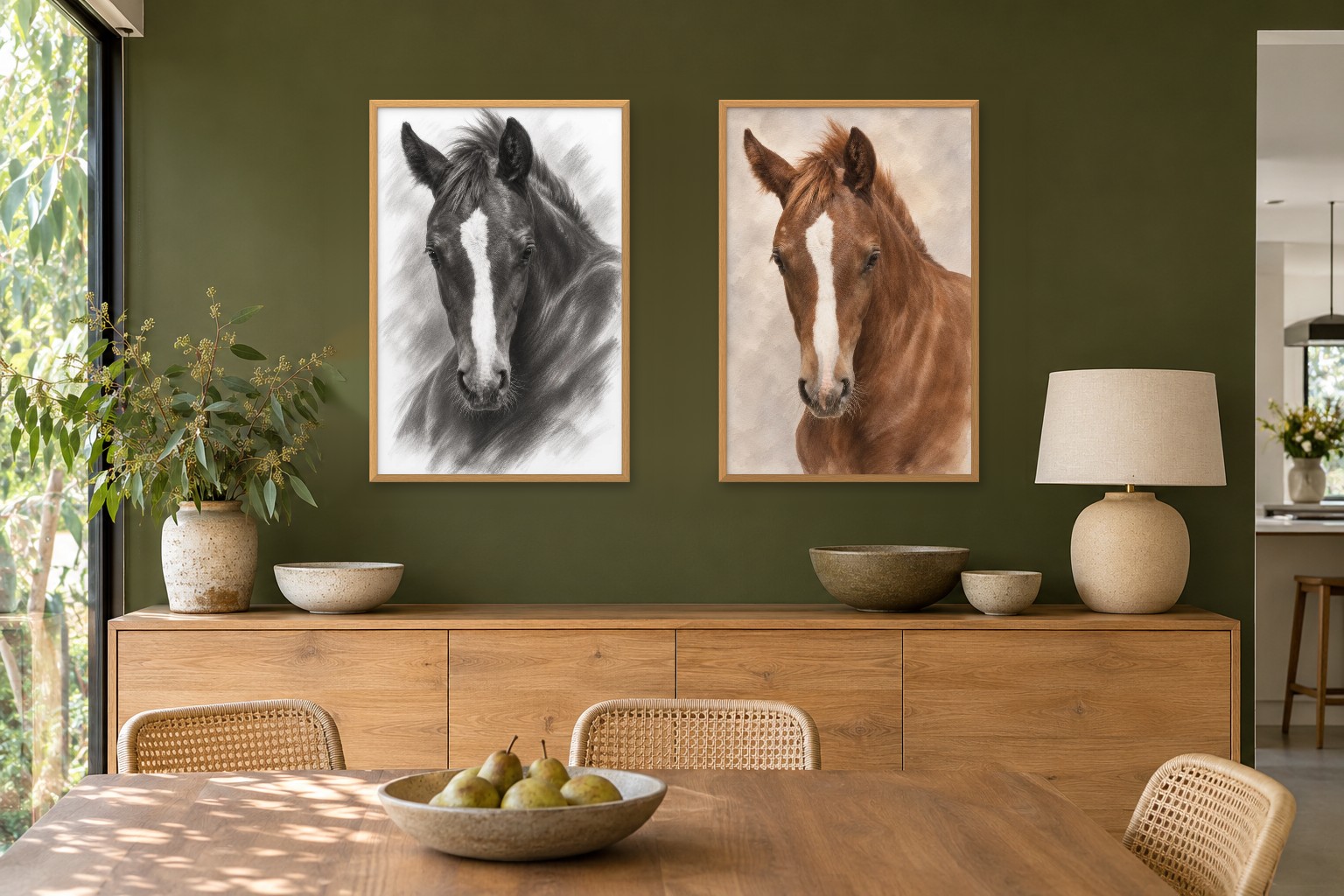
Soft watercolour and drawn looks suit quiet interiors and owners who want the portrait to feel gentle. A watercolour pet portrait softens the coat into loose washes that bleed into white paper, with the face holding the most detail. Realistic Watercolour adds more careful rendering on pale warm grey paper, and Ink and Watercolour Splash pairs a defined ink face with loose colour splashes on white. These sit comfortably in pale bedrooms and any room where the portrait should blend rather than demand attention.
For a lighter drawing feel, a Fine Line pet portrait keeps one thin black line over a paper colour you select. The Charcoal pet portrait works in chalky grey tones on a light paper, and Pen and Ink uses fine black ink lines and cross-hatching on white paper. Black frames suit Fine Line and Charcoal Study, while an oak look frame suits Watercolour. These styles suit a pale or white coat particularly well, and they sit well in bedrooms and on a home office shelf wall.
Bold graphic looks and flat colour
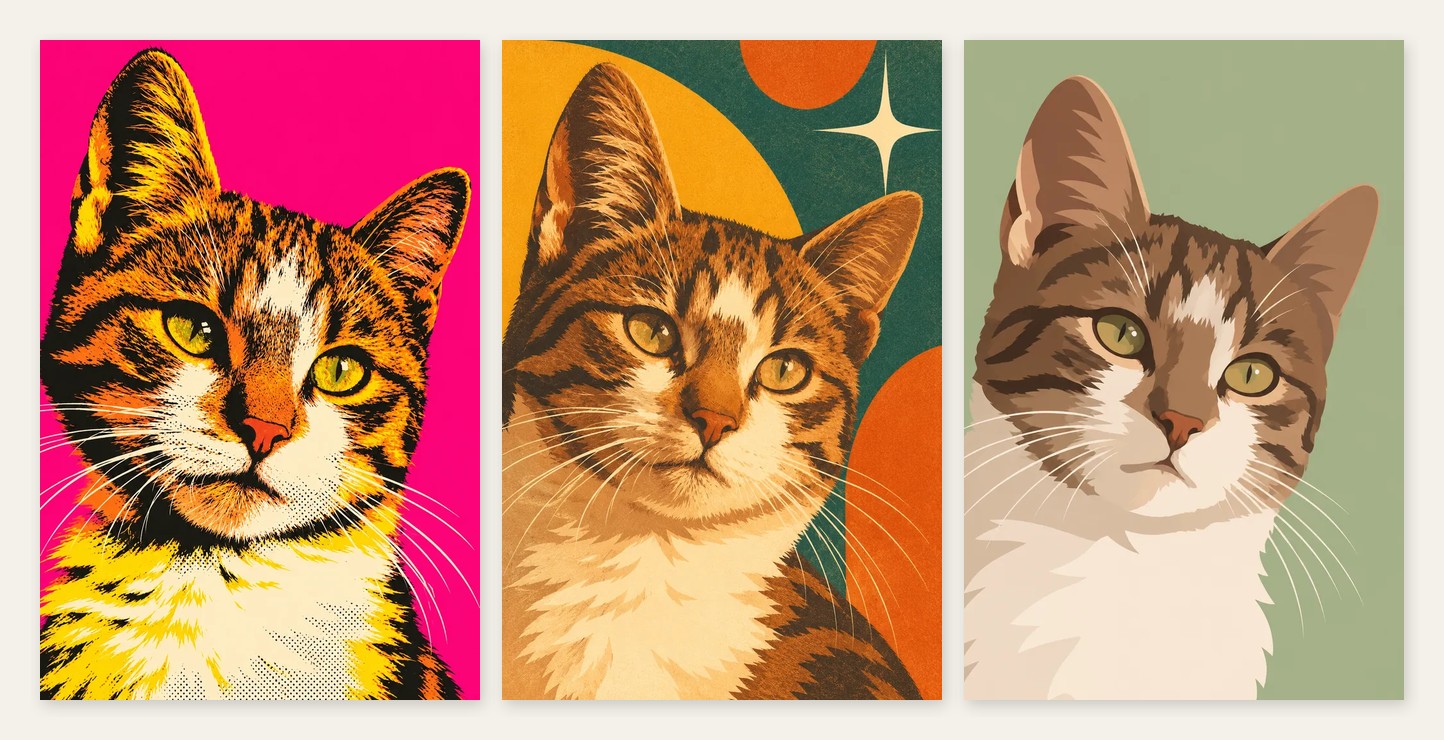
For pet art that reads from across the room, the graphic family is direct. A Pop Art pet portrait flattens the face into 1960s colour blocks with halftone dots on pink. The Mid-Century pet portrait builds from flat mustard, rust and teal. Vector Studio uses clean vector shapes with hard edges on a plain colour background, and the Minimalist pet portrait keeps flat shapes in coat colours over sage green. These styles carry strong patches and markings well because they reduce the image to clean areas of colour.
Flat graphic looks fit a modern lounge, a work-from-home office or a child’s bedroom, especially when the portrait can echo the room’s palette. A distinct patch, a dark mask or a speckled ear survives the simplification, while fine shading can get lost. An oak look frame suits Mid-Century, and black or white can work for the others depending on the wall. If the space already has clean lines and simple furniture, these styles tend to sit neatly against it.
Australian looks from red earth to gum trees
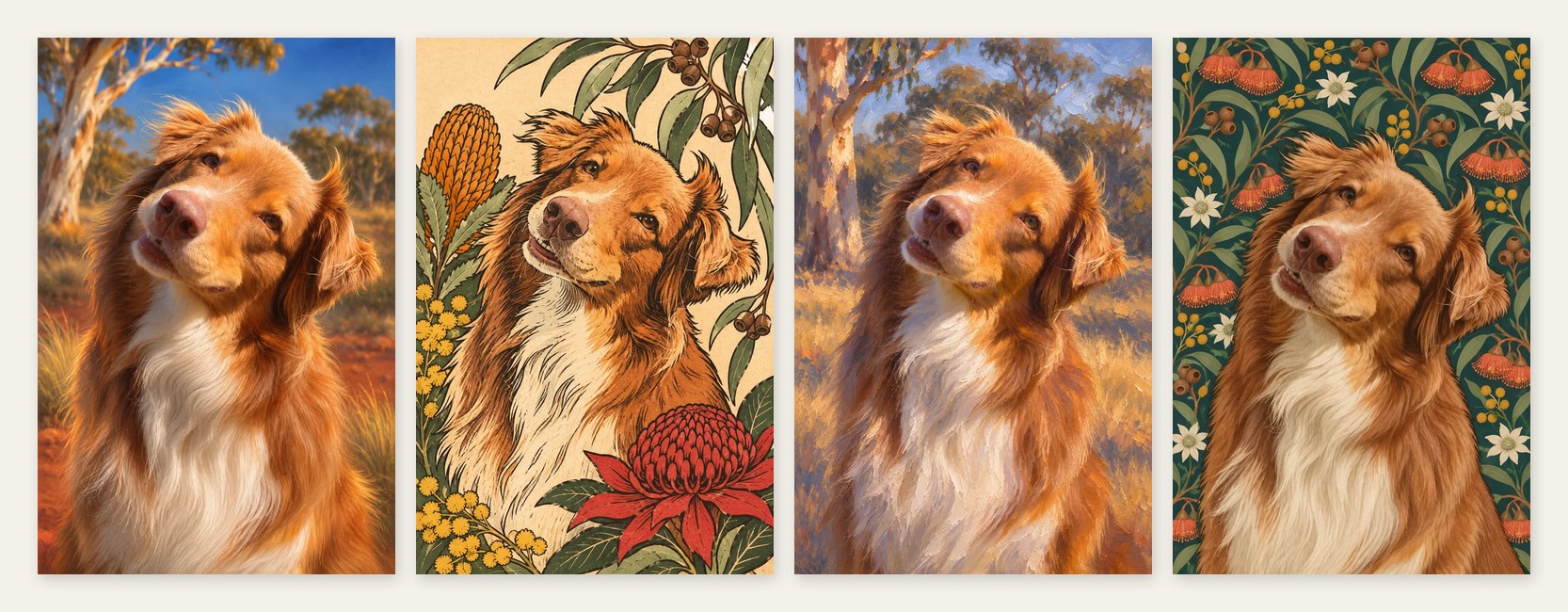
Australian looks give the portrait a clear local setting. The Outback pet portrait places the pet among red earth, ghost gums and a deep blue sky. The Bush Woodcut pet portrait uses bold black outlines and flat colour over warm cream paper, with waratah, banksia and wattle framing the pet. Bush Impressionist keeps the brushwork loose and sets the pet among gum trees and dry grass in golden light.
Gum Pattern turns the background into flat leaves and flowers on deep teal green, while Bush Drover adds a wide felt hat, a red neckerchief, an oilskin coat and dusk gum trees for a more character-led result. Frame Bush Woodcut and Gum Pattern in oak look to keep the warm paper and leaf colours working together. These styles fit rooms with warm timber, earthy walls or a blend of old and new Australian furniture, and they hold up well near plants, timber shelving or a hallway with natural light.
Choose the look by coat, photo and occasion
Some decisions come down to practical details. The same style reads differently on a black coat, a white coat, a soft phone photo or a portrait that needs to hold more than one pet. Use the list below while you weigh options.
- A dark or black coat: a dark-coated dog benefits from strong light across the face, so a painted look such as Old Master can keep the head readable. Lighter styles like Watercolour, Fine Line and Charcoal Study also give the coat shape without letting it disappear.
- A pale or white coat: a pale coat reads clearly when set against a dark or richly coloured backdrop. Old Master, Peek-a-boo or a graphic style with a strong background gives the coat an edge.
- A soft or older photo: styles that use lines or flat shapes are gentler on a soft photo because they do not depend on fine detail. A guide to choosing and taking the photo you start with can help you get a clearer starting point.
- A memorial portrait: quieter looks such as Watercolour, Fine Line or Charcoal Study often fit, though some owners want a grand painted portrait instead. The memorial collection starts with Charcoal Study, Fine Line, Watercolour, Old Master and The Royal.
- Two or three pets, or pets with their people: a single portrait can hold up to three pets, although a few styles stop at two, and it can also place pets beside their people. Each pet and each person starts from their own photo, and the photos are placed side by side.
For a closer look at the dog portraits range, start there. Whatever the coat or photo, the preview shows the style with your own pet, and the proof keeps the final approval with you.
Frequently asked questions
Which pet portrait style suits a dog with a black coat?
A dark-coated dog benefits from strong light across the face, so a painted look such as Old Master can keep the head readable. Lighter styles like Watercolour, Fine Line and Charcoal Study also give the coat shape without letting it disappear. If you are matching a frame, a black frame works for Modern, Fine Line and Charcoal Study, but any colour is fine. Dogs with bold patches may also suit a flat graphic look.
Which pet portrait styles suit a cat?
Cats handle soft washes well. Watercolour leaves the coat light at the edges and keeps the face crisp, while Old Master gives a dark, glowing mood with a 17th century feel. Bush Woodcut sets carved black lines over warm cream paper and rings the cat with waratah, banksia and wattle. The Royal and Gum Pattern bring a painted feel, and Bush Impressionist has a loose look. A black frame suits Fine Line, while oak looks suit Watercolour, Bush Woodcut and Gum Pattern.
Which style suits a memorial portrait?
For a memorial portrait, the collection opens with Charcoal Study, Fine Line, Watercolour, Old Master and The Royal. Watercolour is the gentlest of the group, while Fine Line leaves a single dark stroke on paper you choose. Charcoal Study has a chalky grey feel. The Royal and Old Master take a more formal painted route, with a crown and robe or warm light on a brown ground. Oak frames suit Watercolour, and black suits Fine Line or Charcoal Study.
What frame colour suits each style?
An oak look frame suits Gum Pattern, Bush Woodcut, Mid-Century and Watercolour. A black frame suits Fine Line, Charcoal Study and Modern. The Royal, Old Master and Bush Impressionist are flexible across all three frame colours. Framed prints use a narrow 20 mm frame offered in oak look, black or white. The covering is acrylic, not glass, the print is on matte art paper, and you can choose a white mount or leave it out.
Can I preview my pet in a style before I order?
Yes. Upload a single photo, even a phone shot, and choose a style. The preview shows your pet in that look before you pay. A Paperlust watermark appears on the preview, not on the print. Your photo stays with the session, so moving to another style does not require another upload. Once you order, a designer checks the portrait for print quality and sends a proof. You approve the proof before anything prints.
Can two pets share one portrait, and can three?
Yes. A portrait can fit up to three pets, although a few styles are limited to two. It can also place pets beside their people. Each pet and each person starts from their own photo, and those separate photos are combined side by side. If you only have two pets, the same setup applies, and the preview shows them together before you proceed.