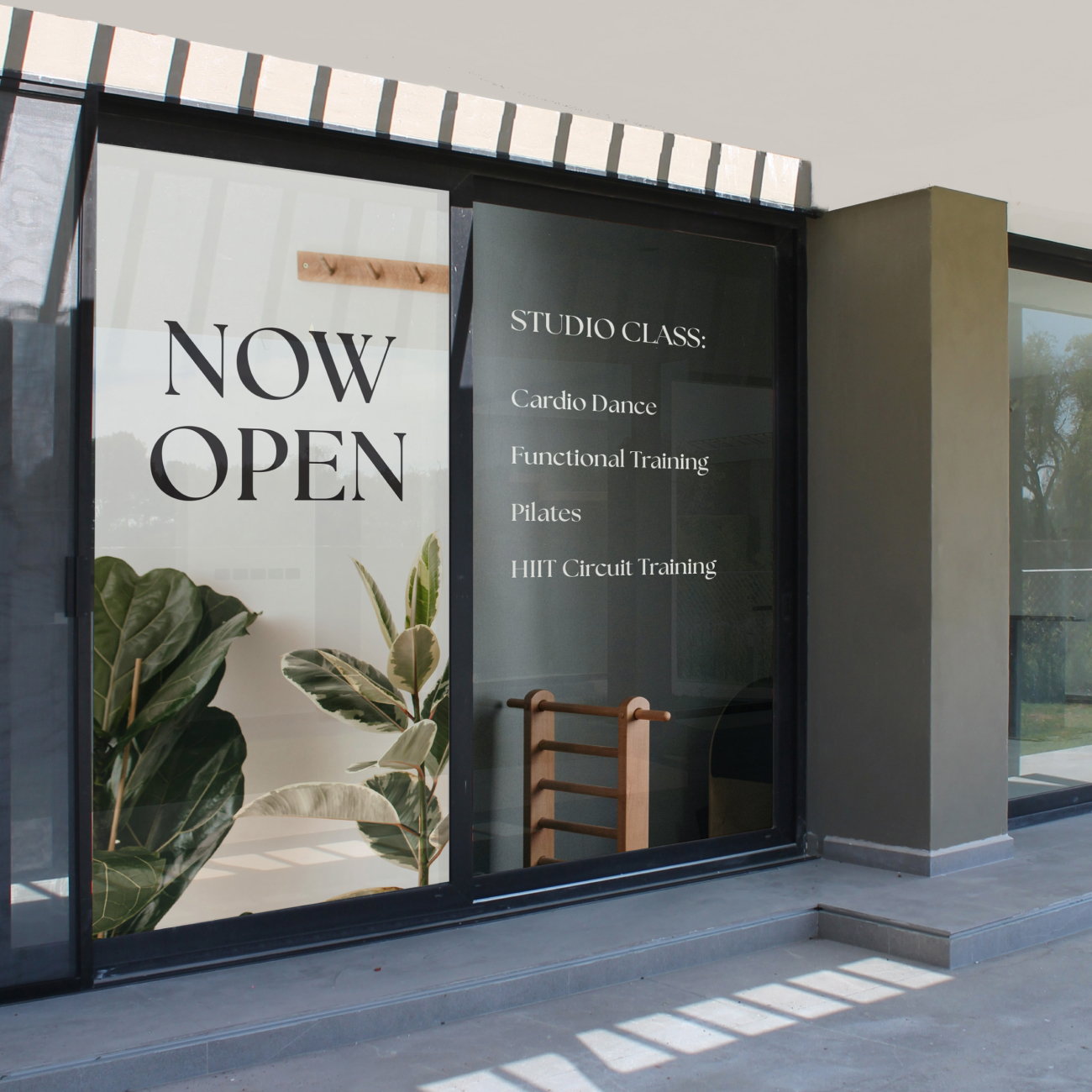
Your store window is your most valuable silent salesperson. It works 24 hours a day, reaches pedestrian traffic that would never find you online, and takes about 3 seconds to make an impression.
Window stickers are one of the most cost-effective ways to use that window — for sales messaging, seasonal promotions, brand presence, or directional information. Done right, they’re a genuine sales tool. Done wrong, they clutter the window and reduce the sense of space that draws people inside.
Print window graphics for your storefront
Digitally printed window vinyl in any custom shape, sized for windows, doors, and glass partitions across retail and hospitality.
At a Glance
Window stickers for retail in 30 seconds: the highest-converting retail window stickers combine bold type readable from 5–8 metres, single-message clarity, and weather-rated vinyl rated for outdoor application.
How to choose: match material to glass position (inside/outside), text size to viewing distance, and finish to lighting (matte for sunlit windows, gloss for shaded).
- Most readable from the street: minimum 60mm cap height for primary message
- Best for outdoor application: weather-rated vinyl with permanent adhesive
- Best for inside-glass mount: reverse-print clear vinyl — looks printed onto the glass
- Easiest to remove: static-cling vinyl — no residue, fully reusable
Types of Window Stickers for Retail
Static cling decals
Cling to glass without adhesive — the vinyl creates a static charge that holds it in place. Easily repositioned and removed without residue. Best for short-term promotional messaging: weekly sales, weekend events, seasonal campaigns.
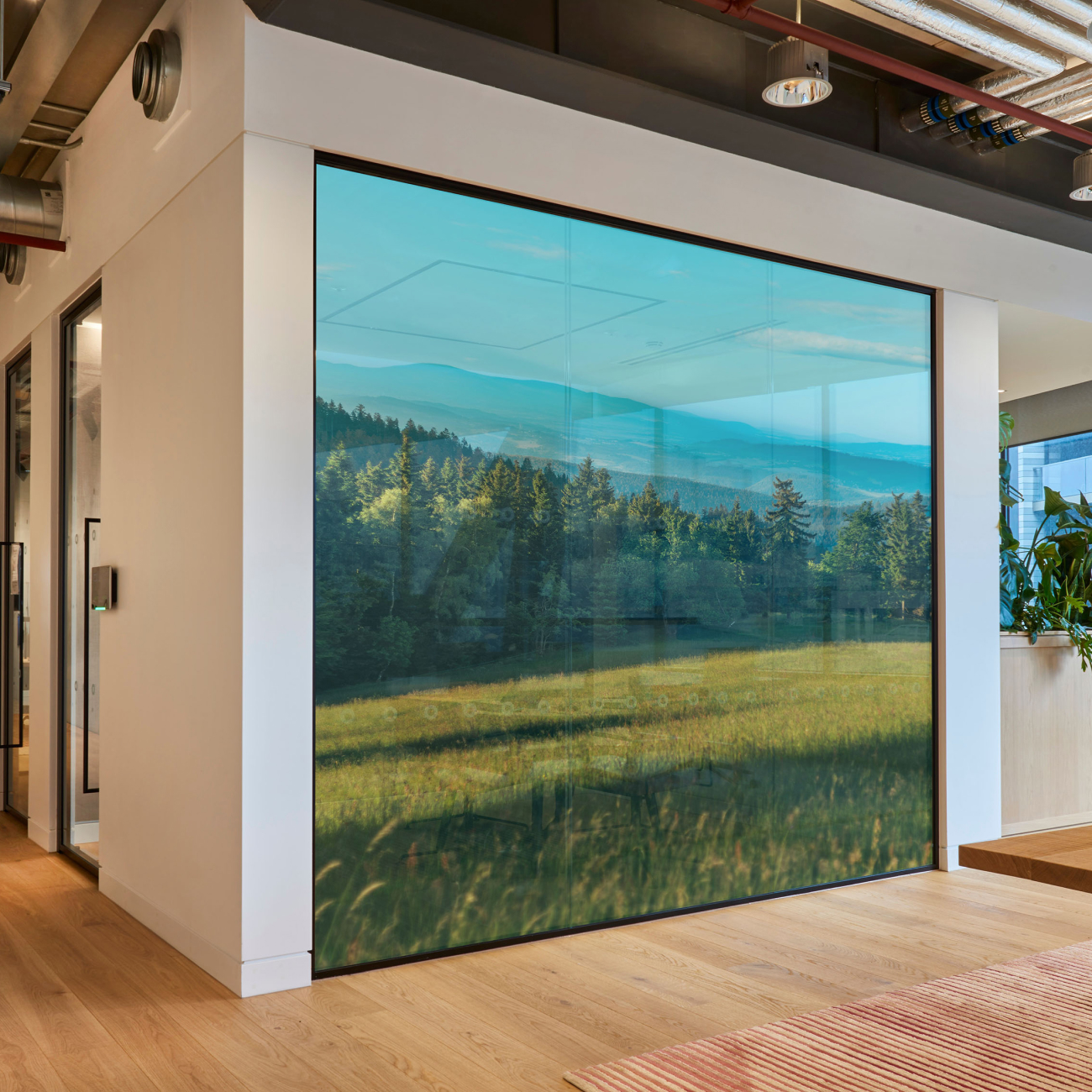
Limitation: not for outdoor application. Wind and rain dislodge them.
Vinyl adhesive stickers
Permanent or semi-permanent adhesive, weatherproof, suitable for inside or outside application. Better for brand graphics, store hours, logos, and information that stays up for months or years.
Use a removable adhesive variant for anything you’ll change seasonally. Standard adhesive for permanent branding elements.
One-way vision (perforated vinyl)
Full-coverage window graphics that look like a printed image from outside but allow some visibility from inside. Used for large window displays — a product image, brand graphic, or lifestyle shot that transforms the window into a visual statement.
Generally requires professional installation for large areas.
Frosted vinyl
Creates a frosted glass effect without the cost of actual frosted glass. Used for privacy in windows or glass partitions, and as a design element — a frosted logo or pattern over clear glass reads as a premium finish at a fraction of the cost of etching.
Clear and transparent window stickers
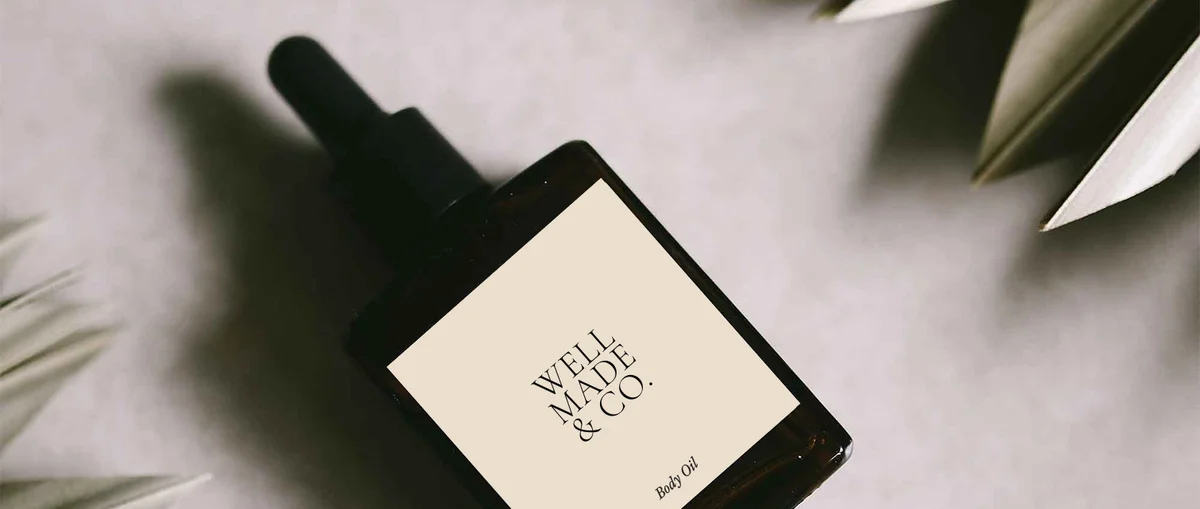
Where frosted vinyl creates intentional opacity, clear window stickers do the opposite – the substrate disappears so the printed mark sits directly on the glass. Useful for logos, opening hours, and shop branding that you want readable from the street without blocking the view into the store. A white underprint layer ensures colours stay vivid against any window background.
Need privacy and advertising in one?
One-way window films let customers see in but block the view out — ideal for cafes, salons, and consult rooms that want street presence without a fishbowl effect.
How to Choose Window Sticker Placement
Eye level is prime real estate
Text and key messages should sit at 900-1,500mm from ground level — where pedestrian eyes naturally fall when walking past. Below knee height is near-invisible to passing traffic. Above shoulder height requires deliberate effort to read.
Right side gets read first
For most pedestrian traffic on Australian streets, the right panel of a shop window is seen before the left. Put your most important message — the sale, the offer, the main brand visual — on the right.
Cluster, don’t scatter
Multiple small stickers scattered across a window look disorganised. Group related elements together. Use negative space between clusters. A well-composed window looks intentional. A crowded one looks amateur and reduces credibility.
Leave sight lines open
Windows are also for visibility into the store. Too much coverage makes the inside feel dark and uninviting. A useful rule: sticker coverage should be no more than 30-40% of total glass area, unless you’re deliberately going for a full-window look for a specific campaign.
Design for the Street
Window stickers are read from 2-5 metres, usually in passing. The same design rules as outdoor signage apply:
| Window sticker type | Best for | Mount side | Lifespan |
|---|---|---|---|
| One-way vision | Privacy + outward-facing branding | Outside | 2–3 years |
| Static cling | Short-term promos, easy swap | Inside | 3–6 months |
| Permanent vinyl decal | Logos, opening hours, address | Outside or inside | 5+ years |
| Frosted vinyl | Privacy + premium retail aesthetic | Inside | 5+ years |
| Reverse-print clear | Logo-on-glass look | Inside | 3–5 years |
| Floor / footpath vinyl | Wayfinding, queue lines, sidewalk pull-in | Floor | 1–2 years (high-traffic) |
High contrast. Dark on light or light on dark. Never low-contrast colour combinations — light grey on white, yellow on cream — these become invisible in outdoor daylight.
Large type. Minimum 80-100mm for any text you want read at distance. Test it: print at intended size and tape to your window, then stand across the footpath.
Short copy. Five words maximum for a passing-glance message. “50% Off Everything” works. Three sentences about your brand story does not.
One clear hierarchy. One primary element that reads first. Supporting elements second. The window isn’t a brochure.
Seasonal and Promotional Applications
Window stickers are the practical tool for retail promotions. Change them seasonally without touching your permanent brand graphics:
- Sale messaging: “Mid-Season Sale,” specific percentage off, selected categories
- Event promotions: Evening shopping events, product launches, market appearances
- Holiday campaigns: Christmas, Easter, Mother’s Day, Valentine’s Day
- Opening hours: Temporary changes, public holiday hours
For seasonal stickers, use a removable adhesive variant — or static clings that reposition and reuse cleanly. A clear vinyl sticker with bold text reads cleanly against the glass without cluttering it.
Measuring the Difference
Before removing an old window campaign, note foot traffic, enquiries, and sales for comparable periods. Window stickers that communicate an active offer (rather than just brand presence) have measurable impact on foot traffic. The easiest proxy: add a seasonal code to any promotional window sticker and track redemptions.
For window sticker needs, browse our custom stickers range or get in touch to discuss size, material, and adhesive options for your specific window type. We can advise on inside vs outside application and which materials hold up best for your local conditions.
Window Sticker Sizes and Specifications
Window stickers come in any custom size, but certain sizes fit retail applications reliably. For individual promotional stickers (price callouts, feature messages, opening hours): A4 (210 x 297mm) or A3 (297 x 420mm) are practical formats that print efficiently and read well from the footpath.
For branding elements (logo, tagline, social handles): work from your window dimensions backward. A logo sticker should fill roughly 15-25% of the visible window width for good proportion – large enough to register from the street, small enough that the window still reads as open and welcoming rather than blocked.
For full-coverage one-way vision graphics, the sticker is custom-cut to the window opening. Measure the glazed area, not the frame. Include 5-10mm overlap on each edge if you’re tiling multiple panels to avoid visible seams.
Text readability at distance
Text on window stickers needs to be much larger than it looks in a design file. From 5 metres (typical footpath distance), sans-serif text needs to be at least 50-60mm tall to read reliably. From 10 metres (across a narrow street), that rises to 80-100mm. Anything smaller than these thresholds reads as “there’s text there” without conveying the actual message.
Use this as your design brief: what’s the most important message on this window sticker, and is it legible from 5 metres? If the answer is no, increase the type size. Everything else is secondary.
Need durable retail window stickers?
Our vinyl window decals are weather-rated, UV-resistant, and designed for both indoor and outdoor glass application — 24–48hr turnaround, flat-rate AU shipping.
Design Principles for Retail Window Graphics
Window stickers compete with everything on the street – competing stores, vehicles, pedestrian traffic, and weather. The design principles are different from screen design or print collateral.
High contrast first. The most legible window stickers use colors that pop against the interior of the store. Dark stores suit light stickers; bright stores suit dark. A white sticker on a white-walled store interior disappears. A dark navy sticker on a light interior reads from across the street.
Limit the message. A window sticker that tries to communicate five things communicates none of them. One primary message, maximum two. “SALE – 30% off” is better than “End of season clearance sale – up to 30% off selected items in store only.” People are walking past at 5km/h. You have two seconds.
White space is not wasted space. Crowded window stickers look desperate. Generous margins and breathing room around the message make it look confident. This applies especially to promotional stickers – the less cluttered they are, the more credible the promotion feels.
Color consistency with brand
Window stickers should sit within your established brand palette. A promotional sticker in a color you don’t use anywhere else reads as generic. Your brand colors, applied with confidence to a simple layout, will always outperform a visually aggressive but off-brand design.
Avoiding Common Window Sticker Mistakes
The mistakes that make window stickers ineffective follow predictable patterns:
Blocking natural light. Large solid-color areas on windows reduce the perceived brightness of the interior. If your store sells anything that benefits from appearing open, bright, and welcoming – which is most retail – be selective about coverage. Lettering, line graphics, and perforated vinyl all reduce this problem compared to solid color panels.
Too many messages. Adding a sticker for each product line, promotion, and brand element creates visual noise. Passers-by stop reading entirely when there’s too much competing for attention. Edit ruthlessly – each window sticker should earn its space by doing one clear job.
Low resolution print. Window stickers are often viewed up close as well as from a distance. Customers standing at the door reading your hours will notice pixelation at 72dpi. Supply artwork at minimum 150dpi at actual print size; 300dpi is ideal for any sticker under A2 in size.
Leaving old stickers too long. Faded, peeling, or out-of-date window stickers actively undermine the brand. Schedule a review every quarter – remove anything that’s served its purpose. A clean window with no stickers reads better than a window with three years of accumulated messaging.
Seasonal Window Sticker Strategy
The most effective retail stores treat their windows as a rotating display – updated by season, promotion cycle, or key retail dates. This keeps the storefront looking current and gives passers-by a reason to look again each time they walk past.
A practical annual framework: 4-6 updates per year aligned with retail seasons (summer, back-to-school, pre-Christmas, January sales, Easter, and any relevant local events). Plan all six designs at the start of the year, print them in advance, and schedule the changeovers.
Static cling decals are the right format for short-cycle promotions – they remove cleanly with no residue and reposition easily if the first placement isn’t right. Vinyl adhesive is better for brand elements that stay up for months or the full year.
The cost of a seasonal window sticker update is minimal relative to the impression it creates. A storefront that clearly changes by season communicates an active, current business in a way that stale windows never can.
Before You Order Window Stickers
- Confirm glass position (inside or outside mount) — material differs
- Measure cap-height for primary message (60mm minimum for street readability)
- Choose finish based on lighting (matte for sunlit, gloss for shaded)
- Specify removability (permanent for fixed signage, removable for promos)
- Supply artwork as vector (.ai, .pdf, .eps) at 1:1 scale with 5mm bleed
Ready to brief your retail window graphics?
Order custom-cut window stickers in any size, shape, or finish — free design support, full-colour printing, and proof approval before production.
Frequently Asked Questions
What’s the best type of window sticker for a retail promotion?
For short-term promotions (weekly sales, weekend events), static cling decals are ideal – they adhere without adhesive, reposition easily, and remove cleanly when the promotion ends. For seasonal promotions that run 4-8 weeks, removable vinyl adhesive stickers are more reliable – they stay put through weather variation and door-opening drafts that can dislodge cling decals over time. For permanent branding elements (logo, hours, social handles), standard vinyl adhesive is the correct material.
How large should text be on a window sticker to be readable from the street?
For text to read clearly from 5 metres – typical footpath distance for pedestrians – sans-serif lettering needs to be at least 50-60mm tall. From 10 metres across a narrow street, increase to 80-100mm. The most common mistake in retail window sticker design is text that looks appropriately sized in the design file but is illegible at street distance. Always check legibility at scale before finalizing a window sticker design – print a test at actual size if possible.
Can window stickers be applied to the outside of the glass?
Yes – most vinyl adhesive window stickers can be applied to the exterior surface, which is often preferable for promotions because it sits flush with the window rather than appearing as an interior display. Exterior application requires a weatherproof vinyl and UV-resistant laminate to prevent fading and edge lifting. Static cling decals are not suitable for exterior use – wind and moisture dislodge them. One-way vision perforated vinyl is always applied to the exterior surface.
How do I remove vinyl window stickers without leaving residue?
Heat is the most reliable removal method. A heat gun or hair dryer on low heat, applied for 30-60 seconds per section, softens the adhesive and allows the vinyl to peel cleanly from the glass. Work slowly from one corner, keeping the vinyl at a low angle (30-45 degrees) as you peel. Any residual adhesive responds well to isopropyl alcohol on a cloth. For large-format graphics, work in sections rather than trying to remove the full panel at once.
What file format should I use for a window sticker design?
Supply high-resolution artwork at minimum 150dpi at actual print size (300dpi preferred for anything under A2). CMYK color mode – not RGB. Include a 3mm bleed on all sides. If the sticker has a specific cut shape (not rectangular), include a separate cut line on a named layer or as a separate file. For designs with fine text or thin lines, avoid colors that are close to the background color – high contrast is essential for readability at both close range and street distance.
Ready to dress your storefront?
Upload your artwork, pick a finish, and we’ll handle production. Most window-graphic orders ship within 5 business days.