Menu Printing with Diecut Silhouettes
$1.25 – $9.09 USD
Diecut menus are full-color printed sheets cut to a custom shape, giving table service a distinctive branded silhouette.
$1.25 – $9.09 USD
Why Choose
Paperlust Print Shop?
Personal service with real humans
Free design review and file checking
Helpful support: call or email us anytime
Free proof before we print
Modern finishes (foil, spot UV, specialty materials)
Competitive pricing with volume discounts
Custom die-cut menus for restaurants and venues
A menu is often the first branded object a guest touches. Full-color printing on both sides gives every dish the space it needs, while a cut shape registers before the content is read. Circles, ovals, rectangles with custom corners and bespoke contours all let a venue carry its brand identity into a silhouette that sits on the table or counter.
Menus are offered flat or folded across A3, A4, A5 and DL base sizes, with folded options supplied as flat sheets with score lines for assembly on your end. Choose 300 GSM Matte when you want a thicker sheet that can take matte or gloss lamination for a durable, spill-resistant finish, or 170 GSM Silk for a lighter stock. This range suits cafes, restaurants and events where a distinctive, on-brand format sets the tone from the moment it lands.
Specification
- Material: 300 gsm Matte Paper and 170 gsm Silk Paper.
- Variations on flat and fold options are available.
- Laminate option is only available for 300 gsm Matte Paper.
- Digital color printing on both sides of the menu is included.
- Menus come in flat sheets (with score lines if the folded option is chosen).
- Assembling will be done on your end.
- Custom silhouette: A diecut contour turns the menu itself into a brand cue before guests open it.
- Full color stock: Full color printing appears on each side, so the menu carries as much detail as your dishes require.
- Matte laminate: On the thicker stock option, matte or gloss lamination gives a spill-resistant surface for busy service.
- Score ready folds: Folded configurations arrive flat with score lines, making assembly straightforward on your end.
- Handled daily: The thicker stock and optional laminate suit venues where menus are handled often, keeping them presentable through service.
- Brand matched contour: Bespoke contours follow the shape of a logo or motif, which a rectangular menu cannot offer.
Product Details
Custom die-cut menus for restaurants and venues
A menu is often the first branded object a guest touches. Full-color printing on both sides gives every dish the space it needs, while a cut shape registers before the content is read. Circles, ovals, rectangles with custom corners and bespoke contours all let a venue carry its brand identity into a silhouette that sits on the table or counter.
Menus are offered flat or folded across A3, A4, A5 and DL base sizes, with folded options supplied as flat sheets with score lines for assembly on your end. Choose 300 GSM Matte when you want a thicker sheet that can take matte or gloss lamination for a durable, spill-resistant finish, or 170 GSM Silk for a lighter stock. This range suits cafes, restaurants and events where a distinctive, on-brand format sets the tone from the moment it lands.
Specification
- Material: 300 gsm Matte Paper and 170 gsm Silk Paper.
- Variations on flat and fold options are available.
- Laminate option is only available for 300 gsm Matte Paper.
- Digital color printing on both sides of the menu is included.
- Menus come in flat sheets (with score lines if the folded option is chosen).
- Assembling will be done on your end.
- Custom silhouette: A diecut contour turns the menu itself into a brand cue before guests open it.
- Full color stock: Full color printing appears on each side, so the menu carries as much detail as your dishes require.
- Matte laminate: On the thicker stock option, matte or gloss lamination gives a spill-resistant surface for busy service.
- Score ready folds: Folded configurations arrive flat with score lines, making assembly straightforward on your end.
- Handled daily: The thicker stock and optional laminate suit venues where menus are handled often, keeping them presentable through service.
- Brand matched contour: Bespoke contours follow the shape of a logo or motif, which a rectangular menu cannot offer.
Frequently Asked Questions
Is there a minimum order quantity for diecut menus?
The smallest quantity offered is 10 menus. The options cover flat and folded configurations across A3, A4, A5 and DL base sizes, with full-color printing included on both sides.
What artwork should I supply for these menus?
The product details do not specify artwork or file setup requirements. Full-color printing is included on both sides across the base sizes, so artwork should be prepared for both sides of the chosen size.
Which paper stock should I choose?
Choose 300 GSM Matte for a thicker sheet that can be finished with matte or gloss lamination. Choose 170 GSM Silk for a lighter printed sheet, which is still full-color on both sides but does not carry the laminate option. Both stocks work with the custom cut profiles.
How durable are the laminated menus?
Matte or gloss lamination is available on the 300 GSM Matte option and gives a durable, spill-resistant surface. This makes those menus practical for venues where they are handled frequently. The 170 GSM Silk option has the full-color print but no lamination option.
What sizes and shapes are offered?
Base sizes are A3, A4, A5 and DL, and the cut profile can be a circle, oval, rectangle with custom corners or a bespoke contour. Folded options include A4 Gatefold (A3 to A4), A4 Bifold (A3 to A4), Double Gatefold (A3 to 105x297mm (≈ 4.13 x 11.69 in)), A5 Bifold, DL Z-fold and DL C-fold.
How do diecut menus differ from standard menus?
Standard Menus keep a rectangular format, while diecut menus add a custom silhouette that reinforces the brand before the content is read. The print and stock options are otherwise similar, so the cut shape is the key difference.
Who should order this product?
Cafes, restaurants, bars, hotel lounges and event hosts order these menus when the format itself should set the tone. A common use is a shaped table menu that matches a logo, wedding stationery or a venue interior detail.
How do folded menus arrive?
Folded options are supplied as flat sheets with score lines, so assembly is done on your end. Flat menus are supplied without that fold preparation. Full-color printing appears on both sides in either format.
Artwork Guidelines
Related Products
Ordering this product
- Configuration summary
- Flat A3, 300 GSM Matte, Flat, None
- Minimum quantity for this configuration
- 10 individual items
- Order total in USD
- $90.99 USD
- Digital proof
- A digital proof is provided before printing for custom orders.
- Production time
- 2-4 Working Days. Production follows artwork and proof approval. Any displayed cutoff still applies.
- Shipping options
- Standard shipping: $9.95 USD; Express shipping: $24.95 USD
- Shipping transit
- Standard shipping: 6-10 business days; Express shipping: 3-6 business days
- Free shipping
- Free shipping on qualifying orders with an eligible subtotal of $75.00 USD or more after item discounts.
Shipping is calculated per order. Mixed basket eligibility and the final quote are confirmed at checkout.
Production time and shipping transit are separate estimates; see checkout for the applicable quote.
Prices for popular sizes and quantities (USD)
Priced for 300 GSM Matte, Flat, None.
| Quantity | Flat A3 | Flat A4 | Flat A5 |
|---|---|---|---|
| 10 | $90.99$9.09 each | $80.99$8.09 each | $74.99$7.49 each |
| 100 | $284.99$2.84 each | $199.99$1.99 each | $140.99$1.40 each |
| 250 | $609.99$2.43 each | $398.99$1.59 each | $247.99$0.99 each |
| 1,000 | $2,147.99$2.14 each | $1,345.99$1.34 each | $788.99$0.78 each |
| 2,500 | $3,486.99$1.39 each | $2,376.99$0.95 each | $1,520.99$0.60 each |
| 10,000 | $12,558.99$1.25 each | $8,117.99$0.81 each | $4,697.99$0.46 each |
Prices checked October 27, 2026. Use the configurator above for any size, quantity or finish.
2-4 Working Days. Delivery $9.95 standard / $24.95 express per order, 6-10 business days.
More Restaurants & Cafe
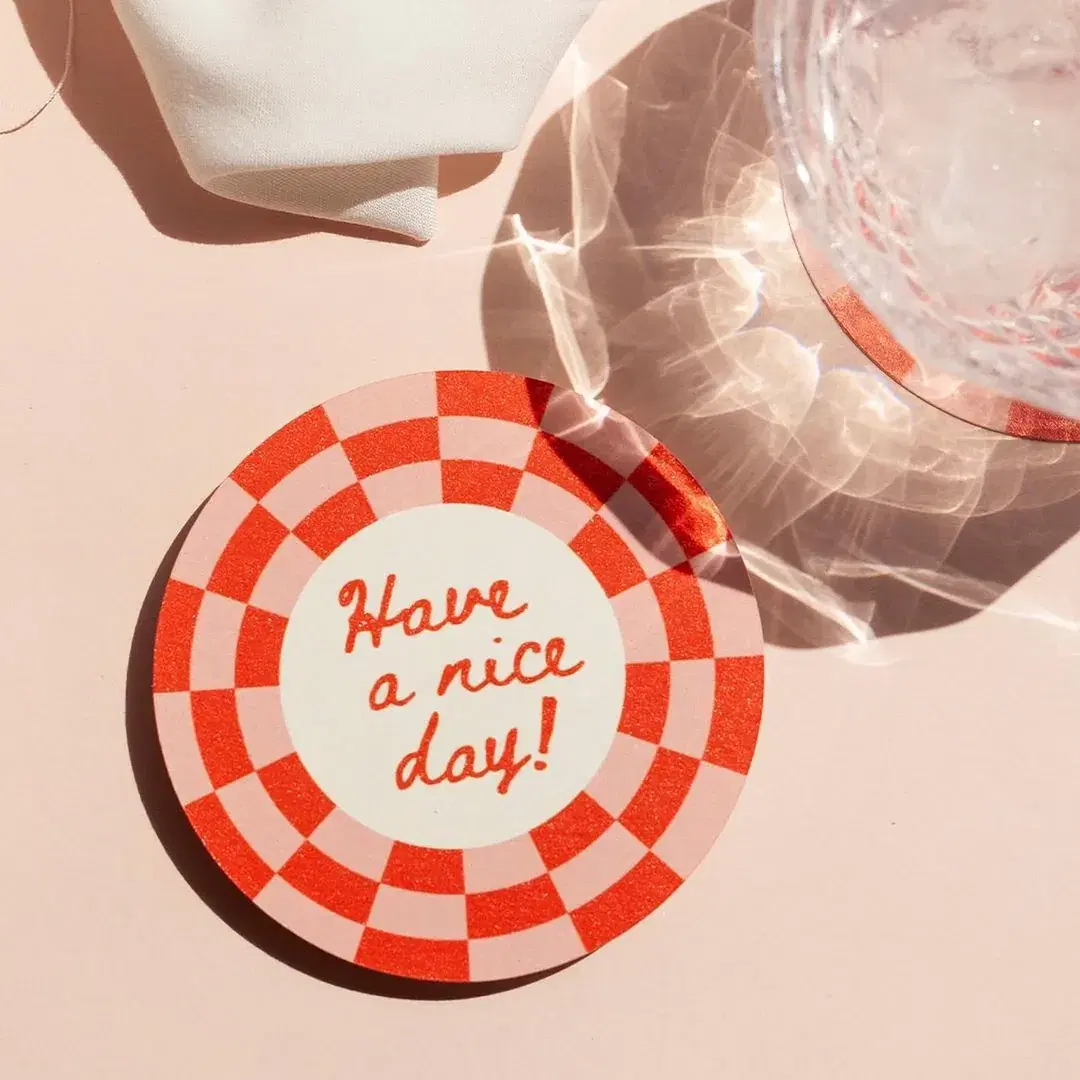
- Coasters, from $133.99 for 50 pcs
- Standard Menus, from $78.99 for 10 pcs, 2-4 Working Days
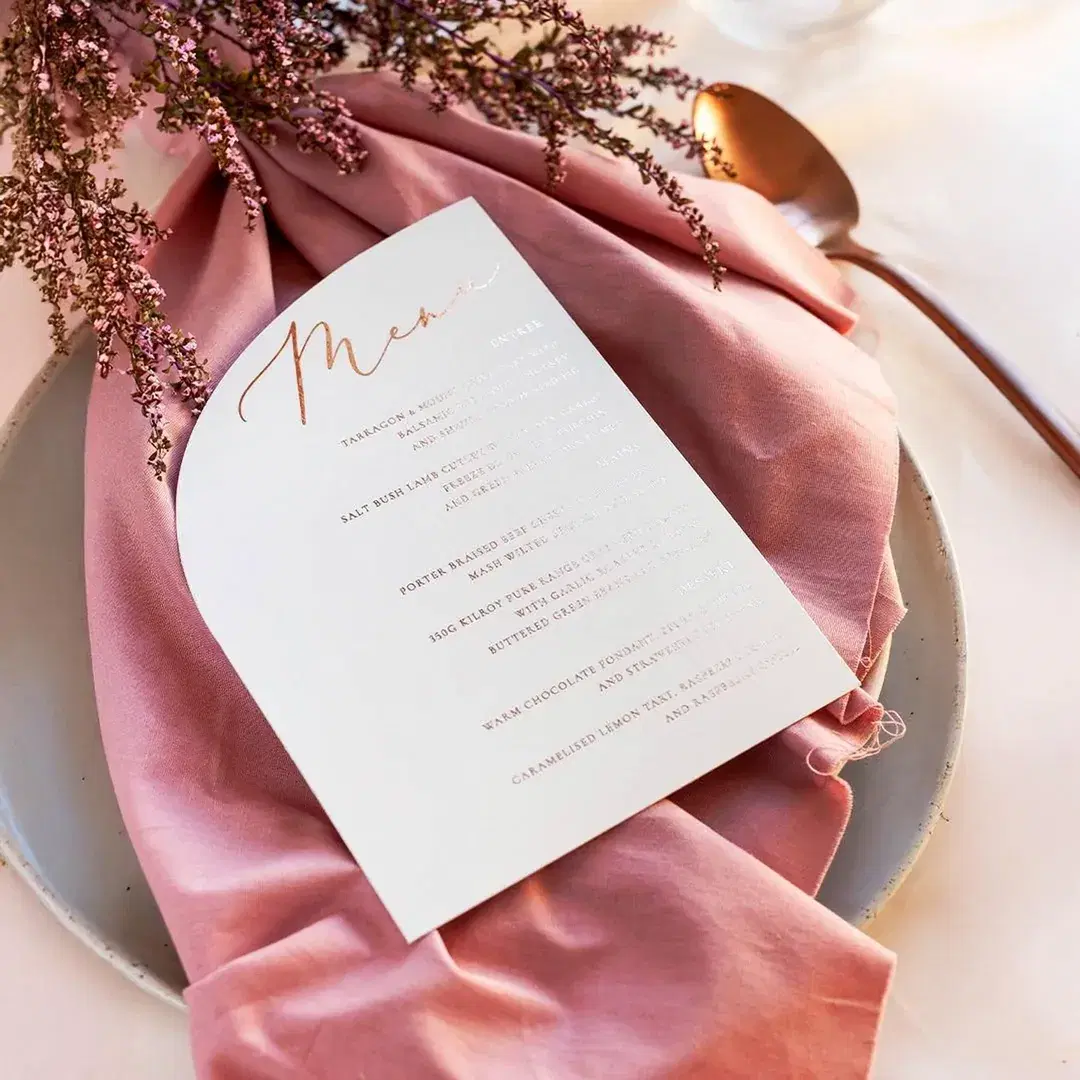
- Foil Menus, from $224.99 for 10 pcs, 2-4 Working Days
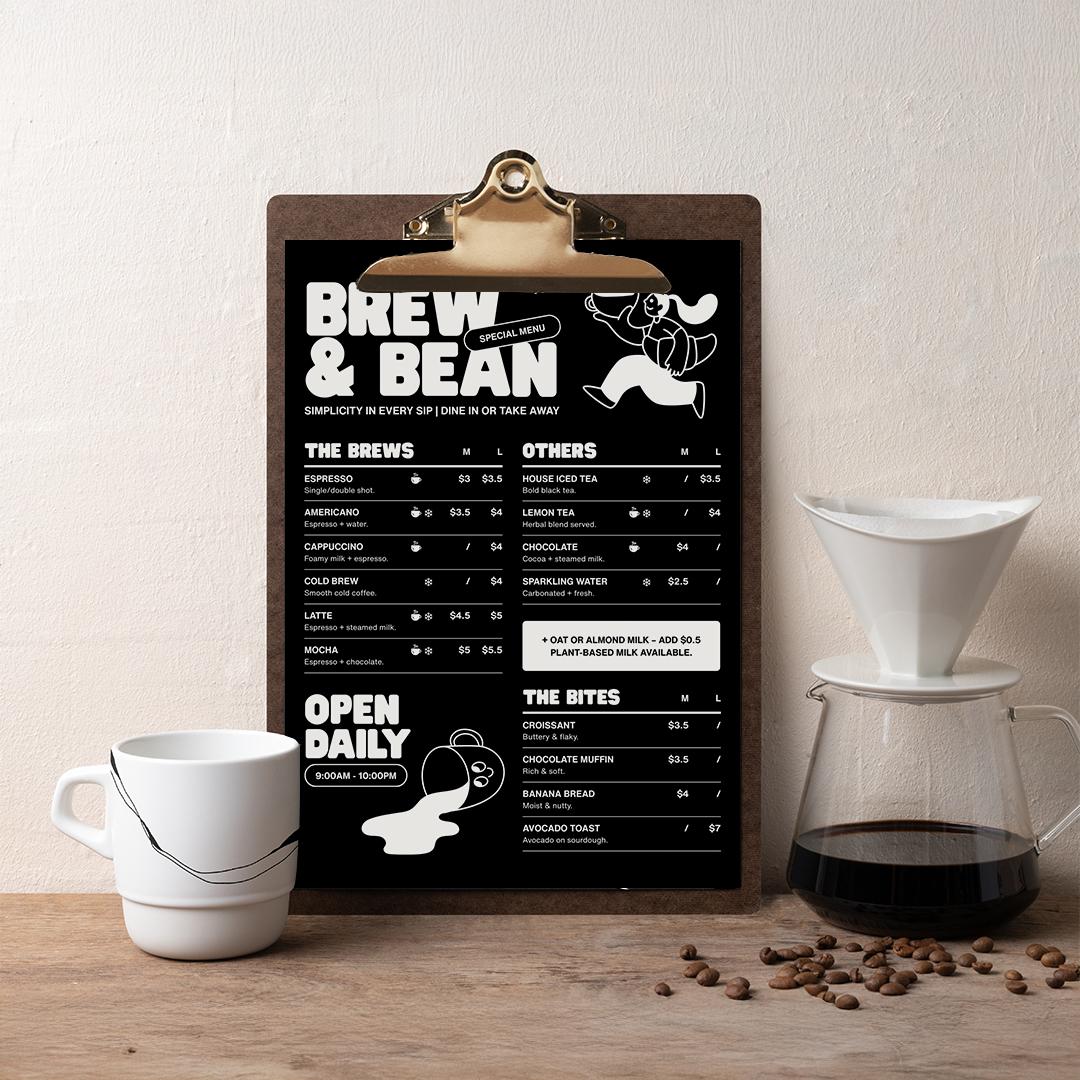
- White Ink Menus, from $107.99 for 10 pcs
Our commitments
Why Paperlust Print Shop Stands Apart
Quick Turnaround
We take pride in our lightning-fast turnaround times. We understand the importance of deadlines, ensuring your orders are delivered promptly and efficiently.
Dedicated Customer Service
With us, you’re more than just a client; you’re a valued partner. Our dedicated team is here to assist you every step of the way, ensuring your complete satisfaction. Simply reach out via, and we’ll get back to you as quickly as possible
Low Minimum, Wholesale Price
We ensure that you can access high-quality printing services without the burden of large orders, making us the ideal choice for businesses of all sizes.
Looking for something else?
Contact our customer support via email, and we'll prepare a tailored quote within 2 business days.
Get Custom Quote
What a Diecut Menu Settles
Diecut menus are full-color printed sheets cut to a circle, oval, rectangle with custom corners, or a bespoke contour that follows a logo, motif, or interior detail. The silhouette lands on the table or counter before the content, so the product settles whether a standard rectangle is enough for the setting. This is menu printing for cafes, restaurants, and event teams that want the format itself to carry brand identity. The choice turns the menu from a printed list into a shaped object, and the decision is made before the first dish name is read.
Material and Finish Choices
Two paper stocks sit under the die cut line. 300 GSM Matte is the heavier sheet and the only stock that accepts lamination; 170 GSM Silk is lighter and prints full color on both sides without a laminate option. For menu card printing, that fork controls most handling behavior. Choose 300 GSM Matte with matte or gloss lamination when the menu will be handled frequently and needs a durable, spill-resistant surface. Choose 170 GSM Silk when a lighter sheet suits the table and the card does not need the extra coating. Both stocks carry full-color digital printing on both sides, so material choice is about weight and finish rather than color range.
Sizes, Folds, and Order Quantity
Flat sheets are available in A3, A4, A5, and DL base sizes, covering compact counter cards through larger table menus. The folded configurations are cut from the same base sizes and listed below. The smallest quantity offered is 10 menus, so the product works for a small event run or a larger venue order.
- Flat A3, A4, A5, and DL
- A4 gatefold and A4 bifold from an A3 sheet
- Double gatefold to 105x297mm (≈ 4.13 x 11.69 in)
- A5 bifold, DL Z-fold, and DL C-fold
Artwork for a Custom Cut Profile
Because the menu is cut to a custom shape, the artwork needs to define that contour as part of the design rather than treating the sheet as a standard rectangle. The profile can be a circle, oval, rectangle with custom corners, or a bespoke contour that matches a brand mark. Set up each side of the menu for the base size and folded format you choose. For folded options, the piece is supplied as a flat sheet with score lines, so the artwork follows the open sheet layout rather than the closed panel size, and assembly is done on your end. The contour is the part of the artwork that carries the silhouette, and it has to be settled before production begins.
How the Menu Behaves and Where It Works
A diecut menu is handled throughout service, so the finish choice determines how it behaves after repeated touches. The 300 GSM Matte sheet with lamination resists spills and wear, which suits venues where menus are picked up, passed around, and set down near drinks. Matte laminate keeps the surface non-reflective while gloss laminate adds a higher-sheen guard on the same stock. The 170 GSM Silk sheet is lighter and remains full color, but it does not have the same wipe-down surface. The cut edges stay distinct through the meal and reinforce the brand from the moment the menu lands on the table.
Cafes and restaurants use the shaped format for table service, where the silhouette gives the meal a stronger first impression than a standard rectangle. Bars and hotel lounges choose contours that echo a logo or an architectural motif, while coffee counters and takeaway counters use compact sizes that still carry a distinctive edge. Event caterers and wedding hosts turn to wedding menu printing when the menu sits within a larger stationery suite, working alongside place settings and signage. In each setting, the trade chooses the diecut menu because the object continues the room, not just the list of dishes.
How Diecut Menus Compare to Siblings
A diecut menu is ordered when shape matters as much as print quality. Compare Standard Menus when a clean rectangular format is enough, and keep the cut profile only when the silhouette earns its place. Foil Menus move the interest from shape to metallic detail, which suits venues that want a flat rectangular card with a reflective finish. White Ink Menus put the difference into ink on colored stock rather than the edge. Coasters carry the same cut idea off the table or under a drink, but not the full menu content. Each sibling solves one part of the same menu design and print objective; the diecut version is the one where the contour carries the brand.