Marketing Materials
Our commitments
Why Paperlust Print Shop Stands Apart
Quick Turnaround
We take pride in our lightning-fast turnaround times. We understand the importance of deadlines, ensuring your orders are delivered promptly and efficiently.
Dedicated Customer Service
With us, you’re more than just a client; you’re a valued partner. Our dedicated team is here to assist you every step of the way, ensuring your complete satisfaction. Simply reach out via, and we’ll get back to you as quickly as possible
Low Minimum, Wholesale Price
We ensure that you can access high-quality printing services without the burden of large orders, making us the ideal choice for businesses of all sizes.
Which stock should I choose for flyers, brochures or postcards?
For flyers and brochures, choose 115 gsm gloss, 150 gsm gloss, 170 gsm gloss or 250 gsm gloss when you want a reflective surface, and 170 gsm matte for a softer low glare finish. Postcards sit on 350 gsm artboard or 360 gsm premium, which gives a firmer edge for displays and handling. Match heavier stock to pieces that are handled often.
What is the difference between Postcards and Diecut Postcards?
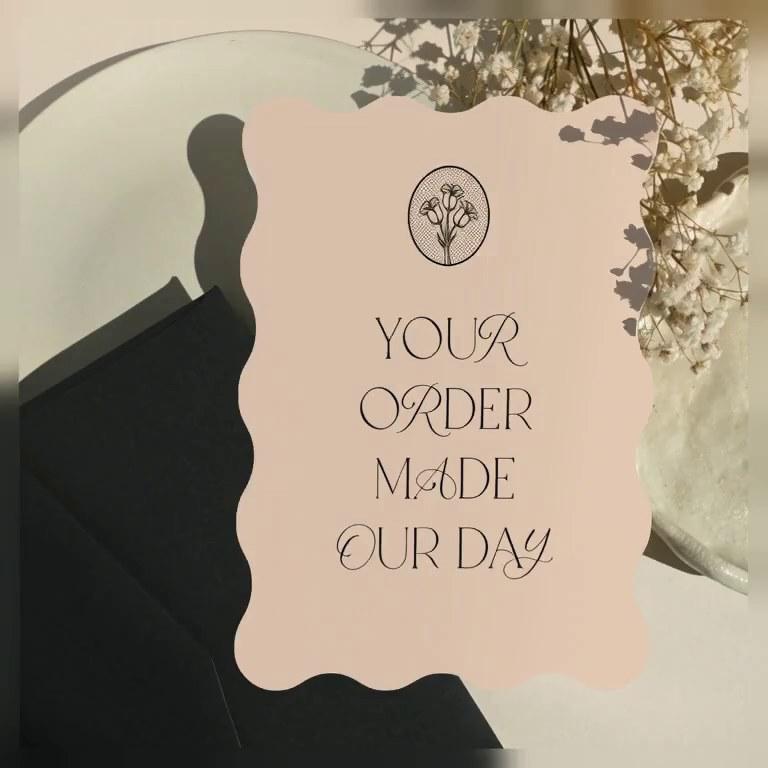
Both print in DL, A6 and A5, but Postcards have straight sides and Diecut Postcards follow a custom cut path. Choose straight sides for a simple campaign card. Choose a diecut shape when the outline itself carries the idea, such as a window, bottle or box silhouette.
Which product suits an event or a retail counter?
For an event, flyer printing suits schedules, menus and handouts because flyers print from DL up to A3. For a retail counter, brochure printing suits a folded piece that can sit upright or unfold in the hand; the roll trifold and the Z trifold forms both begin as A4 and fold down to DL with six panels.
How do I choose between DL, A6, A5, A4 and A3?
DL is 99 mm x 210 mm and suits a slim announcement. A6 is 148 mm x 105 mm and suits a compact reply card. A5 is 148 mm x 210 mm and suits a short menu or flyer. A4 is 210 mm x 297 mm and suits a folded brochure or poster. A3 is 297 mm x 420 mm and suits a large folded piece or display.
How should I set up artwork for print?
Supply artwork in CMYK where possible. RGB files are converted to CMYK for press, and any color shift risk is flagged on the digital proof before production starts. Every order receives a digital proof before printing, showing exact sizing with fold lines overlaid on brochures and booklets and cut paths on diecut postcards. Sign off before the press run begins.
What should you decide first when ordering for the first time?
Decide format and final size before preparing artwork, because fold lines and cut paths are confirmed on the digital proof. Choose whether the piece is a flat sheet, a folded brochure or a saddle stitched booklet, and set the stock weight. A physical sample pack of common stocks and lamination finishes is available on request for first time orders.
What does saddle stitching mean for booklet printing?
Saddle stitched booklets are made from folded sheets stapled along the spine, so the booklet opens flat. In this range, booklets come in A4, A5 and DL, saddle stapled, from 8 printed pages up to 56 printed pages in multiples of four. This binding suits product guides, programs and catalogs that need pages to stay in sequence.
Frequently Asked Questions
Which stock should I choose for flyers, brochures or postcards?
For flyers and brochures, choose 115 gsm gloss, 150 gsm gloss, 170 gsm gloss or 250 gsm gloss when you want a reflective surface, and 170 gsm matte for a softer low glare finish. Postcards sit on 350 gsm artboard or 360 gsm premium, which gives a firmer edge for displays and handling. Match heavier stock to pieces that are handled often.
What is the difference between Postcards and Diecut Postcards?
Both print in DL, A6 and A5, but Postcards have straight sides and Diecut Postcards follow a custom cut path. Choose straight sides for a simple campaign card. Choose a diecut shape when the outline itself carries the idea, such as a window, bottle or box silhouette.
Which product suits an event or a retail counter?
For an event, flyer printing suits schedules, menus and handouts because flyers print from DL up to A3. For a retail counter, brochure printing suits a folded piece that can sit upright or unfold in the hand; the roll trifold and the Z trifold forms both begin as A4 and fold down to DL with six panels.
How do I choose between DL, A6, A5, A4 and A3?
DL is 99 mm x 210 mm and suits a slim announcement. A6 is 148 mm x 105 mm and suits a compact reply card. A5 is 148 mm x 210 mm and suits a short menu or flyer. A4 is 210 mm x 297 mm and suits a folded brochure or poster. A3 is 297 mm x 420 mm and suits a large folded piece or display.
How should I set up artwork for print?
Supply artwork in CMYK where possible. RGB files are converted to CMYK for press, and any color shift risk is flagged on the digital proof before production starts. Every order receives a digital proof before printing, showing exact sizing with fold lines overlaid on brochures and booklets and cut paths on diecut postcards. Sign off before the press run begins.
What should you decide first when ordering for the first time?
Decide format and final size before preparing artwork, because fold lines and cut paths are confirmed on the digital proof. Choose whether the piece is a flat sheet, a folded brochure or a saddle stitched booklet, and set the stock weight. A physical sample pack of common stocks and lamination finishes is available on request for first time orders.
What does saddle stitching mean for booklet printing?
Saddle stitched booklets are made from folded sheets stapled along the spine, so the booklet opens flat. In this range, booklets come in A4, A5 and DL, saddle stapled, from 8 printed pages up to 56 printed pages in multiples of four. This binding suits product guides, programs and catalogs that need pages to stay in sequence.
Learn More
Flat Sheets and Folded Formats
Flyers are the single-sheet workhorse of the range, printed in DL, A6, A5, A4 and A3 so a handout can scale from a compact notice to a full-size poster without a change in the artwork thinking. Flyers keep the message on one open face or two sides, which suits schedules, menus, product sheets and window notices. Brochures fold from a flat sheet into DL roll trifold, DL Z trifold, A5 bifold and A4 bifold forms. The DL roll trifold and DL Z trifold both fold A4 to DL with six panels, the A5 bifold folds A4 in half, and the A4 bifold folds A3 in half. For tri fold brochures, the roll and Z options give the same closed DL size with different panel directions. Choose flyer printing when a single sheet carries the message and can be read at a glance, and choose brochure printing when the piece needs a fold sequence or a more compact closed format for a countertop or a folder.
Compact Cards and Diecut Pieces
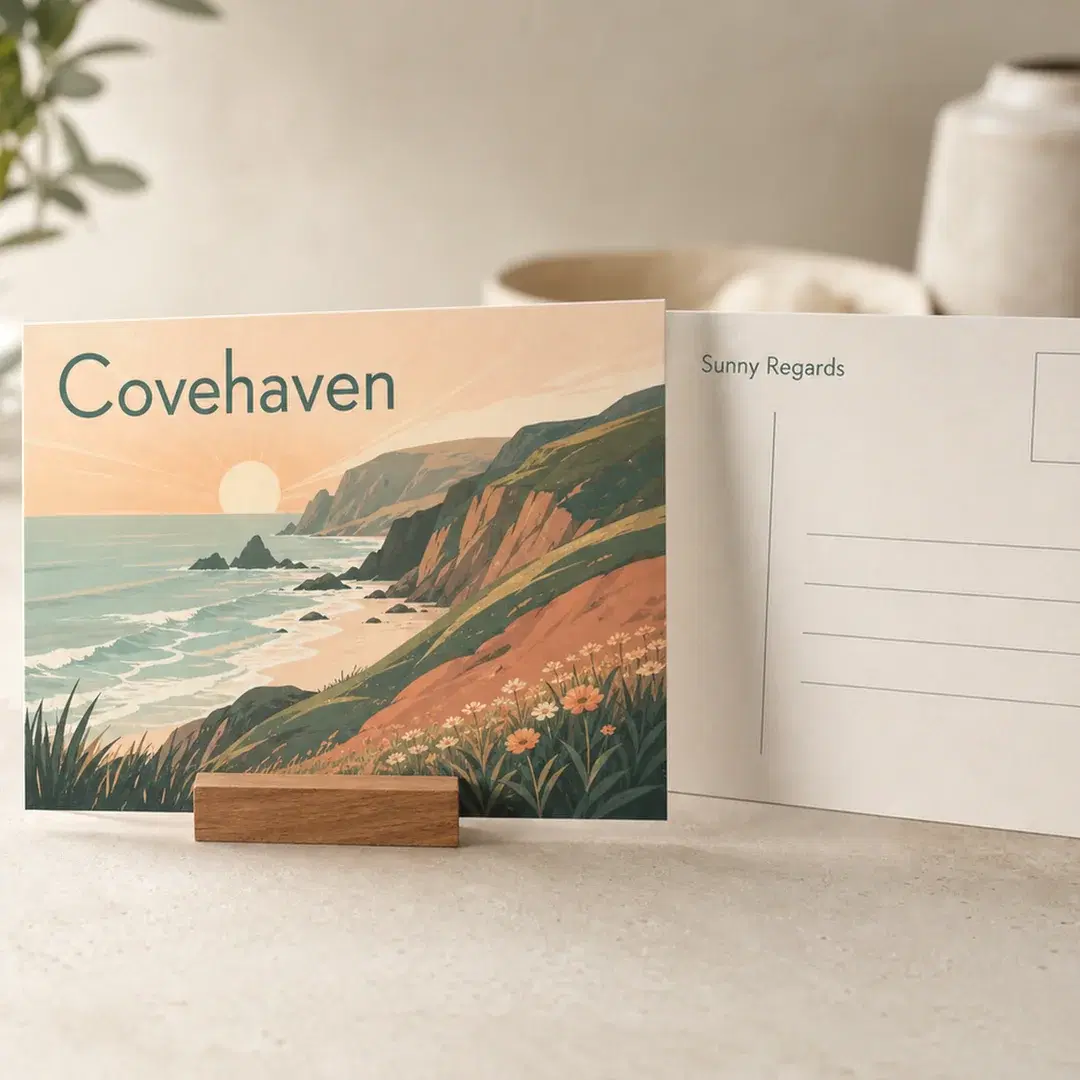
Postcards print in DL, A6 and A5, and Diecut Postcards take the same three sizes with a custom cut path that follows the artwork outline. Both use a heavier board, so the edge stays firm enough for a countertop, a shelf strip or a boxed set. Choose postcard printing for reply cards, appointment reminders, menu cards and compact announcements where the card itself is the message. Choose custom postcards when the printed piece needs a shaped contour or a display edge that a straight rectangle does not allow. The two postcard formats share stock and size logic but differ in outline, so settle the silhouette before the press run starts. If the piece will be picked up, propped against a window or handed over without an envelope, the heavier board gives it a finished edge that a sheet stock cannot match.
Saddle Stitched Formats for Multi Page Work
A4 Booklets, A5 Booklets and DL Booklets are built as saddle stitched pieces: folded sheets are stapled along the spine, so the finished booklet opens flat and the page order holds from cover to center. Page counts run from 8 printed pages up to 56 printed pages in multiples of four, which keeps the imposition workable and the spine clean. Choose booklet printing for programs, guides, catalogs, look books and training pieces that need more room than a folded sheet allows. Choose custom booklets when the page count, size and finish are matched to a multi-section document or a recurring issue. The DL format suits a compact program, A5 suits a handheld guide, and A4 gives a larger page for charts and full-page layouts.
Paper Stocks, Finishes, and Preset Sizes
Preset sizes across the range keep the artwork geometry simple: DL is 99 mm x 210 mm, A6 is 148 mm x 105 mm, A5 is 148 mm x 210 mm, A4 is 210 mm x 297 mm, and A3 is 297 mm x 420 mm. The sheet stock used for flat and folded pieces runs through 115 gsm gloss, 150 gsm gloss, 170 gsm gloss, 170 gsm matte and 250 gsm gloss, which gives a spread from light handouts to heavier folded pieces. The card options print on 350 gsm artboard or 360 gsm premium for a firmer edge. The range also carries counter cards, screenboard and printed tissue paper, so a countertop, a wrap or a shelf display can continue the same printed theme. Choose a matte surface when low glare matters and a gloss surface when saturated color should carry the piece.
Artwork, Proofs, and File Setup
Supply artwork in CMYK where possible; RGB files are converted to CMYK for press and any color-shift risk is flagged on the digital proof before production starts. Every order receives a digital proof before printing, showing the print output at exact sizing with fold lines overlaid on brochures and booklets, and die-cut paths on die-cut products. You sign off on color, layout, content, and finish before production starts, and no press run begins until you confirm the proof. Physical sample packs of common paper stocks and lamination finishes are available on request for first-time orders or large-volume tenders, so you can confirm the paper weight and surface finish before committing to the full run.
Where These Pieces Work by Trade
Event teams order flyer printing for schedules, menus and handouts that move through a crowd, while retail counters use brochure printing for folded pieces that sit upright or unfold in the hand. Studios and marketing teams order custom booklets for multi page guides, programs and catalogs where the page sequence matters. Cafes and salons use postcard printing for compact announcements, and custom postcards suit a window or shelf display as well as a reply card. A reception desk, a conference room or a sales floor can hold the same printed identity across flat sheets, folded pieces and bound booklets without changing the artwork system. Because DL, A6 and A5 repeat across flat sheets, cards and bound formats, a counter set can hold a matching size from a single campaign without changing the core layout.


