Ordering stickers in small batches feels safe – you test a design, keep cash tied up to a minimum, and move on quickly. But there comes a point in most businesses and campaigns where that per-unit cost starts to sting, and a single bulk print run pays for itself many times over. Understanding where that crossover sits is what separates a reactive sticker budget from a strategic one.
Bulk Sticker Quick Reference
- Bulk starts at: generally 250-500+ units depending on format and material
- Best formats for high volume: circle stickers, rectangle stickers, die-cut stickers, sticker sheets
- Per-unit saving: unit cost typically halves between 100 and 500 units, and halves again by 2,500
- Best use cases: product labelling, events, brand activations, retail packaging, loyalty giveaways
- Key decision factor: if you will reorder the same design within 6 months, bulk now saves money
- AU shipping: Free overnight Startrack on all Australian orders
What “bulk stickers” actually means
The term bulk stickers gets used loosely across the industry. For some suppliers it signals a minimum order quantity of 1,000 units. For others it simply means the pricing structure rewards higher quantities, with no hard floor to start ordering. In the Australian market, meaningful per-unit savings typically begin somewhere between 250 and 500 units, depending on the format and material combination you choose.
Small batch vs bulk: where the line sits
A small-batch order of 25 to 100 stickers is the right call when you are testing a design, sampling a new product line, or running a limited-edition campaign where scarcity is part of the appeal. The per-unit cost is higher, but the risk is proportionate.
Bulk territory starts when the same design needs to show up consistently across packaging, events, or marketing collateral at a predictable cost. At that scale, the arithmetic changes: setup costs are spread across more units, material waste per sticker drops, and the production run becomes more efficient from start to finish.
Who benefits most from bulk sticker pricing
The buyers who gain the most from bulk pricing in Australia tend to fall into a few clear categories. Product businesses applying labels to packaging or bottles see an immediate return once their unit volume passes a few hundred per production run. Event organisers ordering promotional stickers for conferences, festivals, or trade shows typically need hundreds to thousands of units at once. Brand managers running campaigns, loyalty programs, or retail activations also find that bulk print economics underpin their cost-per-contact calculations from the outset.
How volume changes the per-unit cost
Sticker pricing in Australia is not linear. The per-unit rate does not drop by a fixed percentage for every 100 units added. Instead, the cost curve is steep early and flattens progressively – meaning the biggest savings relative to a base order come in that first jump from 50-100 units up to 250-500.
The pricing curve explained
Most of the per-unit cost in a sticker run comes from two sources: the upfront setup (artwork preparation, machine calibration, cutting die if applicable) and the materials and machine time per unit. Setup costs are essentially fixed regardless of whether you print 50 or 5,000 stickers. When those costs are spread across more units, each sticker carries a smaller share of that overhead, and the per-unit rate falls accordingly.
Beyond setup, materials and cutting time are the main variable costs. At higher volumes, material is often purchased in larger rolls or sheets that carry a lower input cost, and continuous production runs reduce changeover time per unit. Both effects compound as volume climbs.
When repeat orders change the calculation
If you expect to reorder the same design within the next six months, it is worth modelling the cost of one larger bulk run against two smaller ones. Repeat setup fees on small orders can add up quickly. A single bulk run – even if it means holding a few months of stock – often comes out ahead on total cost, particularly for product labels or branded stationery stickers used in ongoing packaging.
Choose the right sticker format for your bulk run
Not all sticker formats carry the same per-unit economics at volume. The shape and cutting method affect both production speed and material yield, which flows directly into your unit cost.
Die-cut stickers at scale
Die-cut stickers are cut precisely to the outline of your design rather than to a standard shape. That precision makes them premium in feel and ideal for brand activations, packaging inserts, and anywhere the sticker itself is part of the brand presentation. At bulk quantities, the cost of the cutting setup is amortised across the run, making die-cut stickers genuinely competitive with standard shapes at higher volumes. For orders above 500 units, the per-unit gap between die-cut and circle narrows considerably.
Sticker sheets for variety and value packs
Sticker sheets print multiple designs or sizes on a single sheet, making them ideal for brands that need variety within a run. Rather than ordering 500 units of a single design, a sticker sheet allows you to deliver 500 sheets each containing 6-12 different designs, giving customers or recipients far more perceived value per unit. This format works particularly well for retail packaging inserts, gift boxes, and promotional kits where variety is part of the offering.
Circle and rectangle stickers: the volume workhorses
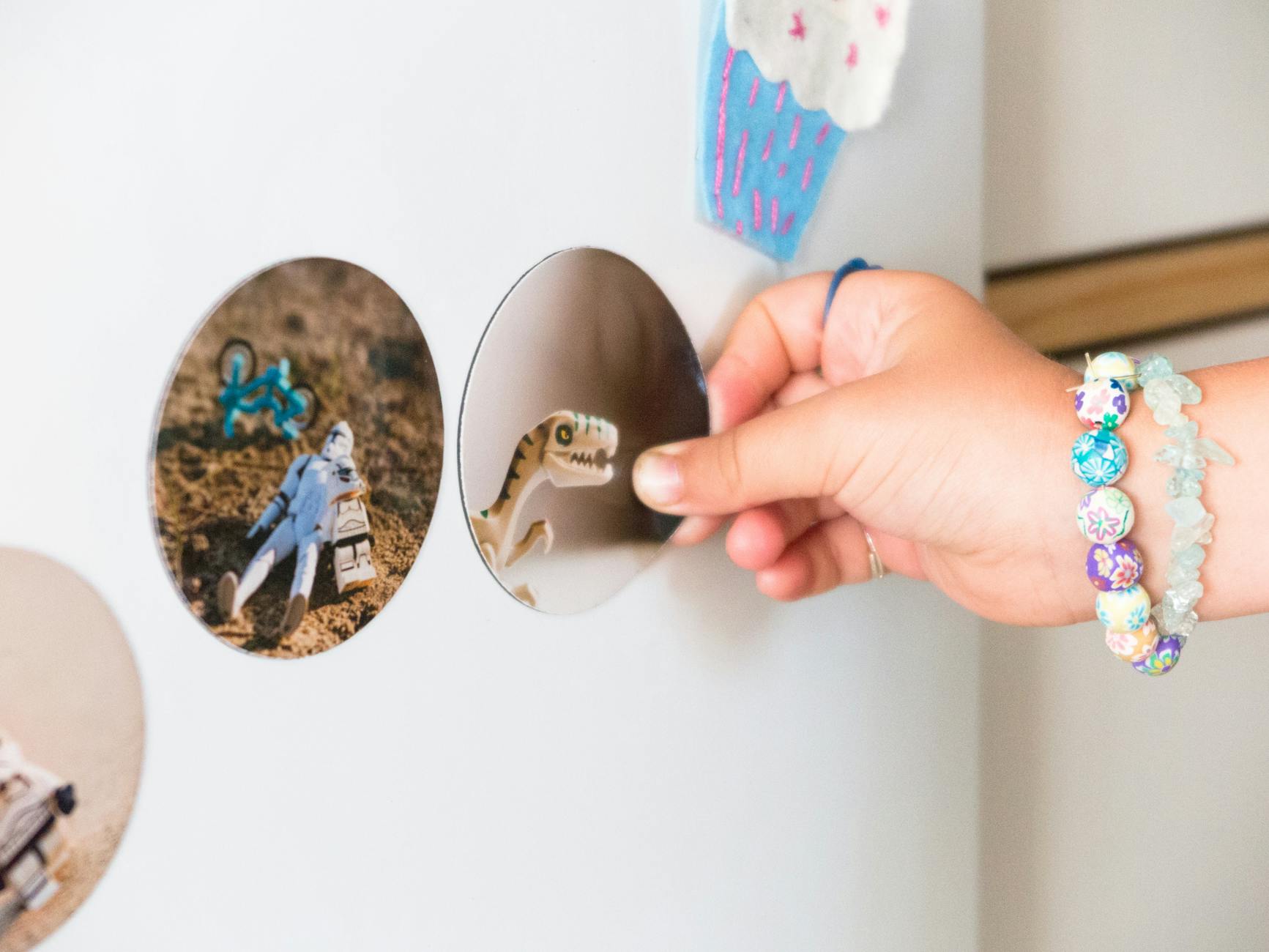
Circle stickers and rectangle stickers are the most cost-efficient shapes to produce at volume because the cutting path is simple, predictable, and fast. For product labels, jar lids, packaging seals, and anything where the shape is functional rather than decorative, these two formats deliver the best per-unit economics across the volume curve. If budget is a primary constraint on a large campaign order, circle or rectangle is where to start the conversation.
Material and finish options for bulk orders
The base material and surface finish affect durability, cost, and appearance – three things that matter differently depending on how and where your stickers will be used.
Vinyl vs paper-based bulk stickers
Vinyl stickers are the right call when durability is non-negotiable. They resist moisture, UV exposure, and general wear, making them suitable for product labels on bottles, outdoor signage, and anything that will be handled repeatedly. Vinyl comes at a slightly higher per-unit cost than paper-based options, but the durability premium is worth it when a peeling or fading sticker reflects on your product or brand.
Paper-based stickers cost less per unit and are a solid choice for short-life applications: event handouts, promotional giveaways, inside packaging, or anywhere the sticker will not be exposed to moisture or prolonged handling. For bulk orders where cost-per-unit is the primary driver and durability is less critical, paper-based stock keeps the budget in check.
Matte, gloss, and specialty finishes at volume
Most bulk sticker runs use either a gloss laminate (bright, colour-saturated, slightly reflective) or a matte laminate (soft, premium feel, fingerprint-resistant). Both are available on standard bulk orders with no meaningful per-unit penalty at volume.
Specialty finishes – such as Spot UV or foil accents – are available but carry a higher per-unit cost and longer lead times compared to standard laminates. If you need a premium finish on a tight budget, consider using a standard matte or gloss laminate and letting the design carry the premium feel, rather than paying for a finish upgrade across a large run.
Planning a bulk sticker order
Getting a bulk order right from the start saves time and money on the back end. A few practical steps at the planning stage prevent costly reprints and delays.
File setup for large runs
Bulk sticker orders are unforgiving of file issues at standard quality. Supply artwork at 300 DPI minimum in CMYK colour mode – RGB files will be converted on press and colours may shift. For die-cut stickers, include a clearly defined cut path on a separate layer, with at least 2mm bleed beyond your visible design edge and a 2mm safe zone inside the cut line for any critical design elements or text.
If your design includes multiple sizes or variants within the same run, confirm with your printer how variants should be supplied – typically as separate artboards in a single PDF, clearly labelled.
Lead times and turnaround at volume
Standard bulk sticker orders in Australia typically have a production lead time of 2-5 business days depending on format, finish, and order volume. Specialty finishes such as Spot UV or foil add production time. Factor in delivery time on top of production – free overnight Startrack delivery applies to all Australian orders from Paperlust Print Shop, so once your order dispatches it arrives the next business day in most metro areas.
For campaigns with a hard deadline – a product launch, event date, or retail floor date – build in a buffer of at least two to three business days beyond your estimated production time to account for any artwork revisions or file queries.
Common bulk sticker use cases in Australia
Product packaging and retail labelling
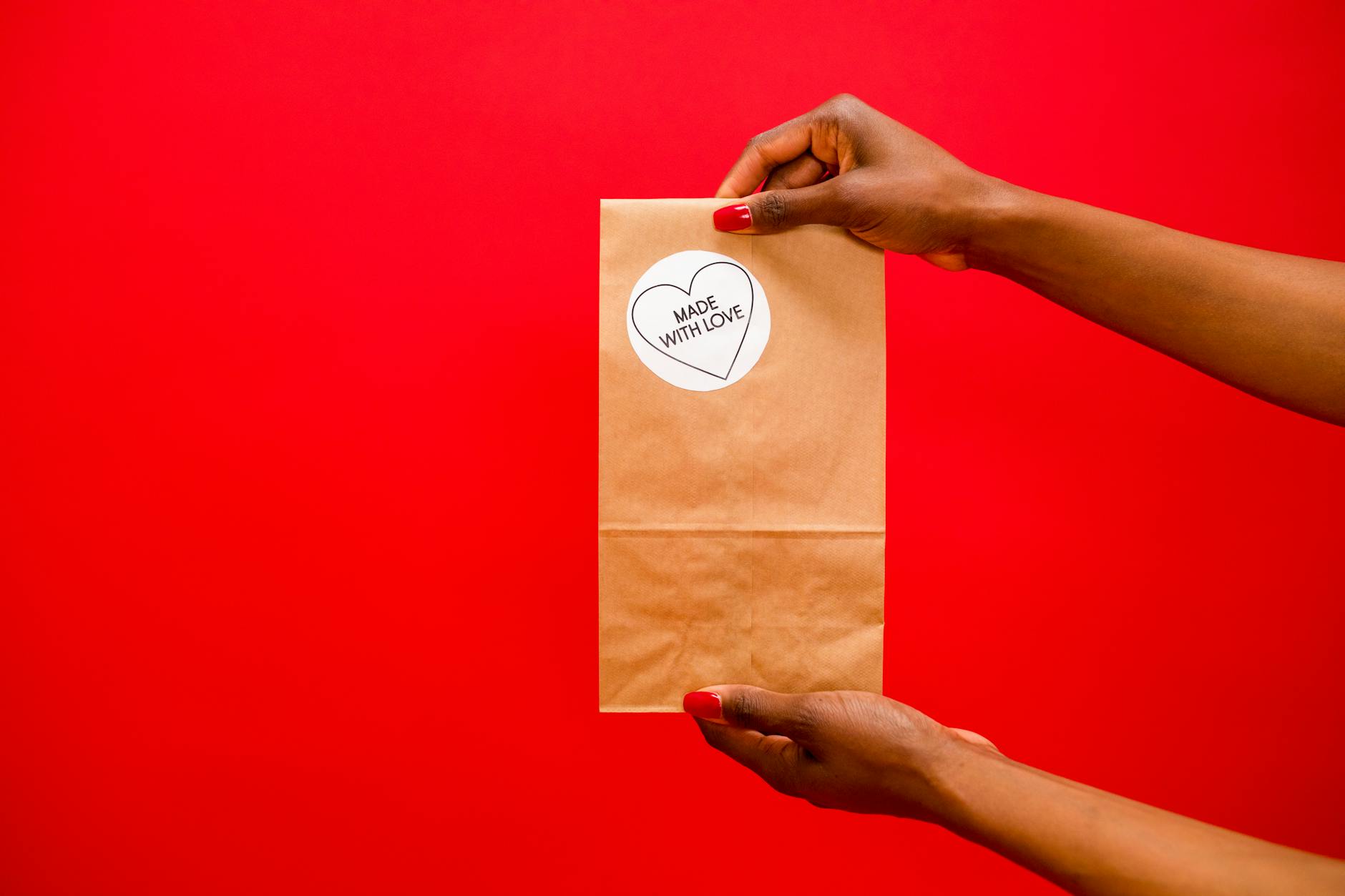
Product businesses ordering stickers for bottle labels, jar lids, packaging seals, or box closures are among the highest-frequency repeat buyers of bulk stickers in Australia. At quantities above 500 units per run, the per-unit economics of die-cut or rectangle labels make in-house sticker application genuinely cost-competitive with pre-printed packaging for many small to medium product runs.
Events and brand activations
Trade shows, festivals, corporate events, and product launches all create a natural demand spike for bulk stickers. Branded giveaway stickers at an event need to be cheap enough per unit to hand out freely, but good enough in finish and print quality to actually represent the brand. Bulk gloss or matte vinyl stickers hit both requirements – low cost per unit at volume, professional finish, and durable enough to survive in a bag or pocket until they find a wall, laptop, or water bottle.
Promotional campaigns and loyalty programs
Retailers, hospitality businesses, and subscription brands increasingly use bulk custom stickers as a tactile touchpoint within packaging or loyalty kits. A well-designed sticker inside an order – especially one that earns a spot on a laptop or notebook – extends brand visibility far beyond the original transaction. At bulk quantities, the cost per impression can be lower than almost any other physical marketing format.
Frequently Asked Questions
What quantity counts as a bulk sticker order in Australia?
Most Australian sticker suppliers begin applying meaningful per-unit discounts at 250-500 units. Below that range, pricing is generally flat or only marginally better than small-batch rates. At 500+ units, the per-unit cost typically reflects a significant saving compared to orders of 25-50 units.
Is it cheaper to order die-cut stickers in bulk vs circle stickers?
Circle and rectangle stickers are generally the most cost-efficient shapes because the cutting path is simple. Die-cut stickers carry a small per-unit premium due to the custom cut path, but at volumes above 500 units the difference narrows considerably. If your design benefits from a custom shape – logos, product silhouettes, custom outlines – the premium is worth it at scale.
What file format should I supply for a bulk sticker run?
Supply a 300 DPI PDF in CMYK colour mode. For die-cut stickers, include a clearly labelled cut path on a separate layer. Ensure 2mm bleed beyond the design edge and keep critical design elements 2mm inside the cut line.
Can I mix different designs in a single bulk sticker order?
Yes. Sticker sheets allow multiple designs or sizes per sheet, making them ideal for variety runs. For individual die-cut or shape stickers, some printers allow design variants within the same run – confirm with your supplier whether variants share a single setup fee or carry separate setup charges.
How long does bulk sticker printing take in Australia?
Standard bulk orders typically take 2-5 business days in production, depending on format and finish. Specialty finishes such as Spot UV or foil take longer. All Paperlust Print Shop orders are dispatched with free overnight Startrack delivery within Australia.
Paperlust Print Shop is a Melbourne-based commercial print studio producing custom stickers, business cards, signage, labels, and marketing materials for Australian businesses. Founded in Melbourne in 2014, Paperlust has built a reputation for high-quality print with fast turnaround and free overnight Startrack delivery on all Australian orders. Every order comes with a 100% happiness guarantee – if you are not satisfied, we reprint or refund.