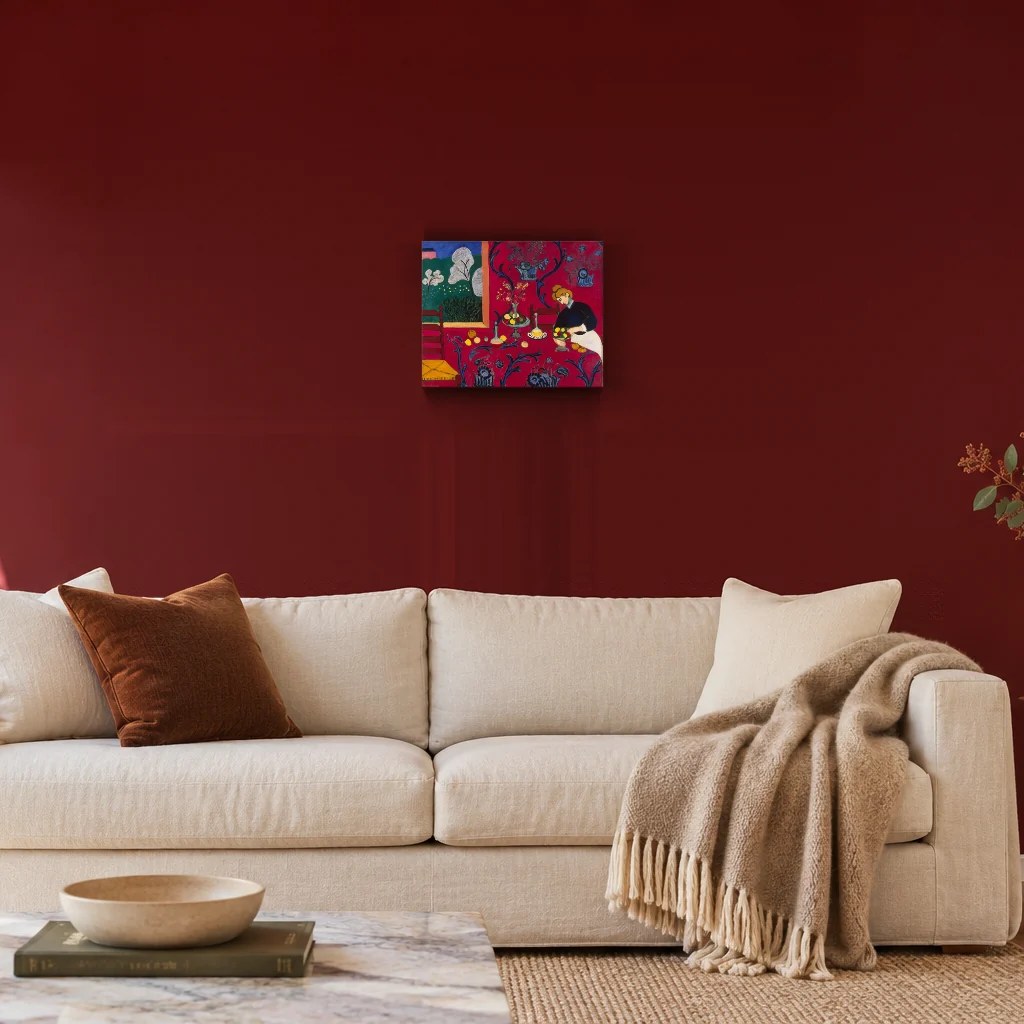
You find a print you like, then notice the identical painting is missing from our American site. Nothing about the picture altered. Public domain art rules did, because Australia and the United States count copyright in quite different ways, and where a piece sits depends on which of our sites you are buying from.
What follows covers what public domain means, how Australia reaches its answers, how the American market reaches different ones, why Henri Matisse divides the two, where the image files behind our prints come from, and how to read a credit line before you spend anything.
The short version
- Public domain describes copyright that has ended or never existed, and from then on nobody’s consent is needed to reproduce the work.
- Australia gives published artistic work 70 years from the maker’s death, finishing at the close of a calendar year.
- Where the maker died before 1 January 1955, Australian copyright in the published work has already gone, and the 2005 extension did not restore it.
- The United States measures older works from publication: 95 years, so anything issued in 1930 or earlier is beyond copyright there.
- Matisse, who died in 1954, has no copyright left on his published output here, though American protection can still apply to work he first published after 1930.
- Each credit line opens with Image: and either identifies the institution keeping the original or carries the words public domain.
What public domain art means in practice
Copyright is a temporary monopoly, and the public domain is what remains once it ends. A work arrives there when its copyright has expired, or when copyright never applied to it at all. After that, reproducing it asks nothing of anyone: there is no estate to approach and no licence to purchase. The label describes a legal position, not a genre, a movement or a mark of quality.
Hold that next to our wall art range and the same catalogue sold to a buyer in America. Museum Collection pieces begin as image files, and it is the expiry of copyright in the artwork that allows the print to be made. Countries set their own terms, though, so a single painting can be clear in one market and protected in another. Nothing about the canvas changed at the border. Only the rule did.
How Australia counts the 70 years
For a published artistic work, Australian copyright generally lasts for 70 years after the maker’s death. The count finishes at the close of the calendar year rather than on an anniversary, which is why a group of works tends to change status together each New Year instead of one by one through the months.
The older local rule carries just as much weight. Before 2005 the Australian term was 50 years after death, and when it was stretched to 70, anything that had already fallen away stayed away. That gives buyers a practical line: where the maker died before 1 January 1955, the published work sits outside Australian copyright, and it has stayed there since.
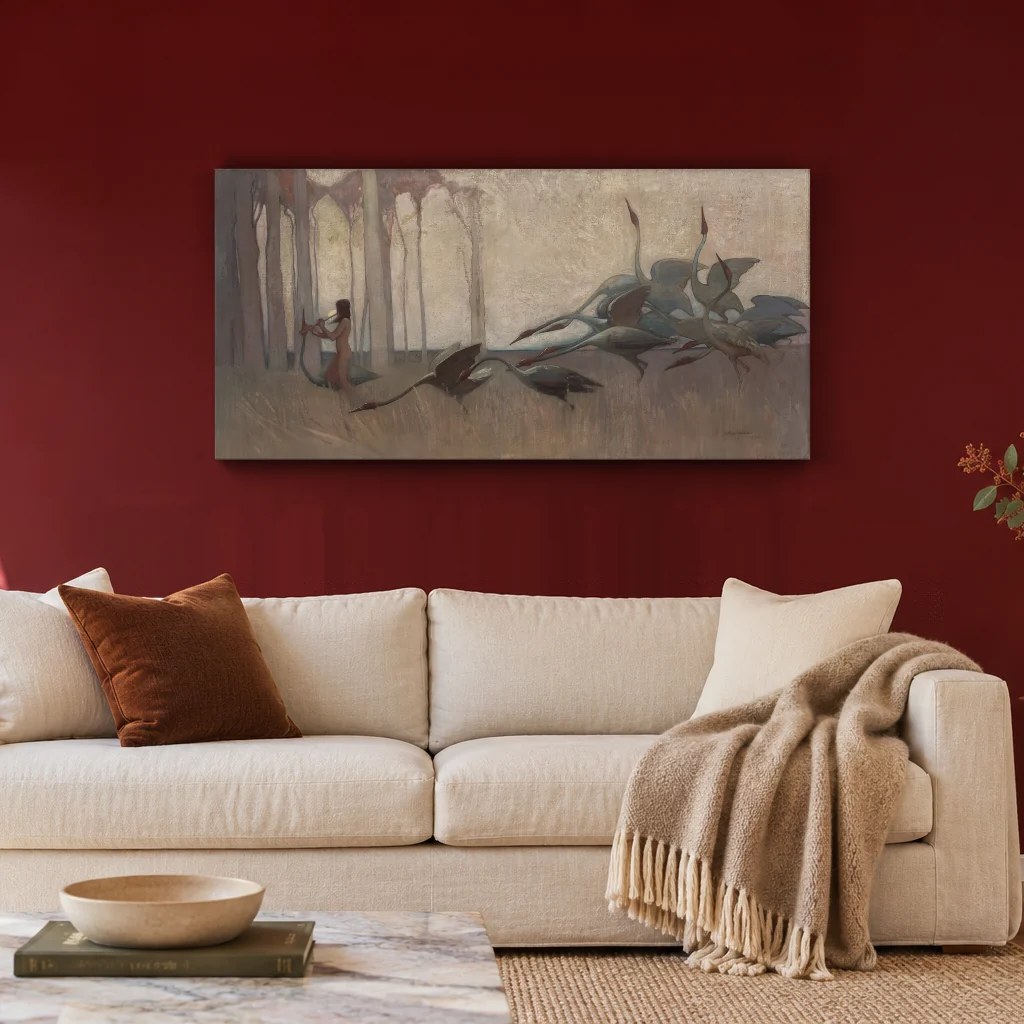
Sydney Long, who painted The Spirit of the Plains, died in 1955, so his published work crossed out of Australian protection at the start of 2026. The Australian Masters set is where our Heidelberg School pictures sit.
Why the United States counts from publication
American rules for older material start the clock at publication instead of death. Where a work printed before 1978 kept its protection, the term stretches 95 years from that date. So 1 January 2026 saw everything published in 1930 reach the end of its term, leaving works issued in 1930 or earlier beyond copyright in the United States.
Two clocks, two starting points. Australia watches for a death and adds seven decades. America watches a publication date and adds 95 years where a work kept its rights. The upshot is a single painting that can be reproduced in one country while it stays controlled in the other.
Why Matisse divides the two markets
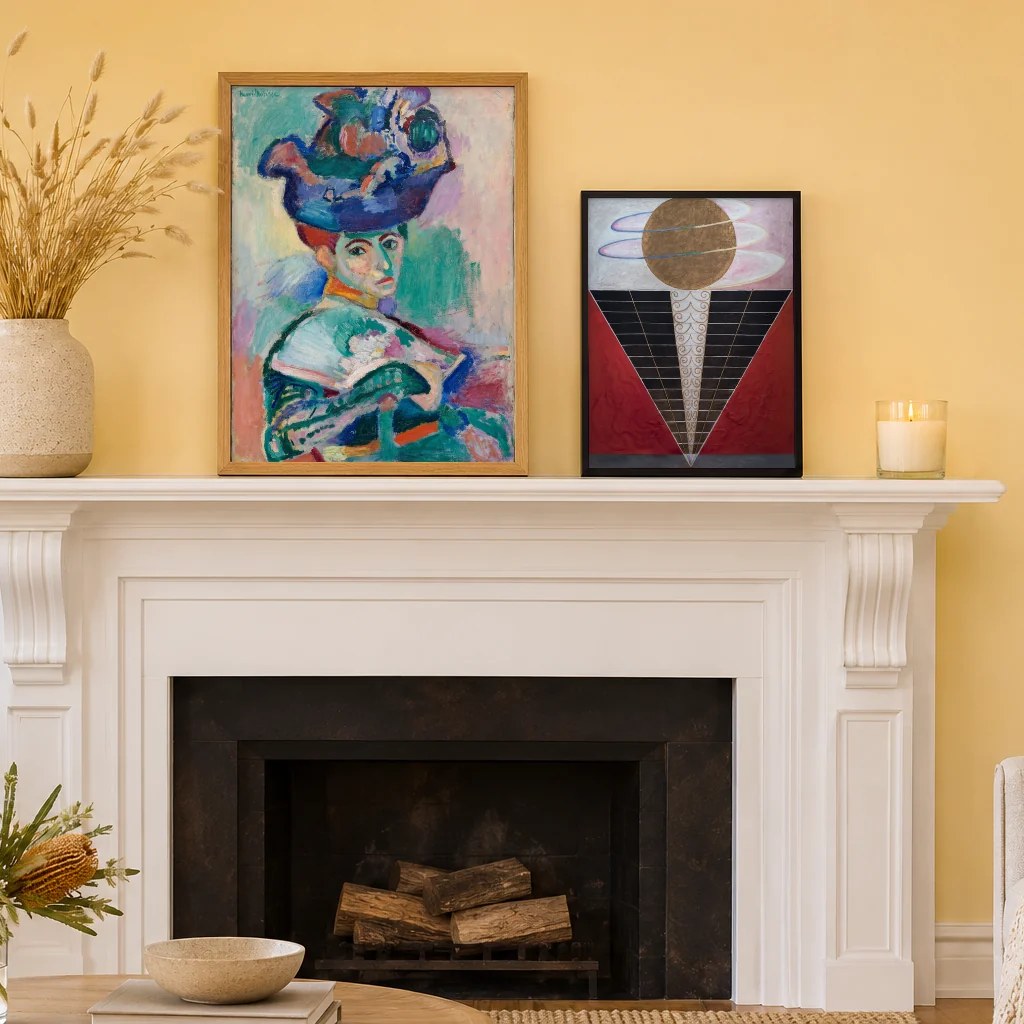
Henri Matisse died in 1954, which places his published output inside the Australian rule set out above. Across the Pacific, protection may still be running on the same picture, because anything first published after 1930 can remain within those 95 years. A painting is not always published in the year it was made, and the American term counts from publication.
Where our rights records cannot confirm a piece’s standing in the United States, it stays on the Australian site only, which is why the Matisse pictures are sold here and not there. His Woman with a Hat, painted in 1905, sits in that group, and the original is held by the San Francisco Museum of Modern Art. The Matisse and Kandinsky prints in our modern masters strand stand or fall by that same test.
How a scan becomes a print
Each Museum Collection picture begins as an image file released by a museum, a library or a public image archive. Every file carries a credit line beginning with “Image:”, naming the collection that holds the original where our records allow, and reading public domain where they do not. We clear dust, marks and colour drift from the scan. Nothing gets repainted, so what prints is the file tidied rather than a restoration.
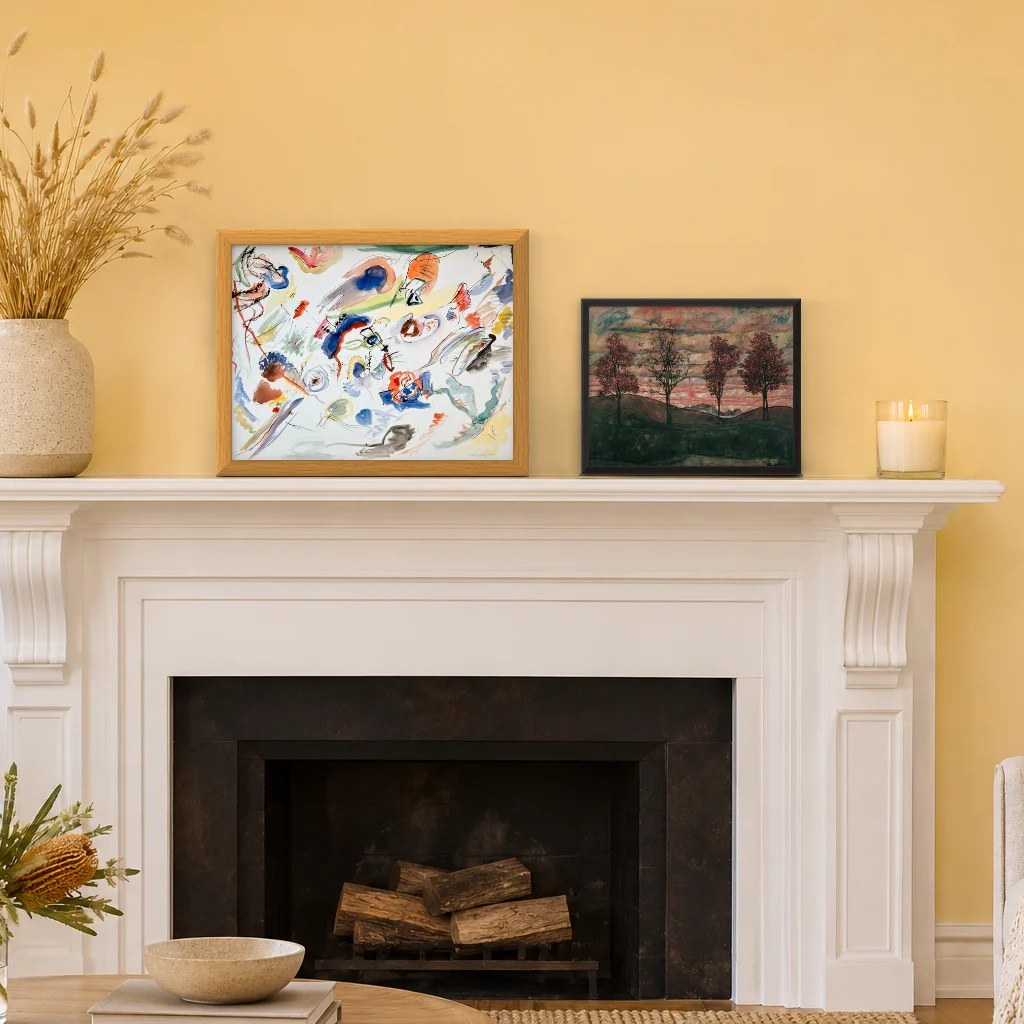
No institution endorses these prints, none supplies them, and none has a hand in the range. The exhibition poster layout is our own work: the picture on paper with the artist’s name, title, year and dates set in our type, in a Gallery version on a paper ground or a Colour version that borrows a colour from the picture. Our impressionist art prints follow the same route from file to paper, and everything in the range is printed in Australia.
How to check a print before you buy it
A credit line is a short piece of text, and it carries most of what you need. Read it before you decide, and keep the country you are buying in beside you while you do, since Australia and the United States can answer the same question differently.
- The artist’s dates, which tell you when the Australian count began.
- The year of the work as the page gives it.
- The credit line itself, including any collection named, or the words public domain where no collection appears.
- The country you are buying in, since the two systems can disagree about the same picture.
Treat all of this as general information, not legal advice. Photographs are treated separately, as are works produced by or for a government, pieces never published, and works with no known author. A print’s standing can turn on details no credit line records. Where a picture matters beyond your own wall, ask someone qualified in the country where you mean to use it. Reading the credit takes less time than choosing the frame, and it is the part of the page that says what you are actually buying.
Frequently asked questions
What does public domain art mean?
It describes work whose copyright has ended, or work that copyright never covered, which means it can be copied without a rights holder’s consent. Nothing about the picture alters. A painting whose copyright has lapsed is still the same painting, and the museum holding the original still holds it. The phrase names a legal status, not a standard of quality.
When does copyright end in Australia for a painting?
For published artistic work, the Australian term generally covers 70 years from the maker’s death, and it stops at the close of the calendar year rather than on an anniversary. Where the maker died before 1 January 1955, the published work sits outside copyright here, because the former 50 year term had already lapsed and the 2005 extension did not bring it back.
Why is a painting public domain in Australia but not in the United States?
Each country counts from a different event. Australia adds 70 years to the maker’s death, while the American term runs 95 years from publication for older works that kept their protection, so anything issued in 1930 or earlier is clear there. One painting can be outside copyright in one market and protected in the other at the same moment.
Is Matisse in the public domain?
Henri Matisse died in 1954, so his published work no longer carries copyright in Australia. In the United States the term can still be running on anything first published after 1930, and the year of painting is not necessarily the year of first publication. Our Matisse prints are offered on the Australian site only.
What does the museum named in a credit line tell you?
The credit line identifies which collection holds the original where our records allow one to be named, and otherwise it carries the words public domain instead. Those institutions have no hand in the range, they neither supply nor approve the prints, and every piece sold is a print rather than an original.
Is this legal advice?
No. This post sets out general information about how copyright terms work in Australia and the United States. Photographs follow their own rules, as do government works, unpublished pieces and works with no known author, and a single case can rest on details a summary cannot carry. If a particular use matters to you, take advice from someone qualified where you plan to use it.