Whether you’re organising a three-day conference, managing a multi-level venue, or running a large outdoor festival, one challenge shows up every time: people get lost. Clear wayfinding signage fixes that. It guides guests from the car park to registration, directs attendees from the foyer to the right seminar room, and keeps foot traffic moving without anyone needing to stop and ask for directions. This guide covers the four core sign types that make up a complete wayfinding system, how to choose the right substrate for each application, and the planning steps that keep everything consistent from the first printed arrow to the main entrance panel.
- Four sign types form any complete system: identification, directional, informational, and regulatory.
- Substrate by use case: acrylic for permanent/reception, corflute for temporary/outdoor events, foam-PVC for polished indoor wayfinding.
- Place signs at every decision point (entrances, intersections, stairways) before filling in mid-route confirmations.
- Legibility starts at contrast and type size: dark text on light backgrounds, minimum 25mm cap height per 5m viewing distance.
- Accessibility in Australia references AS 1428 for tactile indicators and colour contrast, particularly in permanent venues and public buildings.
- A consistent design system (same typeface, colour palette, arrow style) across all sign types makes the system feel planned, not patched together.
What Is Wayfinding Signage?
Wayfinding is the process of navigating from one place to another using environmental cues. Wayfinding signage is the printed and mounted component of that system: panels, arrows, maps, and labels that communicate location, direction, and rules to people unfamiliar with a space.
A complete system typically uses four sign types, each serving a distinct function. Understanding the role of each type is the first step in planning a sign suite that actually works.
Identification Signs
Identification signs name a space so people know they have arrived. Examples include room name plaques (“Conference Room A”), area labels (“Registration”), amenity signs (“Toilets”), and building entry panels. These signs answer the question “What is this place?” They are typically mounted at or near the entrance to a space, at eye level and perpendicular to the approach path so they are readable from a distance.
Directional Signs
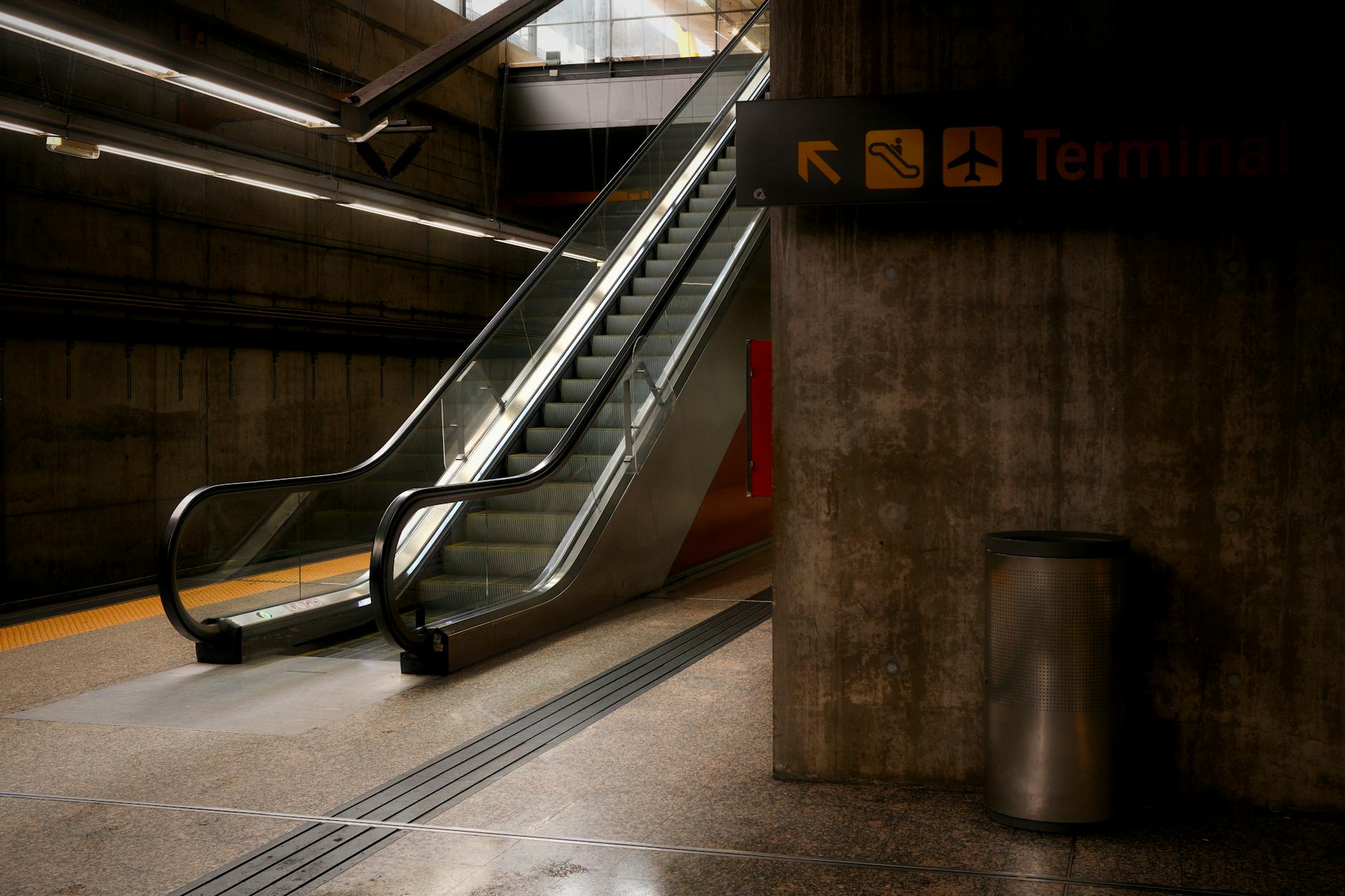
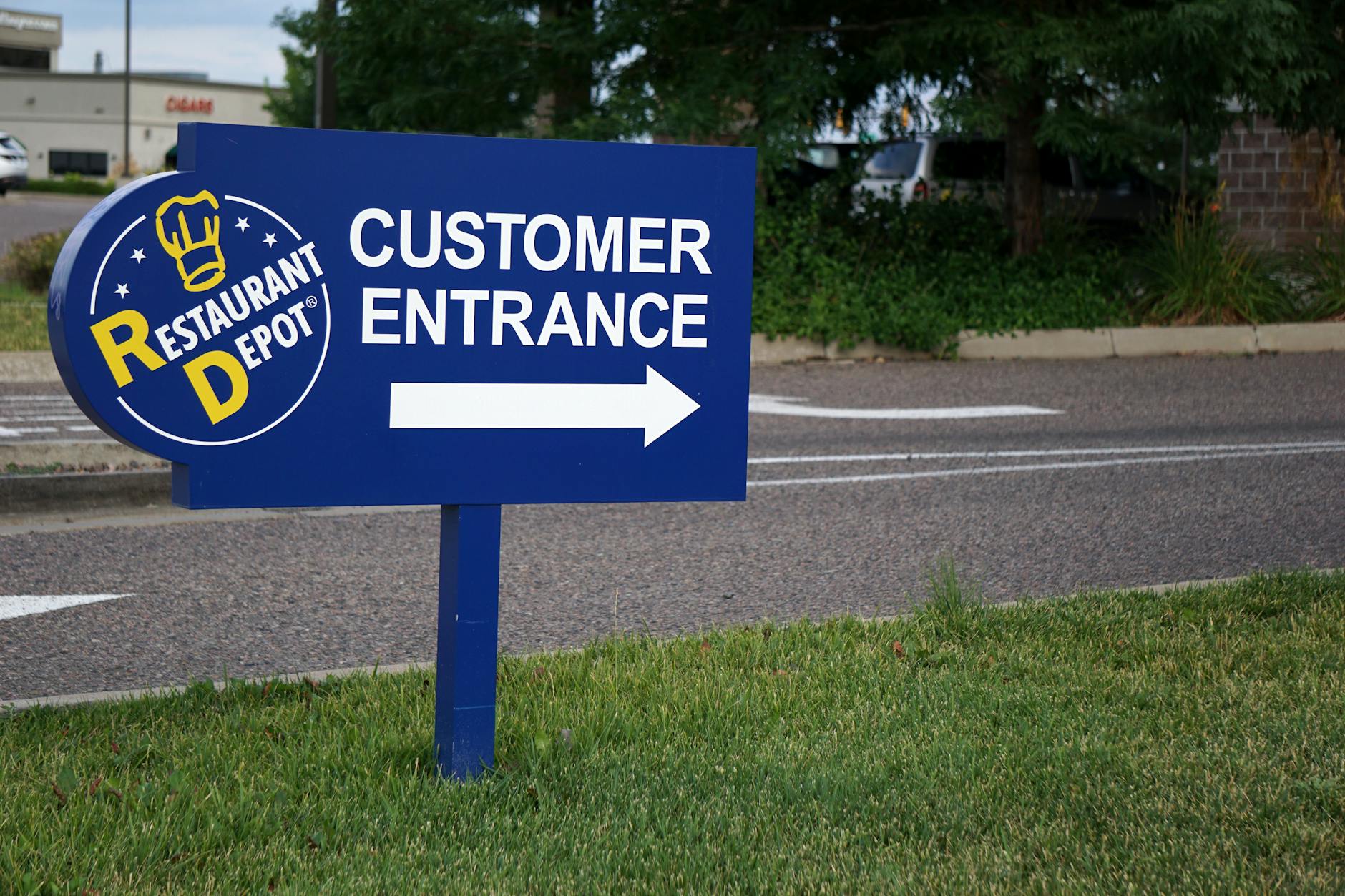
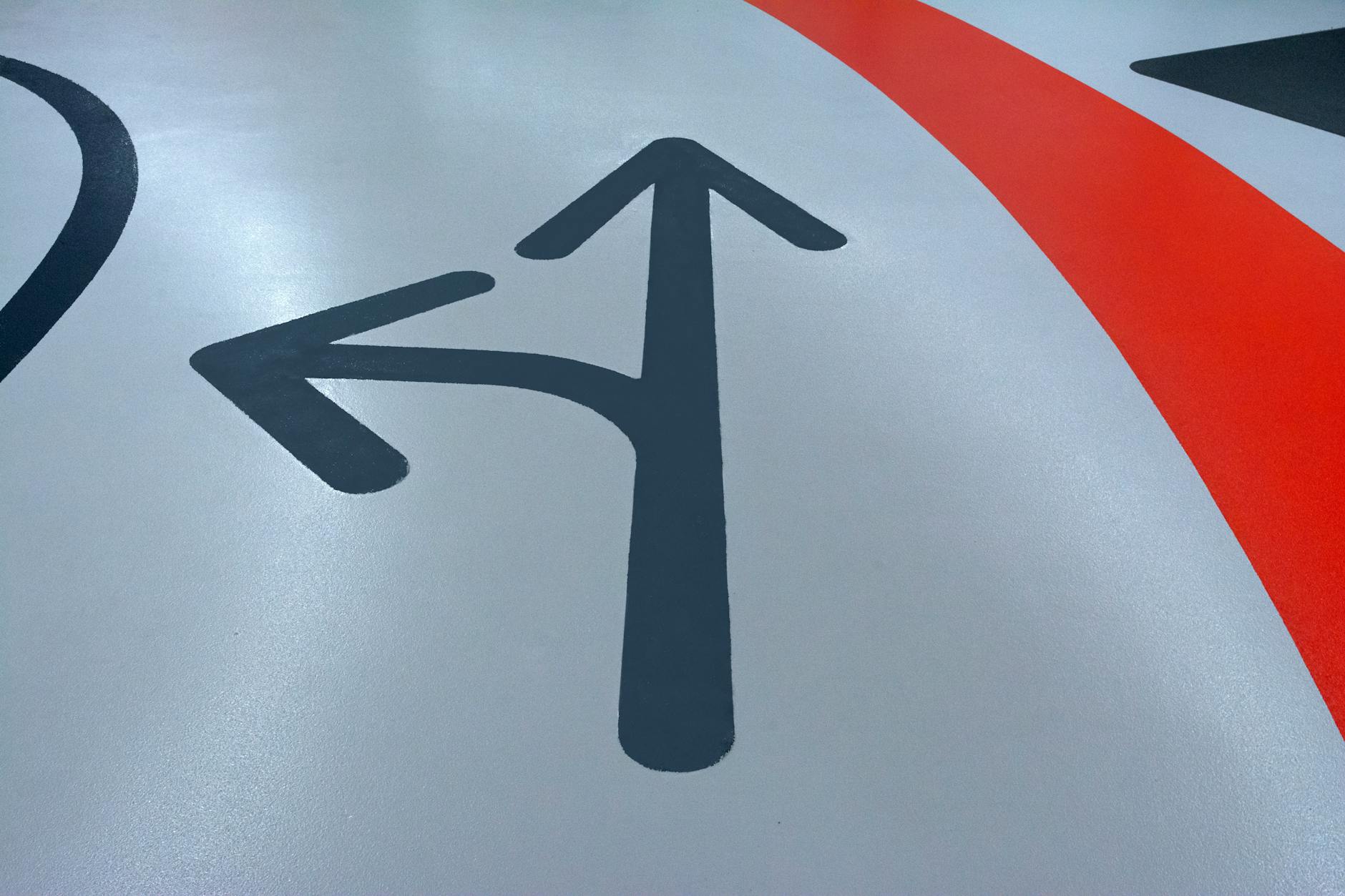
Directional signs guide people toward a destination. They appear at intersections, forks in a corridor, car park entries, and any point where a person must choose a route. An arrow paired with a label (“Car Park B” with a right-facing arrow) is the most common format. Directional signs answer the question “Which way do I go?” They are the most critical sign type in a large venue or event because a single missing directional sign creates a bottleneck of confused visitors.
Informational Signs
Informational signs provide context, schedules, maps, and instructions. Examples include event programmes mounted at the entrance, floor maps near lifts, and session timetables outside seminar rooms. These signs answer the question “What do I need to know?” They tend to carry more text and detail than directional signs and are best positioned in areas where people naturally pause, such as reception desks, lift lobbies, and check-in queues.
Regulatory Signs
Regulatory signs communicate rules, safety information, and compliance requirements. Fire exit markers, “No Entry” signs, capacity limits, and safety procedure notices all fall into this category. In most Australian venues, certain regulatory signs (exit signs, fire equipment locations) are governed by the Building Code of Australia and must conform to specific dimensions and colours regardless of your brand guidelines. These signs answer the question “What are the rules here?” and are non-negotiable for venue compliance.

Choosing the Right Substrate for Each Application
The substrate (the material the sign is printed on and mounted from) determines how the sign looks, how long it lasts, and how it installs. Getting this right saves money, avoids last-minute reprints, and means your directional signs still look professional on day three of a four-day expo.
For permanent outdoor wayfinding at car parks, campuses and civic sites, bollard signs mount at eye level along walkways and entries.
| Substrate | Best For | Durability | Typical Use |
|---|---|---|---|
| Acrylic panels | Permanent indoor, reception, lobby | Years (indoor) | Corporate, hospitality, healthcare |
| Corflute | Temporary outdoor events, festivals | Weeks to months | Markets, fun runs, outdoor expos |
| Foam-PVC | Polished indoor, reusable panels | 2-5 years (indoor) | Conferences, trade shows, expos |
| Corflute A-frames | Freestanding directional, outdoor entries | Reusable frame, seasonal inserts | Retail entries, event entrances, car parks |
Acrylic Reception Panel Signs
Cast acrylic panels are the right choice when the sign needs to feel permanent and architectural. They suit corporate reception desks, medical practice entries, hospitality venues, retail locations, and educational institutions. At Paperlust Print Shop, acrylic reception panel signs are available in clear, black, white, matte, mirror, and frosted finishes in A1 and A2 sizes, with custom dimensions available on request. The 3mm cast acrylic delivers optical clarity and a clean edge profile. Panels mount on standoff fixings that hold the panel away from the wall, creating the floating effect common in hotel lobbies and corporate corridors. Production is typically completed within 24-48 hours, so a last-minute venue refresh is achievable.
For wayfinding applications, acrylic panels work best as identification signs at key destination points: the name panel outside a conference room, the area label above a reception counter, the room guide on a corridor wall. They are not suited to temporary event setups because the installation hardware (standoffs, wall anchors) is designed for fixed surfaces.
Corflute Signs for Temporary and Outdoor Wayfinding
Corflute is fluted polypropylene: the same structural principle as corrugated cardboard, executed in weather-resistant plastic. It is the standard substrate for temporary outdoor directional signage across Australia. Festivals, community markets, fun runs, agricultural shows, real estate open homes, and election campaigns all rely on corflute because it is lightweight, cheap, and fast to deploy. The 3mm thickness handles standard event use; 5mm is better for larger formats or sites exposed to wind.
At Paperlust Print Shop, corflute signs Melbourne are available in A3, A2, A1 and 600 x 900mm formats, with full-colour print, eyelets for fence hanging, and H-stake options for ground mounting. Prices start from $12.04 inc. GST, with production in 24 hours on the 600 x 900mm board and 2-3 business days on the other sizes. If you need dozens of directional arrows spread across a festival site or along a running route, corflute is the correct choice. It is also recyclable, which matters for events with sustainability commitments.
Foam-PVC for Indoor and Reusable Wayfinding
Foam-PVC (also called PVC foam board or forex board) sits between corflute and acrylic on the quality and price scale. It has a smooth, consistent surface that takes print sharply, clean cut edges with no visible fluting, and enough rigidity to stand or hang without flexing. It looks professional in close-up viewing at conferences and trade shows, and it is durable enough to store and reuse across multiple events. Where corflute reads as temporary, foam-PVC reads as considered. It suits conference venue room labels, exhibition hall directional panels, floor maps, and any indoor wayfinding application where appearance matters but a permanent acrylic installation is not justified.
Planning a Wayfinding System: Five Steps
A sign sitting in the wrong place is useless regardless of how well it is printed. Planning a wayfinding system before ordering means every sign earns its position in the budget.
Step 1: Map Every Decision Point
Walk or sketch the route a first-time visitor takes from the nearest car park or public transport stop to every primary destination in your venue or event. Mark every point where that person must choose between two or more routes: the car park exit, the building entrance, a corridor fork, a stairwell, a lift lobby. These are your mandatory sign locations. A sign at every decision point is the minimum viable system. Signs between decision points are confirmations that reassure people they are on the right track. Plan decision-point signs first.
Step 2: Define Your Sign Types by Zone
Not every zone needs all four sign types. A temporary outdoor event may need only directional corflute arrows and a corflute A-frame at the entrance. A multi-level convention centre needs identification signs on every room, directional signs at every lift and corridor junction, informational maps near the main entrance, and regulatory signs at fire exits and stairwells. Define the sign types required in each zone before specifying substrates or quantities, or you risk ordering 50 corflute directionals and forgetting the room identification panels entirely.
Step 3: Choose Your Substrates by Application
Use the substrate guide above as your starting matrix: acrylic for permanent identification, corflute for temporary outdoor directionals, foam-PVC for reusable indoor panels. A mixed-substrate system is normal. A corporate conference might use acrylic panels for permanent room identification, foam-PVC directional arrows inside, and corflute signs in the car park. Each substrate is doing the job it is best suited for.
Step 4: Build a Consistent Visual System
A wayfinding system that uses three different typefaces, two different arrow styles, and four different colour palettes across its sign types looks unplanned. Consistency across all signs makes the system feel authoritative and trustworthy. Define your typeface (a single legible sans-serif), your primary and secondary colours, your arrow style, and your hierarchy of text sizes before producing any artwork. Every sign in the system should share these elements so a visitor who follows the car park corflute arrows into the venue immediately recognises the conference room acrylic panels as part of the same system.
Step 5: Test Legibility Before Print
Legibility is the most common failure point in wayfinding signage. A general rule: for every 5 metres of intended reading distance, cap height should be at least 25mm. A sign read from 10 metres needs 50mm cap height as a minimum. Dark text on a light background outperforms light text on a dark background in most venue lighting conditions. Test a proof at the intended reading distance and in the actual lighting environment before approving the full print run, especially for large-format corflute panels that will be read from moving vehicles or across a festival site.
Accessibility Considerations for Permanent Wayfinding
For permanent installations in public buildings, shopping centres, hospitals, and any venue that serves the general public, accessibility standards apply to wayfinding signage in Australia. The AS 1428 series (Design for Access and Mobility) is the primary reference, covering tactile ground surface indicators, colour contrast requirements, and Braille and tactile signage specifications for certain sign categories. AS 1428.4.2 specifically addresses wayfinding requirements.
It is important to note that the specific requirements vary by building classification, occupancy type, and whether a building is new construction or an existing facility being refurbished. Always verify current requirements against the relevant building standard and, for complex venues, consult a qualified access consultant before finalising your permanent wayfinding design. The guidance here is an overview only and not a substitute for professional compliance advice.
For temporary event signage, accessibility obligations are typically focused on clear pathways for mobility device users and readable contrast rather than the full suite of tactile requirements that apply to permanent public buildings. Even so, high-contrast signage and consistent sign heights make events more navigable for everyone.
Event vs. Permanent Venue Applications
The planning approach differs depending on whether you are setting up temporary event signage or fitting out a venue for long-term use.
Temporary Event Wayfinding
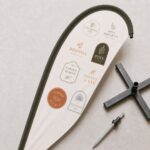
For a one-off or annual event, speed, cost, and ease of installation matter most. Corflute is the default for outdoor applications. A-frame sandwich boards work well for directional arrows at car park entries and venue entrances because they are freestanding, require no fixings, and can be repositioned during the event. Plan your sign count generously: it is far cheaper to print a few extra corflute arrows than to deal with a bottleneck at an unmarked junction. Use consistent arrow graphics and a legible event typeface, and print your sign artwork as a single locked template so all panels look identical even if different team members handle installation. Indoors, foyers and exhibition halls suit freestanding printed standees, full-colour rigid displays that mark registration desks, session rooms, and sponsor zones without wall fixings.
Permanent Venue Wayfinding
For a permanent installation, durability and integration with the venue’s interior design are the primary considerations. Acrylic panels with standoff mounts suit premium interiors in hospitality, corporate, and healthcare settings. The 24-48 hour production time for acrylic panels means you can order replacement panels quickly if a room is renamed or a new area is added. For larger venues with multiple floors, a wayfinding audit every 2-3 years is worthwhile: tenancy changes, renovations, and new amenities frequently leave wayfinding systems partially obsolete. Corflute, PVC, acrylic, and screenboard options for wayfinding are grouped in the signage panels range.
Frequently Asked Questions
What is wayfinding signage?
Wayfinding signage is any printed or mounted sign that helps people navigate a space. It includes directional signs with arrows, identification signs that name a room or area, informational signs with maps or schedules, and regulatory signs that communicate rules and safety requirements.
What are the four types of wayfinding signs?
The four types are: identification signs (naming a space), directional signs (pointing toward a destination), informational signs (providing context, maps, or schedules), and regulatory signs (communicating rules and safety requirements). A complete system uses all four types, with each type placed at the appropriate location in a venue or event space.
What material is best for outdoor event directional signs in Australia?
Corflute (fluted polypropylene) is the standard choice for temporary outdoor directional signage at Australian events. It is weather-resistant, lightweight, low-cost, and available with eyelets for fence mounting, H-stakes for ground insertion, or A-frame inserts for freestanding use. For events lasting more than a few months outdoors, 5mm corflute is preferable to 3mm for added rigidity.
What signage substrate suits a corporate reception or venue lobby?
Cast acrylic panels are the standard choice for corporate receptions, hospitality venues, medical practices, and retail locations where the sign must look architectural and permanent. They mount on standoff fixings to create a floating panel effect and are available in clear, frosted, white, black, matte, and mirror finishes. For budget-conscious indoor applications that still need a polished look, foam-PVC board is a solid alternative.
Do Australian venues need to comply with accessibility standards for wayfinding signage?
Yes, for permanent installations in public buildings, the AS 1428 series (Design for Access and Mobility) sets out requirements for colour contrast, tactile indicators, and Braille or tactile signage in certain sign categories. Requirements vary by building classification and whether a building is new or existing. We recommend verifying current obligations with a qualified access consultant before finalising your permanent wayfinding design.
How many directional signs does a typical event need?
There is no fixed formula, but a practical starting point is to place at least one directional sign at every decision point on the primary visitor route, from the nearest car park or transport stop to the main venue entrance and from the entrance to every primary destination inside. For large outdoor events with multiple entry points, it is common to need 20-60 corflute directional panels. Print a small buffer (10-15% extra) to allow for last-minute additions or damaged panels.