Stickers have always punched above their weight in marketing. Cheap to produce, hard to scroll past, and capable of outlasting most digital ads by years, they are a natural fit for brands that want presence without a premium media budget. Guerrilla sticker marketing takes this further, placing branded stickers in unexpected, high-impact locations to build organic word-of-mouth and brand familiarity at street level. Done thoughtfully, it is one of the most cost-effective awareness tactics available to Australian small businesses, event promoters, and creative studios.
- Guerrilla sticker marketing means placing branded stickers in non-traditional, high-traffic locations to build awareness outside paid channels
- Legal placement requires permission from the property owner or placement in designated community zones
- In Australia, unauthorised stickering on public property is treated as graffiti under most state and local laws
- Effective campaigns target high-dwell locations where your audience naturally congregates
- Die-cut, vinyl, and clear stickers each serve different placement and visibility goals
- QR codes and campaign short URLs turn anecdotal sticker reach into measurable data
What Is Guerrilla Sticker Marketing?
Guerrilla marketing, a term coined by Jay Conrad Levinson in the 1980s, describes low-cost, high-impact tactics that rely on creativity and surprise rather than large budgets. Stickers are among the most accessible tools in this category. A well-designed sticker placed in the right location can generate hundreds of daily impressions, often long after the initial placement.
How It Differs from Traditional Sticker Campaigns
Traditional sticker campaigns involve handing stickers out at events, including them in product packaging, or applying them to branded merchandise. These are controlled, consent-based placements where every sticker reaches a known recipient.
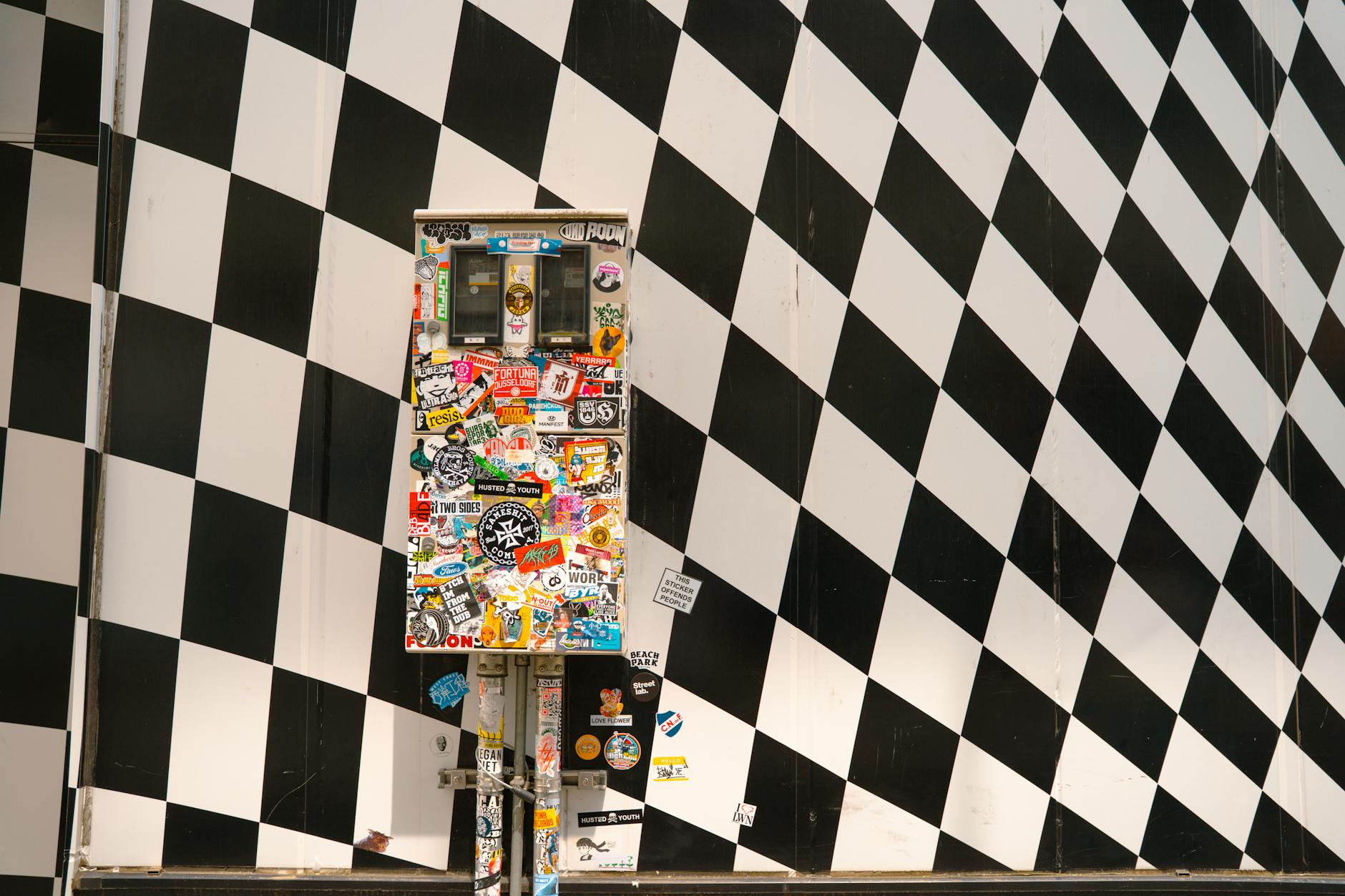
Guerrilla sticker marketing places stickers in the physical environment: on skate park ledges, music venue noticeboards, cafe toilet doors, and anywhere else an audience naturally gathers. The goal is ambient brand presence rather than direct product promotion. The sticker becomes part of the landscape rather than an interruption within it.
Who Uses It and Why It Works
Guerrilla sticker campaigns are popular with a wide range of Australian operators:
- Music artists and independent labels building local following before a release
- Independent retail brands entering a new suburb or city
- Event promoters seeding awareness in the weeks before a show
- Tech startups building community-level recognition in specific precincts
- Hospitality businesses targeting foot traffic in their immediate area
The common thread is limited budget, high aspiration, and a target audience that moves through physical space. Stickers that land in the right locations earn repeated daily impressions for weeks or months at no additional cost per impression.
The Legal Landscape in Australia
Before mapping any placement plan, every guerrilla sticker campaign needs to account for Australian law. The short position: placing stickers on property without permission is generally illegal, regardless of how low-impact or removable the sticker appears.
Public Property, Councils, and Graffiti Laws
In every Australian state and territory, wilful damage legislation and local council by-laws treat unauthorised stickering on public infrastructure as a form of graffiti. This applies to:
- Street poles, traffic signal boxes, and bus shelters
- Public benches and bollards
- Public transport infrastructure including train stations and bus stops
- Council-owned walls, fences, and buildings
Penalties vary by jurisdiction. In Victoria, the Graffiti Prevention Act 2007 allows fines of up to $7,659 for individuals and substantially more for corporations. NSW councils can issue on-the-spot penalty infringement notices. Critically, the sticker’s removability does not change the legal classification: any unauthorised placement can be treated as an offence. The fact that a sticker peels off cleanly is not a legal defence.
Private Property and Permission-Based Placement
Private property becomes accessible the moment the owner agrees. Many independent businesses are open to a sticker partnership, particularly when:
- Your audience overlaps with their customer base
- The sticker design is attractive and on-brand for their space
- You offer a reciprocal benefit, such as featuring them in your content or providing a product sample
Independent cafes, skate shops, record stores, barber shops, and music venues are natural partners for community-facing brands. A direct conversation with the manager is usually enough to secure a spot on a noticeboard, window, or counter display. Keep it personal, keep it brief, and bring a sample sticker to show.
Events, Markets, and Sanctioned Zones
Festivals, weekend markets, and outdoor events provide legitimate guerrilla-style opportunities that are fully legal and highly targeted. Sticker swap walls, branded giveaway moments at stalls, and sponsored placement at community events are all worth exploring.
Many councils also designate specific community noticeboards, street art precincts, and poster sites where promotional materials are welcomed. Research your local council website before launching. Using sanctioned channels is free, legal, and often more trusted by audiences than unsanctioned placement.
Building an Ethical Framework for Your Campaign
Legality and ethics are related but not the same thing. A placement can be technically legal while still being poor community practice. Building an ethical framework into your campaign protects your brand reputation as much as it protects the environment.
Community Respect and Contextual Fit
Guerrilla sticker placement works best when the sticker feels like it belongs. A sticker for a local gig venue on the door of a neighbourhood record shop is contextually appropriate. The same sticker across a heritage building facade is jarring and likely to generate backlash.
Ask yourself before every placement:
- Does this location welcome branded stickers by community norm, or is it generally sticker-free?
- Would the venue manager likely object if they noticed it?
- Does the sticker reinforce or undermine the character of this space?
Audiences in creative precincts like Fitzroy, Surry Hills, Fortitude Valley, and Fremantle’s West End often respond positively to local brand stickers that feel native to the scene. Generic commercial stickers applied without context can generate resentment rather than awareness.
Removability and Environmental Responsibility
Choosing the right material matters for ethical placement. Stickers printed on removable vinyl peel cleanly without leaving adhesive residue, making it straightforward to reverse a misplaced sticker. Permanent adhesives on rough or porous surfaces can cause damage that far exceeds the value of the impression.
For outdoor placements, UV-resistant inks and water-based adhesives are available from responsible print suppliers. If a placement eventually fails, the sticker should degrade cleanly rather than shred into fragments that become litter or microplastic contamination.
Where to Place Stickers Legally and Effectively
Effective placement means finding locations where your target audience spends time, with permission from whoever controls that space. The following categories consistently deliver for Australian campaigns.
High-Traffic Legitimate Venues
Consider the physical touchpoints your audience passes through regularly:
- Cafe counters, takeaway windows, and barista bars
- Independent bookshops and lifestyle retail
- Co-working spaces and studio buildings
- Gym changing rooms and boutique fitness studios
- Climbing gyms, surf schools, and outdoor recreation hubs
Approach venue managers with a small sticker pack and an honest pitch. Most independent business owners in lifestyle categories are receptive, especially when the sticker is attractive enough to add to rather than detract from their aesthetic. Offer to leave a few extras for their own use.
Street Press, Independent Retail, and Scene-Specific Hubs
Australia’s inner-city creative scenes retain strong physical anchors: independent record shops, zine distros, skate brands, and community radio stations. These are often the origin points for sticker culture in Australian cities, and many maintain informal sticker zones on their windows, counter fronts, or bathrooms.
For music, arts, or lifestyle brands, a targeted approach to scene hubs can generate hundreds of daily impressions among precisely the right audience, often for nothing more than the cost of a sticker pack and five minutes of conversation with the people who run the space.
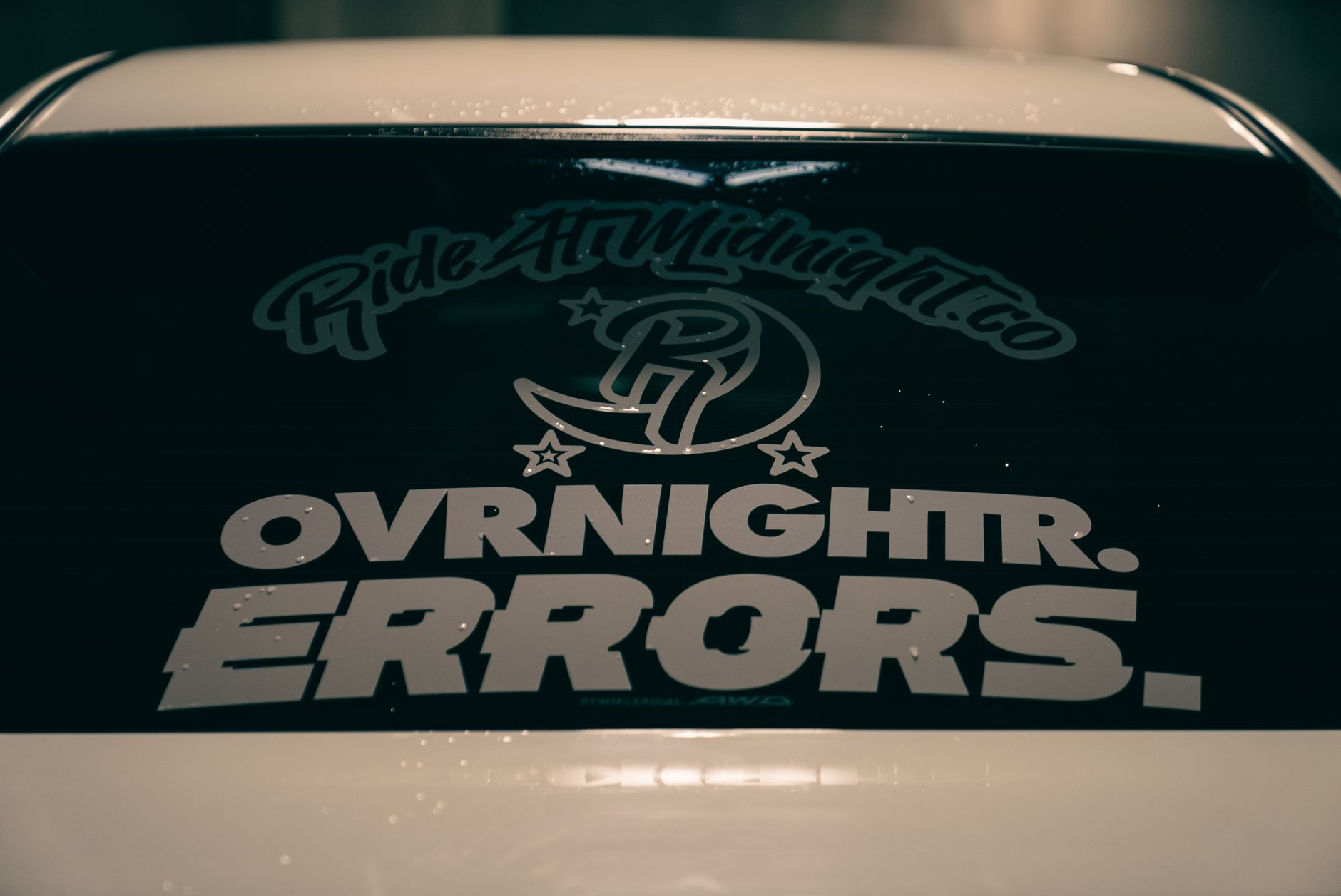
Vehicle Campaigns with Bumper Stickers
Branded vehicle stickers are one of the most under-utilised and fully legal options for guerrilla awareness. A sticker on a staff or owner vehicle generates thousands of impressions per week in the brand’s operating area, with no per-impression cost after the initial print run.
Bumper stickers printed on durable vinyl survive years of sun, rain, and car-wash cycles without fading or peeling. Fleet vehicles for food trucks, delivery operations, and mobile service businesses turn everyday travel into continuous ambient advertising across the brand’s entire service area.
Designing Stickers That Do the Work
Placement without strong design is wasted effort. The sticker itself needs to earn attention, communicate quickly, and leave a lasting impression after only a few seconds of exposure.
Die-Cut Stickers for Maximum Visual Impact
Rectangular or circular stickers are functional, but stickers cut to the outline of your logo or design are far more attention-grabbing. A coffee brand sticker shaped like a cup, a surf brand sticker shaped like a wave, or a tech startup sticker shaped like its product icon all stand out sharply in a crowded sticker environment.
Die-cut stickers can be produced to virtually any outline, with no minimum shape requirements. They work particularly well on laptops, water bottles, and flat surfaces where the shape becomes part of the visual identity rather than just a frame around it.
Clear Stickers for Subtle, Premium Placement
Not every guerrilla placement benefits from a bold, opaque sticker. In contexts where subtlety is more appropriate, such as windows, glass doors, and transparent surfaces, clear stickers allow the design to appear to float on the surface without a white or coloured background.
Clear stickers are ideal for cafe window applications, laptop lids, and product packaging where a floating logo reads as more premium than a traditional backed sticker. They work especially well in venues with a minimal aesthetic where a solid background would look out of place.
Vinyl Stickers for Outdoor Longevity
In outdoor or high-exposure placement contexts, the sticker needs to survive the elements without looking shabby after a few weeks of sun and rain. Weatherproof stickers printed with UV-stable inks maintain colour accuracy and adhesion through Australian sun, coastal humidity, and temperature variation. For placements expected to last months rather than weeks, UV-resistant vinyl is the recommended material choice.
Glossy finishes maximise colour vibrancy in bright outdoor conditions. Matte finishes reduce glare and often feel more premium in indoor gallery, hospitality, or retail settings. Ask your supplier about laminate options if the placement environment is particularly demanding.
Measuring the Impact of Your Campaign
One of the common criticisms of guerrilla marketing is that results are hard to quantify. With the right tracking tools built into the design from the start, this challenge is largely solvable.
QR Codes, Short URLs, and Campaign Hashtags
Adding a QR code or campaign short URL to your sticker design turns a passive impression into a trackable action. When a viewer scans or types the link, you capture:
- Unique visits attributed to the sticker campaign
- Geographic distribution if you use UTM parameters tagged by location batch
- Time-of-day and device data via your analytics platform
A campaign hashtag serves a similar purpose on social media. Inviting viewers to share where they spotted your sticker generates user-created content that extends organic reach beyond the original placement. For this to work, the hashtag must be short, distinctive, and printed in a readable size on the sticker itself.
Setting Benchmarks and Review Cadence
Before launching, define what success looks like. Typical metrics for an Australian guerrilla sticker campaign include:
- Website referral traffic from the campaign URL over a 90-day window
- Social posts featuring the sticker or campaign hashtag
- In-store or event attendance in the campaign’s target areas
- Qualitative feedback from venue partners about customer reactions
Review campaign performance at 30, 60, and 90 days post-launch. Sticker campaigns tend to build gradually as impressions accumulate rather than spike. Expect modest early returns and more meaningful brand lift by weeks six to ten. Photograph each placement at install and revisit monthly to assess condition and decide whether to refresh.
About Paperlust Print Shop
Paperlust Print Shop is an Australian print-on-demand specialist for business and creative applications. The range covers custom stickers, die-cut labels, bumper stickers, clear stickers, vinyl stickers, business cards, and marketing materials, all produced at commercial quality with no high minimum order quantities. Orders ship Australia-wide from Melbourne. Print Shop serves independent businesses, event brands, studios, and agencies looking for reliable, design-forward print production at competitive Australian pricing.