Three finishes sit above standard business card printing in Australia, each doing something different to the surface of your card: Scodix builds up a raised digital texture you can feel with your fingertip, spot UV puts a precise gloss contrast over a matte base, and foil adds true metallic colour in either a flat or a physically raised form. They are not interchangeable. The right choice depends on your brand, your industry, your artwork, and what you want the person holding your card to actually experience. This guide compares all four premium options – Scodix, spot UV, flat foil, and raised foil – covering the production process, cost, design requirements, stock pairing, and common mistakes, so you can brief your printer with confidence and get a card worth keeping.
Quick reference
Scodix vs Foil vs Spot UV: The Essentials
What every Australian business needs to know before choosing a premium finish.
- Scodix: raised digital embossing, tactile 3D surface, no metallic colour – from $0.20/card (inc. GST)
- Spot UV: flat clear gloss selectively applied over matte laminate, visual contrast only – from $0.14/card
- Flat foil: mirror-bright metallic colour, no raised effect, fastest and most affordable foil option – from $0.18/card
- Raised foil: metallic colour plus physical dimension, the most tactile premium finish – from $0.24/card
- Production note: Scodix, spot UV, and raised foil are NOT available on 24-hour rush. Flat foil IS available same day.
- Delivery: standard $10 per order, express $15 per order, Australia-wide
- Still deciding? The decision matrix below maps each finish to your specific priority.
Quick Decision Matrix: Which Premium Finish Is Right for You?
Before diving into production details, use this matrix to shortcut the decision. Find the column that best describes what you want the person receiving your card to notice first.
| Your priority | Recommended finish | What it delivers | Starting price (inc. GST) |
|---|---|---|---|
| Tactile, raised surface – no metallic | Scodix | 3D raised digital embossing on any element, high-precision edges | from $0.20/card |
| Logo or name that catches the light | Spot UV | Selective gloss contrast over matte – dynamic in changing light | from $0.14/card |
| Mirror metallic colour, fastest turnaround | Flat foil | True gold, silver, rose gold, copper foil – flat, no raised dimension | from $0.18/card |
| Metallic colour plus raised, tactile depth | Raised foil | Foil with physical dimension – the most premium tactile experience | from $0.24/card |
| Budget entry into premium tier | Spot UV | Lowest starting price among premium finishes, strong visual impact | from $0.14/card |
| Full creative control, multi-element finish | Scodix | Apply to logos, type, patterns, and backgrounds independently – digital precision | from $0.20/card |
Once the matrix points you to Scodix, foil or spot UV, the luxury business cards collection shows that treatment on twelve finished designs before you commit.
What Is Scodix? The Technology Behind the Raised Digital Finish
Scodix is a proprietary digital embellishment technology. Unlike traditional embossing – which requires a metal die and physical pressure to depress the substrate – Scodix works by jetting a UV-curable polymer onto the surface of an already-printed card in precise, programmable layers. The polymer is then cured with UV light, locking it into position as a raised, gloss element that sits proud of the card surface.
The critical distinction: Scodix is a digital process. There is no die to cut, no plates to prepare, no setup fee per design element. The Scodix machine reads your artwork file directly and jets the polymer only to the areas you nominate – your logo, your name, a background texture, decorative borders. Because it is fully digital, you can have multiple raised elements at different heights on the same card, and you can change the design between print runs without any additional tooling cost.
What Scodix actually feels like
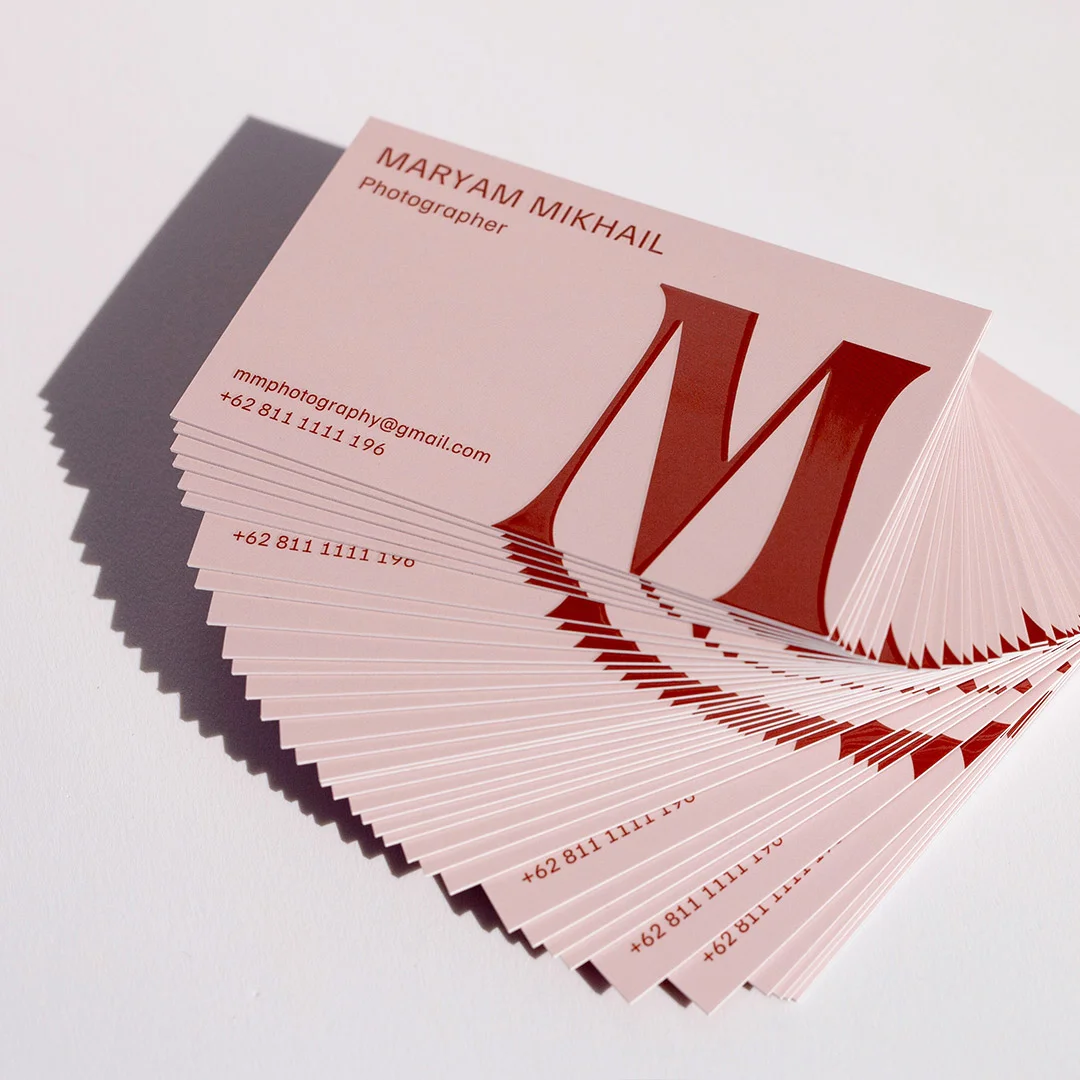
Run your fingertip across a Scodix card and you feel a clear, defined ridge where the raised element begins and ends. The surface of the raised area has a high-gloss quality – it reads as both a visual and tactile signal. On a matte card, the contrast between the soft, light-absorbing base and the shiny raised element is striking. On a textured or dark card stock, the effect is even more pronounced because the Scodix element catches light from any angle.
The raised height is typically in the range of 0.05mm to 0.20mm depending on application and the number of layers specified. This is enough to register distinctly under a fingertip without feeling gimmicky or fragile. Well-executed Scodix on a thick card stock reads as considered and deliberately premium – not flashy.
How Scodix compares to thermography
Older raised printing used thermography – a heat-powder process that creates a bubbly, inconsistent raised texture with less edge definition. Scodix replaces thermography with sharper edges, finer detail capability (logo elements as small as 4pt can be raised), and a more consistent result across a full print run. If you have seen old-style raised business cards and found the texture underwhelming, Scodix is the modern answer.
Print Shop – Melbourne
Order Scodix Business Cards from $0.20/card
Raised digital embossing produced in our Melbourne studio. Delivery is not included in the card price: standard delivery is $10 per order and express delivery is $15 per order, Australia-wide. 100% print guarantee.
What Is Spot UV? Selective Gloss on a Matte Base
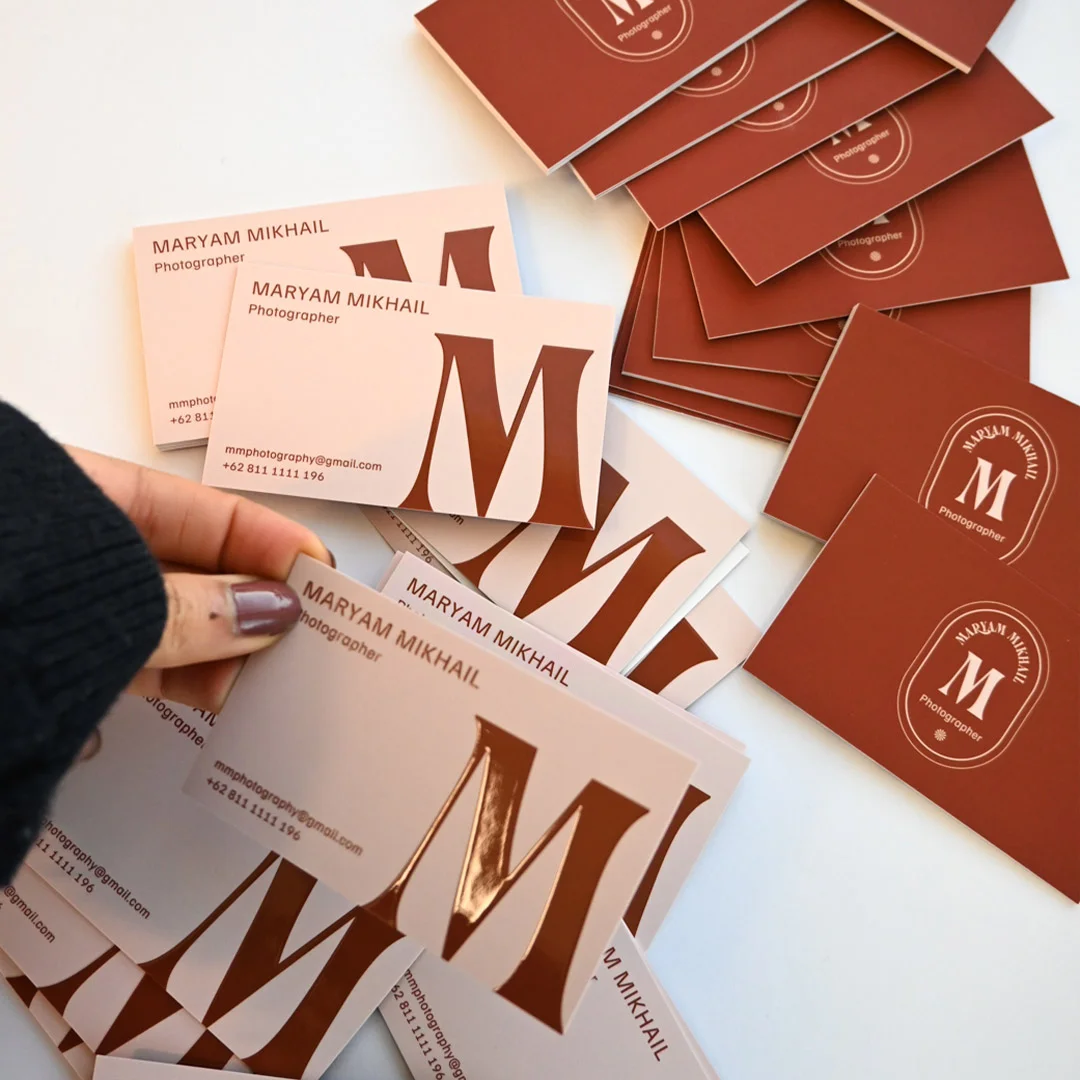
Spot UV is a finishing technique, not a printing method. Your card is first printed in full colour using a standard digital process, then a matte laminate is applied across the entire surface. A clear, liquid UV varnish is then laid down only on the specific areas you nominate – your logo, your name, a geometric element, a background texture – and cured instantly under ultraviolet light. The result is a card with two distinct surface qualities coexisting on the same face.
The visual effect works because of the contrast relationship between matte and gloss. In flat, even lighting, the gloss areas appear to float on the card surface. In directional or moving light – a desk lamp, an overhead light in a meeting room, natural daylight from a window – the gloss elements shift and catch while the matte recedes. This dynamic quality is what makes spot UV cards memorable: they behave differently depending on how they are held and in what light, which means the person holding your card continues to interact with it rather than filing it immediately.
What spot UV is not
- Not raised: Spot UV sits flush with the laminate surface. There is no tactile dimension – you cannot feel it with a fingertip in the way you can feel Scodix or raised foil. If tactile texture is a priority, spot UV is not the right finish.
- Not full gloss coating: A full UV coating covers the entire card in gloss and produces no contrast – a different and less interesting product. The word “spot” in spot UV refers to selective, targeted application. The contrast is the point.
- Not metallic: Spot UV is clear. It does not add colour, metallic sheen, or the mirror-bright finish that foil delivers. It amplifies the printed colour beneath it without changing it.
- Not Scodix: Scodix is raised and builds physical dimension. Spot UV is flat. The two are sometimes confused because both use UV-cured polymer, but the application and result are different.
At Paperlust’s Print Shop, spot UV business cards start from $0.14 per card (inc. GST). Production takes longer than standard business cards – this finish is not available on 24-hour rush.
What Is Foil? Flat Foil and Raised Foil Explained
Foil is a metallic film bonded to the surface of a card using heat, pressure, and adhesive. Unlike ink, which absorbs into or sits on the paper, metallic foil is a separate layer of material – extremely thin, mirror-bright, and inherently reflective. There are two distinct foil products available for business cards at the Print Shop, and they produce very different results.
Flat foil business cards
Flat foil applies the metallic film to a flat card surface. There is no raised dimension – the foil sits level with the surrounding card. The effect is purely visual: a mirror-bright metallic element on a printed or unprinted background. Flat foil is the most accessible foil option: no custom die is required, minimum orders are lower, and it can be turned around faster than other foil methods – including on a 24-hour rush print basis.
Available foil colours at the Print Shop include gold, pale gold, rose gold, silver, copper, red, green, blue, hot pink, celestial blue, and holographic. Each colour has a distinct character: gold reads as classic and authoritative, rose gold as contemporary and warm, silver as clean and corporate, holographic as bold and creative.
Flat foil business cards start from $1.59 a card at 100, with a floor of $0.18 a card at 5,000. That per-card floor sits between spot UV at $0.14 and the Scodix and raised foil floors of $0.20 and $0.24. Flat foil is the one finish with a 50-card minimum and 24 Hour Production, while the other three start at 250 cards and run 2 to 4 business days.
Raised foil business cards
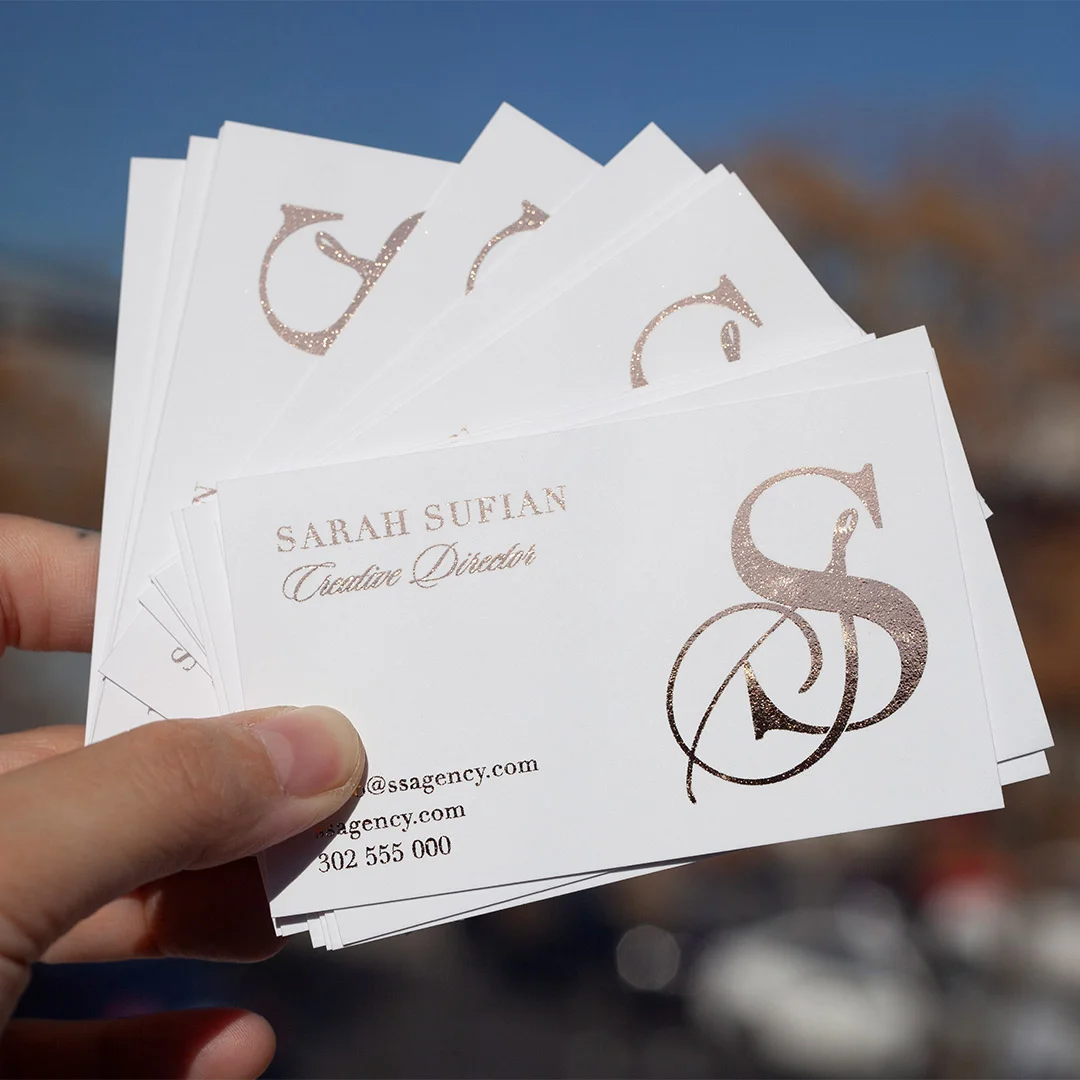
Raised foil combines the metallic colour of foil with a physically elevated surface. The foil element sits proud of the card, creating a finish that is both visually metallic and tactilely dimensional. Running a finger across a raised foil element produces a distinct ridge and a gloss surface simultaneously – an effect that cannot be replicated by any purely printed method.
Raised foil is the finish most associated with ultra-premium business cards. Luxury brands, high-end real estate agencies, senior lawyers, and creative directors who want their card to communicate serious investment in presentation often select raised foil. It carries the highest perceived production value of the four options in this guide.
Raised foil business cards start from $0.24 per card (inc. GST). Like Scodix and spot UV, raised foil is not available on 24-hour rush – budget for a longer production window when ordering.
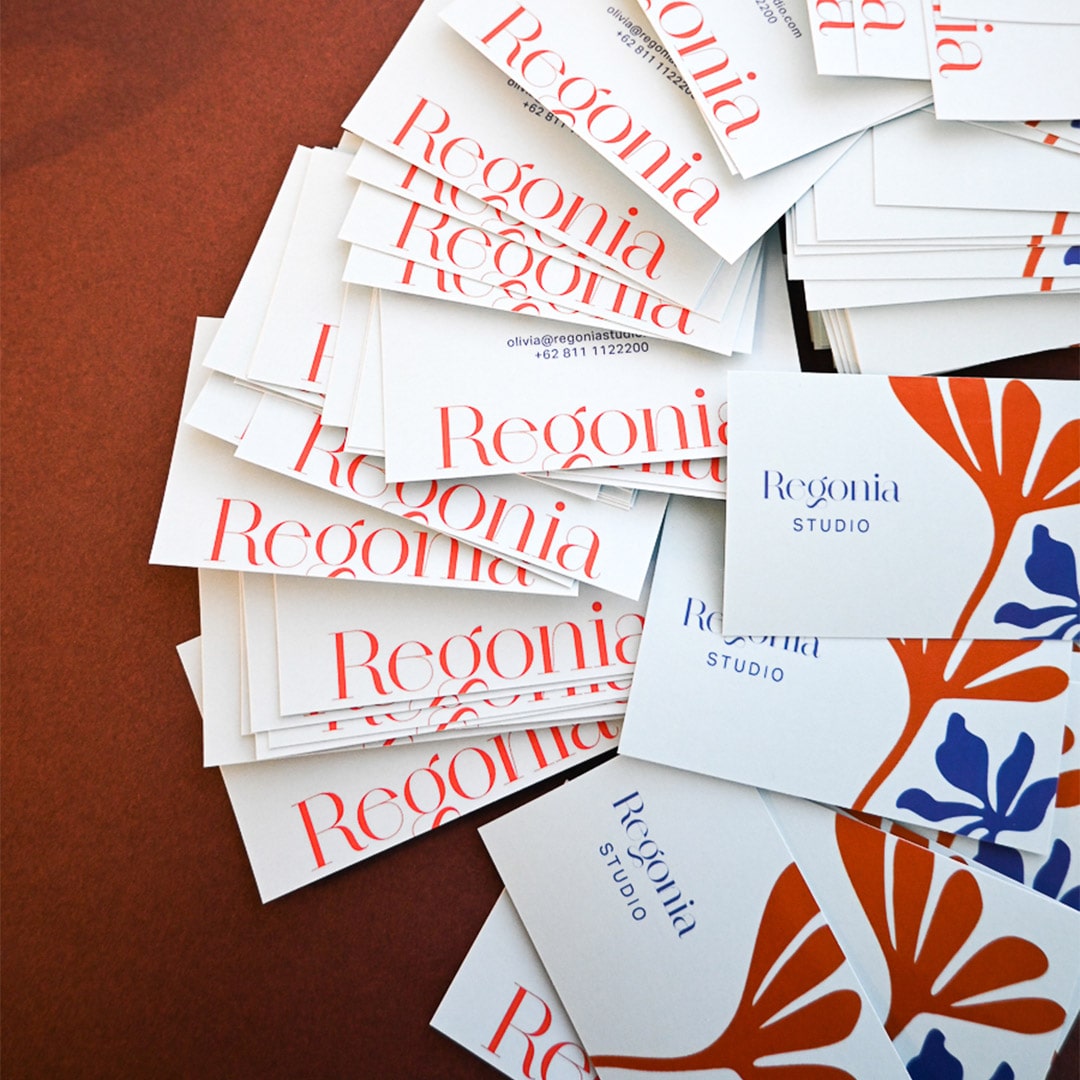
Visual and Tactile Differences: What to Expect When You Hold Each Card
Reading about finish differences in text only goes so far. This section describes the sensory experience of each finish in terms that map to what you and your clients will actually notice when handling the cards. The table below summarises the key attributes before the detail.
| Finish | Tactile dimension? | Visual effect | Metallic colour? | Best base stock |
|---|---|---|---|---|
| Scodix | Yes – raised polymer, 0.05-0.20mm | High-gloss raised element on matte base | No – clear gloss only | Matte, dark, or textured 300-400gsm |
| Spot UV | No – flat surface | Gloss-vs-matte contrast, dynamic in moving light | No – clear gloss only | Matte laminate required, any colour |
| Flat foil | No – flat surface | Mirror-bright metallic, highest visual contrast | Yes – gold, silver, rose gold, copper, holographic + more | Most coated stocks, dark for maximum impact |
| Raised foil | Yes – raised metallic foil film | Mirror-bright metallic + physical dimension | Yes – same range as flat foil | Heavy stock 350gsm+ required |
Scodix in the hand
A card with Scodix finish feels unexpected for a first-time handler. The raised element registers immediately under a fingertip – there is a clear transition from the flat card surface to the raised area. The gloss of the Scodix surface catches light from most angles. On a thick, matte card, the contrast between the soft base and the hard raised element reads as precise and intentional. People tend to run their thumb across Scodix cards repeatedly – the tactile element invites engagement in a way that a purely visual finish does not.
Spot UV in the hand
Spot UV feels flat and smooth to the touch – there is no tactile dimension. The experience is entirely visual. In a well-lit room, you see the gloss elements immediately. In low light or at a direct angle, the contrast can reduce to near invisible. Spot UV rewards dynamic lighting – it is at its best on a desk under a lamp or held at an angle in natural light. The finish reads as clean and modern rather than luxuriously tactile. For Australian businesses ordering spot UV business cards from the Print Shop, the matte laminate base is included in the production process.
Flat foil in the hand
Flat foil is smooth to the touch – the foil film sits level with the surface – but the visual impact is immediate and strong. The mirror-bright metallic element catches light from every direction. Gold flat foil on a dark card stock reads with significant presence. The foil surface is distinctive in both texture and temperature: it feels slightly different from printed stock even when flat, and it reflects ambient light in a way that no ink-based finish replicates. Flat foil business cards from Paperlust’s Print Shop are available in the widest colour range of the four finishes.
Raised foil in the hand
Raised foil combines the metallic visual of flat foil with a physical ridge under the finger. The transition from card surface to raised foil element is sharper than Scodix – the foil film creates a distinct edge. The metallic surface of the raised element is mirror-bright, creating a highlight effect that changes dramatically as the card is rotated. Raised foil is the most demanding finish on the design – even a small logo can look extraordinary, and a complex design can read as overwhelming. The experience of handling a well-executed raised foil card is genuinely different from any standard premium card.
Cost Comparison: What You Actually Pay in Australia
Pricing for premium business cards in Australia follows a per-card structure that varies with quantity. Larger orders bring the per-card rate down significantly. The table below uses Paperlust Print Shop’s starting rates (inc. GST) as a baseline. Final pricing for your order will depend on quantity, card stock, and size.
| Finish | From price (inc. GST) | 24-hr rush available? | Relative cost position |
|---|---|---|---|
| Spot UV | from $0.14/card | No | Most affordable premium option |
| Scodix | from $0.20/card | No | Mid-range premium |
| Raised foil | from $0.24/card | No | Mid-range premium |
| Standard (baseline) | from $0.08/card | Yes | Baseline digital print |
| Flat foil | from $0.18/card | Yes | Highest entry price, fastest foil option |
A practical note on cost context: for most professional card runs of 250-500 cards, the difference between spot UV and Scodix is modest in total dollar terms. At 250 cards, the gap between $0.14 and $0.20 per card is $15. At 500 cards, it is $30. If the tactile quality of Scodix premium cards better suits your brand, the incremental cost is rarely a deciding factor at standard business quantities. Flat foil carries a meaningfully higher entry price – but it also delivers the most visually distinctive result at a glance, which may justify the investment depending on your use case.
Best Industries and Use Cases for Each Finish
Premium finish business cards are not universally appropriate. In some industries, an ultra-premium card signals exactly the right things. In others, it can read as ostentatious or inconsistent with the brand. Match the finish to the context.
Scodix: best for
- Creative agencies and design studios – the finish itself demonstrates design literacy and understanding of print production
- Architects and interior designers – Scodix on a textured pattern or architectural line work rewards close inspection
- Luxury retail and hospitality – raised texture communicates attention to material quality
- Tech startups positioning as premium – modern look without the traditional formality of foil
- Event professionals and photographers – tactile element creates a memorable physical reminder
Spot UV: best for
- Corporate and professional services – clean, modern finish without being overtly flashy
- Healthcare and wellness brands – understated premium without tactile surprise
- Real estate agents – logo catch in light is compelling at a glance in a stack of cards
- Consultants and coaches – professional finish appropriate for a wide range of client contexts
- Anyone wanting premium at the most accessible price point
Flat foil: best for
- Financial advisers and wealth managers – gold or silver foil communicates value alignment
- Jewellery and luxury product brands – metallic finish mirrors the product category
- Wedding industry professionals – rose gold and gold are instantly appealing to the target market
- Anyone who needs premium finish with faster turnaround – flat foil is the only foil option on 24-hour rush
Raised foil: best for
- Senior lawyers and barristers – raised foil on a thick cotton card is the traditional high-status choice
- Luxury real estate principals – signals a level of investment in presentation that aligns with high-value listings
- C-suite executives and board members – the finish reads as deliberately, unhurriedly premium
- Premium creative directors and art directors – finish appreciation is baked into the audience
- Brand launches and rebrands – raised foil launch cards make a lasting impression at events
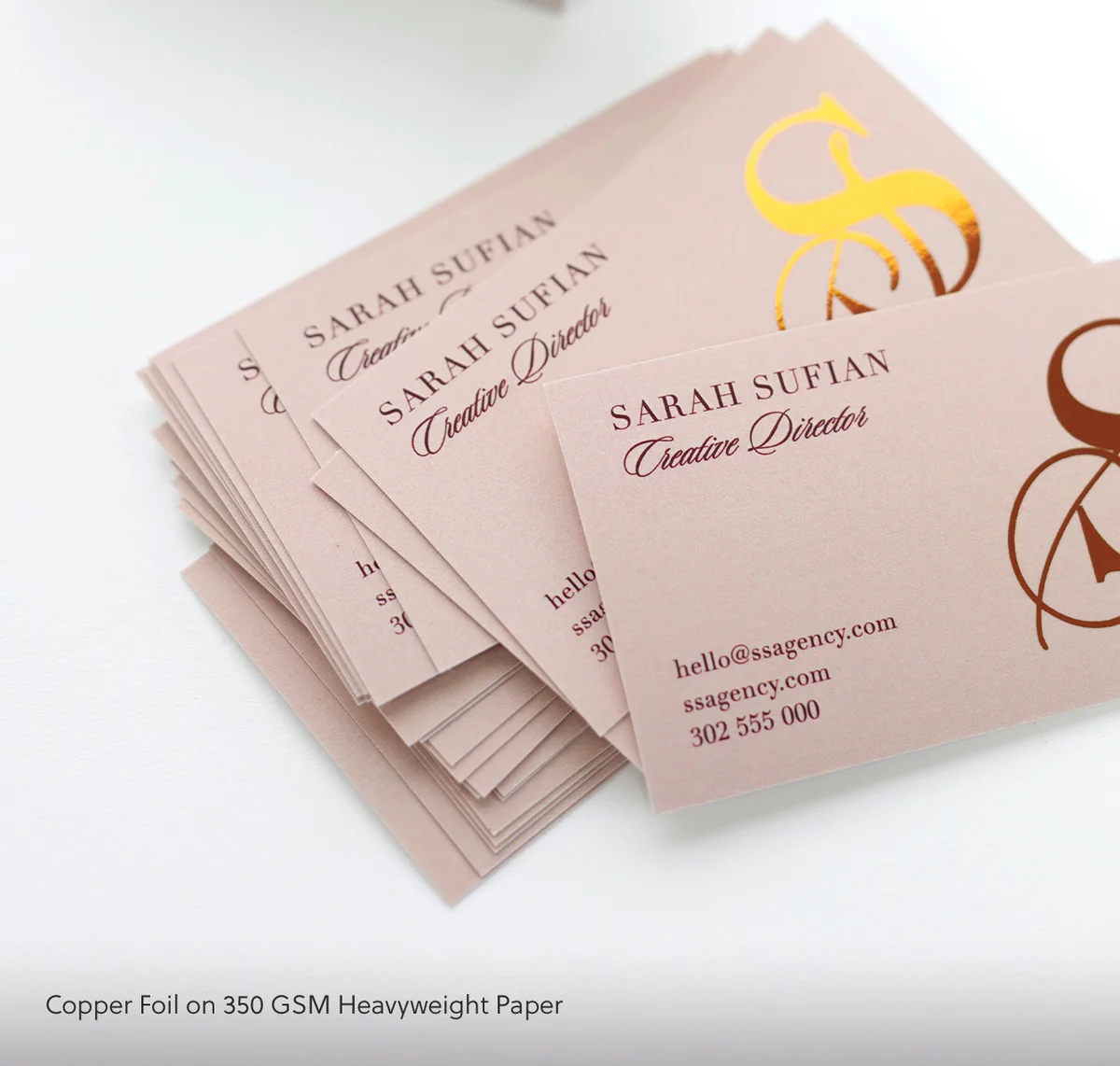
Design Rules: How to Make Each Finish Look Premium
The quality of a premium finish card is determined as much by artwork decisions as by the finish itself. A poorly designed Scodix card looks worse than a well-designed standard card. Follow these discipline-specific rules to ensure the finish works as intended.
Scodix design rules
- Minimum element size: 4pt for text, 0.5pt for fine lines – smaller than this and the raised area loses edge definition at the polymer boundary
- Apply selectively: Scodix on more than 40-50% of the card surface begins to look heavy and loses the contrast that makes it effective
- Isolate a focal element: logo, monogram, or a key graphic works best. Raising body copy or large background areas reads as indiscriminate.
- High contrast base: Scodix on a matte, dark, or textured card stock makes the gloss raise more visible. On a glossy white card, the effect is minimal.
- Separate files: prepare a spot channel or separate Scodix layer in your artwork file. The print shop uses this to program the Scodix machine independently from your colour print.
Spot UV design rules
- Maximum coverage: apply UV to no more than 20-30% of the card surface. More than this and the contrast relationship breaks down.
- Minimum text size in UV layer: 14pt – smaller type fills in under the varnish and becomes illegible
- Dark backgrounds amplify the effect: a black matte card with a spot UV logo is among the highest-contrast combinations available
- No UV on bleed elements: UV applied to full-bleed colour elements tends to look accidental rather than deliberate. Keep UV confined to discrete logo or text elements.
- Separate spot UV layer: provide as a separate file or clearly labelled layer with 100% black as the indicator colour for UV areas
Flat foil design rules
- Bold, simple shapes work best: foil fills areas rather than fine lines. Delicate hairlines in foil can produce inconsistent adhesion at the edges.
- Minimum 0.5mm for positive foil elements: too fine and the film does not bond cleanly
- Choose foil colour relative to background: gold on black is classic and high contrast; gold on white can read as muddy in certain light conditions. Silver on dark backgrounds is often stronger.
- No reverse knockout in fine type: small text reversed out of a foil block is difficult to read and execute cleanly
- Match foil to your brand’s existing metallic references – a rose gold foil card clashes with gold jewellery imagery if your photography uses warm, yellow gold tones
Raised foil design rules
- Simpler is better: raised foil has maximum impact on a single, well-chosen element. A monogram or logo mark in raised gold foil on a thick cotton card is genuinely impressive.
- Do not mix raised foil with complex full-colour print across the same face: the production processes have different constraints and combining them can compromise both
- Minimum element size is larger than flat foil: the raised dimension requires more substrate area to bond cleanly
- Heavy card stocks: raised foil on a lightweight card stock can curl at the edges over time. Specify 350gsm or heavier.
Card Stocks That Pair with Premium Finishes
The card stock beneath a premium finish is not passive – it actively shapes how the finish reads. Choosing the wrong base stock can undermine an otherwise well-executed finish.
Scodix stock pairing
Scodix performs best on matte-coated card stocks in the 300-400gsm range. The contrast between the soft matte base and the high-gloss raised element is the visual foundation of the finish. Avoid applying Scodix to glossy base stocks – on a gloss base, the raised element loses its contrast and becomes difficult to see. Dark stocks (black, charcoal, navy) are excellent Scodix substrates because the gloss raise reflects light against a non-reflective background.
Spot UV stock pairing
Spot UV requires a matte laminate base – the entire card must be laminated before UV application. Specify a matte laminate as part of your spot UV business card order. Soft-touch laminate (sometimes called silk laminate) provides the maximum contrast with the gloss UV layer. Standard matte laminate also works. Avoid gloss base stocks for the same reason as Scodix – the contrast relationship is the whole mechanism.
Flat foil stock pairing
Flat foil bonds to most coated and uncoated business card stocks. At the Print Shop, flat foil is available on matte stock, 380gsm premium, 350gsm heavyweight, and colour stock (both 270gsm and 500gsm options). Dark colour stocks with flat foil are a particularly strong combination – navy, black, or deep green card with gold or silver foil produces a result with strong shelf presence.
Raised foil stock pairing
Raised foil requires heavier stock to support the physical dimension without warping. Specify 350gsm or above. The foil bonding process involves heat and pressure – lighter stocks can deform during production. A thick, smooth card stock gives raised foil the most consistent adhesion across the foil element’s surface. For maximum impact, pair raised gold foil with a deep-coloured or black card stock. Browse all custom business card options at the Print Shop to see available stock combinations.
Seven Mistakes to Avoid with Premium Business Card Finishes
The most common problems with premium finish business cards come from artwork preparation errors and finish selection mismatches. These seven issues come up regularly and are all avoidable with a brief up front.
1. Applying the finish to too much of the card surface
More coverage is not more impressive. Spot UV or Scodix across 70% of a card face produces a muddy, unfocused result where the contrast relationship that makes the finish work is destroyed. Limit the premium element to specific, meaningful areas. The finish is a highlight, not a flood.
2. Using fine hairlines or small type in foil
Foil film is applied by heat and pressure. At very small scales, the film does not bond cleanly at element edges, producing a ragged or inconsistent foil line. The minimum for clean foil adhesion is typically 0.5mm for lines and 10pt for text in positive foil. Check your artwork against these minimums before submitting.
3. Choosing gloss base stock for spot UV or Scodix
Spot UV on a gloss-laminated base is nearly invisible – both surfaces reflect light the same way. Scodix on a gloss base loses its contrast similarly. Always specify matte laminate as your base when ordering spot UV, and specify a matte or uncoated stock when ordering Scodix. This is not optional – it is the mechanism by which the finish produces its effect.
4. Not providing a separate spot layer in your artwork file
Premium finish production requires a separate file layer or file that indicates exactly where the finish is to be applied. A single flattened PDF with no spot layer gives the production team nothing to work with. Prepare a dedicated spot layer (typically 100% black for UV or Scodix areas, 100% black or a spot colour for foil areas) and confirm the layer naming convention with your printer before submitting.
5. Ordering raised foil on lightweight card stock
Raised foil adds physical mass to the card. On a 300gsm or lighter stock, this can cause the card to warp or curl over time, particularly in humid conditions. Always specify 350gsm or heavier for any card with a raised element – raised foil or Scodix. The additional stock weight also communicates quality in its own right.
6. Expecting 24-hour turnaround on non-rush-eligible finishes
Scodix, spot UV, and raised foil are not available on 24-hour rush production at the Print Shop. If your event or deadline is imminent, the only premium finish available on rush production is flat foil. Factor production time into your brief from the start – premium finishes require more time in production and this cannot be compressed without compromising the result.
7. Matching the finish to the wrong industry context
A raised foil card from a startup seeking seed investment can misread as prioritising aesthetics over substance. A plain standard card from a luxury brand consultant suggests a failure of attention to detail. Before choosing a finish, consider what the recipient will infer from the production quality relative to your industry. The Scodix raised digital finish occupies an interesting middle ground: it reads as technically sophisticated without the traditional formality of foil, which makes it appropriate across a wider range of industry contexts.
Production Lead Times and What to Expect in Australia
Planning your business card order around a specific event, conference, or meeting requires accurate lead time expectations. Premium finishes involve more production steps than standard digital printing, and lead times reflect this.
At Paperlust’s Print Shop, the production timeline for each finish breaks down as follows:
- Standard digital business cards: 24-hour rush production available. Express shipping is 1-2 business days for metro and 3-5 business days for regional, using Startrack.
- Flat foil business cards: 24-hour rush production available – the only premium finish on this list eligible for same-day production.
- Spot UV business cards: longer production window. Not available on 24-hour rush. Allow additional days beyond standard lead times.
- Scodix business cards: longer production window due to the multi-stage Scodix process. Not available on 24-hour rush.
- Raised foil business cards: longer production window. Not available on 24-hour rush.
Delivery is not included in the card price: standard delivery is $10 per order and express delivery is $15 per order, Australia-wide. For international orders, DHL Express is available for orders over $350 USD, with a 2-4 business day transit time after dispatch. Production happens before dispatch – quote production and transit time separately when planning for an international delivery deadline.
Print Shop – Melbourne
Not Sure Which Finish Suits Your Brand?
Browse all four premium business card options side by side. Every order includes a designer proof within 1-2 business days.
Frequently Asked Questions
Is Scodix the same as thermography?
No. Thermography is a heat-powder process that creates a rough, inconsistent raised texture – a legacy technique that predates digital embellishment. Scodix is a fully digital UV polymer process that jets clear resin onto the card surface and cures it with UV light, producing sharper edges, finer detail resolution (down to 4pt type), and a more consistent result across a full print run. Scodix replaces thermography in modern premium print production and is the current standard for precision raised digital embossing in Australia.
Can I have both Scodix and foil on the same business card?
This depends on the specific production setup. Combining two premium finishes on a single card is possible in some configurations – for example, flat foil for a metallic logo element and Scodix for a raised background texture. However, combined-finish cards involve additional production steps and cost. Contact the Print Shop team with your specific brief before ordering to confirm feasibility and pricing for your design.
Which finish is most durable for business cards?
All four finishes are durable for normal business card use when applied to an appropriate stock weight. The most practical durability consideration is card weight rather than finish type – a 350gsm or heavier card resists bending, corner damage, and general wear significantly better than lighter stocks, regardless of the finish applied. For carry-everywhere cards subject to wallet or bag storage, specify at least 350gsm stock with whichever premium finish you choose.
Does foil show fingerprints?
Foil surfaces – both flat and raised – can show fingerprints in certain light conditions, particularly on silver foil. Gold foil is slightly less prone to visible prints than silver because the warm colour absorbs fingerprint marks more readily. Matte laminate surrounding a foil element hides fingerprints entirely, which is one reason the matte-laminate-with-foil combination is so popular: the card maintains a clean appearance even after handling, while the foil elements retain their mirror-bright quality.
What file format do I need for Scodix or spot UV artwork?
For all premium finishes, provide a print-ready PDF with the premium finish element on a separate, clearly labelled spot layer or as a separate file. Use 100% black as the indicator colour for Scodix and spot UV areas. For foil, use a spot colour swatch or clearly labelled layer. All artwork should be at 300 DPI minimum, with a 3mm bleed on all sides and all fonts embedded. Confirm the exact file naming and layer convention with your Print Shop contact before submitting final files.
Are Scodix business cards available in standard 90x55mm size?
Yes. All premium business card finishes at the Print Shop – Scodix, spot UV, flat foil, and raised foil – are available in the standard Australian business card size of 90x55mm. Larger sizes and custom sizes are also available. Confirm available size options when placing your order.
How long does it take to produce Scodix business cards in Australia?
Scodix, spot UV, and raised foil business cards require longer production times than standard or flat foil cards – none of these finishes are available on 24-hour rush production. When planning your order, allow additional production days beyond standard lead times for Scodix cards. Delivery is not included in the card price: standard delivery is $10 per order and express delivery is $15 per order, Australia-wide. If you have a hard deadline for an event or conference, contact the Print Shop team with your required delivery date before ordering.
Can I order a sample before committing to a full run?
Yes. Paperlust’s Print Shop offers a designer proof within 1-2 business days of placing your order, allowing you to review and approve the finish and artwork before the full production run. For questions about physical sample options for specific finishes, contact the Print Shop directly. This is the best way to see and feel the finish quality before making a volume commitment.
What is the minimum order quantity for premium finish business cards?
Minimum order quantities vary by finish and are confirmed at the time of ordering. As a general guide, premium finish cards typically require a minimum of 50-100 cards to make the setup economically viable. Flat foil has different minimum requirements to Scodix and spot UV. Confirm the specific minimums for your chosen finish when requesting a quote or placing your order at the Print Shop.
Is spot UV the same as spot gloss?
Yes – spot gloss is a marketing synonym for spot UV. Both terms describe the same process: a clear UV-cured gloss coating applied selectively to specific areas of a matte-laminated card. Some printers use “spot gloss” because it is easier for non-print buyers to understand. The product is identical regardless of which term the supplier uses. If you see both terms in a quote, clarify that they refer to the same process before ordering.
Which premium finish is best for a dark or black business card?
Dark card stocks benefit significantly from premium finishes because the contrast between the card base and the premium element is maximised. All four finishes work on dark stocks, but Scodix and spot UV are particularly effective on black or deep-coloured cards because the gloss raise catches light dramatically against a non-reflective background. Gold or silver flat foil on a black card is a classic high-contrast combination. Raised foil on a black heavyweight card is typically the most premium-looking option in this configuration.