Retail POS displays do a quiet but powerful job: they hold a customer’s attention for the 30 seconds they spend waiting at the till, and that brief window is where impulse decisions happen. Whether you are a boutique owner refreshing your counter for a weekend promotion or a brand manager setting up dozens of display sites, choosing the right POS format saves you money and gets your message in front of eyes that are already primed to buy. This guide compares the main formats available in Australia, covers standard sizes and materials, and explains which format works best at the counter, on the shelf, or in the window.
CHEAT SHEET
- Counter cards (A5/A4/A3 on rigid ecoboard) are the go-to for till-top promos: self-supporting, short-run friendly, and recyclable.
- POS standees (1200 x 1800mm or 700 x 1800mm on 5mm TEKfoam) are full-height floor displays best suited to high-traffic entry points and end-caps.
- Shelf talkers and strut cards serve different masters: strut cards stand freely; shelf talkers clip or slot into shelf rails.
- For most retail short-run cycles (weekly specials, seasonal swaps), counter cards offer the fastest turnaround and lowest cost-per-rotation.
The Main POS Display Formats and Where Each Belongs
Retail POS is not a single product category; it is a family of display types, each optimised for a different location in your store.
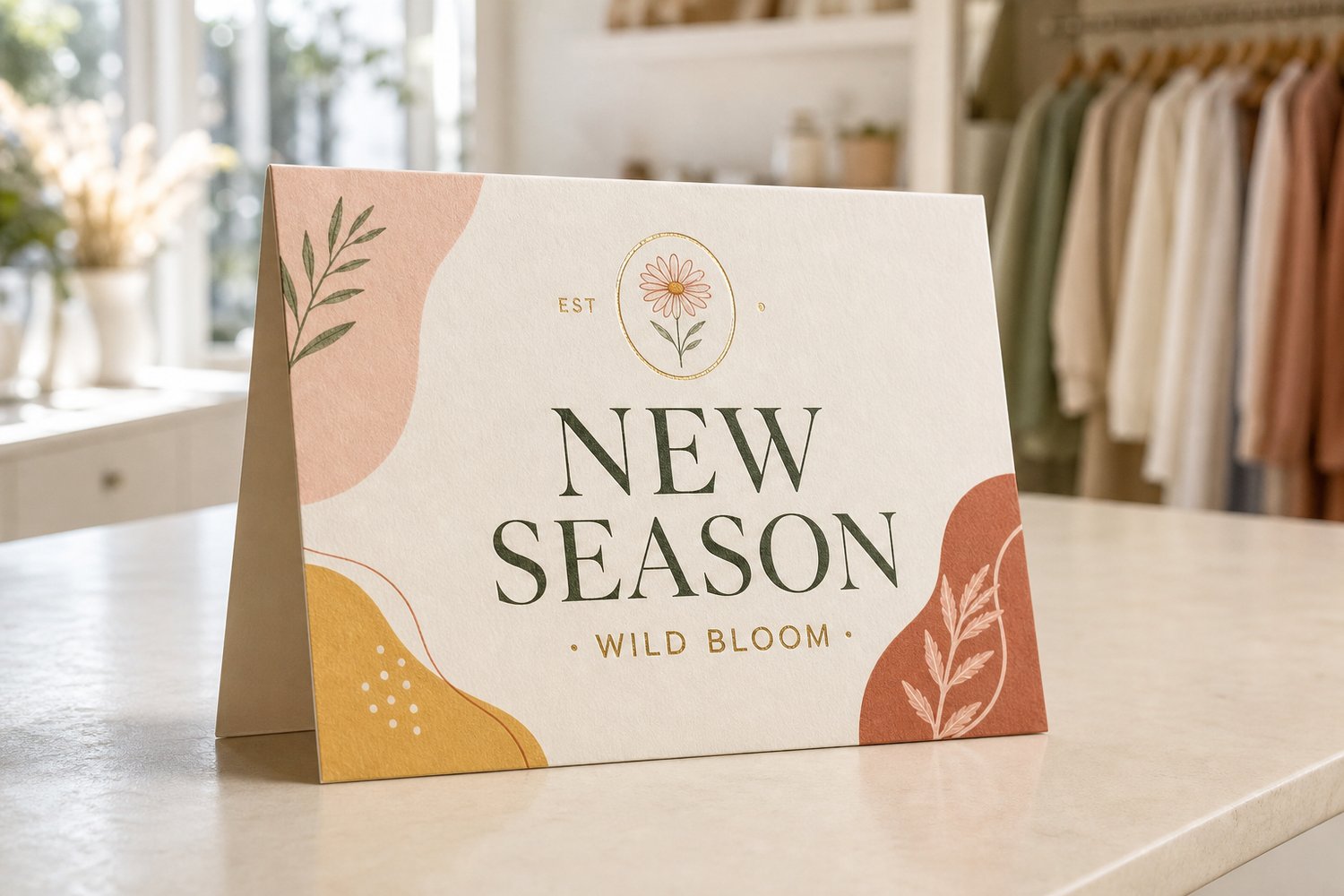
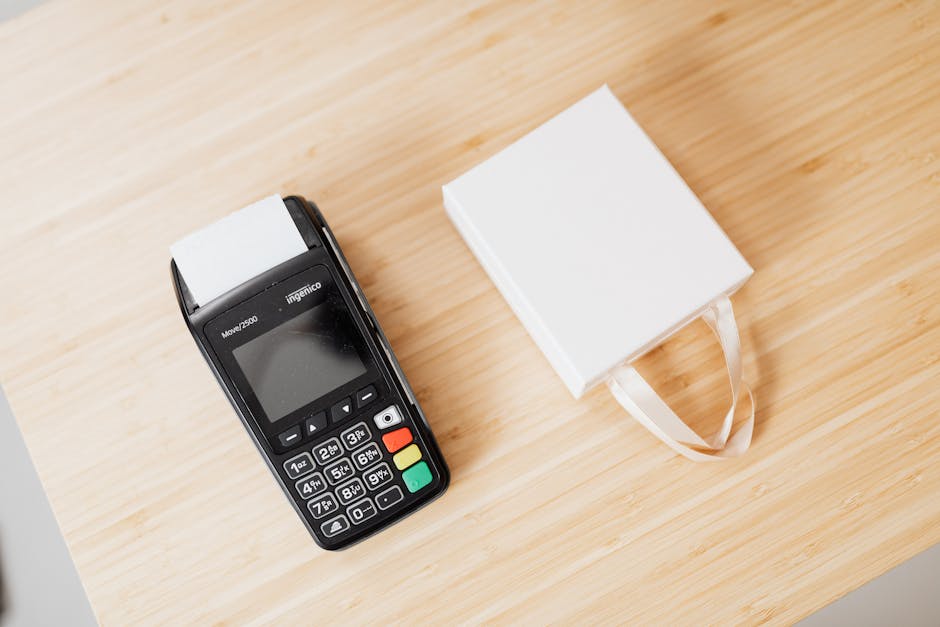
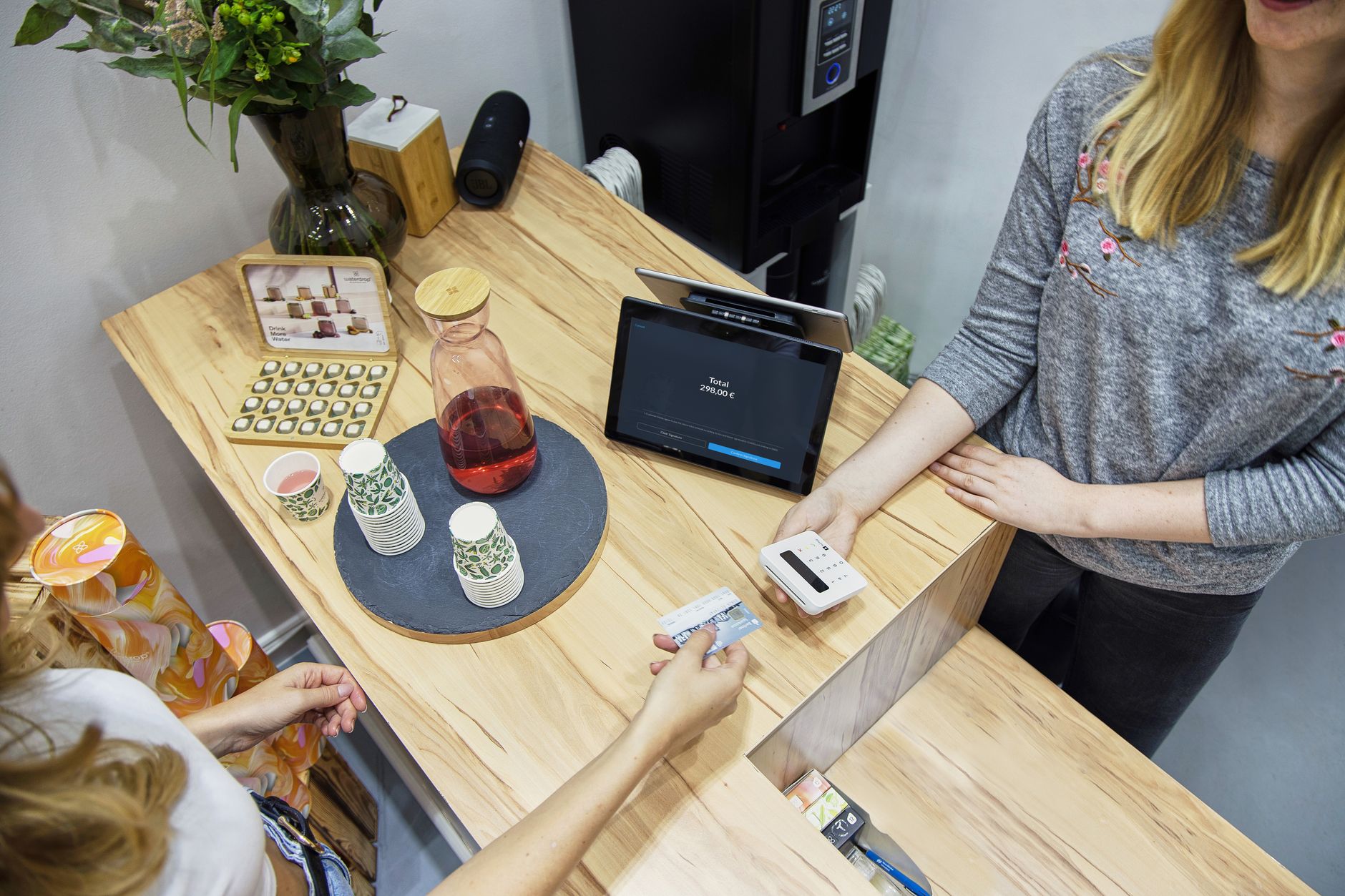
Counter cards are rigid, self-supporting printed panels sized for the horizontal surface beside your EFTPOS terminal or cash register. Because they sit at eye level for a standing customer, they work exceptionally well for last-minute upsells, loyalty sign-ups, and price-point promotions.
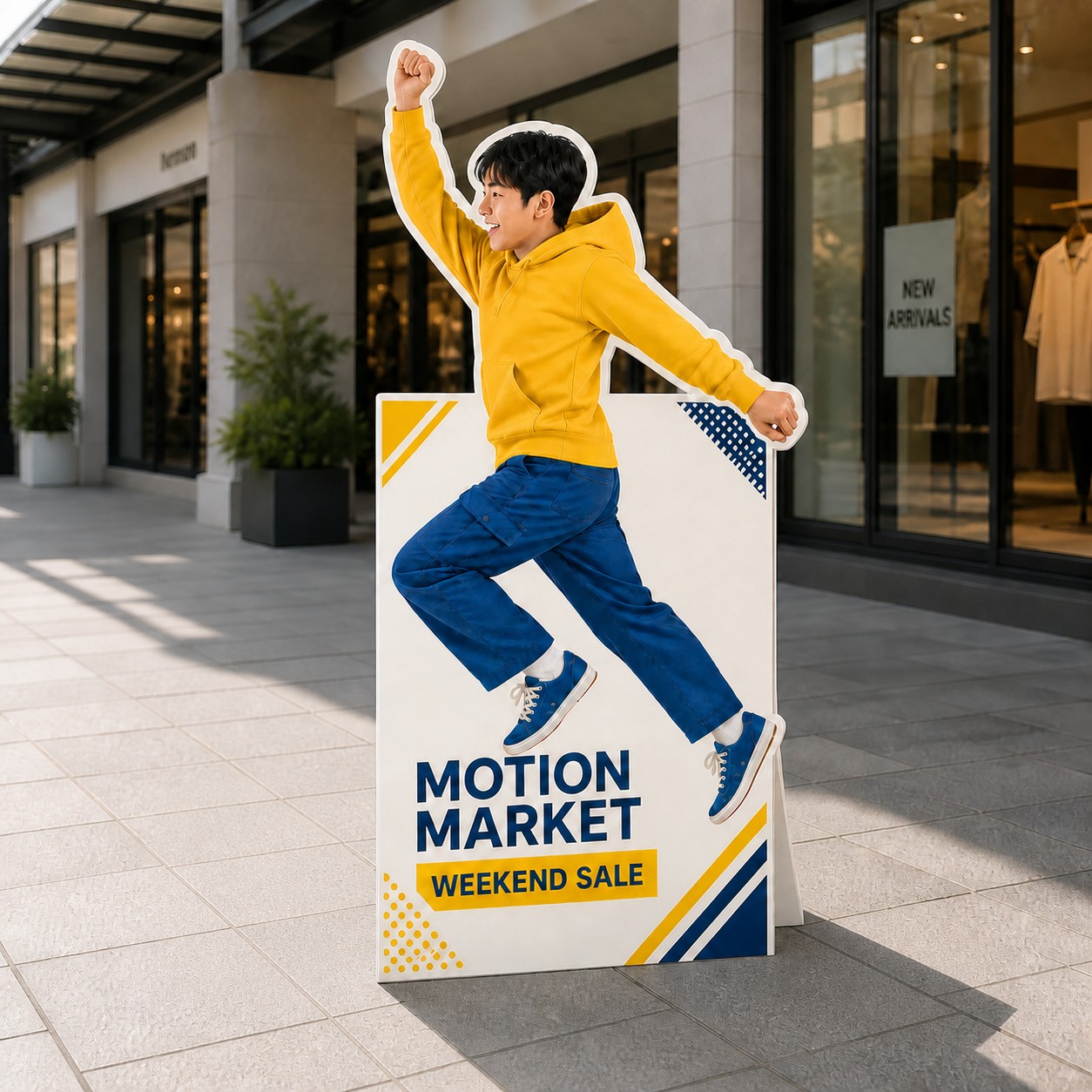
POS standees are large-format, freestanding floor displays. They command floor space and are best positioned at store entries, end-of-aisle locations, or beside featured product bays where a dramatic visual will stop foot traffic. Their strut-and-velcro construction makes them reasonably easy to reposition.
Shelf talkers are narrow, often flag-shaped pieces that clip or insert into the shelf rail directly beside a product. They are used more by FMCG brands in supermarket and pharmacy channels than by independent retailers.
For most independent and specialty retailers in Australia, the practical choice is between counter cards for the till area and standees for floor-level impact.
Counter Card Sizes, Material and Shapes
Paperlust counter cards are printed on 2.5mm Ecoboard: a 100% fibre-based display board with a triple-coated surface that takes full-colour print crisply. It is FSC Mixed Certified, recyclable, and biodegradable, which matters increasingly for retailers with sustainability commitments.
Standard sizes:
| Size | Dimensions | Best suited for |
|---|---|---|
| A5 | 148 x 210mm | Single product call-out, loyalty scheme prompt, small counter |
| A4 | 210 x 297mm | Price promotion, daily special, most common counter format |
| A3 | 297 x 420mm | Feature product hero, brand story, large counters and service desks |
Shape options: arch (curved top), rectangle, and wave (curved silhouette). Custom shapes are available on request, which opens up die-cut options for product silhouettes or brand-specific outlines.
Self-supporting design: counter cards are engineered to stand without a separate prop. An optional paper easel back is available for A5 and A4 sizes, adding extra angle adjustment for counters where the standard stand angle is too upright.
Minimum order is one piece, making short-run promotional cycles viable without a palletised minimum commitment.
You can order counter cards directly via the product page to get an instant quote scaled to your run size.
POS Standees: Full-Height Floor Displays
POS standees are the format to reach for when you need impact from across a room. Paperlust standees are printed on 5mm TEKfoam foamboard, which provides a rigid, smooth print surface and enough structural integrity to stand upright without wall support.
Standard standee dimensions:
| Dimensions | Common application |
|---|---|
| 1200 x 1800mm | Full adult-height promotional standee, brand hero at store entry |
| 700 x 1800mm | Narrower format, end-of-aisle, beside product fixtures |
Both formats include a strut and velcro dots on four corners for positioning stability. Custom contour cuts are available: product silhouettes, character shapes, and logo outlines are common requests from brands running experiential retail activations.
Production turnaround is 3-4 working days after design proof approval. Standees are available for domestic Australian delivery only due to the size and fragility of large-format rigid substrates.
Pricing starts from $68.20 AUD (inc. GST). For a live quote scaled to your size and quantity, see the point-of-sale standees product page.
Comparing Counter Cards vs Standees vs Shelf Talkers
The format decision usually comes down to three factors: available surface, budget per rotation, and the volume of foot traffic the display needs to intercept.
| Format | Typical size | Display location | Min quantity | Turnaround | Best for |
|---|---|---|---|---|---|
| Counter card | A5 to A3 | Counter / service desk | 1 | 24-hour express or 2-5 days standard | Weekly specials, loyalty prompts, seasonal swaps |
| POS standee | 700-1200mm wide x 1800mm tall | Floor (entry, end-cap) | 1 | 3-4 business days | New product launches, brand hero displays |
| Shelf talker | 70-150mm x 100-200mm | Shelf rail beside product | Typically 50+ | Varies by supplier | FMCG, supermarket, pharmacy channels |
When counter cards win: high rotation frequency (you change messaging weekly or fortnightly), limited floor space, no dedicated POS budget for large-format print, or you are trialling a new promotion before committing to a larger display investment.
When standees win: you are running a campaign that needs visual dominance, you have an uncluttered floor zone at the entry or beside a feature product, or your brand has a human or character element that benefits from life-size scale.
Rigid Board vs Strut-Back vs Freestanding: Understanding the Terminology
If you have shopped for POS printing before, you will have encountered the terms “strut card”, “showcard”, “showcase card”, and “counter card” used interchangeably. In Australian print trade, the distinctions are:
- Strut card / showcard: typically a lighter cardstock (often 350-420gsm) mounted to a 2mm backing board with a paper strut glued to the rear. Economical for very high-volume programs (hundreds of sites) but less rigid than foamboard or ecoboard options.
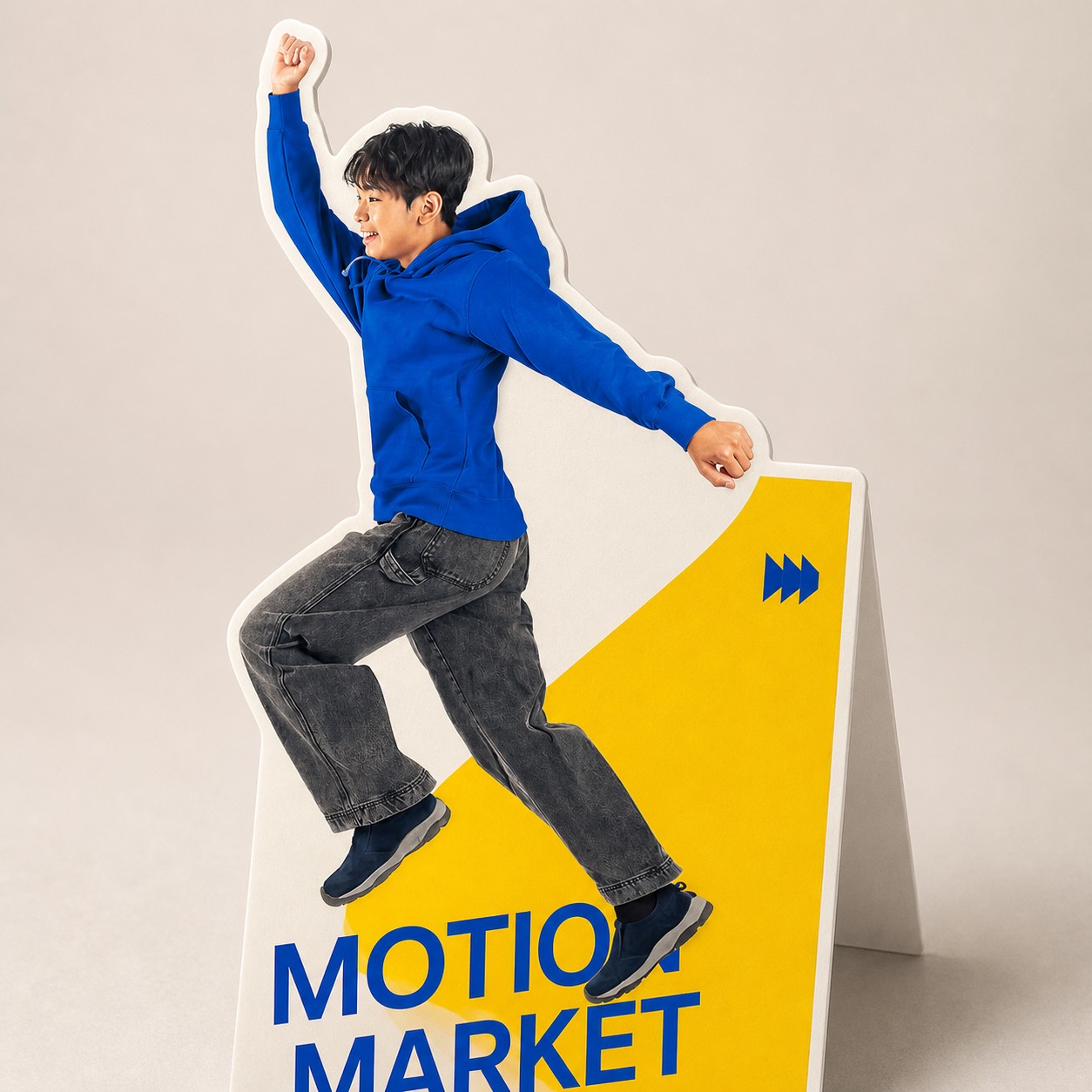
- Counter card (ecoboard): thicker rigid substrate (2.5mm in the Paperlust range) that is self-supporting without a separate strut. More durable, better suited to long-running displays and premium retail environments.
- Freestanding / standee (foamboard): 5mm substrate that stands independently on the floor. Built for high impact, not for counter placement.
For most Australian independent and specialty retailers, the ecoboard counter card hits the right balance of durability, print quality, and cost-per-piece.
Artwork Setup for Counter Cards and Standees
Getting your files right before you order avoids the most common cause of delay in POS print production.
Counter card file requirements
- Resolution: 300 DPI at print size (not at 72 DPI screen resolution).
- Colour mode: CMYK. RGB files will be converted on press and colours can shift, particularly with brand reds and deep blues.
- Bleed: include a bleed margin around all edges (check the product page for the exact bleed specification at your chosen size).
- Safe zone: keep all critical text and logos inside the safe zone, away from the trim edge.
- Shape path: if you are ordering an arch or wave, include the cut path as a separate layer or spot colour in your supplied PDF.
Standee file requirements
- The same 300 DPI and CMYK rules apply, scaled to the large format dimensions.
- For contour-cut standees, supply the silhouette path as a vector outline.
- A digital proof is provided before production on both counter cards and standees, giving you a final check before the job runs.
If you use a designer, pass them the product dimensions and ask for a print-ready PDF with bleed and crop marks. If you are working from a template, download it from the product page.
Short-Run Promo Cycles: Making Counter Cards Work Harder
One of the practical advantages of counter cards for retail is the economics of short runs. Because the minimum order is a single piece, you are not locked into a large quantity when you are testing a new message or running a one-weekend promotion.
A typical small retailer workflow:
Plan your rotation calendar
- Identify the key promotional windows for your category (end of financial year, school holidays, Christmas, Valentine’s Day).
- Assign a counter card slot to each window and brief design 2-3 weeks ahead.
Design with swappability in mind
- Use a consistent branded frame or background so different promotional messages read as a coherent campaign even as the headline changes.
- Keep your logo placement fixed across all versions.
Order at the right quantity
- For a single counter location, an A4 counter card at a very low quantity is cost-effective for a two-week promotion.
- For multiple sites (e.g. a franchise or multi-location retail group), order per-site quantities and centralise distribution.
Consider pairing with stickers for product-level calls-out
- Counter cards work at the display level; die-cut stickers can flag individual products on shelf or pack with price, promotional, or compliance information.
For promotional campaigns that also include in-store posters, see Poster Printing Australia: Sizes, Paper Stocks and Costs Explained for A1 to A4 poster options that coordinate with counter card campaigns.
Frequently Asked Questions
What is the difference between a counter card and a strut card?
The terms are often used interchangeably, but there is a practical difference in construction. A strut card typically uses a lighter cardstock with a paper strut glued to the rear, making it an economical option for high-volume programs. A counter card, as offered by Paperlust, uses a thicker rigid substrate (2.5mm Ecoboard) that is self-supporting without a separate strut. The ecoboard version is more durable and holds up better over longer display runs in busy retail environments.
What sizes are available for counter cards?
Paperlust counter cards are available in A5 (148 x 210mm), A4 (210 x 297mm), and A3 (297 x 420mm). Shape options include arch, rectangle, and wave. Custom sizes and shapes are available on request. For most retailers, A4 is the most commonly used size as it is visible without dominating a standard counter.
How quickly can I get counter cards printed?
Paperlust offers a 24-hour express option and a standard 2-5 business day production window, both calculated from artwork approval. Domestic shipping within Australia adds 1-2 days for metro locations and 2-5 days for regional areas. If you need a display for a weekend promotion, ordering early in the week with express production is the reliable path.
Can I order just one counter card?
Yes. The minimum order for counter cards is one piece. This makes them practical for trialling a new promotional message before committing to a larger run, or for a single-location retailer who updates their display frequently.
What file format should I submit for a counter card?
Submit a print-ready PDF at 300 DPI in CMYK colour mode, with bleed included on all edges and all critical elements inside the safe zone. A digital proof will be provided before production so you can confirm the layout before the job prints.
Are POS standees available with custom shapes?
Yes. Standees are available in standard rectangular formats (1200 x 1800mm and 700 x 1800mm) as well as custom contour cuts. Custom contour standees are often used for character cutouts, product silhouettes, or brand logo shapes. Mention your shape requirements at the time of enquiry so the production team can advise on the path format needed for the cut file.