To remove sticker residue from plastic, warm the area first, then work an oil or citrus remover into the adhesive and lift it with a plastic scraper or the edge of an old card. Never use a blade. The guide below covers glass, car paint, painted walls, sealed wood, fabric and clothing, and electronics and screens. Test on a hidden spot first.
At a glance
- Start gentle: warm soapy water and a plastic scraper often lift fresh residue without chemicals.
- Match the solvent to the surface – acetone destroys acrylic, polycarbonate, ABS and painted surfaces
- Adhesive age matters: heat the residue first on anything older than a few weeks
- Fabric: freeze first, then treat – never use oil on delicate or dry-clean-only fabric
- Car paint: warm with a heat gun or hair dryer at low setting; WD-40 or eucalyptus oil; no razor blades
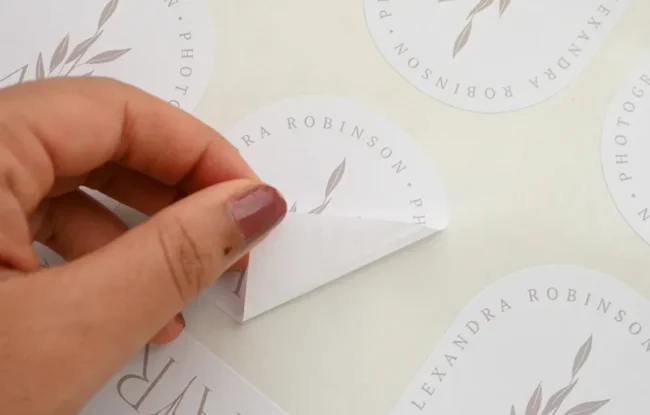
- Peel slowly: after warming, pull the sticker back at a low angle so the adhesive releases with less residue.
Why Residue Happens: Adhesive Types at a Glance
Not all sticky residue behaves the same because not all adhesives are the same. Knowing the type you are dealing with tells you which treatment to reach for first.
| Adhesive Type | Common Use | Residue Behaviour | Best Treatment |
|---|---|---|---|
| Acrylic pressure-sensitive (PSA) | Most modern stickers and labels | Stretchy, can smear if rushed | Isopropyl alcohol or citrus remover |
| Rubber-based PSA | Older stickers, some packaging tape | Crumbles or flakes when aged | Heat first, then oil or rubbing alcohol |
| UV-cure adhesive | Security labels, industrial | Very resistant to solvents | Commercial remover (Goo Gone or similar) |
| Removable / repositionable PSA | Temporary labels, sale stickers | Peels clean with minimal treatment | Warm soapy water usually enough |
| Heat-activated | Fabric transfers, iron-on labels | Softens with heat; do not re-heat on delicate fabric | Gentle heat, then peel; rubbing alcohol if residue remains |
If you ordered standard stickers or labels and the adhesive is unknown, assume acrylic PSA and start with heat plus isopropyl alcohol.
Spot test any surface before stronger removal
Before you reach for a stronger remover, run a quick patch check. You want to know whether the surface can tolerate the next method before you commit.
- Identify the surface, and note the plastic resin code if there is one.
- Pick a hidden spot, such as a bottom corner or an inside edge.
- Try the gentlest method first: warm soapy water, then low heat.
- Let the spot dry, and check for clouding, softening, tackiness, color transfer, or a dull patch.
- Only if the spot looks clean, move one step stronger: oil, then citrus remover, then rubbing alcohol where the surface table allows it.
- Stop and go back a step at the first sign of damage.
For electronics and screens, power the device off first. Keep all liquid away from openings. Use a lightly damp cloth only, and do not let moisture sit.
Surface-by-Surface Removal Guide
This table gives the fastest answer. Detailed instructions for each surface follow below.
| Surface | Best Method | Second Option | Definitely Avoid |
|---|---|---|---|
| Glass (window, jar, mirror) | Rubbing alcohol or white vinegar soak | Razor blade on flat glass only, plastic scraper | Nothing is off limits on plain glass |
| Hard plastic (general) | Cooking oil or rubbing alcohol | Citrus remover, heat (low) | Acetone, nail polish remover, metal scrapers |
| Car paint | Hair dryer (low) then WD-40 or eucalyptus oil | Commercial adhesive remover | Razor blades, acetone, abrasive pads |
| Painted walls (indoor) | Cooking oil or peanut butter, rubbing alcohol | Baking soda paste | Acetone, strong solvents, razor blades |
| Sealed wood (furniture) | Cooking oil, heat method | Eucalyptus oil | Water soaking, white vinegar (prolonged), acetone |
| Fabric / clothing | Freeze 30 min, then peel; cooking oil if residue remains | Eucalyptus oil | Acetone, nail polish remover, soaking in hot water |
| Electronics / screens | Eucalyptus oil or citrus remover on housing; barely damp cloth on screens | Rubbing alcohol under 30 seconds on housing | Acetone, soaking, nail polish remover |
| Metal (appliances, tools) | Rubbing alcohol or WD-40 | Soapy water soak | Nothing critical, but avoid prolonged soaking on raw steel |
How to Remove Sticker Residue From Plastic
Plastic needs its own removal plan because it is porous and softer than glass or metal, so a solvent that is safe on glass can cloud, etch or dissolve the wrong plastic. The type of plastic, whether PET, HDPE, PP, LDPE, ABS, PVC, acrylic or polycarbonate, decides which method is safe. The table below ranks the five methods by difficulty, time, cost and what each suits.
For most plastic surfaces, a one-two punch of gentle heat followed by an oil soak clears sticker residue in under ten minutes without any risk of surface damage. For old, stubborn residue baked on for months, a commercial remover like Goo Gone or a citrus-based solvent is the next step. Rubbing alcohol works quickly but requires short contact time, and nail polish remover (acetone) should be reserved for PET plastic only – never on ABS, acrylic, PVC, or polycarbonate.
| Method | Difficulty | Time needed | Estimated cost | Best for |
|---|---|---|---|---|
| Heat (hair dryer) | Easy | 2-5 min | Free | Fresh stickers on most plastics |
| Cooking or eucalyptus oil | Easy | 5-15 min | Cents | All plastics, food-safe surfaces |
| Goo Gone / commercial remover | Easy | 2-5 min | $8-15 | Stubborn or old residue |
| Rubbing alcohol (70-90% IPA) | Easy-Medium | 3-8 min | $4-7 | Most hard plastics (brief contact only) |
| Vinegar + baking soda paste | Medium | 5-20 min | Cents | Light residue on food-safe surfaces |
| Plastic scraper (mechanical) | Medium | 5-20 min | $2-8 | After softening with heat or oil |
| Nail polish remover (acetone) | High risk | 1-3 min | $3-8 | PET and HDPE only – test first |
Why plastic is harder to clean than glass or metal
Glass and metal have high surface energy and genuinely non-porous surfaces – adhesive sits on top and releases cleanly when force is applied. Plastic presents three specific challenges that glass and metal do not:
- Micro-surface texture: Most plastic has a micro-porous or slightly textured surface at the molecular level. Over time, acrylic PSA flows into these micro-pockets, increasing contact area and bond strength exponentially. A sticker left on for six months is far harder to remove than one applied yesterday.
- Chemical sensitivity: Many solvents that dissolve PSA also attack plastic polymers. Acetone softens and clouds ABS within seconds. Strong alcohols can craze polycarbonate. The solvent that works perfectly on glass can permanently damage a plastic surface.
- Heat sensitivity: Glass and metal conduct and dissipate heat quickly. Plastic retains it. A sustained blast of high heat from a hair dryer can warp thin plastic before the adhesive has softened enough to release.
Method 1: Heat-Based Removal
Heat works by raising the adhesive above its glass-transition temperature – the point where a polymer shifts from rigid to pliable. For most acrylic PSAs this occurs somewhere between 50-70°C. At that temperature, the adhesive softens enough to release its grip on the plastic micro-texture and can be peeled or wiped away cleanly. Heat is the safest starting point for most plastics because no chemicals are introduced to the surface.
Hair dryer
Hold the dryer 15-20cm from the sticker or residue on a medium-heat setting. Move it in slow circles for 20-30 seconds until the surface feels warm to the touch. Immediately rub the residue with your fingertip or a soft cloth in small circular motions – it should ball up and lift off. If it’s not moving, apply another 15-second heat pass before trying again.
- Keep the dryer moving – sustained heat on one spot can warp thin plastic
- Don’t exceed 45 seconds of continuous heat on the same small area
- Works particularly well on kids’ toys (ABS, PP) and water bottles (PET)
Warm water soak
For containers, lunchboxes, and small plastic items that can be submerged, a 10-minute soak in warm (not boiling) water is one of the most effective hands-off methods. The sustained warmth softens both the label adhesive and any residue left behind after the label face has been removed. Add a few drops of dish soap to help break down the adhesive during the soak.
After soaking, rub the residue gently with your thumb or a microfibre cloth under warm running water. Water temperature should be comfortably warm to the touch – around 45-55°C is ideal. Boiling water can deform PP yoghurt containers and LDPE squeeze bottles, so keep it to a warm bath rather than a kettle pour.
Sunlight (passive method)
If you’re not in a hurry: place the plastic item in direct sunlight for 20-30 minutes before attempting removal. Radiant heat gently warms the adhesive across the whole surface without the risk of localised overheating from a hair dryer. Particularly effective in summer for outdoor toys, garden equipment, and storage containers. Combine with an oil soak afterwards for best results on older residue.
Method 2: Oil-Based Removal
Oil-based removal is the gentlest method available – and it works because adhesive polymers are lipophilic: they dissolve in fats and oils rather than water. More importantly, oils are completely safe on every plastic type, including chemically sensitive ABS electronics and acrylic display cases. They won’t cloud, craze, or chemically attack any household plastic, making this the go-to method whenever you can’t risk surface damage.
Which oils work
Any oil with medium viscosity will work. The most effective options:
- Eucalyptus oil: The strongest natural adhesive solvent in this group. A few drops on a cloth, left on the residue for 2-3 minutes, dissolves most acrylic PSA without scrubbing. Available from any chemist or supermarket.
- Olive oil or vegetable oil: Slower-acting but completely food-safe. Ideal for food containers, kids’ toys, and any surface where you want zero chemical contact. Apply, leave for 5 minutes, then rub with a soft cloth.
- Coconut oil: Similar to olive oil. Slightly more effective on warmer surfaces due to its lower melting point.
- Peanut butter or mayonnaise: The oils in these spread easily and the paste consistency keeps the solvent in contact with the residue. Apply a small amount, leave for 5-10 minutes, then wipe away along with the loosened residue.
Application method
- Apply a small amount of oil to the residue – enough to coat it fully
- Leave it to penetrate for 3-10 minutes (longer for older, dried-out residue)
- Rub in small circular motions with a soft cloth or your thumb
- The residue will ball up into small rubbery clumps that lift off cleanly
- Clean the oily surface with warm soapy water afterwards
Oil works best on older, baked-on residue, especially on plastics that cloud or soften with solvents. It is also a practical choice for children’s items, where you want to avoid harsh chemicals. Work a small amount into the adhesive, wait a few minutes, then wash the oil off with warm soapy water.
Method 3: Commercial Removers
Commercial adhesive removers are formulated specifically to dissolve PSA chemistry without the trial-and-error of household alternatives. They’re worth the investment for heavy residue build-up, multiple surfaces, or very old adhesive that natural methods can’t shift. The key is knowing which products are genuinely plastic-safe – not all of them are.
Goo Gone and Goo Gone Pro
Goo Gone is citrus oil and petroleum-based. It works by penetrating under the adhesive layer and breaking the molecular bonds between PSA and the surface. The manufacturer notes it as safe for most hard plastics on brief contact – but it’s not risk-free for all plastic types, and rinsing is always required.
- Safe for: PET, HDPE, PP food containers (rinse thoroughly – prolonged contact can cause surface haziness on PP)
- Test first on: ABS electronics, PVC items, and any painted or coated plastic
- Always rinse: Never leave Goo Gone soaking on plastic for more than a few minutes
WD-40
WD-40 is a penetrant oil and light solvent – it works similarly to oil-based removal but with stronger solvent action. Apply to the residue, leave for 1-2 minutes, then wipe away. WD-40 is safe for most hard plastics on brief contact but should not be left soaking on ABS or PVC for extended periods. Always clean the surface with soapy water afterwards to remove the petroleum residue, particularly on food-contact items.
De-Solv-It and citrus-based options
De-Solv-It is an Australian-made citrus solvent widely stocked at Bunnings, Woolworths, and Coles. It’s gentler than acetone-based products and safe for most plastics. The d-Limonene (citrus extract) it contains acts as a solvent on PSA without the chemical aggression that attacks plastic polymers. Other products in this category include Orange Power Sticky Label Remover and Citrus Power – all effective, all reasonably plastic-friendly.
3M and Avery both note in their official guidance that citrus-based removers are the recommended starting point for label removal from plastic and coated surfaces. It’s the industry-standard recommendation for good reason: effective without the risk profile of solvent-based products.
Method 4: DIY Chemistry
Kitchen and bathroom cabinet staples can do a solid job on sticker residue – with one critical caveat. Some of these work through solvent action, and the same chemistry that dissolves adhesive can attack certain plastics. Know your surface type before using anything in this category.
Rubbing alcohol (isopropyl alcohol, 70-90%)
Isopropyl alcohol (IPA) is one of the most effective household adhesive solvents. It works by breaking polymer chains in the PSA rather than dissolving it wholesale – which is why it acts quickly on contact. At 70-90% concentration it evaporates fast, which limits contact time with the plastic surface and reduces risk.
Apply with a cotton ball or cloth, rub in a circular motion, and let it evaporate fully before assessing progress. For stubborn residue, saturate a cloth and hold it against the spot for 30-60 seconds before rubbing.
- Safe for: PET, HDPE, PP with brief contact (under 60 seconds)
- Use cautiously on: ABS – keep contact under 30 seconds and rinse immediately. Extended contact causes surface dulling.
- Avoid on: Acrylic (PMMA) display cases and signage at high concentrations – can cloud the surface. Polycarbonate items similarly sensitive.
Vinegar and baking soda paste
White vinegar (acetic acid) has mild solvent properties effective on some adhesive types, particularly older rubber-based PSAs. Baking soda adds gentle abrasive action. Mix one tablespoon of baking soda with enough white vinegar to form a thick paste. Apply to the residue, leave for 5-10 minutes, then scrub gently with a soft cloth.
This method is slower and less powerful than the options above, but it’s completely food-safe and appropriate for kids’ items, food containers, and surfaces where you want zero chemical contact. It works best on lighter, recent residue rather than old, dried-out adhesive.
Nail polish remover: a necessary warning
Acetone – the active ingredient in most nail polish removers – is a powerful ketone solvent that dissolves acrylic PSA very quickly. The problem: it’s also highly aggressive towards many plastic polymers. Acetone will permanently craze, cloud, or melt ABS, acrylic, polycarbonate, and PVC within seconds of contact. That surface damage is visible immediately and cannot be reversed.
If you use it at all, limit acetone to PET and HDPE plastics only. Acetone-free nail polish remover – usually labelled “gentle” or “conditioning” – uses ethyl acetate instead, which is less damaging to most plastics but still warrants a test patch. Apply very briefly (10-15 second contact maximum), rinse immediately with water, and always test on an inconspicuous area first.
Before you order for easy removal
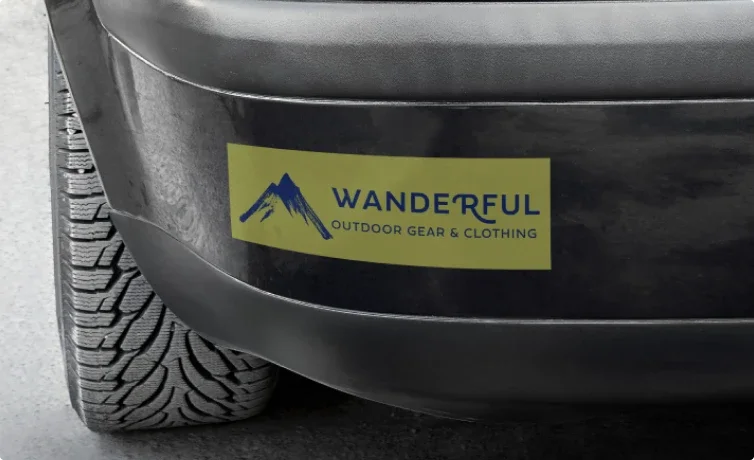
If you will need to remove stickers later, test one sample on the real surface first and ask customer service about the surface and timeframe before you order. The removable stock we sell is Bumper Stickers. Vinyl Stickers are made to stay on smooth, flat surfaces indoors and out.
Method 5: Mechanical Removal (Last Resort)
Mechanical removal – physically scraping or rubbing residue away – should always follow, not precede, one of the heat or chemical methods above. Using a scraper on dry, unsoftened residue dramatically increases the risk of scratching the plastic surface and often embeds the adhesive further into the surface texture. Use mechanical methods to finish the job after a first-pass treatment.
What to use
- Plastic scraper or credit card edge: Held at a very shallow angle (15-20 degrees), a plastic scraper lifts loosened residue without surface abrasion. Plastic-on-plastic means no scratching risk at the right angle.
- Microfibre cloth: For residue softened by heat or oil, vigorous circular rubbing with a dry microfibre cloth often clears the surface completely without any scraping at all.
- Rubber eraser: A clean white pencil eraser works as a gentle mechanical abrasive for small spots of dried residue on smooth-surface plastics like PET bottles. Use light pressure in short strokes.
- Your fingertip: Underrated. Once residue has been softened with heat or oil, rubbing it with your fingertip in circular motions causes it to ball up and lift off cleanly.
What NOT to use
- Metal scrapers or razor blades: Will scratch and gouge plastic surfaces regardless of applied pressure
- Steel wool or abrasive scouring pads: Leave a network of fine scratches that collect dirt and look worse than the original residue
- Stiff-bristled brushes: Can leave brush marks in softer plastics such as PP and LDPE
- Solvents without prior softening: Rubbing dry PSA residue with a solvent-soaked cloth can work the adhesive further into surface texture rather than lifting it
Your Plastic-Type Reference Guide
This is the section that changes outcomes. The same method that works perfectly on a PET water bottle can permanently damage an ABS electronics casing. Use the recycling number moulded into the base of the item to identify your plastic type, then cross-reference below. Items without a recycling code should be treated conservatively as ABS until the material is confirmed.
Common identifiers: PET = recycling symbol 1, HDPE = 2, PVC = 3, LDPE = 4, PP = 5. ABS carries no standard recycling code – look for “ABS” stamped on electronics housings, or check the manufacturer’s specs. Acrylic (PMMA) similarly has no recycling code: identify it by clarity, brittleness, and a slightly hollow sound when tapped.
| Plastic type | Common items | Safe methods | Use with caution | Avoid entirely |
|---|---|---|---|---|
| PET (1) | Clear drink bottles, food jars, sauce bottles | Heat, oil, rubbing alcohol, Goo Gone, vinegar paste, WD-40 | Nail polish remover (very brief contact, rinse fast) | Boiling water (deforms thin PET) |
| HDPE (2) | Milk bottles, shampoo bottles, cleaning product containers | Heat, oil, rubbing alcohol, Goo Gone, vinegar paste, WD-40 | Nail polish remover (test first, brief) | Prolonged acetone contact |
| PP (5) | Tupperware, yoghurt containers, kids’ food items, bottle lids | Heat (low-medium), oil, rubbing alcohol (brief), citrus removers | Goo Gone (rinse thoroughly), WD-40 (rinse well) | Nail polish remover, prolonged Goo Gone contact |
| LDPE (4) | Squeeze bottles, soft packaging, bin liners | Oil, warm water soak, vinegar paste | Rubbing alcohol (brief, rinse promptly) | High heat (deforms easily), strong solvents |
| ABS | LEGO, electronics casings, car interior trim, kitchen appliances | Heat (low – keep under 45 sec), oil, eucalyptus oil, citrus removers | Rubbing alcohol (under 30 sec contact, rinse immediately), WD-40 (brief only) | Acetone, nail polish remover, ketone solvents, prolonged IPA contact |
| PVC (3) | Some food wrap, car interior panels, pipes, garden hose fittings | Oil, citrus removers, warm water | WD-40 (brief, rinse well), rubbing alcohol (very brief) | Acetone, nail polish remover, high heat (PVC can off-gas at elevated temperatures) |
| Acrylic / PMMA | Display cases, signage panels, picture frames, light diffusers | Low heat, oil, warm water, citrus removers | Rubbing alcohol (very brief contact only – 15 sec max) | Acetone, nail polish remover, abrasive scrubbers, steel wool |
| Polycarbonate / PC | Some water cooler bottles, protective phone cases, safety goggles | Oil, warm water, citrus removers | Rubbing alcohol (under 15 sec, rinse immediately with water) | Acetone, ketone solvents, prolonged IPA contact |
Glass
Glass is the most forgiving surface. Rubbing alcohol (isopropyl 70% or stronger) applied to a soft cloth and held against the residue for 30 seconds will dissolve most acrylic PSA cleanly. White vinegar soaked onto the spot for five to ten minutes works nearly as well and is completely non-damaging. On flat glass (windows, picture frames) a single-edge razor blade held at 30 degrees slides under hardened residue without scratching. Always wet the surface first before using a blade.
For glass jars and bottles, a full soapy water soak for 30 minutes softens both the label and the adhesive, making the residue easy to scrub off with a nylon pad.
Car Paint
Car paint is a layered system: primer, base coat, clear coat. The clear coat is susceptible to scratching and to solvents. Never use a razor blade, metal scraper, or acetone near painted panels.
The safest approach:
- Warm the residue with a hair dryer on low heat, held 15 cm away, for 20 to 30 seconds. This softens the adhesive without heating the paint enough to cause any lifting.
- Apply a small amount of WD-40, eucalyptus oil, or a specialist automotive adhesive remover to a microfibre cloth.
- Rub in small circles. The residue should roll off without pressure.
- Wash the panel with car shampoo and rinse well to remove any oily residue.
For dealership stickers or boot badges bonded with tape rather than sticker adhesive, use dental floss or fishing line worked back and forth under the badge combined with adhesive remover, rather than trying to peel from one edge.
Painted Walls
Painted walls sit at the junction of two risks: the adhesive residue must come off, and the paint underneath must stay on. Never use acetone or strong solvents. The safest household option is cooking oil or peanut butter: apply a small amount directly to the residue, leave for five minutes, then wipe off with a damp cloth. The oil lubricates without attacking latex or enamel paint.
Rubbing alcohol at low concentration (70%) works on most modern wall paints, but test on a hidden spot first. Apply sparingly, dab rather than rub, and wipe off immediately.
Baking soda paste (equal parts baking soda and cooking oil) is a good option for stubborn residue on textured or matte walls where rubbing might leave a sheen.
Sealed Wood (Furniture, Floors)
Water is the enemy of wood. Any method that involves prolonged water contact risks raising the grain or lifting the finish. Cooking oil or eucalyptus oil applied to a soft cloth and worked into the residue for three to five minutes is the safest method. The oil breaks down the adhesive without penetrating the sealed surface.
White vinegar works but leave it in contact for no more than 60 seconds. Prolonged contact softens some lacquer and polyurethane finishes. Heat (hair dryer on low) is safe on most sealed timber surfaces; just do not let the surface become hot to the touch.
For hardwood floors, avoid standing liquids. Apply oil to a cloth, not directly to the floor, and wipe dry immediately after treatment.
Fabric and Clothing
The freeze method is the most reliable starting point: place the item in a sealed plastic bag and put it in the freezer for 30 minutes. Cold makes acrylic PSA brittle, and you can often crack or peel most of it off in a single motion. Do not flex the fabric while it is still frozen or you risk breaking fibres.
Any residue that survives the freeze can usually be treated with a small amount of cooking oil applied with a cotton ball, left for 10 minutes, then washed with dishwashing liquid before putting the item through the normal laundry cycle. Test on an inconspicuous area first; oils can stain lighter or delicate fabrics permanently.
For dry-clean-only items, do the freeze peel and then take the item to a dry cleaner. Do not attempt solvent treatments at home.
Electronics and Screens
Electronics need two separate approaches depending on where the residue is sitting.
On plastic housing (ABS, polycarbonate): Eucalyptus oil or a citrus-based remover is the safest option. Apply to a cotton tip or cloth, not directly to the device. Rub gently and wipe clean. Rubbing alcohol works but limit contact to under 30 seconds and never let it pool near ports, speaker grilles or seams where it can wick inside.
On screens: Never use any solvent. Use a barely damp cloth to soften the adhesive and a plastic card edge or soft cloth to gently push the residue to the edge, then lift. For laptop screen bezels, eucalyptus oil on a cotton tip applied only to the bezel (not the screen panel) is safe.
Power down all devices before any cleaning.
No-Residue Options: Choosing the Right Adhesive From the Start
Match the adhesive to your removal plan before you order. Removable adhesives exist in the market and generally release more easily, but the surface, temperature, and dwell time still change the result. If easy removal is a priority, say so early in the ordering conversation.
Heat, time, and porous surfaces all make adhesives bond harder. A sticker that peels cleanly after a week may leave more behind after a summer on a textured plastic bin. Plan for the hardest case, not the best case.
For vehicles, Bumper Stickers are the removable stock we sell: White Gloss Removable or Clear Removable, with a plastic laminate built in. For smooth, flat surfaces indoors and out, Vinyl Stickers are laminated as standard and made to stay. Die Cut, Kiss Cut and Circle Stickers are paper based sticker stock with optional laminate.
When clean removal matters, order a Sticker and Label Sample Pack and test one sticker on the real surface before committing. Tell customer service what surface it is going on and how long it must stay. For a deeper comparison, read Removable vs Permanent Stickers.
Prevention: How to Peel Stickers for Minimal Residue
Even permanent-adhesive stickers leave less residue with the right removal technique.
- Peel at 15 to 30 degrees. Pulling straight up at 90 degrees tears the adhesive layer, depositing chunks on the surface. A shallow angle pulls the adhesive along with the sticker face.
- Apply heat before peeling. A hair dryer on low for 20 seconds softens the bond enough that even older permanent stickers often peel cleanly.
- Peel slowly. Speed increases the force required, which increases the chance the adhesive layer separates from the face material and stays behind.
- On curved surfaces: soften with heat and peel from one edge in a single slow motion rather than peeling back on itself.
Surface preparation for clean removal later
Even with removable adhesive, surface prep at application time affects how cleanly a sticker releases later:
- Clean the surface first: Dust, oils, or micro-contamination trapped between the adhesive and the surface bonds into the interface and makes removal messier. Wipe plastic with a lint-free cloth and allow to dry fully before applying.
- Apply in moderate temperature: Avoid applying stickers in direct sun or heat above 35°C. The adhesive activates more aggressively in heat and bonds more permanently than intended – even a removable-spec adhesive will behave more like a permanent one if applied to a hot surface.
- Apply with flat pressure: Use a credit card or soft squeegee to press stickers down evenly. Bubbles in the adhesive layer create stress points that can tear rather than release cleanly during removal.
- Remove at a low angle: When removal time comes, peel from a corner at 15-30 degrees – nearly parallel to the surface. A high-angle pull (straight up) stresses the adhesive bond and is far more likely to leave residue or tear the sticker face.
Why a die cut sticker shape helps you peel
A die cut sticker is cut as a single piece in its final shape. That gives you a clear starting point. After warming, lift one corner or point and pull back low and slow so the adhesive releases in one piece instead of tearing in sections.
If the sticker is on a painted car surface, follow the gentler method for paint and read car stickers that won’t damage paint before you start.
Frequently Asked Questions
What is the fastest way to remove sticker residue from plastic?
A hair dryer on medium heat for 20-30 seconds followed by rubbing the warmed residue with a microfibre cloth removes most fresh residue in under five minutes. For older, dried-out residue, apply eucalyptus oil or Goo Gone, let it penetrate for 3-5 minutes, then rub with a soft cloth. The heat-then-oil combination works on virtually every plastic type with no risk of surface damage.
Can I use nail polish remover on plastic?
Only on PET (recycling code 1) and HDPE (2) plastics, and only with very brief contact. Acetone – the active ingredient in most nail polish removers – will permanently craze, cloud, or melt ABS, acrylic, polycarbonate, and PVC within seconds. Acetone-free nail polish remover (ethyl acetate-based) is safer but should still be tested on an inconspicuous area before use. When in doubt, use rubbing alcohol or a citrus-based remover instead.
Will WD-40 damage plastic?
WD-40 is safe for most hard plastics on brief contact, including PET, HDPE, and PP. It can cause surface dulling on ABS with prolonged contact and should be rinsed away with soapy water after use. Apply it with a cloth rather than spraying directly onto the surface to control contact time. Never leave WD-40 soaking on plastic for more than a couple of minutes.
Is Goo Gone safe for all types of plastic?
Goo Gone is safe for PET, HDPE, and most hard PP plastics with brief contact, rinsed thoroughly afterwards. Test on ABS and PVC before committing to full application – both can react negatively to petroleum-based solvents. The manufacturer recommends testing on an inconspicuous area and rinsing with clean water and dish soap after the residue has been removed. Avoid using it on soft flexible plastics (LDPE squeeze bottles) or any coated plastic without a test patch.
How do I remove sticker residue from plastic without chemicals?
Heat plus mechanical action is your chemical-free method. Use a hair dryer on medium heat for 20-30 seconds, then rub the softened residue immediately with your fingertip or a microfibre cloth. Cooking oil (olive oil, coconut oil, or eucalyptus oil) is the natural alternative – completely non-toxic and safe on every plastic type. A warm water soak for 10 minutes works well for items that can be submerged. None of these methods introduce any chemicals to the surface.
What causes white residue after removing a sticker from plastic?
White or chalky residue after sticker removal is usually one of two things: dried adhesive that has lost its surface tack and turned opaque, or surface hazing caused by a solvent that has reacted with the plastic polymer. Dried adhesive residue will respond to oil or a commercial remover. If the white area appears to be in the surface itself – looks frosted, scratched, or slightly recessed – that is solvent crazing, which is difficult to reverse. A light application of plastic polish (such as Brasso or Autosol applied with a soft cloth) can sometimes reduce surface hazing on acrylic and polycarbonate.
Can I use a razor blade on plastic to remove sticker residue?
No. A metal razor blade will scratch and gouge plastic surfaces regardless of how carefully it is held or angled. Plastic scratches are permanent and will accumulate dirt and make the surface look worse over time. Use a plastic scraper or a credit card edge held at a shallow 15-degree angle instead, and only after the residue has been softened with heat or oil. Your fingertip is often more effective than any tool once the adhesive has been loosened.
Does rubbing alcohol damage plastic?
Rubbing alcohol (70-90% isopropyl alcohol) is safe for PET, HDPE, and PP with brief contact under 60 seconds, followed by rinsing with water. On ABS, keep contact time under 30 seconds and rinse immediately – extended exposure causes surface dulling. Avoid rubbing alcohol on acrylic display cases and polycarbonate at high concentrations, as it can cause clouding. Ethanol-based hand sanitiser (typically 60-70% alcohol) is gentler and can be substituted where isopropyl is borderline.
What type of sticker is easiest to remove cleanly from plastic?
In general, stickers with removable adhesive release most easily. How long the sticker has been on and how much heat it has absorbed usually matter a lot. The removable stock we sell is Bumper Stickers. Test one on your surface first.
Plan your next sticker order with removal in mind
Ask customer service about your surface and how long it must stay, then test one sticker first.
What is the best household product to remove sticker residue in Australia?
Isopropyl alcohol (available from pharmacies, Bunnings or Coles) is the most versatile option for non-porous surfaces: glass, metal, sealed plastic. Eucalyptus oil is a close second and safe on a wider range of surfaces including painted walls and most plastics. Cooking oil is the gentlest option for sensitive surfaces and fabric.
How do I remove sticker residue from glass without scratching it?
Apply white vinegar or isopropyl alcohol and leave it for one to two minutes, then wipe off with a soft cloth. For thick or aged residue, a single-edge razor blade held at 30 degrees on flat glass will slide under the residue cleanly. Always wet the surface before using a blade, and never use a blade on curved glass.
How do I get sticker residue off painted walls without damaging the paint?
Cooking oil or peanut butter applied directly to the residue, left for five minutes, then wiped off is the safest method. Rubbing alcohol (70%) works on most modern latex paints when applied sparingly and removed quickly, but test on a hidden spot first. Never use acetone or turpentine on painted walls.
What removes sticker residue from car paint safely?
Heat the residue gently with a hair dryer on low (held 15 cm from the surface) for 20 to 30 seconds, then apply WD-40, eucalyptus oil or an automotive adhesive remover to a microfibre cloth and rub in small circles. Wash the panel with car shampoo afterwards. Never use a razor blade, metal scraper or acetone near painted panels.
How do I remove old, dried sticker residue that has been on the surface for years?
Age makes acrylic PSA harder and more resistant to oil. Apply 30 seconds of hair dryer heat to soften the adhesive, then use eucalyptus oil or a commercial remover (Goo Gone, Citristrip, or De-Solv-it) left in contact for five to ten minutes before wiping. Two treatment passes may be needed. Patience and repeat application work better than scrubbing harder.
Does rubbing alcohol damage wood?
It can. On unsealed or lightly finished wood, rubbing alcohol strips the topcoat. Use cooking oil or eucalyptus oil on wood instead. On well-sealed polyurethane or lacquered surfaces, a brief contact (under 30 seconds) with 70% isopropyl is usually safe, but oil is the lower-risk choice.
How do I remove sticker residue from fabric without staining it?
Freeze the item for 30 minutes, then peel off as much residue as possible while cold. Apply a small amount of cooking oil to any remaining residue with a cotton ball, leave for ten minutes, then treat with dishwashing liquid and wash normally. Test the oil on a hidden area first, especially on light-coloured or silk fabrics.
What is the safest way to remove a sticker from electronics?
For the plastic housing, use eucalyptus oil or a citrus-based remover on a cotton tip. For screens, use only a barely damp cloth with no solvents. Keep all liquids away from ports, speakers and seams. Power down the device first.
Do removable-adhesive labels really peel off cleanly?
They usually do on smooth, non-porous surfaces within the timeframe the maker states. On porous surfaces, the same removable adhesive can still grip the fibers and leave residue behind. Test before you commit.
Choosing Labels and Stickers With the Right Adhesive
Plan removal before you order. Tell customer service what surface the sticker is going on and how long it must stay, then test one sticker on the real surface first. If you are comparing shapes, read Kiss-Cut vs Die-Cut Stickers. For smooth, flat surfaces, browse vinyl stickers.
Waterproof labels and high tack stickers →
Waterproof Vinyl LabelsCustom Labels
Rectangle LabelsCustom Labels
Die Cut StickersCustom Stickers
High Tack StickersCustom Stickers