
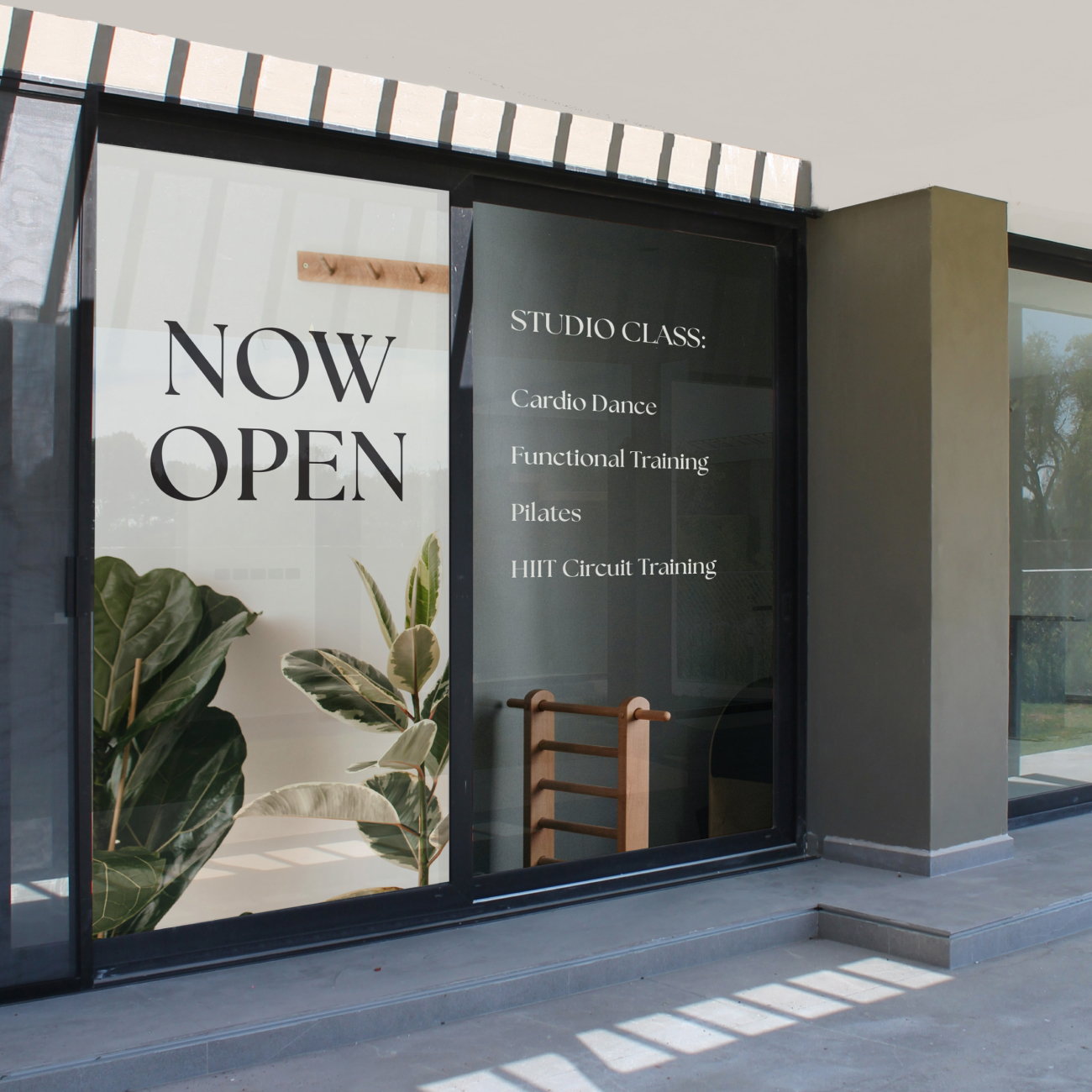
Window space is paid-for real estate that most businesses leave blank. A professionally printed window decal turns that glass into a 24/7 brand statement, a seasonal promotion, or a privacy screen, depending on what you need. This guide covers every decal format available, how to choose the right one, how to size it correctly, and how to apply and remove it without damaging your glass.
At a glance
- Four main formats: one-way vision (perforated), frosted/etched-look, full-colour opaque, cut-vinyl lettering
- Sizing rule: letter height of 1cm per metre of viewing distance for sans-serif text
- Application: clean glass with isopropyl alcohol, use wet method for panels wider than 500mm
- Removal: heat with a hair dryer for 30-60 seconds, peel at a low angle, wipe residue with IPA
- Outdoor lifespan: full-colour vinyl 3-5 years; frosted 5+ years; static-cling is indoor-only
- Best for storefronts, offices, clinics, gyms, retail, real estate and hospitality
Decal Types Compared
Choosing the wrong format is the most common mistake. One-way vision on an interior partition looks great from outside but strips natural light indoors; frosted vinyl on a street-facing shopfront is visible by day but invisible by night when the lights are on inside. Match the format to the use case.
| Format | See Through? | Outdoor Lifespan | Best Use Cases |
|---|---|---|---|
| One-way vision (perforated) | Yes, from inside during daylight | 2-3 years | Storefronts, fleet vehicles, real estate windows |
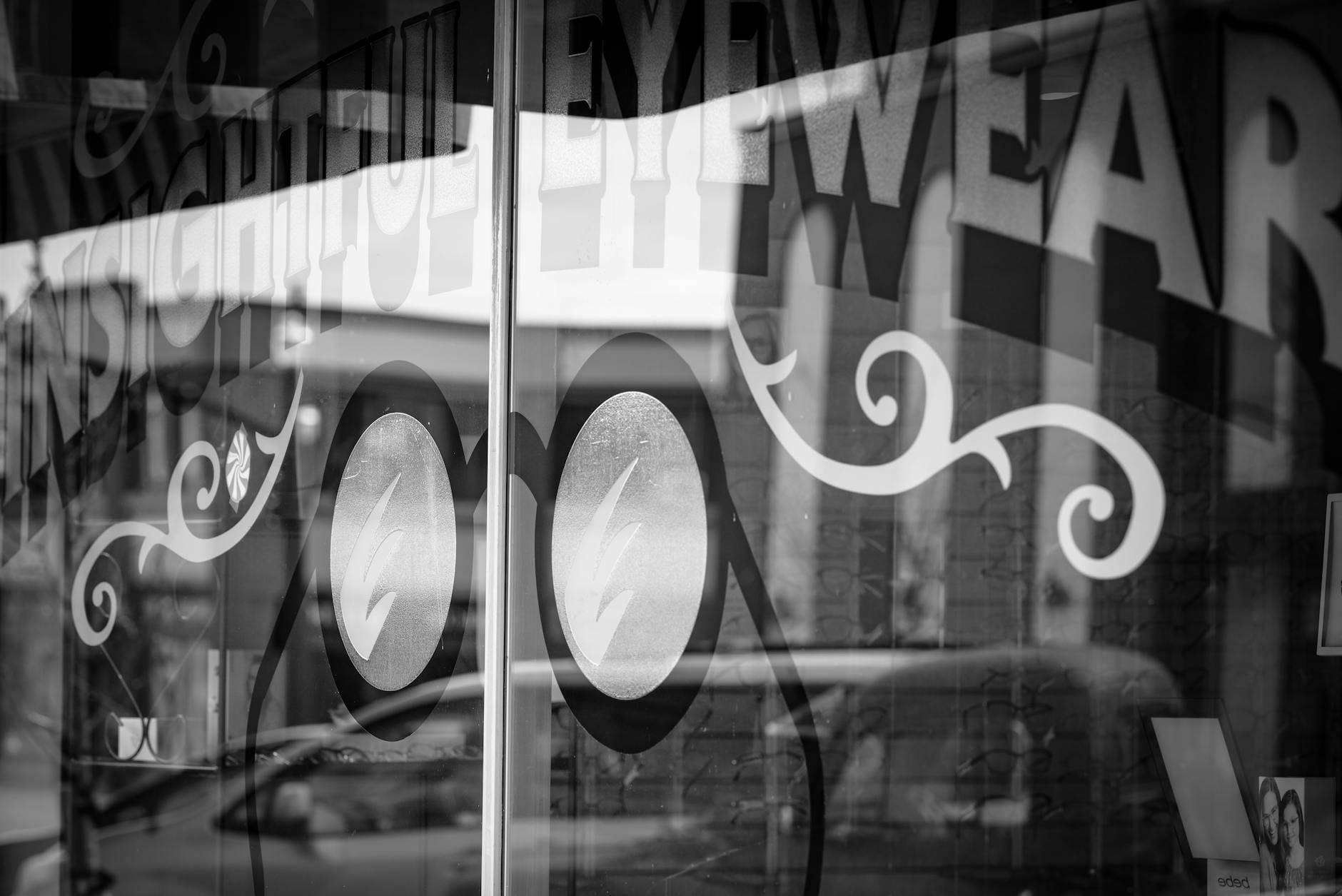
| Frosted / etched-look vinyl | Partial (light diffuses through) | 5+ years | Office partitions, meeting rooms, reception glass, bathrooms |
| Full-colour opaque vinyl | No | 3-5 years | Logos, trading hours, full-coverage branding, promotions |
| Cut-vinyl lettering | Yes (open between letters) | 3-5 years | Door hours, phone numbers, single-colour business names |
| Static-cling | No (frosted variant: partial) | Indoor only | Seasonal promotions, short-campaign windows |
One-Way Vision (Perforated) Vinyl
One-way vision film is micro-perforated with a 70/30 ratio: 70% print surface and 30% tiny holes. From the street, you see a sharp, full-colour graphic. From inside during daylight, you see out through the perforations. Once the sun goes down and your interior lights are brighter than the street, the effect reverses and the graphic becomes less clear from inside.
Best applications: cafe and restaurant front windows, retail street-facing glass, gym windows facing foot traffic, real estate agencies displaying listings.
Avoid: boardroom or meeting-room glass where staff need privacy from both directions throughout the day.
Frosted and Etched-Look Vinyl
Frosted vinyl mimics the look of sandblasted or acid-etched glass at a fraction of the cost and with none of the permanence. Light passes through the film but is diffused, creating privacy without blocking natural illumination. It is available as a full-coverage film or as cut shapes, lettering and patterns applied over clear glass.
Best applications: office partitions, reception-area glass, bathroom windows, internal meeting rooms, clinic waiting areas.
Avoid: using as a primary branding statement on a street-facing window where you need colour and imagery.
Full-Colour Opaque Vinyl
Standard digitally printed vinyl provides complete coverage of the glass behind it. It is the format to choose when you want rich colour, photography, or any design that would be compromised by perforations or frosting. Applied to the outside of the glass, it carries the same durability as outdoor signage. For the smaller graphics on the same glass, door decals, opening hours, or a logo panel, the same print runs as custom waterproof stickers from 30mm x 30mm up to 295mm x 425mm.
Best applications: seasonal sale graphics, menu highlights, event promotions, full-wall murals on interior glass, branding panels that complement corflute or acrylic signage.
Cut-Vinyl Lettering
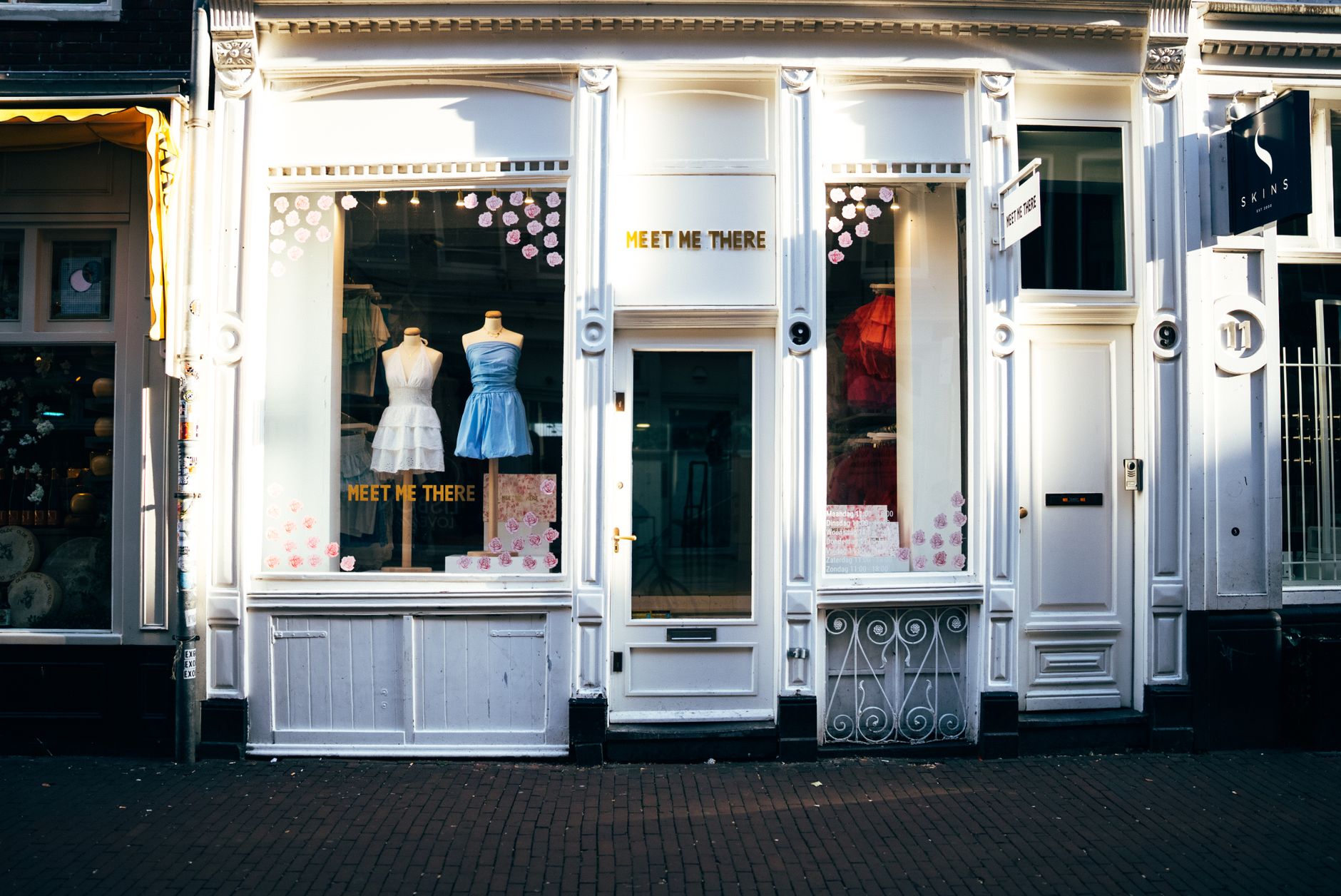
Rather than printing onto a substrate, cut-vinyl lettering is die-cut from a single-colour vinyl roll and transferred to glass. It reads cleanly because the background remains visible through the gaps between letters. It is durable, cost-effective, and an excellent choice for permanent details that rarely change.
Best applications: business name above the entry door, ABN-required contact details, trading hours on a glass door, a tagline below a logo.
Sizing Your Window Decals
Getting the sizing right before you order prevents two common outcomes: decals so small they read as clutter from the street, and decals so large they block critical sightlines or look amateurish.
Legibility Rule
For standard sans-serif type, use 1cm of letter height per metre of intended viewing distance. A door-mounted trading-hours panel read at 1-2 metres needs 12-20mm letter height. A street-facing window read from across a footpath at 5 metres needs 50mm minimum letter height.
| Viewing Distance | Minimum Letter Height |
|---|---|
| 1 metre (door, counter) | 10-15mm |
| 2 metres (close footpath) | 20-25mm |
| 5 metres (standard street) | 50mm |
| 8-10 metres (wide road) | 80-100mm |
Panel Sizing
Measure the full glass area (width x height in millimetres). Decide whether you want full coverage or partial coverage with a visible glass border. For large windows, consider splitting the design across multiple panels rather than printing a single oversized piece. Multiple panels are easier to apply without bubbles and easier to replace if one section is damaged. One piece can cover the full panel at up to 600mm x 900mm when you order large format stickers rather than tiling two or three smaller prints.
Leave a 20-30mm clear margin inside any window frame or gasket. Decals that overlap the frame seal can lift at the edges.
Inside vs Outside Application
Outside application: graphic prints normally (reads correct from street). More exposed to weather but easier to replace for seasonal campaigns.
Inside application: graphic must be mirror-printed so it reads correctly from outside. More protected from UV and rain. Standard practice for office partitions and internal glass walls.
For one-way vision film, outside application is standard.
Surface Preparation and Application
Taking 15 extra minutes on prep prevents 90% of bubble and adhesion problems.
Surface Prep
- Clean the glass with a dedicated glass cleaner or diluted isopropyl alcohol (70% IPA to 30% water). Remove any grease, silicone residue, or old adhesive before applying a new decal.
- Dry the surface completely with a lint-free cloth.
- Check the ambient temperature. Apply in a 15-35°C range. Below 10°C the adhesive does not bond reliably; above 40°C it can set too fast, leaving bubbles trapped.
- Avoid direct midday sun during application; it causes the adhesive to tack before you can position the decal.
Application Method: Small Decals (under 300 x 300mm)
- Peel back a 50mm corner of the backing paper.
- Align the corner to your target position, press down firmly.
- Peel the remaining backing while pressing the decal flat with a squeegee or credit card, working from the attached corner outward.
- Use the squeegee to push out any remaining bubbles toward the nearest edge.
Application Method: Large Panels (over 500mm in any dimension)
Use the wet method to allow repositioning.
- Mix a small amount of dish soap into a spray bottle of water (2-3 drops per 500ml).
- Spray the glass surface lightly with the solution.
- Remove the backing paper from the decal.
- Position the decal on the wet glass. It will slide, which gives you time to align it correctly.
- Once in position, use a firm squeegee from the centre outward, pushing the water and soap out through the edges.
- Lift the application tape (the clear carrier layer) carefully after the decal is fully squeegeed, checking no edges lift with it.
- Allow 24-48 hours before cleaning or wetting the surface again.

Removing Window Decals Without Damage
Removal Steps
- Heat the decal surface with a hair dryer or heat gun on a low setting, working in overlapping passes for 30-60 seconds. The heat softens the adhesive, which is what causes most damage when people skip this step.
- Starting at a corner or edge, peel the decal back at a low angle (20-30 degrees to the glass surface). Pulling at a steep angle risks the vinyl tearing and leaving adhesive behind.
- Continue peeling slowly, reapplying heat as needed.
- Once the vinyl is removed, there will likely be adhesive residue remaining. Apply isopropyl alcohol or a purpose-made adhesive remover (such as Goo Gone) with a soft cloth and rub in circular motions.
- Avoid metal blades or abrasive pads on glass; they scratch permanently.
Choosing Low-Residue Options
If your use case involves frequent changes (monthly promotions, seasonal campaigns), specify removable or low-tack adhesive when you order. Removable adhesive is rated for clean removal up to 6-12 months after application. Static-cling decals require no adhesive at all and lift off cleanly but are limited to indoor use and flat, smooth glass.
Window Decals in the Shopfront Signage Context
Window decals work best as part of a layered signage system rather than as standalone graphics. A complete shopfront package typically includes:
- Exterior: corflute signs for footpath messaging, A-frames for daily specials, and window decals for the permanent brand layer
- Interior: acrylic reception and panel signs for the front desk, directional signage, and feature branding walls
Window decals fill the gap between printed sign boards (which stand away from the building) and interior signage (which only customers already inside can see). They are the first brand touchpoint for someone walking past, and they work day and night. Inside the threshold, that wayfinding job moves down to the floor, where commercial floor decals keep customers moving with an anti-slip laminate that carries foot traffic instead of weather.
For a full overview of how acrylic, corflute, and other sign materials compare, see the corflute signs complete guide and our Wave-2 guide to acrylic reception and office signs (live shortly).
If you are deciding between one-way vision film and frosted vinyl specifically for an office privacy application, the dedicated comparison at one-way window film vs frosted decals covers that decision in detail.
Frequently Asked Questions
What is the difference between a window decal and a window sticker?
In practice, the terms are used interchangeably. Technically, a sticker uses a permanent pressure-sensitive adhesive bonded directly to glass, while a decal typically refers to a design that transfers from a carrier film or uses a lower-tack adhesive. In commercial printing, window decals usually refers to the broader category including one-way vision film, frosted vinyl, and cut-vinyl lettering, while window stickers tends to mean smaller, single-use graphic pieces.
Can window decals be removed without damaging the glass?
Yes, provided the correct removal process is followed. Apply heat to soften the adhesive, peel at a low angle, and clean any residue with isopropyl alcohol or a commercial adhesive remover. Avoid metal scrapers. Decals applied with permanent adhesive that have been in place for more than 2-3 years may be harder to remove cleanly, especially if UV exposure has degraded the adhesive chemistry.
How do I apply a window decal without bubbles?
Thorough surface cleaning is the most important step. For panels wider than 300mm, use the wet application method: mist the glass with a water-soap solution, position the decal, then squeegee firmly from the centre outward. Avoid applying in direct sunlight or temperatures above 35°C. If small bubbles remain after squeegeeing, they will often work themselves out within 24-48 hours as the adhesive sets.
What is the best window decal material for outdoor use?
Cast vinyl with a UV-resistant overlaminate is the most durable outdoor option, with a 3-5 year lifespan on glass. Calendered vinyl is a cost-effective alternative for sheltered surfaces. Both require UV lamination to protect the printed ink from fading. Static-cling film is not suitable for outdoor use as moisture causes it to lose contact with the glass surface.
How long do window decals last?
Full-colour opaque vinyl: 3-5 years outdoors with UV laminate. Frosted vinyl: 5 years or more, as there is no printed ink to degrade. One-way vision film: 2-3 years outdoors. Cut-vinyl lettering: 3-5 years. Indoor-only decals (including static-cling) last as long as needed but are typically replaced with each campaign.
What should I put on a business window decal?
Focus on one clear message per decal. The most effective business window decals include the business name or logo (permanent, opaque vinyl), trading hours (cut-vinyl on the door, easy to replace), a brief value statement or seasonal promotion (temporary campaign decal with removable adhesive), and a contact detail or URL. Avoid overcrowding: three elements in large type read better from the street than eight elements in small type.
What size window decal do I need for my shopfront?
Start by measuring your full glass area. For street-facing windows where pedestrians are reading from 3-5 metres, minimum letter height is 30-50mm. A full-window branded graphic typically covers 70-80% of the glass area, leaving a visible border. For door panels, a 200-300mm wide graphic centred at eye height (around 1,500mm from the floor) is a reliable default. See the sizing table above for the 1cm-per-metre-of-distance rule applied to your specific setup.
Order Window Decals for Your Business
Paperlust Print Shop produces digitally printed window graphics, one-way vision film, and removable vinyl for retail, hospitality, and corporate applications Australia-wide. See the product pages for live pricing and turnaround times.
For related shopfront and office signage, explore corflute signs Australia for outdoor footpath applications and acrylic reception panel signs for interior brand walls and front-desk signage.