Whether you are printing event programs, product catalogues, training manuals, or lookbooks, the binding method you choose shapes how your booklet looks, feels, and holds up over time. This guide walks through the two most common options for booklet printing in Australia, saddle stitch and perfect bound, so you can pick the right one for your page count, budget, and end use.
CHEAT SHEET
- Saddle stitch is the budget friendly binding for slim booklets, available online from 8 to 56 printed pages, with counts in increments of 4.
- Perfect bound booklets suit 36 to 100 printed pages, look like a paperback book with a square printable spine, and handle longer page counts cleanly.
- A5 (148 x 210mm) works well for programs, menus, and lookbooks; A4 (210 x 297mm) suits catalogues, manuals, and reports.
- Use saddle stitch below 36 pages; from 36 to 56 pages, choose saddle stitch or perfect bound; above 56 pages, choose perfect bound, or wire bound if the pages need to lie flat.
Saddle Stitch vs Perfect Bound: The Core Differences
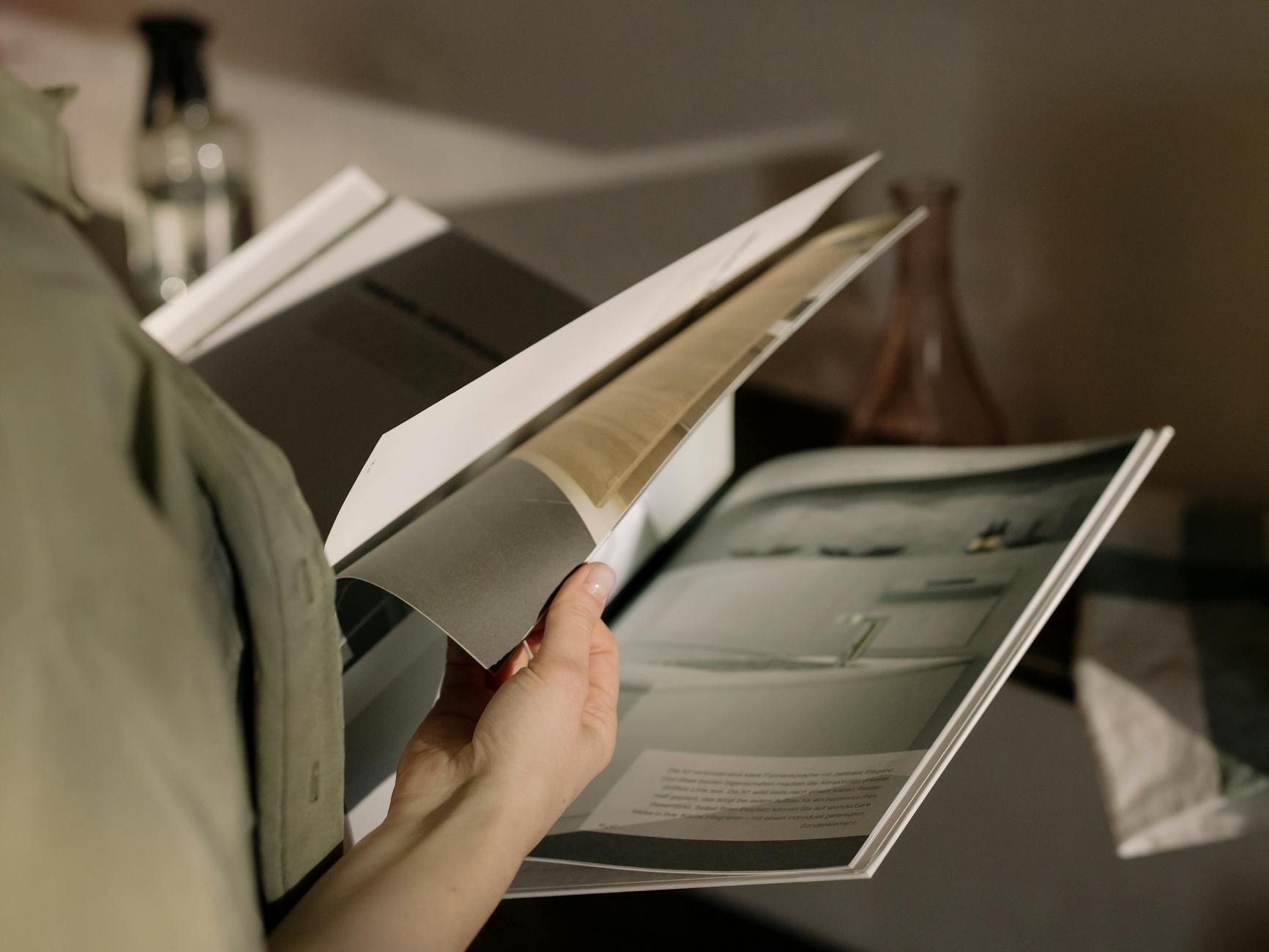
Saddle stitching uses two or more metal staples driven through the centrefold of a folded booklet. The pages lie flat when opened and the finished product is thin, lightweight, and easy to distribute. Perfect binding stacks individual pages, grinds the spine edge, and glues a wraparound soft cover onto the block. The result looks and feels like a paperback book, with a flat spine you can print a title on.
Both methods are widely used across Australian print runs. The right choice comes down to page count, purpose, and how long the booklet needs to last.
Books that need to lie open on a desk while someone writes in them or follows along, such as workbooks, training manuals and recipe books, suit a third option: Wire-O wire binding, which opens completely flat and folds back on itself. Those jobs can be printed as Wire Bound Booklets in A4 or A5 with 12 to 100 printed pages.
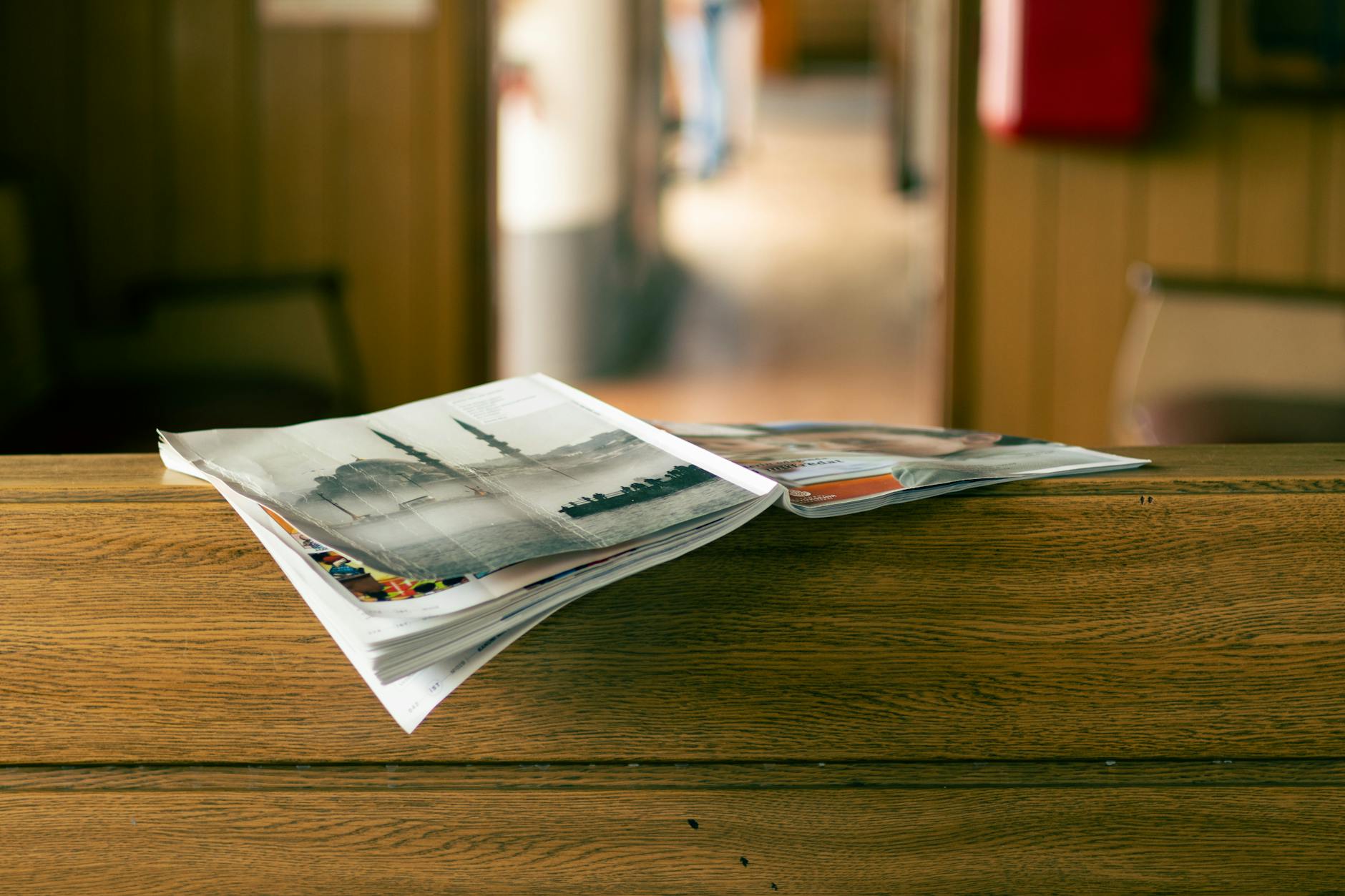
The binding comparison at a glance
| Feature | Saddle Stitch | Perfect Bound |
|---|---|---|
| Page count range | 8-60 pages (multiples of 4) | 28-300+ pages (multiples of 2) |
| Spine | No spine (stapled fold) | Flat, printable spine |
| Opens flat | Yes | Partially (spine may crack on thick stocks) |
| Durability | Good for short-term use | Higher, suited to ongoing reference |
| Cost | Lower at short page counts | Higher per unit, better value at 60+ pages |
| Production time | Faster | Slightly longer |
| Best for | Programs, menus, brochures, short catalogues | Manuals, thick catalogues, lookbooks, reports |
| Minimum pages | 8 | 28 |
The Page-Count Rule You Cannot Ignore
Saddle stitch is built around folded sheets, so your total page count must always be a multiple of 4. Every sheet of paper, when folded, creates four pages: outside front, inside front, inside back, outside back. The cover counts as four of those pages.
If your content lands on 22 pages and you want a printed cover, add the four cover pages for 26 total. That is not a multiple of 4, so you would round up to 28 (24 content plus a 4-page cover) or trim back to 24 (20 content plus a 4-page cover).
Paperlust A5 saddle stitched booklets are ordered online from 8 to 56 printed pages in steps of 4, with the cover counted as four of those pages. A project that runs longer than that is ordered online as Perfect Bound Booklets in A4 or A5 from 36 to 100 printed pages with a glued square spine.
Quick reference: valid saddle stitch page counts
- 8 pages (4-page cover + 4 internal)
- 12 pages (4-page cover + 8 internal)
- 16 pages (4-page cover + 12 internal)
- 20 pages (4-page cover + 16 internal)
- 24 pages (4-page cover + 20 internal)
- 28 pages (4-page cover + 24 internal)
- 32 pages (4-page cover + 28 internal)
Perfect binding still depends on the spine having enough bulk for the glue to grip. A booklet that is too thin binds badly, so saddle stitch remains the better choice for a short project. Paperlust Print Shop counts perfect bound booklets from 36 to 100 printed pages in steps of 4, with the 4-page cover counted as four of those pages.
Once your page count sits inside 8 to 56 printed pages, a school yearbook means higher quantities and a late November distribution, so confirm format, binding and per book costs for yearbook printing.
A4 vs A5: Choosing Your Booklet Size
Australian booklets most commonly print at A4 (210 x 297mm) or A5 (148 x 210mm). Both follow the same binding rules; the size you choose depends on how the booklet will be used and distributed.
A5 booklets (148 x 210mm)
A5 is the workhorse format for anything a reader carries or hands out at an event. It fits a standard DL envelope, slides into a handbag, and feels polished without being bulky. Common uses include:
- Event programs and ceremony guides
- Product lookbooks and capability statements
- Menus and tasting guides
- Short-run member or client newsletters
The Paperlust A5 booklet starts from $0.71 inc. GST, with saddle stitch in page counts from 8 to 32 pages.
A4 booklets (210 x 297mm)
A4 commands authority. Use it when the content needs room to breathe or when readers will lay it flat on a desk or table for reference. Common uses include:
- Product and trade catalogues
- Training manuals and onboarding kits
- Annual reports and company profiles
- Detailed service guides
The Paperlust A4 booklet starts from $1.21 inc. GST with saddle stitch binding and 250gsm cover options.
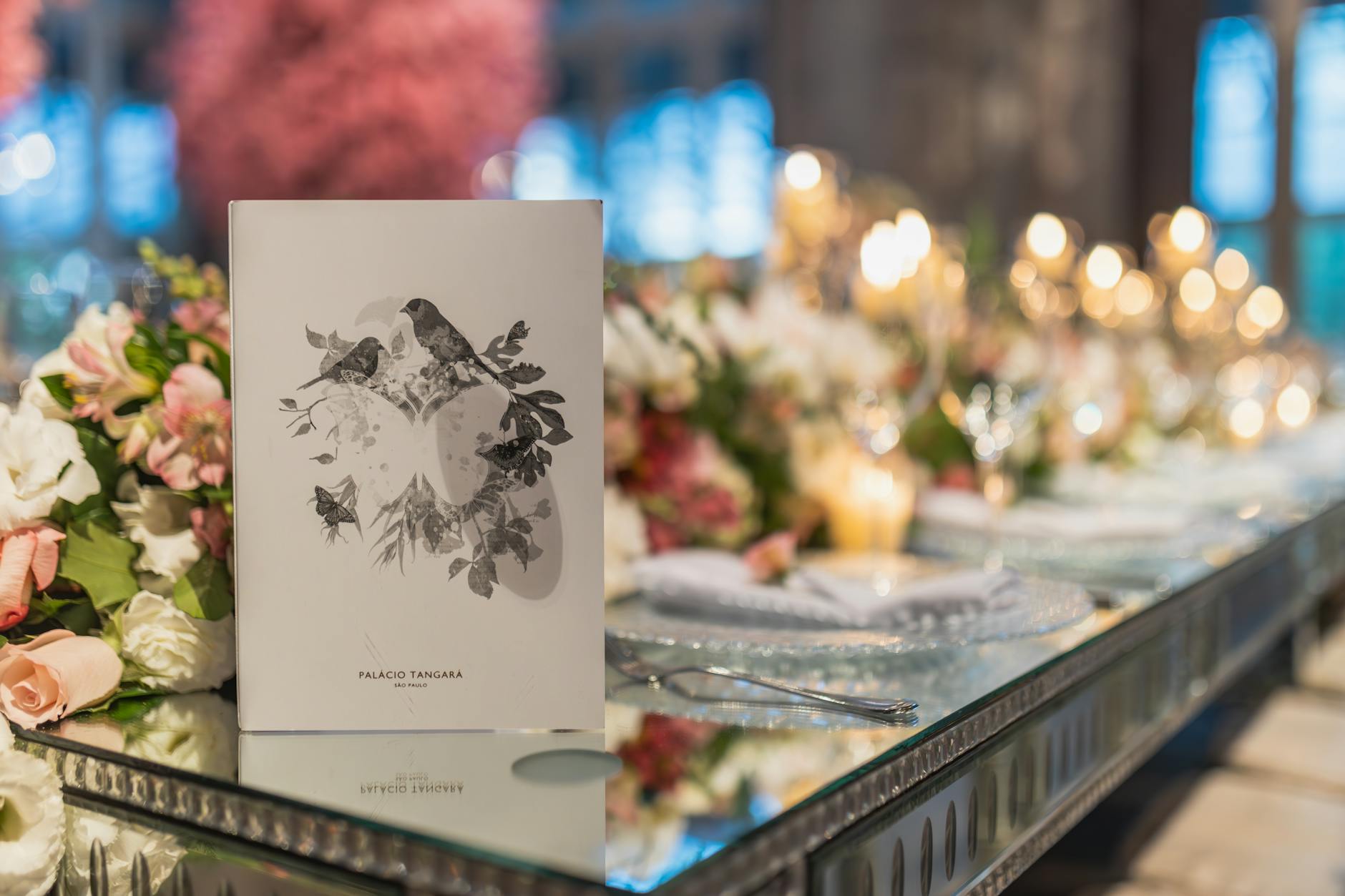
Cover Stock and Paper Weight Options
The cover is the first thing someone touches, so its weight and finish matter. For A5 booklets at Paperlust, cover options include:
- 150gsm cover (gloss or matt, unlaminated), lighter, softer hand feel, suits event programs and inserts
- 250gsm cover (gloss or matt, unlaminated), more substantial, holds its shape, works well for lookbooks and catalogues
- 250gsm gloss laminated: high sheen, scuff-resistant, best for booklets that will be handled repeatedly or displayed
- 250gsm matt laminated: matte finish with a premium tactile quality, popular for lifestyle brands and restaurants
For internal pages, uncoated stocks take ink cleanly and read well under all lighting. Coated or laminated covers give the booklet a finished, retail-ready look regardless of the interior paper. For a plain explanation of cover and inside weights, and what the figures mean, see the paper weight guide.
Cover finish guidance by use case
| Use Case | Recommended Cover |
|---|---|
| Ceremony program (one-time use) | 150gsm unlaminated (matt or gloss) |
| Restaurant or venue menu | 250gsm matt laminated |
| Product catalogue (ongoing) | 250gsm gloss or matt laminated |
| Training manual | 250gsm unlaminated |
| Lookbook or brand guide | 250gsm matt laminated |
| School or club newsletter | 150gsm unlaminated |
Paper Weight and Print Quality for the Interior
Interior pages in most saddle-stitched booklets run at 90-170gsm depending on the printer. A heavier internal stock reduces show-through on full-bleed photos and makes the booklet feel more substantial overall. For image-heavy work like lookbooks or food photography catalogues, ask for the heaviest interior option available to preserve colour depth and contrast.
For perfect bound work, the internal page weight also affects spine thickness. More pages on heavier stock create a thicker spine, which gives the glue more surface to grip and makes the finished book more durable.
Saddle Stitch in Practice: Use Cases That Work Best
Saddle stitched booklets are the right choice when you need clean results fast, at a competitive price, and do not need a printable spine. They lie flat when open, which matters for anything a reader needs to follow while doing something else (a recipe guide, a ceremony program, a workout plan).
They are also the standard format for:
- Event and conference programs (A5, 8-16 pages, single-use, no need for a spine title)
- Product lookbooks for retail (A5 or A4, 12-24 pages, image-forward, flat-open for browsing)
- Real estate property brochures (A4, 8-12 pages, distributed at inspections)
- Venue and function menus (A5, 8-16 pages, laminated cover for durability over a season)
- Short-run club or association newsletters (A4, 12-20 pages, economical at low quantities)
Perfect Bound in Practice: When the Spine Justifies the Cost
Perfect binding makes sense when your content exceeds 32 pages, when you need to display the booklet spine-out (on a shelf, in a display rack, or mailed in a satchel), or when the booklet is meant to last months or years rather than a single event.
Typical perfect bound applications include:
- Product and trade catalogues (A4, 40-100+ pages, sent to trade buyers or displayed at retail)
- Training and onboarding manuals (A4 or A5, 48-120 pages, used repeatedly by staff)
- Annual reports and company profiles (A4, 40-80 pages, presented to clients and stakeholders)
- Member handbooks (A5, 48-80 pages, posted to new members)
- Thick lookbooks and brand guides (A4 or A5, 60-100 pages, premium finishes)
The printable spine also becomes part of your branding when the booklet is displayed, so for anything that lives on a shelf or is mailed with spine visible, perfect bound is the professional choice.
You can order Perfect Bound Booklets online with a PUR glued square spine and one printed cover wrapping the front, spine and back. They come in A4 or A5 portrait, from 36 to 100 printed pages including the cover, with five inside stock choices and gloss, matte or velvet lamination on the outside of the cover. Quantities run from 10 to 2,000 copies, and the price is shown before checkout.
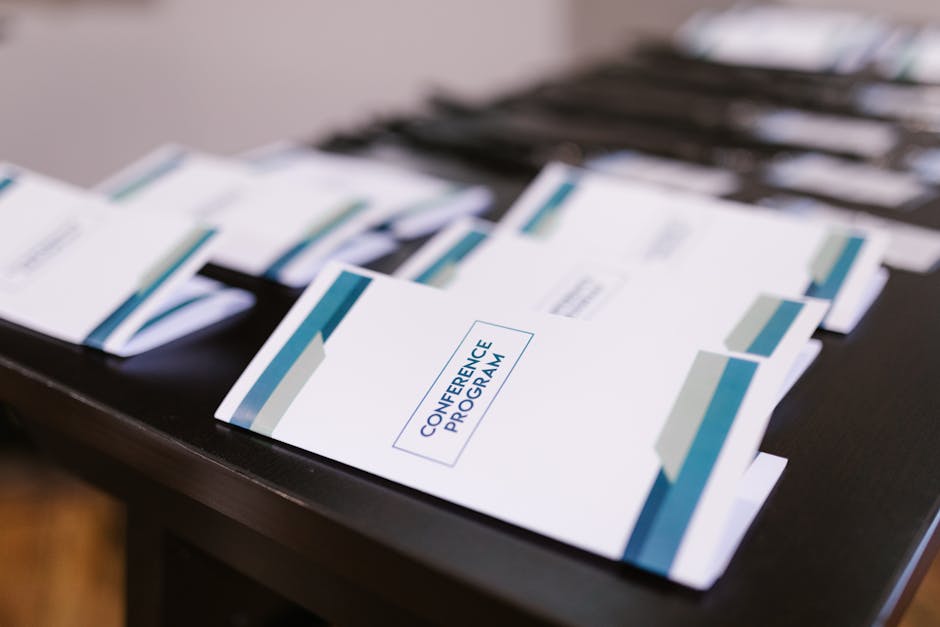
Turnaround and Pricing Overview
Both A5 and A4 booklets at Paperlust print in 3-7 working days after proof approval. A design proof is sent before any print run starts, and revisions are reviewed before the job goes to press.
Pricing scales with page count, cover finish, and quantity. As a general guide:
- A5 booklets start from $0.71 inc. GST per copy
- A4 booklets start from $1.21 inc. GST per copy
- Laminated covers and higher page counts increase the per-unit price
- Flat foil cover upgrades are available and require a custom quote
For firm pricing, use the quote tool on the product page after selecting your specifications. Larger quantities reduce the per-unit cost significantly, so if you plan to reprint the same booklet seasonally, ordering a larger run upfront saves on total cost.
Australian shipping is via Express Startrack (1-2 days metro, 3-5 days regional) or Standard Australia Post (2-5 days metro, 4-6 days regional). International orders ship DHL Express from $35 AUD.
File Setup for Booklet Printing
Getting the file right before you submit avoids revision delays. Key rules for booklet artwork:
For saddle-stitched booklets
- Set your document to the finished page size (A5: 148 x 210mm or A4: 210 x 297mm), not the unfolded sheet size
- Page count must be a multiple of 4 (including cover pages)
- Enable facing pages in InDesign or your layout application
- Set bleed to 3mm on all edges
- Export as single pages, not reader spreads (the printer handles imposition)
- Embed all fonts and convert text to outlines before exporting to PDF
For perfect bound booklets
- Supply cover artwork as a separate file (front cover, spine, back cover as one flat piece; spine width depends on page count and paper weight)
- Internal pages should be supplied as single pages, not spreads
- Confirm the spine width with the printer before building your cover file, as it depends on your exact page count and internal paper weight
- Bleed: 3mm on all edges for internal pages; cover file needs an extra bleed zone around the spine panel
If your brochure project is under 12 pages, it may suit a folded format rather than a bound booklet. See Brochure Printing: Bi-Fold, Tri-Fold and Z-Fold Sizes Compared for a comparison of folded formats versus bound booklets.
Frequently Asked Questions
What is the minimum page count for a saddle-stitched booklet?
The minimum is 8 pages, which includes a 4-page cover plus 4 internal pages. Saddle stitch requires page counts in multiples of 4, so from 8 pages the next valid counts are 12, 16, 20, 24, 28, and 32. If your content does not fill a multiple of 4, add blank pages at the back to reach the next valid count.
Can I print a saddle-stitched booklet with 20 content pages?
Yes, if you add a 4-page cover the total is 24 pages, which is a valid multiple of 4. If your cover is considered part of your content count and you truly have 20 separate pages to fill, confirm with the printer whether cover pages are counted separately in their system.
What is the difference between gloss and matt lamination on a booklet cover?
Gloss lamination creates a high-sheen surface that makes colours appear vivid and is highly scuff-resistant, making it well suited to booklets handled regularly or displayed at point of sale. Matt lamination produces a flat, velvety finish that photographs well and is popular for premium and lifestyle brands. Neither is more durable than the other; the choice is primarily visual and tactile.
How do I calculate the spine width for a perfect bound booklet?
Spine width depends on the number of internal pages and the weight of your internal paper. A rough formula is: number of internal pages divided by 2, multiplied by the paper thickness in millimetres. Most printers provide a spine calculator or will supply the width after you confirm your page count and paper choice. Do not build your cover file until the printer has confirmed the exact spine width.
How long does booklet printing take in Australia?
Paperlust produces A4 and A5 booklets in 3-7 working days after proof approval. A design proof is sent before printing begins. Express Startrack shipping then delivers to metro addresses within 1-2 business days after dispatch.
Can I get flat foil on my booklet cover?
Yes. Flat foil is available as a cover upgrade for booklets, in a range of metallic and pigment colours. Foil orders may require additional production time beyond the standard 3-7 working days. Contact the team via the product page for a flat foil quote.