
The worst outcome for a car sticker isn’t that it looks bad. It’s that it comes off and takes the paint with it.
This happens. It’s avoidable. The difference is in the adhesive – and in understanding that “car sticker” is not a single product category but a range of materials with different applications and lifespans.
Print removable vinyl car stickers
Cast and calendared vinyl with low-tack adhesive — the same material rideshare and food-delivery fleets use for paint-safe car branding.
At a Glance
Car stickers that don’t damage paint: the safe-for-paint rule is short-term cast vinyl with low-tack adhesive and proper removal technique.
How to choose: pick removable cast vinyl (3M 3690 or Avery 700-class) for new cars, pick magnet-backed signage for fleet vehicles, avoid cheap calendared vinyl on any car under 12 months old.
- Safest for new car paint: removable cast vinyl with low-tack adhesive
- Best for fleet branding (zero adhesive): magnetic vehicle signage
- Worst for paint: cheap PVC bumper stickers + age + sun exposure
- Safe removal method: heat with hairdryer (60–80°C) + slow peel + adhesive remover
Why Some Stickers Damage Paint
Paint damage from stickers comes from three sources:
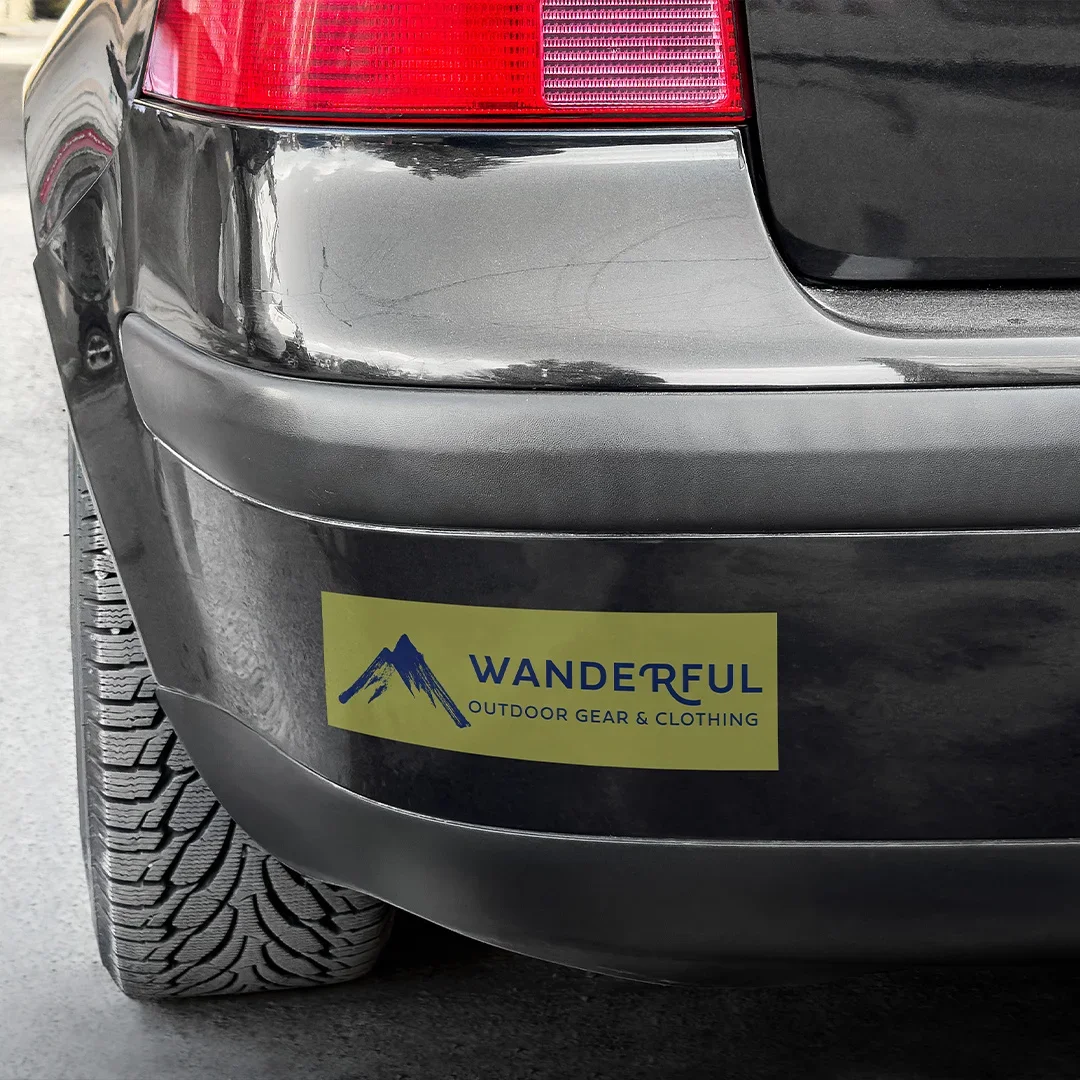
Over-aggressive adhesive. Permanent adhesive bonds deeply with clear coat and lacquered surfaces over time. The longer it stays, the stronger the bond. After years, removal without heat and careful technique can pull clear coat or even the colour coat with it.
Improper removal. Peeling stickers cold and fast causes the most damage. The adhesive doesn’t separate cleanly – it either leaves residue or lifts the surface layer. This is the most common cause of paint damage from stickers.
Wrong material. Paper stickers degrade in UV and moisture. As they break down, the adhesive often hardens and becomes more aggressive, not less. Paper stickers are not designed for exterior vehicle use.
The solution to all three is choosing the right material before application – not managing the damage on removal.
Safe Materials for Car Surfaces
Removable vinyl
The correct material for car stickers intended to come off cleanly. Removable vinyl uses a lower-tack adhesive designed to bond to painted metal surfaces without permanently adhering to the clear coat.
It holds well enough to stay in place through car wash cycles, rain, and regular driving – but when you choose to remove it, a clean peel (ideally with some warmth from a hair dryer) comes off without residue or damage.
This is the material to specify when you’re ordering promotional car stickers for distribution – bumper stickers for customers, boot badges, decals – anything you want the recipient to be able to remove cleanly when they want to.
For car-window applications where you want the design to read against the surface rather than sit on coloured stock, clear stickers on a removable adhesive are the alternative. The transparent substrate disappears against glass, so the printed mark looks etched-in rather than stuck-on – useful for branded reverse-print decals on side windows or shopfront delivery vehicles.

Permanent cast vinyl
For vehicle branding intended to stay for 3-7 years. Cast vinyl is thinner and more conformable than calendered vinyl – it follows the curves of bumpers and body panels without lifting at the edges. The adhesive is stronger, but with correct removal technique (heat + patience + adhesive remover) it comes off cleanly from well-maintained paint.
Not the right material for short-term promotional use. Not recommended for older vehicles with cracked or peeling clear coat.
Window sticker material
For rear windscreens and side windows: clear vinyl with a window-appropriate adhesive, or static cling (no adhesive). Static cling is the safest option for window application – it grips the glass without any adhesive, repositions easily, and removes with zero residue.
Perforated window vinyl allows full visibility from inside while showing a complete graphic from outside – used for commercial rear window branding where the visual impact of full window coverage is needed.
Application Best Practices
Getting application right matters as much as material choice.
Clean the surface thoroughly. Wax, polish residue, oil, and dust prevent adhesive from bonding properly. Wipe down with isopropyl alcohol before applying. A clean surface is the single most important step.
Apply at room temperature. Cold adhesive bonds poorly and edges lift. Warm surfaces activate the adhesive correctly. Avoid applying in direct sun (the vinyl heats and becomes difficult to handle) or below 10 degrees.
Use a squeegee. Push from the centre outward to remove air bubbles. Work slowly and methodically. Don’t pull or stretch the vinyl during application.
Heat to set. A hair dryer on low heat run over the sticker after application activates the adhesive fully and helps the vinyl conform to any curves. This also extends outdoor durability significantly.
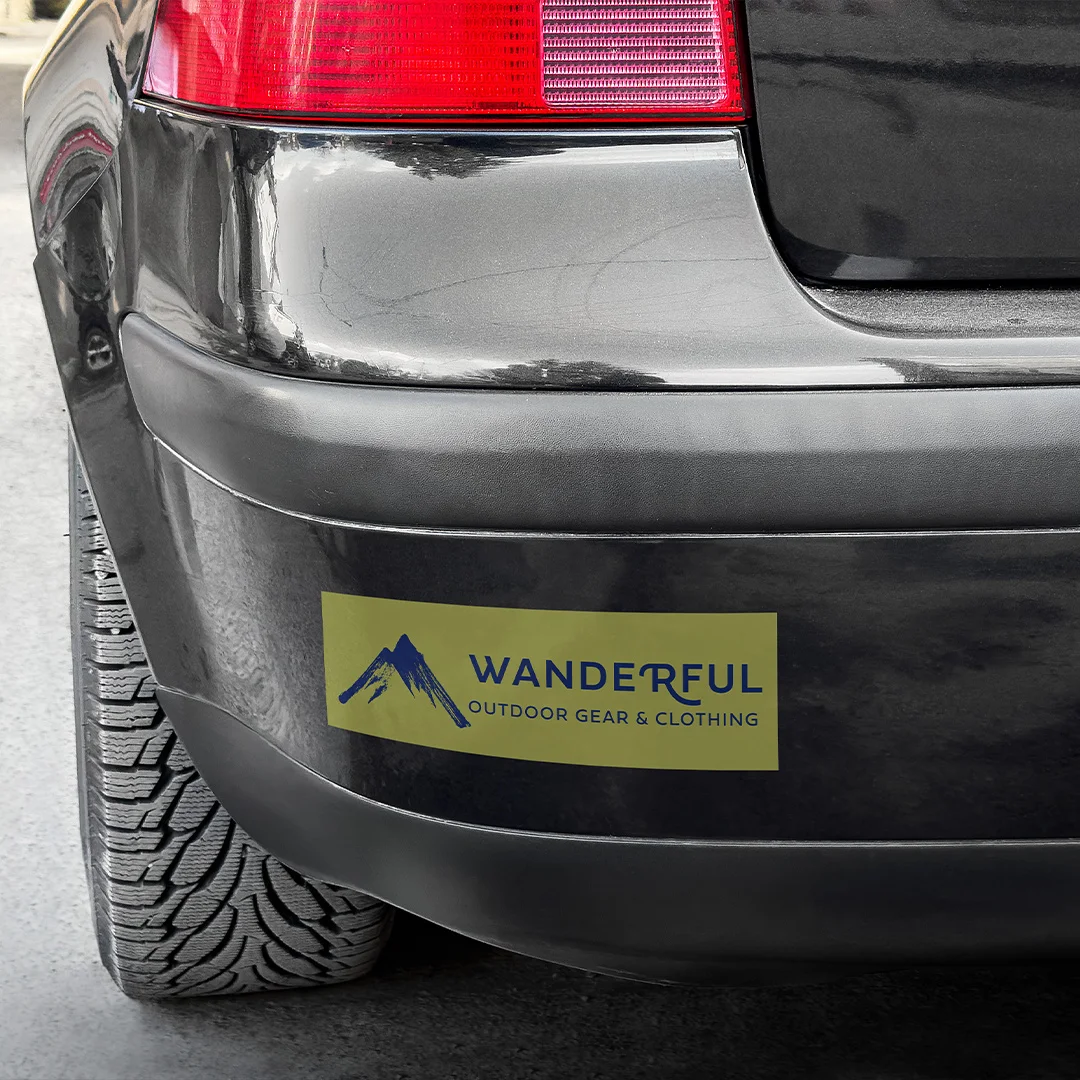
Removing Old Stickers Safely
For stickers that have been on a vehicle for years:
- Use a heat gun or hair dryer to warm the vinyl until it becomes pliable (40-50 degrees is enough – you should be able to hold your hand near the surface)
- Peel slowly from one corner at a 45-degree angle
- Reapply heat as needed – never force a cold peel
- Remove adhesive residue with eucalyptus oil, citrus degreaser, or a dedicated adhesive remover
- Do not use sharp implements to scrape the surface – they scratch clear coat and create problems worse than the sticker residue
For very old stickers (5+ years), a professional detailer with a heat gun and the right tools is worth the cost versus risking paint damage.
Need a custom car-sticker shape?
Die-cut stickers cut to your exact logo or design outline — better visual impact than rectangular bumper stickers and just as paint-safe.
How to Choose the Right Car-Safe Sticker
| Use case | Recommended material |
|---|---|
| Business car sticker (1–3 years) | Removable cast vinyl |
| Fleet vehicle branding (3–7 years) | Permanent cast vinyl |
| Promotional bumper sticker | Removable vinyl |
| Rear window branding | Clear window vinyl or static cling |
| Temporary event/race sticker | Static cling |
| Personal expression/decal | Removable cast vinyl |
For bumper stickers and promotional car stickers, our standard range uses removable adhesive variants suitable for standard painted vehicle surfaces. For fleet and commercial vehicle applications requiring permanent branding, get a custom quote – we can advise on material, application method, and expected lifespan for your specific vehicle type.
Step-by-Step Application Guide
Correct application prevents the bubbles, edge lifts, and crooked placement that make stickers look like afterthoughts.
- Clean the surface first. Wash the application area with car wash soap to remove road grime. Then wipe with isopropyl alcohol to remove wax and silicone residue. Adhesive bonds to bare paint – wax and silicone are release agents that will prevent the sticker from adhering correctly.
- Dry completely. Water under the sticker traps humidity and can cause edge lift over time. Give the surface 10-15 minutes after cleaning before applying.
- Position before committing. Tape the sticker in place with masking tape along the top edge, then fold it back to expose the adhesive. This lets you confirm placement before permanent contact is made.
- Squeegee from center outward. Lower the sticker onto the surface and press from the center toward the edges using a squeegee or credit card wrapped in cloth. This pushes air bubbles out rather than trapping them.
- For bumper stickers and large decals: The wet application method (misting the surface with a diluted soap solution before applying) allows repositioning after initial placement. Press firmly and squeegee out completely once positioned correctly. Allow 24 hours for the adhesive to cure before washing.
Need paint-safe car stickers?
Order removable vinyl car stickers with low-tack adhesive — safe for new car paint, weather-rated for outdoor use, and clean to remove with no residue.
Caring for Car Stickers After Application
Correctly applied vinyl car stickers require minimal maintenance, but a few practices extend their lifespan significantly.
Car wash compatibility. Hand washing is always safe. Automatic car washes with soft brushes are generally fine for well-applied vinyl. High-pressure jet washes directed at the sticker edge can cause edge lift over time – angle the pressure stream parallel to the sticker surface rather than perpendicular. Touchless (water-only) car washes are the safest automatic option.
UV exposure. Extended UV exposure degrades both the vinyl material and the ink. A UV-resistant laminate (applied at time of production) significantly extends the sticker lifespan in high-sun environments. For vehicles parked outdoors in Queensland or Western Australia year-round, specifying UV-laminated vinyl is worth the additional cost.
Temperature cycling. Extreme heat and cold cycles – cars in Melbourne winter and summer – stress the adhesive bond over time. High-quality removable vinyl with a quality adhesive handles this better than budget sticker materials. The difference shows after 12-18 months.
Removal Guide: How to Get a Car Sticker Off Without Damage
Correct removal is as important as correct application. The damage that gets attributed to the sticker is almost always caused by incorrect removal.
Step 1: Apply heat. A hair dryer on medium heat, or a heat gun on low, applied to the sticker for 30-60 seconds, softens both the vinyl and the adhesive. The sticker should be warm to the touch before you start peeling.
Step 2: Peel slowly at a low angle. Lift one corner and peel back at a 30-45 degree angle, moving slowly. Keep the vinyl as close to parallel with the paint surface as possible – peeling at a 90-degree angle puts more stress on the clear coat.
Step 3: Re-heat as needed. For large stickers, maintain warmth throughout the peel. Don’t let the vinyl cool completely mid-removal – the adhesive re-sets and the next section becomes harder to remove cleanly.
Step 4: Clean residue. Any remaining adhesive residue responds well to isopropyl alcohol on a microfibre cloth, or commercial adhesive remover (Goo Gone, etc.). Apply, allow to soak for 30 seconds, then wipe away. Avoid abrasive cloths – the paint surface is now unprotected without the sticker covering it.
Removable vinyl specified at time of ordering makes every step of this process easier. If the sticker was applied years ago with permanent adhesive, heat and patience are your primary tools.
Specifying Car Stickers for Distribution Campaigns
For businesses distributing car stickers – branded bumper stickers for customers, fleet decals for company vehicles, sponsor decals for event participants – the specification choices matter.
Always specify removable vinyl for stickers intended for public distribution. The recipient should be able to remove the sticker cleanly when they want to – a sticker that damages the recipient’s car creates a strongly negative brand experience. Removable vinyl at the specification stage costs marginally more than permanent; the brand relationship value of a clean-removal experience is worth it.
Size matters for bumper placement: 200-300mm wide is the standard range for bumper stickers. Narrower than 150mm gets lost on a bumper. Wider than 400mm starts to read as a vehicle wrap rather than a sticker. The 200-250mm range is the sweet spot for branded stickers that look intentional without being aggressive.
Specify outdoor-grade UV laminate for any sticker intended to stay on a vehicle for months or years. Indoor-grade laminate fades significantly in 6-12 months of direct sun exposure.
Branding a fleet vehicle?
Our vehicle decals and magnets are designed for cars, vans, and utes — easy application, full-colour printing, and full removability for resale or lease.
Frequently Asked Questions
How do I remove a car sticker without damaging the paint?
Heat is the key. Apply a hair dryer or heat gun on low setting to the sticker for 30-60 seconds before peeling. The warmth softens the adhesive and allows the vinyl to release without pulling the clear coat. Peel slowly at a 30-45 degree angle, re-applying heat as needed. Clean any remaining adhesive residue with isopropyl alcohol on a microfibre cloth. Avoid abrasive scrubbing. Stickers applied with removable vinyl (as opposed to permanent adhesive) remove significantly more cleanly regardless of how long they’ve been on the car.
What material is safe for car paint?
Removable vinyl is the correct material for bumper stickers and car decals intended to come off without damage. It uses a lower-tack adhesive that bonds well to painted surfaces for months or years while releasing cleanly when removed with heat. Permanent vinyl is appropriate for fleet branding and decals intended to stay for the vehicle’s working life – but requires professional removal. Avoid paper stickers on exterior car surfaces: paper degrades with UV and moisture, and the adhesive hardens over time, making removal much more damaging.
Can I put a sticker on a brand-new car?
Yes, but wait at least 30-60 days after a respray or paint repair. New paint needs time to fully cure before adhesive application – fresh paint is more porous and the adhesive can bond more aggressively than on cured paint, increasing damage risk on removal. For factory new cars, the paint is already cured and sticker application is safe immediately. Always use removable vinyl rather than permanent adhesive for any sticker you expect to remove at some point.
How long do car stickers last?
Quality outdoor vinyl with UV laminate typically lasts 3-5 years on a vehicle in normal outdoor conditions. In high-UV environments (north Queensland, Western Australia), expect 2-4 years before noticeable fading. Budget or indoor-grade vinyl can fade and degrade within 12-18 months in direct sun. If longevity matters, specify outdoor-grade vinyl with UV-resistant laminate at the time of ordering. The cost difference is minor; the lifespan difference is significant.
What size should a branded bumper sticker be?
200-250mm wide is the standard for branded bumper stickers intended for distribution to customers. This size is clearly visible on a vehicle, reads from following-car distance, and doesn’t look aggressive or cover more bumper than the sticker warrants. For fleet vehicles with specific placement zones, measure the available surface and size the sticker to fill 60-70% of that area. For highly visible fleet branding, 300mm wide is appropriate. Below 150mm, the sticker reads as a small personal sticker rather than intentional brand presence.
Ready to print paint-safe car stickers?
Upload your artwork, specify removable vinyl at checkout, and we’ll handle production. Most car-sticker orders ship within 5 business days.