The choice between sticker sheets and individual stickers comes down to three things: use case, audience, and the impression you’re trying to create. Get the format wrong and even a great design underperforms.
Here’s how to decide.
Order sticker sheets or individuals — same supplier
We print both formats in-house, so you can A/B-test sheets vs individual die-cuts on the same campaign without changing vendors.
At a Glance
Sticker sheets vs individual stickers in 30 seconds: sticker sheets win on per-unit cost, packaging convenience, and multi-design campaigns; individual stickers win on premium feel, single-message focus, and one-off branded gifts.
How to choose: count designs and quantity per design — multiple designs at small quantities favors sheets; single design at high volume favors individual.
- Cheapest per unit: sticker sheets — fixed sheet cost regardless of design count
- Best for premium feel: individual die-cut stickers — each looks like a finished product
- Best for multi-design campaigns: sheets — pack 6–12 designs in one delivery
- Easiest to handle and distribute: sheets at events, individual at retail
What Is a Sticker Sheet?
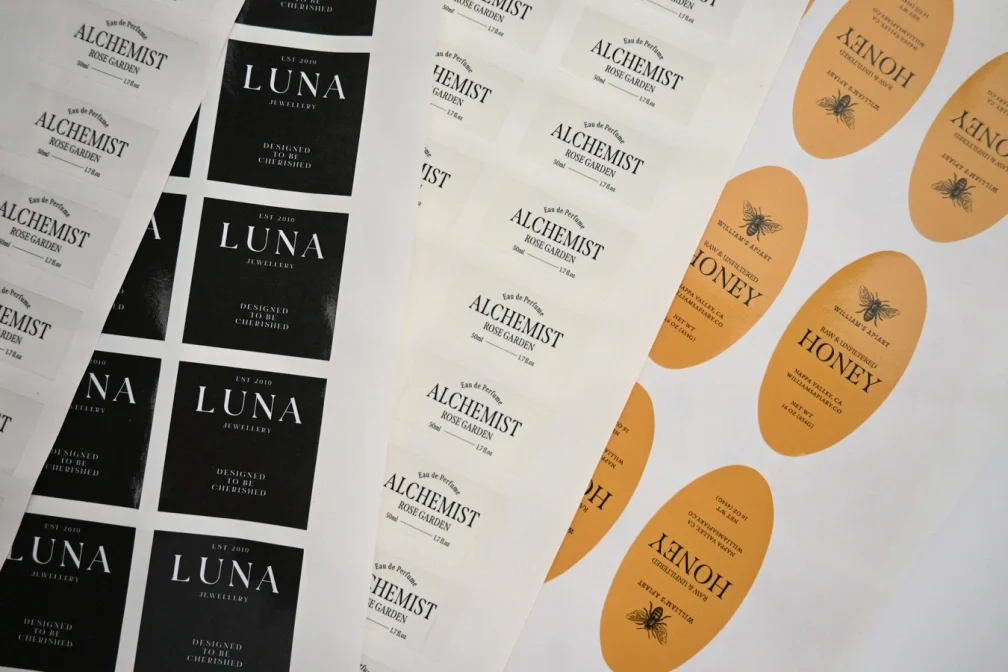
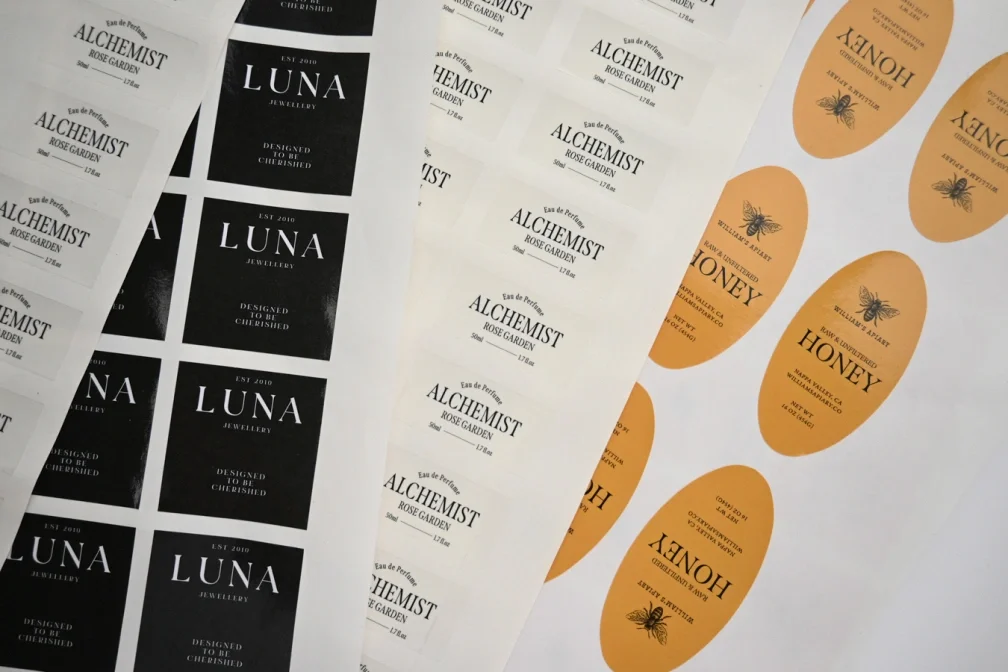
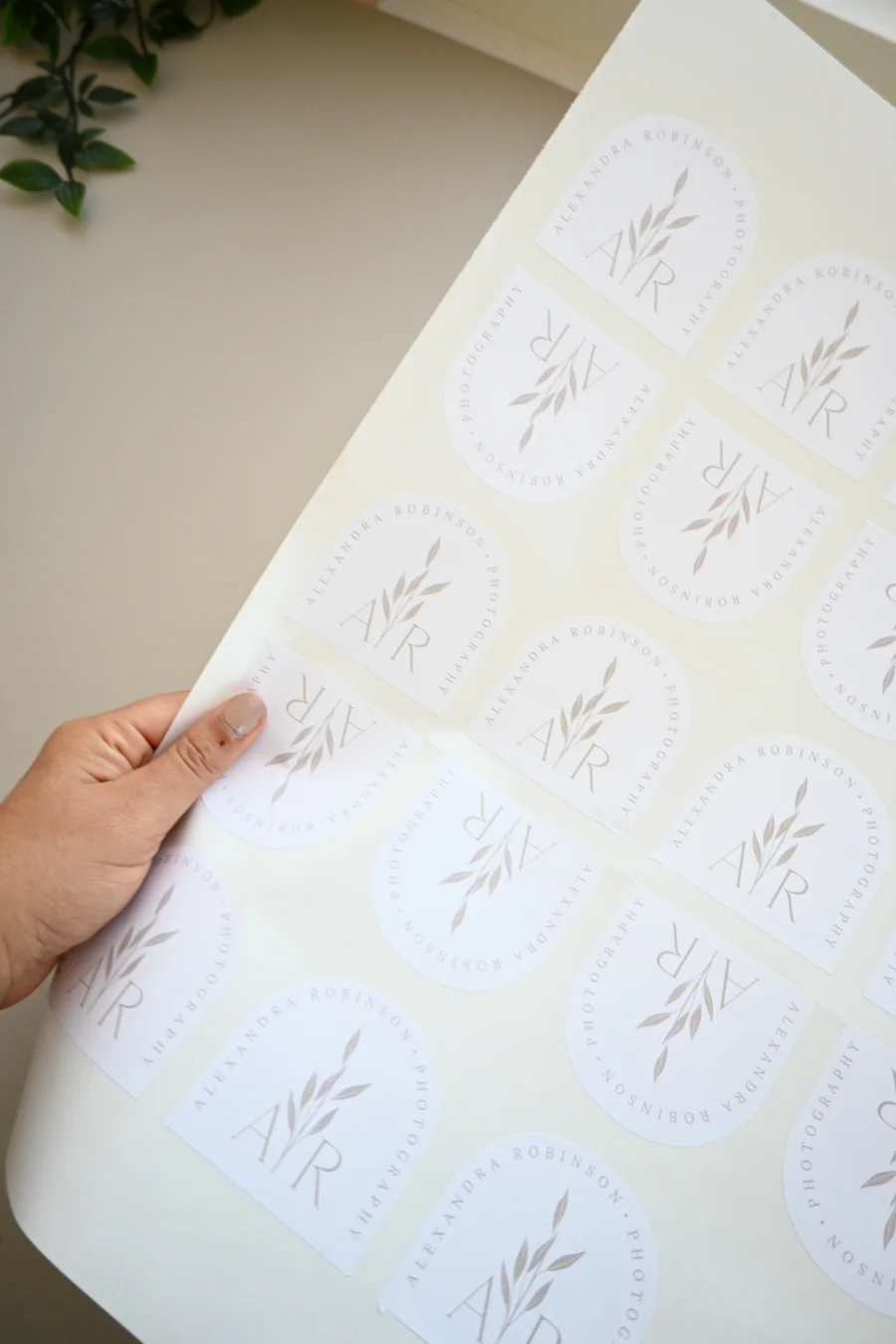
A sticker sheet is a single backing card with multiple sticker designs laid out in a grid or arranged composition. The backing is usually A5 or A4 size, and stickers are either die-cut (each sticker in its own custom shape) or kiss-cut (sticker shape cut through the vinyl, not the backing).
Sticker sheets feel like a product. They have the perceived value of something you’d buy. That changes how people receive and use them.
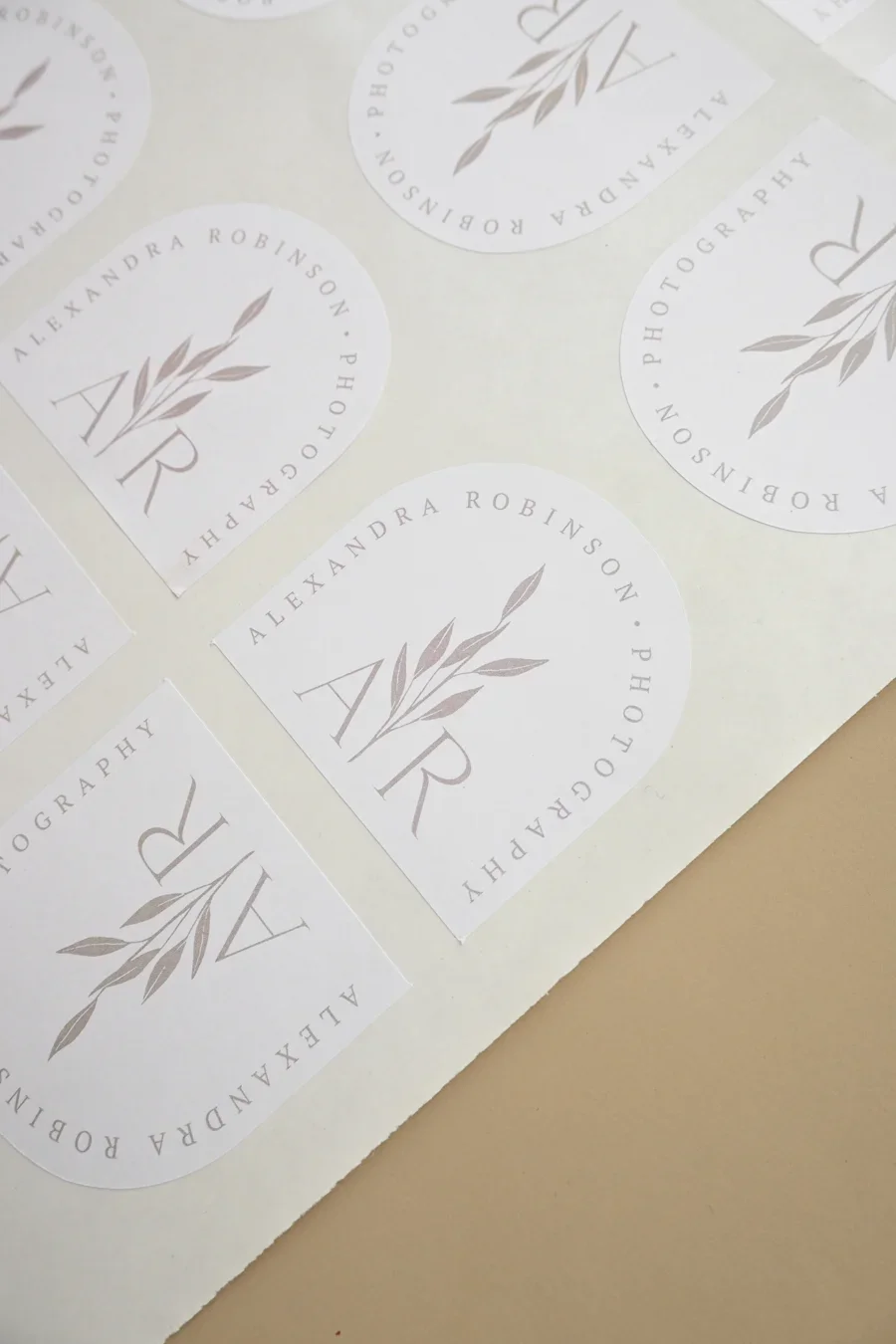
Individual stickers — whether die-cut, circle, rectangle, or another shape — are simpler: one design per sticker. Cleaner for focused campaigns, lower per-unit cost at high quantities.
When to Use Sticker Sheets
Building a brand universe
If your brand has multiple characters, icons, or design elements that belong together, a sticker sheet presents them as a cohesive collection. Customers peel and place exactly the elements they want. This is the format that creates genuine delight.
Works for: brands with mascots or character sets, product ranges with distinct visual identities, creative studios and illustrators.
Packaging inserts
Sticker sheets as unboxing inserts have outsized impact. The customer opens their order, finds a sheet of 8-12 branded stickers, and immediately has something to share and use. The value feels high even though the cost per sheet is minimal at volume.
Gifting and retail
Sticker sheets have shelf appeal. If you’re selling through retail or at markets, a well-presented sheet on a backing card is a product people buy. Individual stickers rarely make sense as a retail product unless displayed in large quantities.
Fan and community engagement
Fan packs, Kickstarter rewards, subscriber gifts — contexts where the audience is already invested. A sticker sheet signals “we put thought into this” in a way a single sticker doesn’t.
Need individual die-cuts instead?
Custom-shape die-cut stickers ship loose for one-by-one distribution — perfect for retail bag inserts, event giveaways, and packaging seals.
When to Use Individual Stickers
Event distribution
When you’re handing out stickers at speed — at a booth, at a market, during a street activation — individual stickers are simpler to manage and easier for people to pocket. One sticker per person moves faster than finding the right sheet.
Packaging seals
Circle stickers and oval stickers as packaging seals are always individual. You’re applying them one at a time to boxes or mailers — a sheet would be redundant.
High-volume campaigns
At 5,000+ units, individual stickers are significantly cheaper than sheets. The per-sticker cost drops with volume. If budget efficiency matters more than presentation, individual stickers win.
Focused brand message
One design, one message. If your campaign has a single clear visual or call to action, a single die-cut sticker communicates it more cleanly than a sheet that splits attention across multiple designs.
Cost Comparison
| Format | Typical use case | Per-unit cost relative |
|---|---|---|
| Individual die-cut (500 units) | Event giveaway | Low |
| Individual die-cut (2,000 units) | Campaign distribution | Very low |
| Sticker sheet A5, 8 stickers (200 units) | Unboxing insert | Higher |
| Sticker sheet A5, 8 stickers (500 units) | Gifting program | Medium |
Sticker sheets cost more per unit than individual stickers at comparable quantities. The premium is worth it when the format matches the use case — packaging insert, gifting, retail. It’s less justifiable for simple event distribution.
How to Choose Between Sheets and Individual
| Scenario | Right format |
|---|---|
| Unboxing insert or customer gift | Sticker sheet |
| Event giveaway | Individual die-cut |
| Packaging seal | Individual circle or oval |
| Fan pack or community reward | Sticker sheet |
| High-volume brand campaign | Individual die-cut |
| Retail or market product | Sticker sheet |
A Note on Kiss-Cut vs Die-Cut Sheets
On a sticker sheet, individual stickers can be kiss-cut or die-cut:
- Kiss-cut: The vinyl is cut to the sticker shape, but the backing paper is not. Stickers sit cleanly on the backing and peel easily. Best for most sheet applications.
- Die-cut: Both vinyl and backing are cut through. Each sticker is a separate unit. Better for unusual shapes where the full outline matters.
For most sticker sheet applications, kiss-cut is the standard and the right choice.
Browse sticker sheets and die-cut stickers to configure your order. Unsure which format suits your campaign? Get in touch and our team can advise.
Cost Comparison: Sheets vs Individual
The per-sticker economics differ significantly between formats. Individual stickers at volume (500+) have a very low per-unit cost – this is the format optimized for high-quantity single-design campaigns where you need thousands of units affordably.
Sticker sheets cost more per individual sticker because of the sheet printing format, the additional backing material, and the setup complexity of multiple designs on one backing. But the comparison isn’t quite apples-to-apples: when you’re comparing a sticker sheet with 10 designs to a single die-cut sticker, you’re comparing a perceived product to a brand touchpoint. The sheet has higher intrinsic value to the recipient – it’s something they might keep because of its completeness as a collection.
For packaging inserts where perceived value drives customer satisfaction, a sticker sheet justifies the cost premium. For large-scale event distribution or mass seal sticker campaigns, individual stickers at volume win on economics.
Need a multi-design sticker sheet?
Order kiss-cut sticker sheets with up to 12 designs per A6/A5/A4 sheet — perfect for branded packs, events, or merchandise drops.
Production and Lead Times
Individual stickers in standard formats (circle, rectangle, die-cut) have the most production options and fastest turnaround. Standard turnaround runs 2-5 business days. Rush 24-hour production is available for high-demand formats.
Sticker sheets require more setup – multiple designs positioned on a backing with consistent margins and appropriate cut paths. Allow 3-5 business days for sheets. The design file setup is more involved: each design on the sheet needs its own bleed and safe zone, and the overall sheet layout needs to be confirmed before going to print.
For campaigns with a hard deadline – a launch date, a conference, a product drop – always order with standard lead time plus buffer. Rush production is an option but not a strategy.
Setting Up Artwork for Sticker Sheets
The artwork setup for a sticker sheet is more complex than a single sticker. Each design element on the sheet needs:
- Individual bleed (3mm extension of artwork beyond the cut edge)
- Safe zone (critical elements 3-4mm inside the cut line)
- Consistent spacing between stickers on the sheet (5-8mm minimum)
- A clear cut path indicating where each sticker will be die-cut from the backing
The most common setup error is treating a sticker sheet as a single design rather than multiple individual stickers arranged on a backing. Each sticker needs to work in isolation – it will be peeled and placed separately from the others.
If you have multiple distinct designs that need to coexist on a sheet, supply them as individual elements and let the printer position them. This reduces the risk of individual designs being placed too close to each other or to the sheet edge.
Running Both Formats Together
There’s no rule that says you choose one format for a campaign and commit to it exclusively. The most effective sticker campaigns often use both formats for different functions.
A practical model: use individual circle stickers or die-cuts at volume for your primary brand seal and event distribution (high quantity, low cost per unit). Use sheet stickers for unboxing inserts, loyalty rewards, or limited-run packaging – where the sheet format creates an unboxing moment that individual stickers can’t match.
The sheet becomes the brand storytelling asset. The individual sticker is the workhorse. Both earn their keep, just in different parts of the customer journey.
Combining Both Formats: A Practical Approach
The businesses with the most coherent sticker strategy aren’t choosing between sheets and individual stickers – they’re using both formats for different jobs, ordered from the same brand palette, so every touchpoint feels consistent.
A practical combination that works for most product-based businesses:
- Circle stickers at 38-50mm for packaging seals on every outgoing order – ordered at volume (500-1,000 units) for cost efficiency
- Sticker sheets as a premium unboxing insert – ordered in smaller quantities (100-250 units) to include with select orders or as a gift with purchase
- Die-cut individual stickers at 70-90mm for event giveaways and distribution at markets or pop-ups
All three pull from the same brand visual language. The customer who orders online gets the seal and possibly an insert sheet. The customer who meets you at a market gets the die-cut giveaway. Both experiences feel intentional and on-brand, even though the formats are different.
The key is treating sticker formats as a system rather than a series of one-off decisions. When each format knows its job, there’s no overlap, no waste, and every customer touchpoint is covered. Order the right format for each role, in the quantities each use case demands, and the economics across the system improve significantly compared to ordering everything in one generic format.
Want a premium individual sticker?
Our custom die-cut stickers are cut to your exact shape with a finished, retail-grade look — ideal for branded gifts, product seals, and standalone packaging.
Frequently Asked Questions
Are sticker sheets more expensive than individual stickers?
On a per-sticker basis, yes – sticker sheets cost more per individual sticker than high-volume individual sticker orders. The difference is in perceived value: a sheet with 8-12 designs reads as a product or gift, while individual stickers are a marketing touchpoint. For packaging inserts and loyalty rewards where the goal is creating a memorable unboxing moment, the cost premium of a sheet is typically justified. For large-scale distribution campaigns where volume matters most, individual stickers at quantity are the more efficient choice.
What’s the minimum order for sticker sheets?
Minimum order quantities for sticker sheets are generally lower than for individual stickers because each sheet already contains multiple designs – so a run of 50 sheets produces 400-600 individual stickers if the sheet has 8-12 designs. This makes sheets an efficient option for brands that want variety without committing to large quantities of each individual design. The setup cost for the sheet layout is a fixed component regardless of quantity, so there’s a clearer cost advantage to ordering higher quantities.
Can I put different designs on a sticker sheet?
Yes – that’s the primary use case for sticker sheets. You can have entirely different designs, a character series, a product range, or a mix of logo marks and illustrations on the same sheet. Each design sits in its own space on the backing card and is independently die-cut, so the recipient can peel and use each one separately. The design brief for a sticker sheet is: what collection of designs would someone actually want? The answer to that question drives the sheet composition more than any technical constraint.
When should I choose individual stickers over sheets for a marketing campaign?
Individual stickers are better for three scenarios: large-volume distribution where cost per unit matters (events, order inserts, mass campaigns), packaging seals where you need one consistent branded sticker on every outgoing order, and focused campaigns built around a single strong design. If the campaign goal is maximizing reach with a consistent brand mark, individual stickers at volume outperform sheets on economics. Sheets are the better choice when the goal is creating a collectible or gift-quality experience with multiple designs.
How do I supply artwork for a sticker sheet?
Supply each design as a separate high-resolution file (minimum 300dpi, CMYK color mode) with 3mm bleed on all sides. Indicate the intended size of each sticker on the sheet. If you have specific positioning in mind (certain designs larger than others, a particular arrangement), include a layout sketch or brief. The printer will position designs on the backing with appropriate spacing. Keep each design as a self-contained unit – it will be peeled and used independently, so it needs to work as a standalone sticker without the context of the full sheet.
Not sure which format fits your campaign?
Talk to our team or browse the full sticker range — we’ll match the format to your distribution plan and quantity.