
Stickers are the underrated tool in the small business marketing kit. Low cost per unit, high flexibility, and physical presence in an increasingly digital world.
Here are 15 specific ways small businesses are using them – not as generic suggestions, but as concrete applications with the business logic behind each one.
Print stickers for every part of your small business
From packaging seals to event giveaways — one supplier, one minimum order, all the formats below.
At a Glance
15 sticker uses for small business: the highest-ROI sticker uses fall into four categories — packaging seals, marketing distribution, in-store signage, and customer experience moments.
How to choose: start with packaging seals (lowest cost, highest brand impression per unit), then add free-with-order keepsakes, then expand into in-store wayfinding and event handouts.
- Highest ROI for new brands: branded packaging seals on every order
- Best free-with-order keepsake: die-cut sticker pack (3–5 designs)
- Best in-store use: window decals + floor wayfinding stickers
- Best event / market handout: kiss-cut sticker sheets — easy peel, multi-design
Packaging and Fulfilment
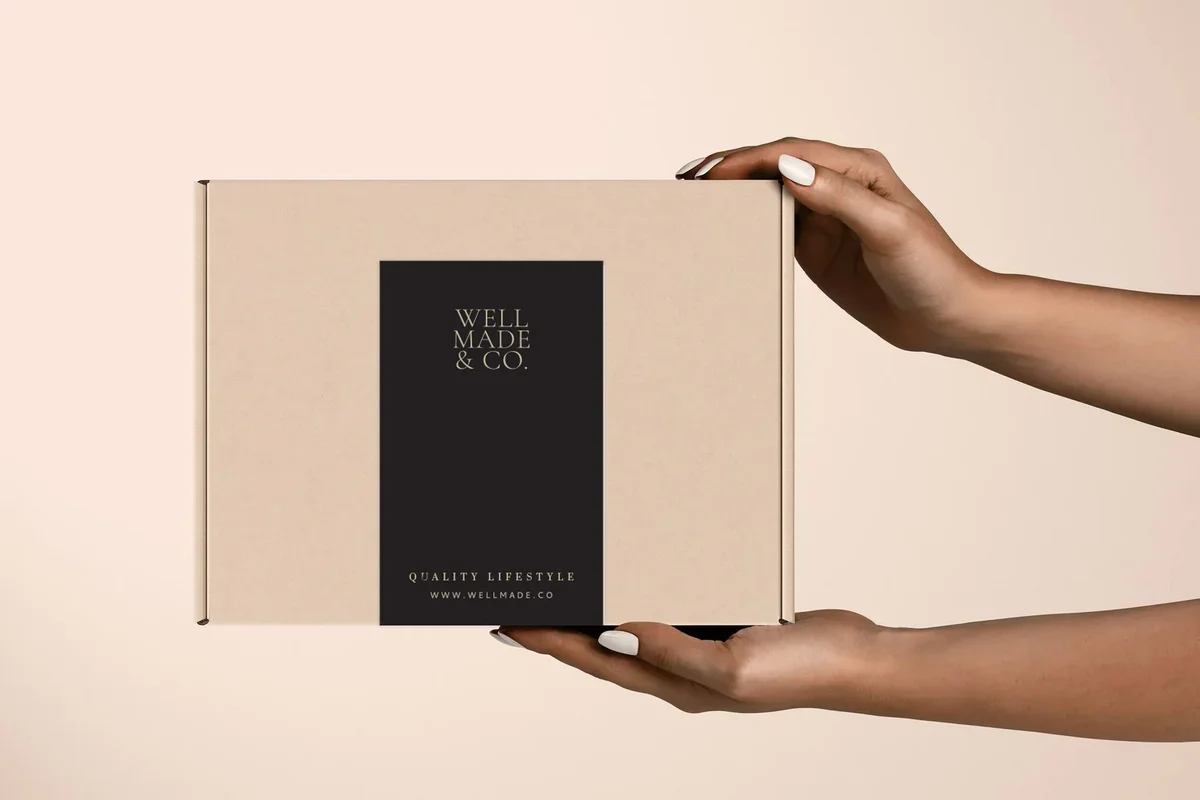
1. Box seals and mailer seals. Replace plain tape with a branded circle sticker on every outgoing order. Cost: cents per order. Impact: every customer’s first physical contact with your brand is branded and intentional. It’s one of the highest-leverage uses of a sticker because every single order gets one.
Small-business operators running multi-SKU product lines often use sticker sheet printing as a fulfilment shortcut, one A4 or A5 sheet carries every label SKU you ship that week, cutting the number of separate sticker reorders from 5 or 6 down to one. The sheet sits in your packing station, your team peels per order, and you reorder once a month rather than juggling separate inventory for each design.
| Category | Best sticker format | Quantity per month | Approx. cost (AUD) |
|---|---|---|---|
| Packaging seals | Circle / die-cut 35–50mm | 200–1,000 | $0.20–0.40 ea |
| Free-with-order keepsake | Die-cut 75–100mm | 100–500 | $0.40–0.80 ea |
| Marketing handouts | Kiss-cut sheet (4–8 designs) | 500–2,000 | $0.10–0.25 ea |
| Store window signage | Vinyl decal 200–600mm | 1–10 (one-off) | $15–60 ea |
| Floor wayfinding | Anti-slip vinyl 300–600mm | 5–20 | $25–50 ea |
| Event / market display | Vinyl 100–300mm + sheet handouts | Mixed | Varies |
| Loyalty / referral cards | Kiss-cut 50–75mm | 100–300 | $0.30–0.60 ea |
| Product labelling | Custom die-cut, food-grade if needed | 500+ | $0.15–0.40 ea |
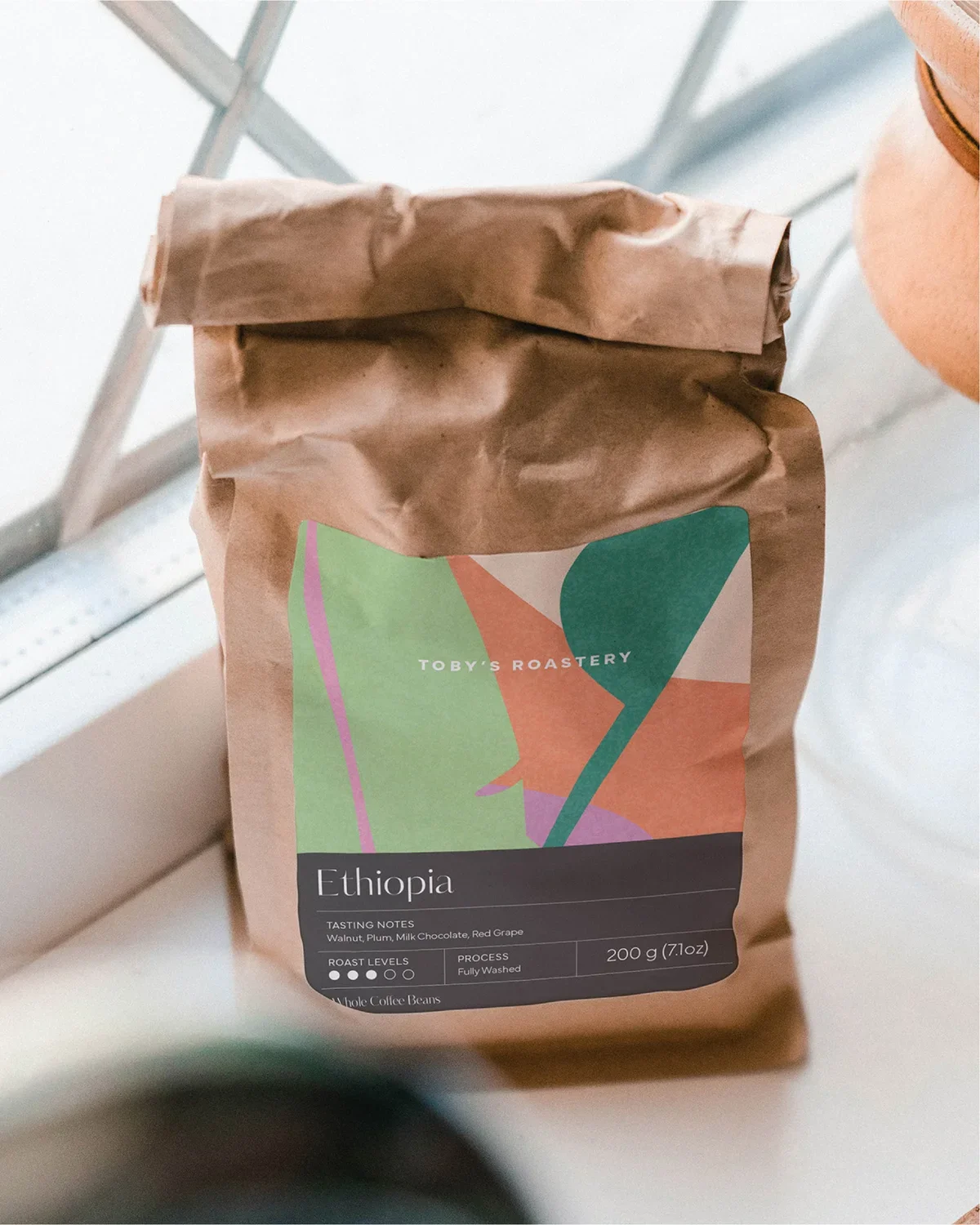
2. Thank you stickers inside the box. A small sticker inside the flap or on the tissue paper says the order arrived with attention. Doesn’t require a handwritten note on every order – the sticker communicates care without adding time to your packing process. If you would rather brand the tissue itself, custom tissue paper is printed to order with a 16-18 working day production lead time, so it needs planning ahead of a packing run.
3. Product labels. For makers, food producers, and cosmetic brands, a well-designed sticker label is more flexible than commercial label printing. Change your design as your product evolves. Apply across different container types. Start with small quantities without committing to a 5,000-unit label run.
4. Fragile and handling instruction stickers. “Handle With Care,” “This Side Up,” “Keep Refrigerated” – functional stickers in your brand’s style rather than generic yellow-and-black. Small detail, but it’s consistent branding at a moment the customer or carrier notices.
Need bulk multi-design giveaway packs?
Sticker sheets bundle 4-12 designs onto one piece — ideal for trade shows, market stalls, and brand-kit inserts.
Marketing and Distribution
5. Event and market giveaways. At local markets, pop-ups, or trade events, stickers are the giveaway people actually keep. A die-cut sticker of your brand character or logo gets placed on a laptop and stays there for years – unpaid impressions in every cafe, office, and co-working space that laptop visits.
6. Order inserts for word of mouth. Include a sticker sheet in orders with a note: “Share with a friend who’d love us.” You’re providing the physical asset for word of mouth. The customer does the distribution.
7. Local area placement. Cafes, gyms, bookshops, record stores – community venues often have a sticker board or bulletin board, and many will display stickers from local businesses they like. Ask. The majority will say yes.
8. Referral program assets. Send existing customers a set of stickers with a referral card. The sticker is the incentive to share – people who value your brand enough to display your sticker are your best referrers. The sticker identifies them as fans.
Store and Premises
9. Window signage. A vinyl window sticker with opening hours, brand message, or seasonal promotion looks like it belongs on the window, not taped to it. Much more professional than a printed A4 sheet stuck with sticky tape on the glass.
10. Product display labels. On shelves, in fridges, at market stalls – rectangle stickers with product names, prices, or key information. Fast to update, cheap to produce, no need for a professional sign for every SKU change.
11. Equipment and vehicle branding. Brand your tools, vehicles, equipment, and workspaces. A sticker on the side of your van or trailer turns it into a moving advertisement every time it parks near a job site or in a customer’s driveway. Bumper stickers in the right format hold up to outdoor conditions for years.
Customer Experience
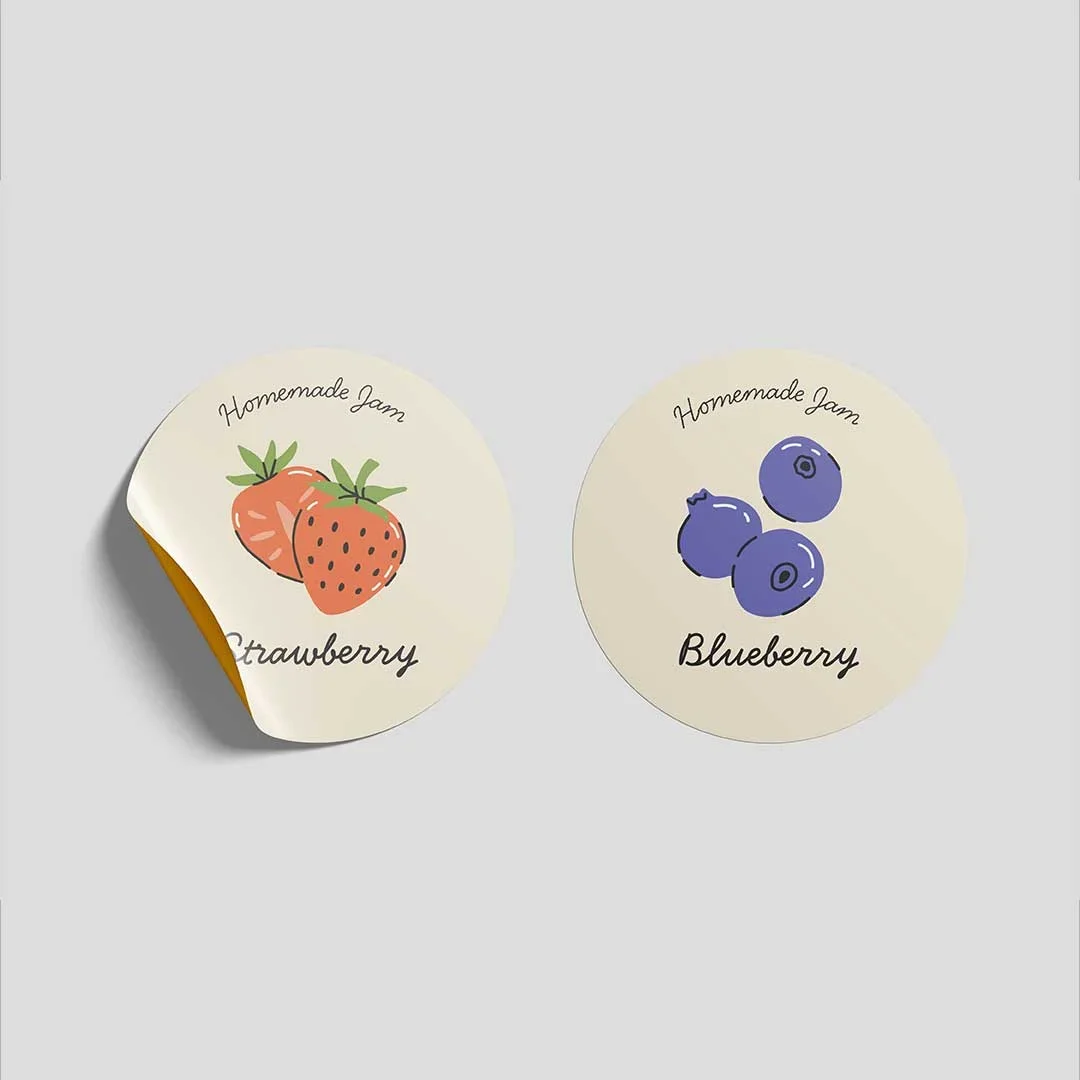
12. Loyalty card stickers. Instead of a punched card, use a small branded sticker that customers collect. More visual, more tactile, and the sticker itself has display value if the customer puts it somewhere visible.
13. Birthday and occasion messages. A “Happy Birthday” or “Congratulations” sticker on outgoing orders during a customer’s birthday month (if you have the data from their account) is a small, memorable personalisation that most competitors won’t bother with.
14. Staff name badges for events. Printed sticker name badges for markets, pop-ups, or casual team appearances. Not a permanent solution, but for casual events they’re fast, cheap, and can be on-brand – much better than a generic printed label on a lanyard.
15. Certification and compliance labels. For product businesses with Australian compliance requirements – safety labels, ingredient lists, allergen warnings, electrical ratings – these can and should be on-brand. A sticker label in your brand’s style is still a professional compliance label. It doesn’t have to look like an afterthought.
Brand your packaging with custom seals
Die-cut stickers cut to your logo shape — the most-recognised, most-photographed brand surface in any unboxing.
How to Choose Where to Start
For packaging seals and thank you stickers, circle stickers in the 38-50mm range are the standard starting point. For product labels, die-cut stickers or oval stickers give you the most design flexibility. For events and giveaways, die-cut stickers at 70-90mm are the right format.
Browse the full custom stickers range or get a quote for a specific use case. Starting orders from small quantities, flat-rate $10 shipping Australia-wide, free on orders over $100.
Building a Sticker System for Your Business
The businesses that get the most out of stickers aren’t using them in isolation – they’re using them as a connected system where each application reinforces the others. A packaging seal, a thank you insert, and an event giveaway all pull from the same brand visual language. The result is coherence at every touchpoint rather than scattered brand presence.
A starter system for a product-based small business:
- Circle sticker at 38-50mm for packaging seals on every outgoing order
- Die-cut sticker at 70-90mm for event giveaways and unboxing inserts
- Product label sticker sized to your specific packaging
Three sticker formats, all from the same brand palette. The customer who orders online gets the seal and the insert. The customer who meets you at a market gets the giveaway. Both experiences reinforce the same visual identity.
Just starting your sticker strategy?
Order circle stickers for packaging seals — the lowest-cost, highest-impact way to put your brand on every order. Full-colour, 24–48hr turnaround.
Planning Your Sticker Budget
Stickers are among the lowest-cost per-impression marketing assets available to a small business. A circle seal sticker costs cents per unit at quantity. An event die-cut is under a dollar per sticker at 500 units. The impression value – every customer who sees the seal, every person who sees the laptop sticker – extends across weeks or months.
A sensible budget framework: allocate a monthly sticker budget equivalent to 0.5-1% of your marketing spend. For a business spending $2,000/month on marketing, that’s $10-20 per month on stickers – typically enough to cover packaging seals for all outgoing orders and maintain a small giveaway inventory.
Order in batches that cover 3-5 months rather than monthly. This reduces per-unit cost and the administrative overhead of frequent small orders. Set reorder reminders at 15-20% stock remaining so you’re never caught short.
How to Order Stickers in Stages
Not every sticker format is appropriate to order at full scale immediately. A staged approach reduces waste from design changes and helps you identify what’s actually working.
Stage 1 – Pilot (100-250 units): Proof the design in use. Get customer reactions. Identify any sizing or format issues before committing to volume. The per-unit cost is higher at this stage, but it’s an investment in avoiding a large run of something that needs redesigning.
Stage 2 – Establish (500 units): Once the design is confirmed and the use case is validated, move to a quantity that offers meaningful cost reduction. At 500 units, most sticker formats are significantly cheaper per unit than at 100.
Stage 3 – Systematize (1,000+ units): For core formats that will be used indefinitely – packaging seals, product labels – move to quantities that minimize per-unit cost and reduce reorder frequency. Maintain stock discipline: don’t order more than 6 months of supply at once for designs that might evolve.
Tracking What’s Working
Unlike digital marketing channels, sticker campaigns can feel impossible to measure. But attribution is more achievable than it appears – you just need to build measurement in from the design stage.
QR codes for online attribution
Add a QR code to any sticker where tracking matters – event giveaways, referral inserts, or order packaging. Link to a UTM-tagged landing page specific to that sticker. Every scan appears in your analytics as a distinct traffic source. For e-commerce businesses, you can track all the way to purchase conversion, not just traffic.
The QR code should be secondary to the design – clear enough to scan (minimum 20mm square) but not the visual focus. The sticker must be worth displaying even if the recipient never scans it.
Promo codes as a low-tech alternative
A short promo code printed on the sticker gives the recipient an incentive to act and gives you direct purchase attribution. A memorable, campaign-specific code (STICKERPACK, MARKETFAIR, etc.) is more effective than a generic discount code – easier to remember and less likely to leak to coupon sites.
The social listening signal
Set up a brand mention alert (Google Alerts, or a social listening tool) for your brand name and common product terms. Sticker campaigns that are working tend to show up in user-generated content: desk setup photos, unboxing videos, laptop shots. This isn’t a precise measurement, but a sudden increase in organic brand mentions typically correlates with a successful sticker distribution push.
For stickers you’re distributing to track impressions rather than conversions – event giveaways, order inserts – the presence in social content is often the most meaningful signal of campaign reach. People photograph things they choose to display. A sticker that appears repeatedly in user content is working.
Before You Order Stickers for Your Small Business
- Start with packaging seals (lowest cost, highest brand impression per order)
- Standardise size (35mm or 50mm circle covers 80% of small-business use cases)
- Order 6-month supply to unlock bulk pricing tiers
- Track which formats drive social shares (kiss-cut sheets and die-cut keepsakes)
- Reorder cycle: review every 90 days against actual use rate
Ready to scale into multi-format stickers?
Browse our full custom sticker range — die-cut, kiss-cut sheets, vinyl decals, and floor stickers. Free design support on every order.
Frequently Asked Questions
What’s the most cost-effective sticker use for a small business just starting out?
The packaging seal – a branded circle sticker at 38-50mm that replaces plain tape on every outgoing order – delivers the highest return on investment for most small businesses. It costs cents per unit at quantity, reaches every customer, and creates brand presence at the first physical moment of customer contact. It requires no additional time in the packing process and creates a more professional impression than plain tape. Start here before adding any other sticker format.
Can stickers replace a printed insert card in my packaging?
For some use cases, yes. A thank you sticker on the tissue paper fold communicates appreciation without the cost and waste of a printed card. For transmitting more information (care instructions, a discount code, brand story), a sticker probably can’t replace a card – but it can complement it. A good middle path: a simple insert card for any written information that needs to be there, plus a branded seal sticker on the packaging exterior for the first visual impression. Both serve different purposes; one doesn’t eliminate the need for the other.
How do I use stickers to drive social media engagement?
Include a distinctive sticker in packaging orders with a clear invitation to share – a card or insert that says “stick it somewhere worth photographing, then tag us.” The sticker needs to be design-forward enough that showing it off feels like an expression of taste, not advertising. A custom die-cut with strong illustration or bold typography performs better here than a plain logo sticker. Include a branded hashtag. Feature user-generated content when it appears. The feedback loop encourages more sharing.
What sticker formats work best for a market stall or pop-up shop?
Three formats serve distinct purposes at a market or pop-up. Die-cut giveaway stickers (70-90mm, design-forward) for drawing people to the stall and creating take-home brand impressions. Product label stickers for any products sold without commercial packaging. And window or surface stickers for the stall structure itself – branded panels, price displays, or directional labels that make the stall look considered rather than improvised. The giveaway sticker is the most important: it’s what people remember and display.
How far in advance should a small business order stickers?
Order 3-4 weeks before you need them for standard situations. This covers design finalization, standard production (2-5 business days), and shipping. For event-specific stickers with a hard deadline, 4 weeks is safer – it allows a design revision cycle if the first proof needs adjustment. 24-hour rush production is available when timing is genuinely critical, but it adds cost and leaves no room for design iterations. Treat rush production as a last resort, not a planning tool.
Ready to roll out your sticker system?
Start with one format, add others as your needs grow. Most orders ship within 5 business days.