Finish is the final decision in a sticker order and the one most people make without enough thought. Gloss and matte aren’t interchangeable – they communicate different things, suit different surfaces, and hold up differently over time.
Getting it wrong doesn’t make the sticker non-functional. It makes it slightly off-brand. And in design, “slightly off” compounds quickly.
Print glossy or matte stickers — your choice at checkout
Both finishes available across die-cut, circle, and vinyl formats. Same minimum order, same lead time, choose by design intent rather than supplier.
At a Glance
Glossy vs matte sticker finish in 30 seconds: gloss wins on colour vibrancy, durability against moisture, and shelf appeal in retail; matte wins on premium tactile feel, photographability, and reduced glare in lit environments.
How to choose: pick gloss for outdoor / packaging / vibrant brands; pick matte for premium / artisanal / kraft-paired brands; specialty finishes (foil, holographic, soft-touch) layer on top of either base.
- Best for outdoor durability: gloss — better water beading and UV resistance
- Best for premium product packaging: matte — softer feel, less reflective glare
- Best for vibrant illustrations: gloss — colour saturation 15–20% higher
- Best for kraft / earth-tone brands: matte — pairs naturally with uncoated stock
What Gloss Does
Gloss laminate adds a clear reflective film over the print. The effects:
- Colours appear brighter and more saturated – the gloss layer adds depth that makes CMYK inks look more vivid than they do on an uncoated surface
- High visual energy – gloss catches light and commands attention
- Stronger contrast – darks look darker, brights look brighter
- Tactile distinction – there’s a clear physical smoothness to the surface
Gloss is the default finish expectation for most people ordering stickers. It’s what you picture when you imagine a sticker.
What Matte Does
Matte laminate adds a flat, non-reflective layer. The effects:
- Colours appear more natural – less saturated, more accurate to what you’d see in a print proof or on screen
- No glare – works in any lighting condition, never reflects awkwardly into a viewer’s eyes
- Premium, considered feel – matte communicates restraint in a way gloss doesn’t
- Better rendering of fine detail – detailed illustration and photography are often sharper on matte because the reflective gloss layer doesn’t obscure micro-detail under certain lighting
Matte is the finish choice of brands with a premium or minimal positioning. It takes confidence to choose because the colours look less punchy straight off the press – but in context, on the right packaging or surface, the result is more sophisticated.
Want vibrant gloss-finish stickers?
Gloss laminate punches up colour saturation and adds water and scratch resistance — the default finish for outdoor use, packaging, and high-traffic surfaces.
Stock and Laminate Are Separate Choices
The stock and the laminate are two separate choices. If you pick a White Gloss stock and then No Laminate, you get a printed gloss stock with no film over the ink. The stock still gives the gloss look, but the surface is bare and less protected than a laminated version.
If you pick White Gloss stock and then Matte Laminate, the matte film sits over a gloss stock. The stock still reflects light, but the matte laminate softens the surface reflection and gives a flatter, lower glare look. It does not turn the stock itself matte.
When to Choose Gloss
Bold, colour-heavy designs. If your design relies on saturated colour for impact – a vivid red logo, a bold yellow, a neon design – gloss amplifies that energy. The reflective surface enhances colour vibrancy in a way matte can’t match.
Youth and streetwear brands. Gloss is the sticker culture default. Skateboard, music, and youth fashion brands have always worked in gloss. It’s expected, not remarkable – which is exactly the right signal for brands in this space. Using matte in these contexts can actually read as trying too hard.
Product labels on shelves. Under retail lighting, a gloss sticker competes for attention in a way matte doesn’t. If shelf standout is the primary goal, gloss wins.
Budget-sensitive campaigns. Gloss tends to be slightly less expensive than matte at comparable specifications. If you’re producing high volumes and the finish isn’t critical to brand expression, gloss is the rational economic choice.
Food and FMCG products. The grocery and food retail category defaults to gloss for product labels. Matte in this context can read as artisan or handmade (which may or may not be what you want), but gloss is the conventional expectation.
Prefer a soft matte finish?
Matte laminate kills glare, photographs cleanly, and gives a premium tactile feel — the right pick for editorial brands, indoor use, and dark colour palettes.
When to Choose Matte
Luxury and premium brands. Matte communicates restraint and quality. High-end cosmetics, fine food, premium homewares, and craft spirits default to matte because the finish matches the brand promise. If your brand is positioned on quality rather than price, matte is almost always the right call.
Designs with detailed illustration or photography. Matte surfaces show fine line detail and photographic tones more accurately. Gloss adds visual noise over complex artwork under certain lighting conditions. If your design has fine detail, test both finishes before committing to a large run.
Laptop and notebook stickers. Matte stickers sit better visually alongside other stickers. They create less visual competition and look more intentional in a mixed sticker environment – which matters when your sticker is competing for the best spot on a well-curated laptop.
Professional services and B2B brands. Gloss reads as consumer. Matte reads as professional. For stickers used in B2B contexts – on folders, equipment, direct mail, or in professional environments – matte is the more credible finish choice.
Brands with a refined or minimal aesthetic. If your brand identity is characterised by restraint – white space, clean typography, limited colour – gloss contradicts it. Matte lets the design breathe.

Durability Differences
Both finishes offer good protection for the ink layer beneath. The practical differences:
Scratch visibility. Matte finishes can show surface scratches more visibly than gloss because the flat surface catches scratches differently under light.
Moisture resistance. Gloss laminates tend to be slightly more water-resistant because the surface is smoother and less porous. Both are water-resistant with quality laminate – the difference is marginal for most applications.
Fingerprint visibility. Matte shows fingerprints far less than gloss. A dark gloss sticker will show handling marks from the moment it’s touched. Matte is the more forgiving finish for stickers that are handled frequently.
UV resistance. Both are comparable with quality laminate. Neither is rated for years of harsh outdoor UV without UV-specific material – if outdoor longevity is critical, specify UV-resistant vinyl rather than relying on the laminate alone.
How to Choose Between Gloss and Matte
Not sure? Order a small sample run in both finishes before committing to a large quantity. Seeing the finish in person against your packaging or intended surface is worth the small additional cost – the difference is significant enough that it’s a decision worth making with a physical sample in hand.
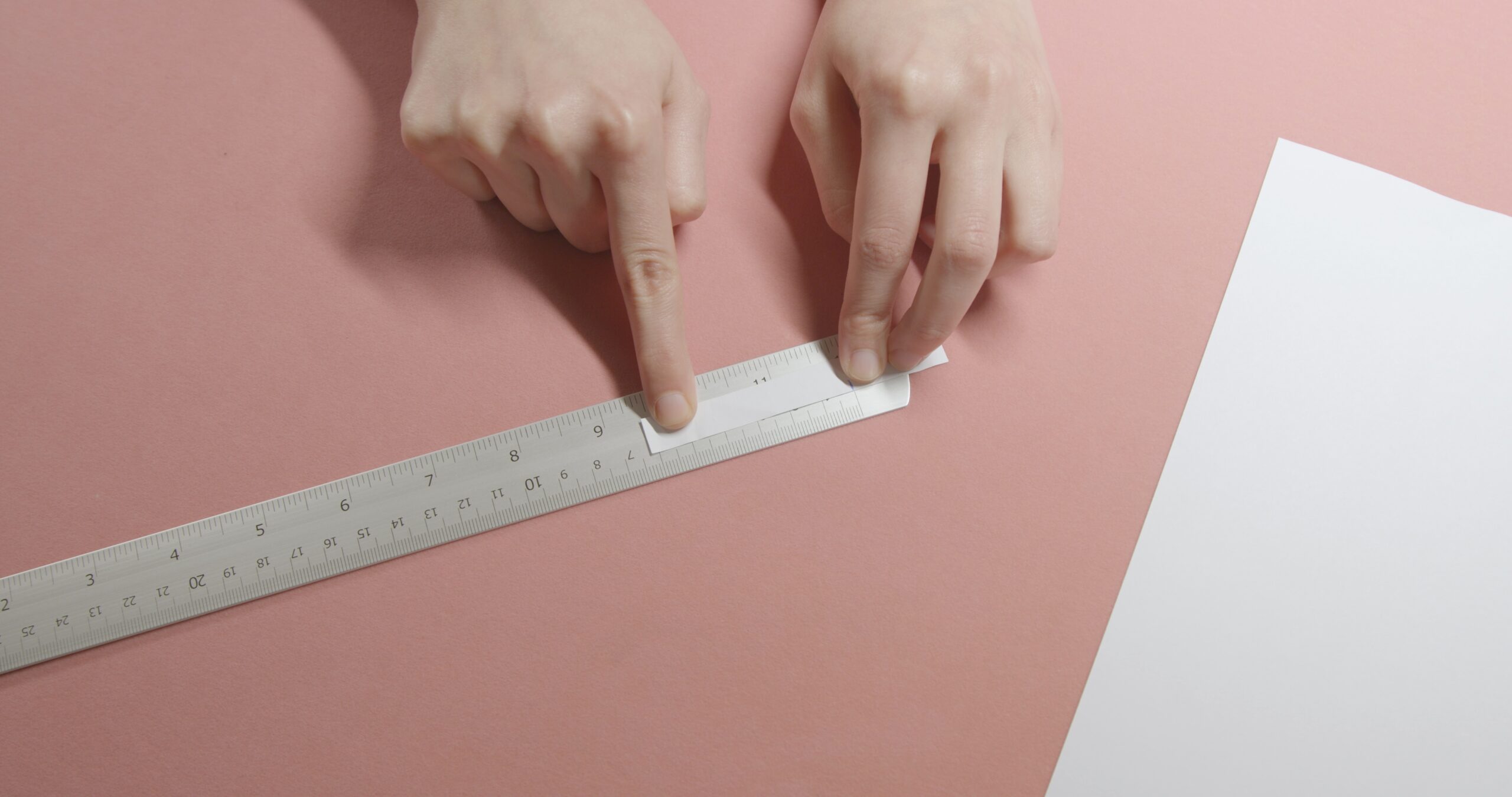
The fastest way to settle the debate is to print the same artwork in both finishes and run a quick side by side test before you commit to a full run.
- Print the same design on a White Gloss stock and on a White Matte stock, with the laminate you plan to use.
- Hold both samples under the same direct light source, such as a desk lamp or bright window light.
- Check both at arm’s length to see how much glare each sample throws back.
- Compare a dark solid area and the smallest text in the design on both samples, since glare and edge clarity show up there first.
Browse die-cut stickers, circle stickers, and kiss-cut stickers with your choice of gloss or matte laminate. Flat-rate $10 shipping Australia-wide, free on orders over $100.
| Brand profile | Recommended finish |
|---|---|
| Premium, minimal, luxury | Matte |
| Bold, energetic, youth-oriented | Gloss |
| Creative, illustrated, artistic | Matte |
| Colour-driven, product-led | Gloss |
| B2B or professional services | Matte |
| Consumer retail, shelf presence | Gloss |
| Artisan, craft, handmade | Matte |
| High-volume promotional | Gloss (cost efficient) |
Need vinyl stickers for retail or outdoor?
Order vinyl stickers for vibrant colour and weather durability — 24–48hr turnaround, full-colour printing, flat-rate AU shipping.
Finish Options in This Range
These products separate the stock choice from the laminate choice. The stock can be White Gloss Sticker or White Matte Sticker, with Clear Sticker and Clear Vinyl Sticker on selected products. The laminate is No Laminate, Matte Laminate, or Gloss Laminate. Vinyl Stickers are the exception: the vinyl itself is the waterproof printed face, so there is no laminate choice on that product. If you want a laminate added, you can ask us for one.
No Laminate means the printed surface is bare. No film is applied over the ink. You still get the look of the stock you picked, but there is no added layer for handling, contact, or moisture.
Matte Laminate or Gloss Laminate is a film over the print. It changes the surface feel and how light hits the printed area. It does not change the stock color underneath.
Specialty finishes such as soft touch, holographic, frosted, and spot finishes are not part of this range, and a design that depends on one of those needs a different product. The tactile finish readers most often mean is an uncoated textured paper stock rather than a laminate; readers ordering in the United States can get it as textured stickers, supplied unlaminated so the paper tooth is what you feel.
Finish and Material Combinations
The sticker finish and the underlying material interact. Not every combination is a good idea.
White Gloss Sticker + Gloss Laminate. Good for full color brand stickers and product labels that need high shine. The gloss stock gives saturated color, and the gloss laminate adds a glossy film over the print. This is the most reflective combination in the range.
White Gloss Sticker + No Laminate. Good for indoor uses where you want a gloss stock without an added film. The printed surface stays bare, so color still reads bright from the stock, but there is no laminate for handling, scuffs, or moisture.
White Matte Sticker + Matte Laminate. Good for a low glare, soft finish. The matte stock and matte film together reduce reflection and give a flat, even surface. This works well for packaging, notebook labels, and designs with small text or muted color.
Clear Sticker + Gloss Laminate on a sticker sheet. Good for designs where the clear stock should show through with a glossy film. On a sheet, one finish applies to the whole sheet, so every sticker on that sheet shares the same gloss or matte laminate.
White Matte Vinyl Sticker. Good for outdoor or durable use where the material does the work. The white matte vinyl surface is the finish, so there is no laminate choice to make. Choose this for labels that will face weather or handling.
Clear Vinyl Sticker. Good for clear outdoor stickers. It uses clear vinyl stock, and the clear vinyl itself gives the see through result, so there is no gloss or matte laminate to pick.
Industry-Specific Guidance
Food and beverage
Food packaging benefits from gloss laminate – colors look fresh, ingredients look appetizing, and the bright surface reads as clean and food-safe. Premium food brands (artisan, small-batch, farmer’s market positioning) are the exception: matte or uncoated paper stock aligns better with the craft narrative. Test with a physical sample before committing to a finish on a major food product label run.
Beauty and skincare
Beauty packaging splits by price point. Mass market: gloss for color vibrancy and shelf visibility. Mid-range and premium: matte for sophistication. Luxury: soft-touch matte or specialty finishes that create a tactile experience worth paying for. The finish decision for beauty packaging is a positioning statement before it’s an aesthetic choice.
Tech and business products
Matte is the default and usually the correct choice for tech company stickers, business card stickers, and professional brand applications. Gloss reads as consumer-grade in a professional context. For laptop and event stickers, matte also performs better in office and conference room lighting conditions where glare is a constant factor.
Retail and fashion
Retail packaging stickers benefit from matte for a premium, considered look. For bold seasonal promotions where vibrancy matters (sale stickers, limited-edition tags), gloss delivers the visual energy that matte deliberately suppresses. Having both in your toolkit – matte for evergreen packaging, gloss for promotional moments – is a practical approach for retail businesses.
Want premium matte stickers?
Our matte-finish stickers deliver a soft, premium tactile feel — perfect for kraft packaging, artisanal brands, or premium product seals.
Frequently Asked Questions
Which sticker finish is better for outdoor use?
Outdoors, the material does the work, not a laminate you pick. Choose Vinyl Stickers, which come as White Matte Vinyl Sticker or Clear Vinyl Sticker. The vinyl itself is the waterproof printed face, so the product has no laminate choice. Matte Laminate and Gloss Laminate on the paper stocks are not UV specifications. For long outdoor life, order the vinyl.
Does matte or gloss finish affect how long a sticker lasts?
The material and adhesive quality matter more than the finish choice for sticker longevity. A quality vinyl with either gloss or matte laminate outlasts a budget material with either finish. That said, matte laminate tends to show surface abrasion (fine scratches from handling) less visibly than gloss, because matte’s non-reflective surface diffuses light that would otherwise highlight scratches. For stickers that see regular physical contact – laptop stickers, packaging seals, product labels handled frequently – this is a minor practical advantage for matte.
Can I mix gloss and matte in a sticker design?
No, there is no spot matte or spot gloss option on these products, and a sticker sheet takes one finish across the whole sheet. If you want some stickers in gloss and some in matte, order the designs as separate items with different finishes. That gives a real mix without trying to split a finish on one product.
What’s the best finish for stickers on kraft packaging?
There is no kraft sticker stock in this range. For a sticker on kraft packaging, choose a white stock if you want solid printed color with contrast. White Matte Sticker with No Laminate or Matte Laminate is a quieter match. White Gloss Sticker with Gloss Laminate gives more contrast and shine. Clear Sticker on a sheet is an option, and Clear Vinyl Sticker has no laminate choice because the clear vinyl itself is the face.
How do I decide between gloss and matte for a new brand sticker?
Ask what your brand is communicating and to whom. Matte: premium, considered, professional, craft, artisan, minimal. Gloss: vibrant, energetic, consumer, food-safe, bold. If your brand sits clearly in one camp, the finish choice is straightforward. If you’re unsure, order a small sample run of both finishes with the same design and assess them in context – on the actual packaging or surface they’ll be used on, under the actual lighting conditions where they’ll be seen. The right choice usually becomes obvious once you’re looking at physical samples rather than making the decision on screen.
Ready to choose your finish?
Upload your artwork, select gloss or matte at checkout, and we’ll handle production. Most orders ship within 5 business days.