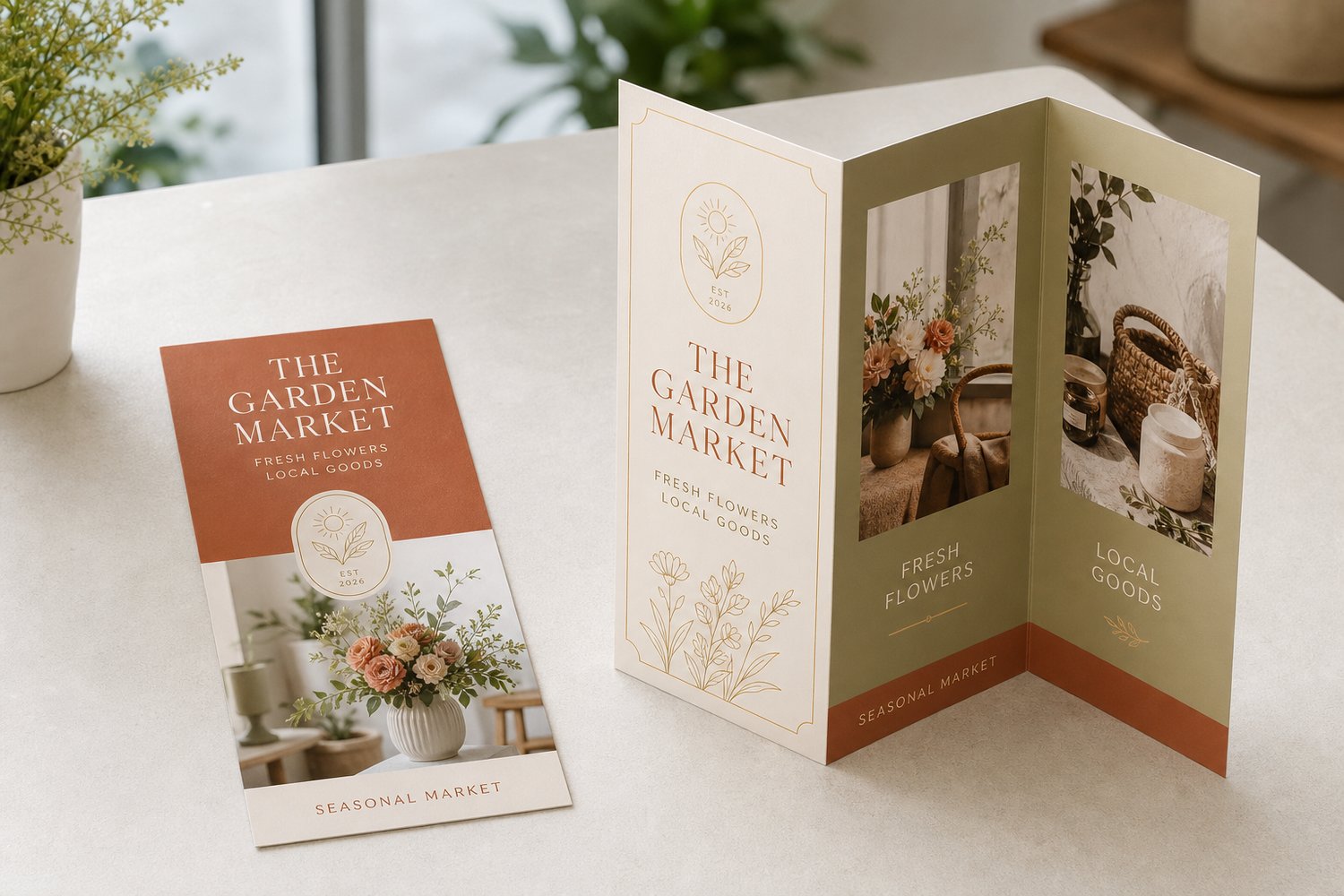
If you are planning a letterbox drop campaign in Australia, you have probably come across both terms and wondered whether a flyer and a leaflet are actually different things. Spoiler: in the Australian print industry, they often refer to the same item, but the choice of format, whether flat or folded, single sheet or multi-panel, matters enormously for how your campaign performs. This guide cuts through the terminology and helps you decide which format suits your goals, your budget, and your letterbox.
A DL flyer is 99mm x 210mm. Print it on one side or both sides, choose from 150 gsm Gloss, 170 gsm Matte or 250 gsm Gloss, and order from 250 to 5,000. Printed DL flyers on 150 gsm Gloss, front only, start at $81.30 for 250, or $0.32 each.
CHEAT SHEET
- In Australia, “flyer” and “leaflet” are used interchangeably; the real decision is flat (unfolded) vs folded.
- DL (99 x 210mm) is the most popular letterbox-drop size: compact, fits standard letterboxes, and costs less per unit to print and distribute.
- A folded DL (A4 folded to DL) suits campaigns with more content, but adds print cost and can feel bulkier in the letterbox.
- Single-sheet DL flyers win on cost-per-contact; folded leaflets win when your message needs more space or multiple sections.
Flyer vs Leaflet: Is There Actually a Difference?
In the UK, “leaflet” traditionally referred to a folded sheet while “flyer” meant a single unfolded page. In Australia, the two terms are effectively synonymous. Printers, distributors, and businesses use them interchangeably to describe any single-sheet promotional piece dropped into a letterbox, handed out at events, or placed on counters.
What actually matters for your campaign is not the word you use, but the format decision behind it. That breaks down into two choices:
- Single-sheet (flat): One piece of card or paper, printed both sides or single-sided. Commonly used in DL, A6, A5, and A4 sizes.
- Folded (multi-panel): A sheet folded into two or more panels, creating a smaller finished piece with more content space. A common example is an A4 sheet folded to DL size (also called a DL folded leaflet).
The rest of this guide uses “flyer” to mean a single-sheet flat piece, and “leaflet” to mean a folded version, which is the clearest way to compare them.
Why DL Dominates Letterbox Campaigns in Australia
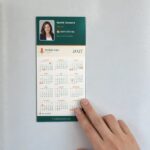
DL (99mm x 210mm) is one-third of an A4 sheet. It is the default choice for letterbox drops across Australia, from real estate agents and tradies to local restaurants and service businesses. The reasons are practical: The same DL size can carry a 2027 calendar when you order fridge magnet calendars, with the state or territory you choose marking its 2027 public holidays. Real estate agents use them for January letterbox drops so the household keeps the agent’s name on the fridge through the year.
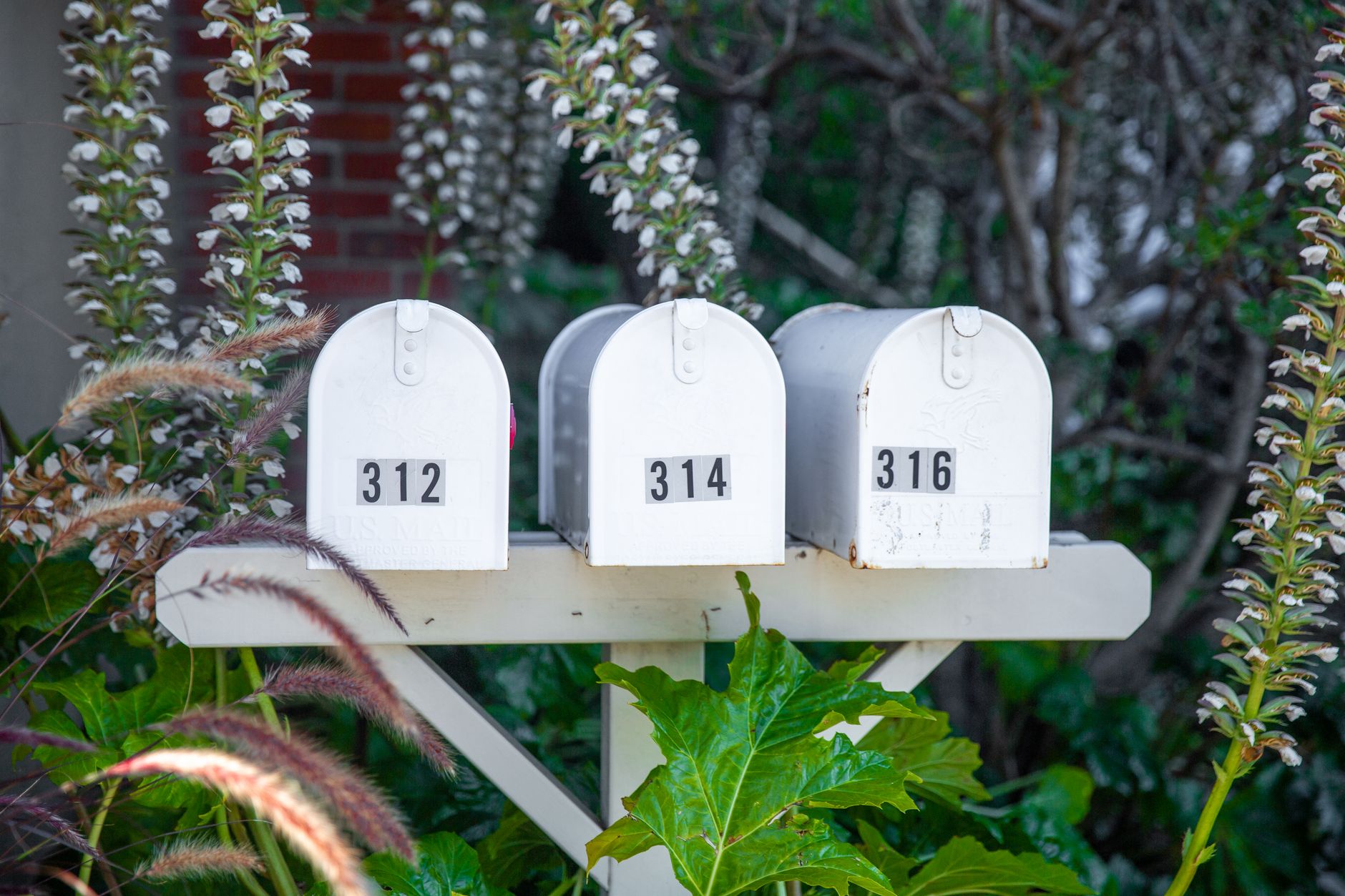
- Letterbox compatibility: DL slides neatly into most residential letterboxes without folding or forcing.
- Envelope compatibility: DL matches the standard DL envelope size, so the same artwork works for both a letterbox drop and a direct mail campaign.
- Print efficiency: DL is cut from A4 sheets in thirds, which is efficient and keeps unit costs low. At Paperlust Print Shop, flyers in DL format start from $0.05 inc. GST per unit, making high-volume runs genuinely affordable.
- Distribution handling: Distributors handle DL pieces quickly. They stack well, weigh little, and do not flap out of letterboxes.
A6 (105 x 148mm) is also popular for voucher-style drops where a small, pocketable piece works well. A5 (148 x 210mm) offers more real estate for content but is bulkier to distribute and typically costs more per unit.
Single-Sheet DL Flyer vs Folded DL Leaflet: The Real Comparison
Here is where the format decision gets practical. An A4 sheet folded to DL gives you six panels (three per side) of content, but the same finished size as a flat DL flyer. So why not always fold?
Both a flat DL flyer and a folded DL leaflet finish at the DL flyer size (99 x 210 mm), so the difference is panel count, not finished size.
| Factor | Flat DL Flyer | Folded DL Leaflet (A4 to DL) |
|---|---|---|
| Content panels | 2 (front and back) | 4-6 panels depending on fold type |
| Print cost per unit | Lower (smaller sheet) | Higher (A4 sheet, more ink) |
| Weight per piece | Lighter | Heavier |
| Letterbox fit | Excellent | Good (slightly thicker) |
| Reader experience | Fast scan, clear CTA | More immersive, sequential story |
| Best for | One offer, one CTA, one clear message | Multi-step offers, product menus, schedules |
| Distribution cost | Lower (lighter load per bag) | Slightly higher |
The single-sheet DL flyer wins in most letterbox-drop scenarios because most consumers spend fewer than five seconds deciding whether to keep or discard a letterbox piece. A clear, single-sided message with one strong call to action outperforms a folded piece that requires the reader to open it.
That said, a folded DL leaflet earns its place when you are distributing something like a takeaway menu with dozens of items, a seasonal event programme, or a service guide with multiple packages. The additional panels justify the cost when the reader actually needs the extra content.
When to Use Each Format
Choosing between a flat flyer and a folded leaflet comes down to three questions: How much content do you have? What is your offer? And what is your budget per contact?
Go with a flat DL flyer if:
- Your message is one clear offer, discount, or event announcement.
- You need a large print run (2,000 or more) at minimum cost per unit.
- Your campaign is time-sensitive and you need to move quickly from print to distribution.
- You want to double as a direct-mail piece by adding a recipient address panel on the back.
Go with a folded DL leaflet if:
- Your business has multiple services or products that genuinely benefit from separate panels.
- You are distributing a takeaway or cafe menu where the full offering is a selling point.
- Your audience is likely to keep the piece (a seasonal schedule, a local services directory) rather than act immediately.
- You are running a high-value campaign (home renovation, financial services) where a premium, considered feel matters.
For most local-area marketing campaigns (gyms, tradies, food delivery, retail promotions), the flat DL flyer is the right call. It is cheaper to print, easier to distribute, and forces you to sharpen your message to what matters.

Paper Weight and Finish for Letterbox Work
Paper choice matters more than most businesses realise for letterbox drops. A flimsy piece signals low quality and is more likely to be discarded without being read.
Paperlust Print Shop offers several stock options for flyers that suit different campaign needs:
- 150gsm Gloss: The sweet spot for most letterbox campaigns. Sturdy enough to feel considered without adding significant per-unit cost.
- 170gsm Matte: Noticeably heavier and more premium. Matte finish is increasingly popular for a sophisticated, non-shiny look. Good for real estate, professional services, and premium food businesses.
- 250gsm Gloss: Card weight. This is menu territory or premium event flyers. Not typically practical for high-volume letterbox drops due to the added weight and cost, but excellent for targeted, lower-volume campaigns in high-value suburbs.
For a folded leaflet, go at least 150gsm. Lighter stock folds poorly and can crinkle in letterboxes, which harms the impression your business makes.
Response Rates: What to Expect From a Letterbox Campaign
Response rates for letterbox campaigns vary widely depending on your industry, offer, and distribution area, but the channel performs stronger than many digital alternatives for local awareness. Research by IVE Group indicates 89% of recipients remember receiving a flyer, and 48% visit a store or business following a letterbox drop.
Format affects engagement in a more subtle way. The most reliable driver of response is the clarity and relevance of your offer, not whether your piece is flat or folded. What format does influence is perceived value and scan time:
- Flat DL flyers are scanned in under five seconds. A strong headline, clear offer, and visible contact details or QR code are enough.
- Folded leaflets invite slightly longer engagement when the reader opens them, but that only matters if your target audience is motivated enough to do so.
A QR code, unique discount code, or trackable phone number gives you the ability to measure actual response regardless of format.
Linking Your Letterbox Drop to a Wider Campaign
Letterbox drops work best as part of a co-ordinated campaign rather than a standalone tactic. A DL flyer, a social media ad, and a Google Business listing all pointing to the same offer amplifies each individual channel.
For businesses with a regular drop schedule, such as restaurants, gyms, and retail, printed brochures serve a complementary role when you need to communicate a broader range of products or services. Use the flyer for the headline offer and the brochure for deeper engagement when a customer walks in or calls.
If you are planning your quantities and want to understand how print run size affects your cost-per-unit, see How Many Flyers Do You Need? Print Runs and Cost-Per-Unit for a full breakdown of print economics. And if you are weighing up DL against A5 or A6 for a broader size decision, Flyer Printing Australia: DL, A5 and A6 Sizes Compared covers the full size comparison in detail.
Frequently Asked Questions
Are flyers and leaflets the same thing in Australia?
Yes, in the Australian print industry the two terms are used interchangeably. Both refer to a printed promotional sheet used for distribution. When a printer or distributor refers to a “letterbox leaflet,” they mean the same thing as a “letterbox flyer.” The meaningful distinction is between flat (unfolded) and folded formats, not the terminology.
What is the most popular flyer size for letterbox drops in Australia?
DL (99 x 210mm) is the most widely used size for letterbox campaigns in Australia. It fits standard letterboxes and DL envelopes, prints efficiently, and costs less per unit than A5 or A4. An A6 (105 x 148mm) is a common alternative for voucher-style drops where a compact, pocketable format works well.
How much does letterbox flyer printing cost?
Flyer printing at Paperlust Print Shop starts from $0.05 inc. GST per unit, with pricing scaling by size, paper weight, quantity, and finish. Larger print runs bring the unit cost down significantly. For an exact quote based on your specifications, visit the flyers product page.
How long does flyer printing take?
Production takes 2-5 working days after design proof approval. If you are planning a time-sensitive campaign, factor in both the production window and the time required to brief your distribution partner.
What paper weight is best for letterbox drops?
150gsm is a reliable default for most letterbox campaigns. It feels sturdy without adding excessive cost or weight per piece. For premium campaigns targeting high-value areas, 170gsm matte lifts the perceived quality noticeably. For very high-volume, cost-driven drops where quantity is the priority, 150gsm keeps the per-unit cost lowest.
Can I use the same artwork for a letterbox drop and a direct mail campaign?
Yes, provided your artwork is set up for DL format. A DL flyer fits neatly into a DL envelope, which is the standard size for direct mail in Australia. You may want to reserve a panel or section of the back for the recipient address if you intend to use the piece for both channels.
What size is a DL leaflet?
A DL leaflet is 99 x 210 mm, or 3.9 x 8.3 inches, the same footprint as a DL flyer. A flat DL leaflet is a single sheet cut to that size. A folded DL leaflet starts as an A4 sheet at 210 x 297 mm and is folded twice to finish at 99 x 210 mm with six printable panels. Both versions fit a standard DL envelope and both drop into an Australian letterbox without bending.
What is a leaflet drop?
A leaflet drop, also called a letterbox drop, is unaddressed print delivered straight into residential or business letterboxes across a chosen set of postcodes or walk routes. There is no mailing list and no address printed on the piece, which is what separates it from direct mail. The cost has two parts: printing the leaflets, then paying a distributor a rate per thousand delivered. DL is the usual format because it is the cheapest to print and the lightest to walk.