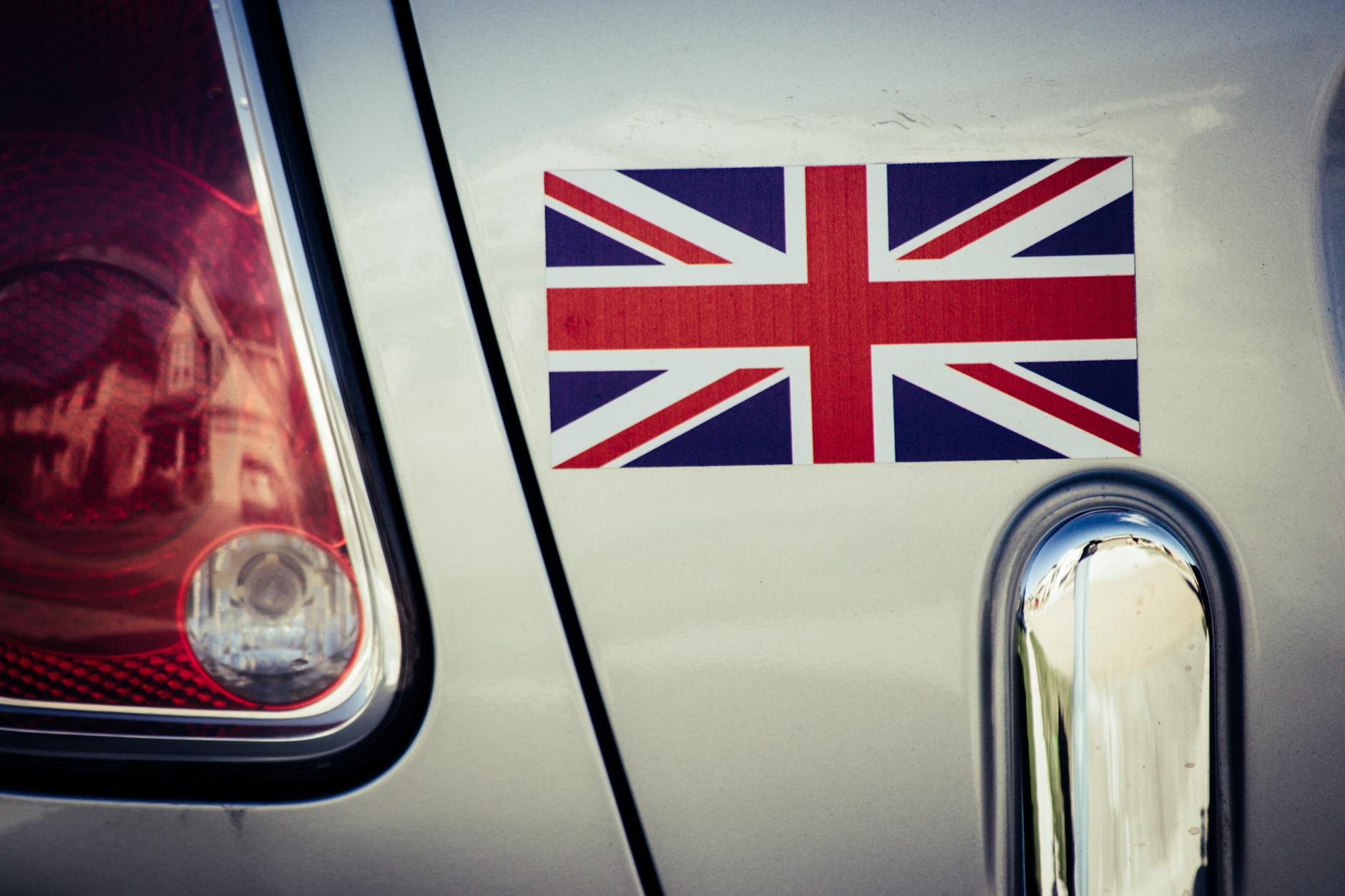
Bumper stickers are one of the simplest and most cost-effective ways to put a brand, campaign, or cause in front of a moving audience. Every car that carries your sticker is a mobile billboard, and unlike digital ads, it never gets skipped. But ordering the wrong material or applying a sticker incorrectly can mean peeling edges inside a month or a paint nightmare when it comes time to remove it.
This guide covers what Australian buyers actually need to know before they order: standard sizes, which vinyl performs best on vehicles, how to apply a bumper sticker without bubbles, and how to remove one without damaging the paintwork. Whether you are printing for a political campaign, a tradie fleet, a fundraiser, or a product promotion, the decisions below will save you a reprinting cycle.
At a glance
- Standard size: 200 x 50mm; any custom dimension available
- Material: outdoor-grade white gloss vinyl with UV-resistant inks
- Durability: 3-5 years laminated; 2-3 years unlaminated
- Finish: gloss (standard), matte (available), laminated (recommended for vehicles)
- Application: clean dry surface, squeegee from centre outward, 10 minutes minimum
- Removable alternative: car magnets for fleet use where no residue is acceptable
Standard Sizes for Bumper Stickers
There is no single globally standardised bumper sticker size, but Australian printers and their customers have settled on a practical range based on where stickers actually fit on modern vehicles.
| Size | Dimensions | Best use |
|---|---|---|
| Paperlust standard | 200 x 50mm | Classic slogan, logo or web address on a passenger car |
| Wide bumper | 300 x 90mm | More copy, multi-logo, or panel-width design |
| Mini bumper | 150 x 50mm | Small logo, web address, or subtle fleet branding |
| Large decal | 400 x 100mm | Utes, vans, or rear windscreen banners |
| Custom rectangle | Any dimensions | Campaign-specific sizes, fleet vehicles, shaped panels |
Most people picture the long horizontal strip across a rear bumper, but bumper stickers are increasingly used on rear windows, tailgates, side panels, and even on tradie toolboxes and equipment. If your design has a complex outline such as a circle, star, or custom logo shape, die-cut stickers cut precisely to the shape of the artwork, eliminating the surrounding clear material you get on a rectangle.
Custom sizing is standard practice with most Australian print providers. If your campaign or brand has a specific dimension in mind, there is no need to compromise.
Material: Why Outdoor Vinyl Is the Right Choice
Standard paper stickers fail outdoors. They absorb moisture, lift at the edges, and fade quickly in Australian sun. Bumper stickers need a substrate that handles rain, UV exposure, heat cycles, and repeated car washes.
Outdoor-grade vinyl is the standard for any vehicle or exterior application. The most common base is white gloss vinyl with a permanent automotive-grade pressure-sensitive adhesive on the reverse. The waterproof vinyl stickers Paperlust Print Shop produces are printed with UV-resistant inks that resist fading, chalking, and delamination in direct sunlight.
| Material | Durability (AU conditions) | Surface | Notes |
|---|---|---|---|
| White gloss vinyl, unlaminated | 2-3 years | Smooth painted metal, glass | Good for short-run campaigns and seasonal promotions |
| White gloss vinyl, gloss laminated | 3-5 years | Smooth painted metal, glass | Best all-round choice for most bumper sticker uses |
| White gloss vinyl, matte laminated | 3-5 years | Smooth painted metal, glass | Reduced glare, premium look, suits dark or subtle palettes |
| Clear vinyl | 2-3 years | Glass (window decals) | Prints appear to float; white ink required for opaque areas |
Adhesive type matters. Permanent adhesive bonds firmly and is rated for vehicle use: it resists the heat from sun-heated panels, stays bonded through rain and car washes, and does not lift at corners over years of use. Removable adhesive is an option for applications where the sticker may need to come off cleanly after a short campaign period, though the hold is not as strong under extreme heat.
Lamination is recommended for vehicles. A clear over-laminate adds a protective layer above the ink, shielding it from UV rays, fine scratches from car washing, road debris, and moisture penetration at cut edges. For political campaigns, fundraising runs, or any application where the sticker needs to look sharp for more than twelve months, lamination is worth the small additional cost.
Print Finishes: Gloss vs Matte
The most common finish for bumper stickers is gloss, which gives colours maximum vibrancy and is easy to wipe clean. Matte has a flat, textured appearance that suits brands wanting a subtle or premium look, particularly in black, white, or deep single-colour palettes.
Both finishes work in outdoor conditions. The choice is primarily visual. If you are printing a political slogan in bold red on white, gloss will be more legible at speed. If you are branding a premium service vehicle with a simple wordmark, matte may complement the overall vehicle presentation better.
Use Cases: Who Orders Bumper Stickers in Australia
General sticker use cases are covered elsewhere on this blog. The applications below are specific to the vehicle and fleet context that makes bumper stickers a distinct product category.
Political and community campaigns. State and local elections are the classic bumper sticker moment. A candidate’s name, a campaign slogan, and a web address on 500 to 5,000 stickers distributed at community events gives grassroots campaigns earned visibility at low cost. Bright colours and high-contrast text maximise legibility from behind a car.
Business fleet branding. Tradies, cleaners, couriers, and service businesses with a fleet of vehicles can achieve a consistent branded look without the expense of full vehicle wraps. A logo sticker on the rear tailgate or bumper reinforces brand recognition across the vehicles customers see regularly in their suburb. For fleet applications where the vehicle may change or be resold, car magnets are worth considering as a removable alternative.
Fundraising and charity drives. Schools, sporting clubs, community groups, and charities use bumper stickers as both a fundraising product and an awareness tool. A supporter who displays a sticker is a walking endorsement. The unit cost of vinyl stickers at volume makes them one of the most affordable print fundraising products available.
Product and brand promotion. Consumer brands add bumper stickers to packaging as a free gift, include them in subscription boxes, or hand them out at markets and trade shows. Even a small run of 100 custom stickers can reach hundreds of additional viewers.
How to Apply a Bumper Sticker Without Bubbles
Correct application takes around ten minutes and prevents the most common problems: air bubbles, edge lifting, and crooked placement.
Surface preparation
- Wash the application area with car soap and rinse thoroughly. Remove any wax, grease, or silicone with a solution of isopropyl alcohol and water (50/50 ratio) applied with a clean microfibre cloth.
- Dry the surface completely. Adhesive does not bond well to moisture. In cool weather, let the panel warm to at least 10 degrees Celsius before applying; cold panels reduce adhesive tack.
- Check for any surface damage, chips, or rust. Vinyl applied over rough or compromised paint will lift faster at those spots.
Application steps
- Peel the backing paper away from one short edge of the sticker, exposing about 25mm of adhesive. Fold it back.
- Position the exposed edge against the panel in the correct location. Press it down firmly with your thumb.
- Pull the backing paper away slowly while pressing the sticker down with a squeegee, credit card, or similar flat tool, working from the already-bonded edge toward the opposite end.
- Squeegee in overlapping horizontal strokes, pressing firmly to push air toward the free edge.
- If a small bubble remains, pierce it with a pin at an angle and press the vinyl flat. Larger bubbles indicate the adhesive did not bond cleanly to the surface and may need to be reapplied.
Allow 24 hours before washing the vehicle or exposing the sticker to heavy rain. The adhesive continues to cure over the first day and reaches full strength after 48-72 hours.
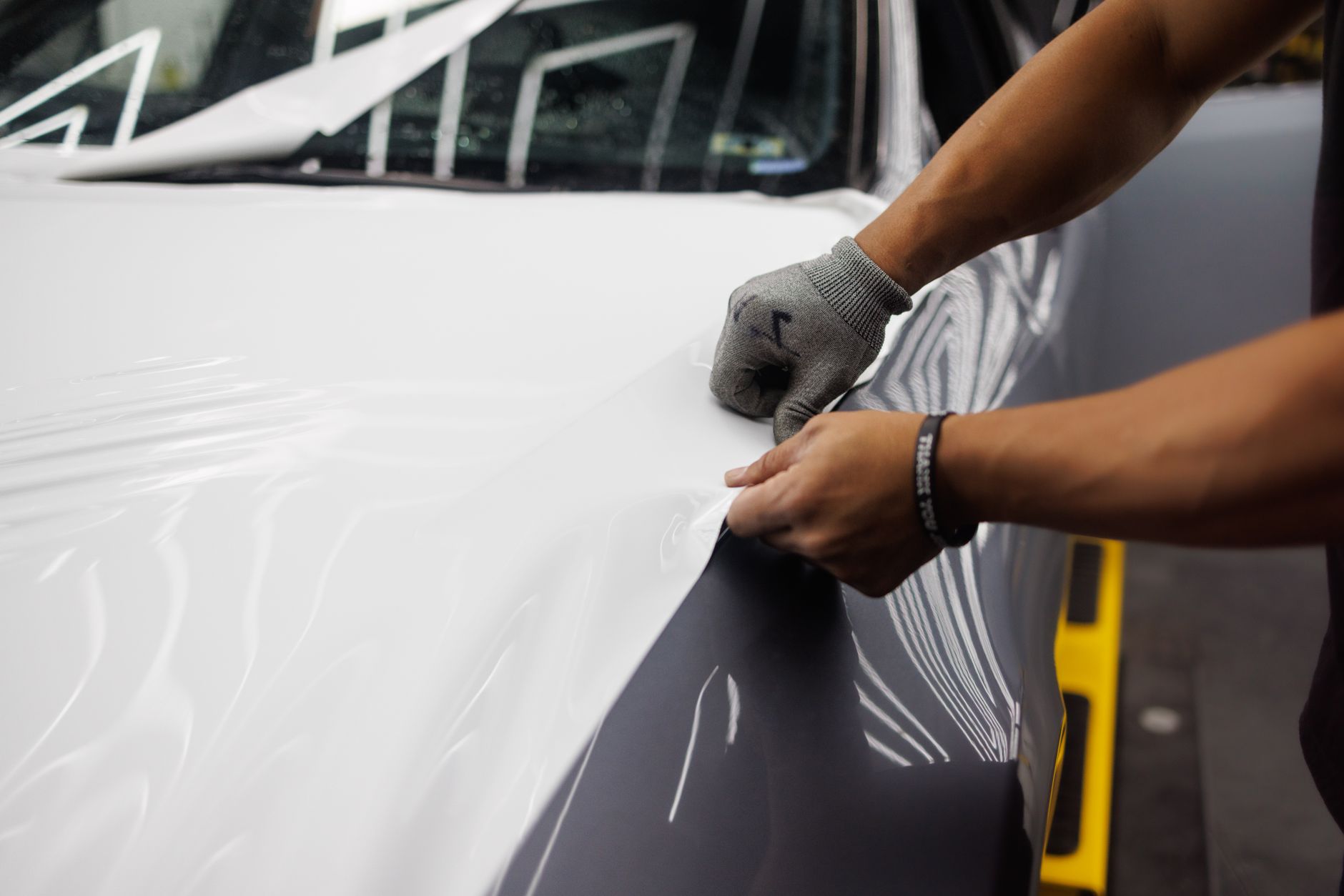
How to Remove a Bumper Sticker Without Damaging Paint
Old stickers, campaign stickers after polling day, or fleet stickers on a vehicle being resold all need clean removal. The right technique avoids lifting paint and leaves no adhesive residue.
Removal steps
- Warm the sticker with a hairdryer on low to medium heat, moving it slowly across the surface. Heat softens the adhesive and makes the vinyl flexible. Hold the dryer 5-10cm from the surface.
- Start at one corner. Peel back slowly at a shallow angle, pulling the vinyl parallel to the panel surface rather than straight outward. A shallow angle reduces the force on the paint.
- If the sticker tears, rewarm the area and try again. Do not force a cold sticker.
- Once the vinyl is off, apply adhesive remover or a small amount of isopropyl alcohol to a clean cloth and rub gently to remove any remaining residue. Automotive-grade adhesive removers (available at hardware stores) are formulated to be paint-safe.
- Do not use metal scrapers, razor blades, or acetone-based solvents on painted panels.
- Wash the area, then apply car wax or a paint sealant to the area where the sticker was.
For more guidance on paint-safe sticker removal, including specific products to avoid, see our guide to car stickers that do not damage paint.
When to Choose Car Magnets Instead
Bumper stickers and car magnets serve different needs. Magnets are the better choice when the vehicle may change regularly, when the branding needs to be switched between vehicles, or when drivers use their personal cars for business and want to remove the branding outside work hours.
Magnets require a metal panel to adhere to (they do not work on fibreglass, most modern bumpers, or rear windscreens). They also need to be removed before an automatic car wash to avoid slipping. For permanent fleet branding where the vehicle stays in service for years, vinyl stickers are more cost-effective and more durable over time.
Artwork Setup for Bumper Sticker Printing
Submitting correct print-ready artwork prevents delays and ensures the finished sticker matches your design.
- Resolution: 300dpi at print size minimum. Scale artwork up from screen at 300dpi, not down from a 72dpi file.
- Colour mode: CMYK, not RGB. Screen colours and print colours are different; converting to CMYK before sending avoids unexpected colour shifts.
- Bleed: add 3mm bleed around the full edge of your design. Bleed prevents white edges on the finished cut.
- Safe zone: keep all text and key design elements at least 3mm inside the trim edge.
- File format: PDF, AI, or high-resolution PNG accepted by most printers. Avoid JPEGs for text-heavy designs as compression artifacts appear on fine type.
How to Order Bumper Stickers in Australia
Bumper stickers at Paperlust Print Shop are printed on automotive-grade vinyl with UV-resistant inks and a protective laminate, in white gloss or clear. The standard size is 200 x 50mm, with any custom dimension available. Upload your artwork, choose your finish, and get a proof before production. See the product page for current pricing and lead times.
For shape-cut designs, die-cut stickers cut to the exact outline of your artwork. For fleet applications where you need a removable option with no adhesive residue, car magnets are printed with the same UV-resistant inks on a flexible magnetic substrate.
For questions about which vinyl grade, lamination option, or adhesive type suits your specific application, contact the Print Shop team before placing your order.
Frequently Asked Questions
How long does a bumper sticker last on a car in Australia?
With a premium outdoor vinyl and gloss lamination, bumper stickers typically last 3-5 years in Australian conditions. Unlaminated outdoor vinyl lasts around 2-3 years before noticeable fading or edge lifting. Harsh sun exposure, frequent high-pressure car washes, and extreme temperature cycling shorten lifespan. For a detailed breakdown of durability by vinyl grade, see the guide on how long vinyl stickers last outdoors.
What is the most common bumper sticker size in Australia?
Paperlust Print Shop’s standard bumper sticker is 200 x 50mm, which fits the rear bumper or tailgate of most passenger vehicles comfortably. Wider formats (300 x 90mm) suit utes, wagons, and vans, and any custom dimension can be printed if your design has specific requirements.
Can I put a bumper sticker on a car without damaging the paint?
Yes, with proper application and removal technique. The vinyl adhesive used on quality bumper stickers is automotive-grade and does not chemically attack paint. Damage occurs when stickers are removed by force without heat, or when a razor blade is used to scrape residue. Follow the heat-and-peel removal method described in this guide and the paint will be undamaged.
What is the difference between a bumper sticker and a car decal?
The terms are often used interchangeably. In print industry usage, a bumper sticker is typically a rectangular vinyl sticker applied to the exterior of a vehicle. A decal can refer to any adhesive graphic applied to a vehicle, including rear window graphics, side panel graphics, and cut-vinyl letterwork. Both use outdoor vinyl; the difference is mainly in shape, placement, and whether the design is printed or cut. A graphic that outgrows the bumper sticker format moves to large format stickers for rear window and side panel work on the same outdoor vinyl.
Can I order bumper stickers in small quantities?
Yes. Minimum order quantities for vinyl stickers vary by printer, but short runs of 25-100 units are widely available in Australia. For campaigns or events where you need a single large batch, volume pricing reduces the per-unit cost significantly. Check the product page for current quantity price breaks.
Are bumper stickers waterproof?
Quality outdoor vinyl bumper stickers are waterproof. The vinyl base is inherently water-resistant, and UV-resistant inks do not water-bleed. Lamination adds an additional moisture barrier that protects the print layer from water ingress at cut edges. The adhesive is also rated for wet conditions, including standard car washes.
Can bumper stickers go on rear windows instead of the bumper?
Yes. Clear vinyl works well on rear windows because it allows the design to appear without an opaque white background. Standard white gloss vinyl can also be applied to rear windows, though it will block the view through the covered area. Position the sticker in the bottom corner of the rear windscreen so it does not obstruct the driver’s rearward vision.
What is the turnaround time for bumper sticker printing in Australia?
Turnaround depends on the print provider and the quantity ordered. Many Australian printers offer production within the same week for standard rectangular vinyl stickers. Check the product page for current lead times, as these vary by order volume and finish type.