If you have ever searched “custom label stickers” and found yourself unsure whether to order labels or stickers, you are not alone. The two products look similar online, are often printed on the same equipment, and can both carry your logo. But they serve genuinely different purposes, and ordering the wrong one will cost you time, money, and possibly a second print run. This guide cuts through the confusion with a clear comparison, a decision table, and practical guidance on which format suits your project.
CHEAT SHEET
- Labels are designed for a specific product or surface and come on rolls or sheets for fast, repeatable application. Stickers are for promotion, gifting, and brand expression, typically distributed or applied by hand.
- Labels use thinner film stock with permanent or removable adhesive. Die-cut stickers use thicker vinyl with a stronger pressure-sensitive bond optimised for longevity.
- For packaging, bottles, jars, and shipping: choose labels. For brand kits, events, merch, and promotional giveaways: choose stickers.
- When in doubt, ask yourself: “Is this going on a specific product I make?” If yes, you want a label. If it is going wherever your customer takes it, you want a sticker.
Labels vs Stickers: Side-by-Side Comparison
The clearest way to understand the two products is to compare them across the dimensions that actually affect your purchase decision.
| Feature | Labels | Stickers |
|---|---|---|
| Typical material | White or clear BOPP (biaxially oriented polypropylene) or synthetic paper | Vinyl (PVC or BOPP vinyl), paper sticker stock |
| Stock weight | Lighter (70-100 micron face stock typical) | Heavier (80-120 micron vinyl face stock typical) |
| Adhesive options | Permanent or removable | Permanent (most); removable available on request |
| Format | Roll or sheet (fast peel and apply) | Individually cut or sticker sheet |
| Shapes | Rectangle, circle, oval, square, rounded corner | Any custom shape (contour cut to artwork outline) |
| Typical quantity | 500+ per run (roll format) | 20-100+ per run |
| Best surface | Glass, plastic, cardboard, metal containers | Smooth flat or slightly curved surfaces, paper, laptop lids, packaging inserts |
| Primary use | Product packaging, bottles, jars, shipping, food labelling | Promotions, events, brand kits, stationery, merchandise |
| Durability | Moderate (laminated options for moisture resistance) | High (vinyl core resists water, UV, abrasion) |
| Finish options | Matte, gloss, laminated | Gloss, matte, clear (no-border), foil |
This table is a starting point. The real decision depends on your specific application, and that is what the sections below work through.
What Makes a Label a Label
A label is a printed piece designed to be applied to a specific, known surface as part of a product or process. The defining characteristics are format and function.
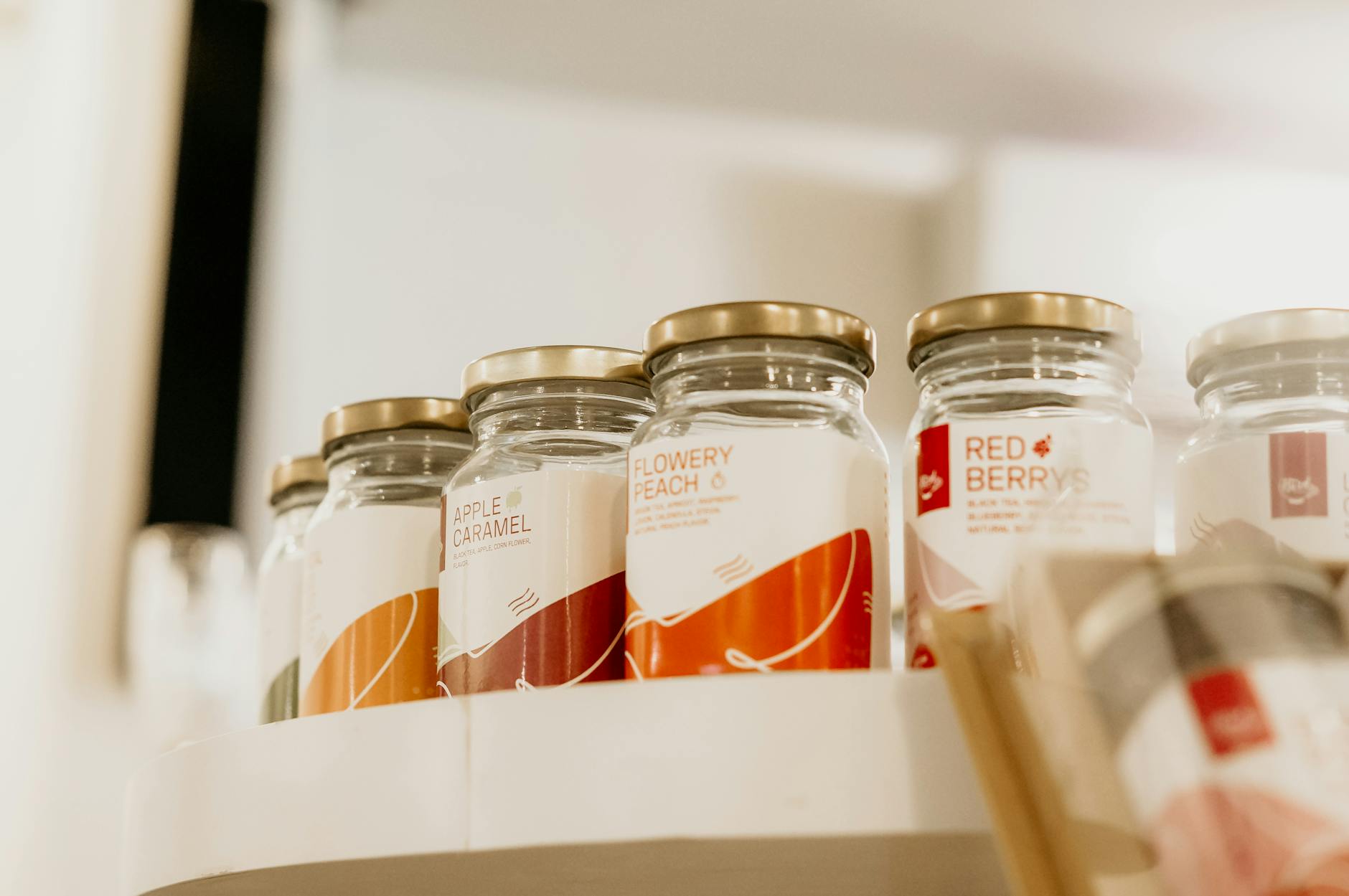
Format: Labels come on rolls or sheets because they are applied at volume, often in sequence. A roll of 500 rectangle labels can be peeled and applied to 500 bottles in a single production run, one after another, in seconds per unit. Sheet labels are positioned for hand-application at moderate volumes.
Function: Labels carry product information. Ingredients, barcodes, expiry dates, net weight, compliance text, batch numbers. This functional content is what makes them a label in the eyes of both the customer and (in some cases) the regulator.
Adhesive: Labels use either permanent adhesive (glass bottles, plastic containers, cardboard boxes where the label should never peel) or removable adhesive (deli containers, jars you want to repurpose, seasonal packaging where you plan to update the label). The adhesive is engineered to perform on a specific substrate.
Material: Most labels use BOPP or synthetic paper face stock. These materials are thinner and lighter than vinyl sticker stock, which keeps unit costs down at the volumes packaging requires. For moisture-heavy environments (cold beverages, refrigerated goods, outdoor shipping), a laminated or vinyl label is the right call. For packaging that must handle condensation, chilled storage or outdoor exposure, waterproof vinyl labels are a suitable option for bottles, jars and cosmetics.
Our rectangle labels are the most versatile starting point: white synthetic paper with your choice of matte or gloss finish, permanent or removable adhesive, supplied on a roll in standard sizes or custom dimensions.
What Makes a Sticker a Sticker
A sticker is a printed piece designed to be distributed, applied by the recipient, and valued for its visual impact and longevity rather than its information content.
Material: Die-cut stickers use a heavier vinyl face stock. This is deliberate. Stickers go on laptops, water bottles, cars, helmets, skateboards, and branded packaging where they need to survive years of handling, moisture, temperature changes, and UV exposure. The thicker vinyl resists cracking, fading, and lifting at edges in ways that a label material would not.
Shape: The defining creative freedom of stickers is the die cut. Contour-cutting technology follows your artwork outline precisely, cutting around the exact shape of your logo, character, or illustration. You are not limited to a rectangle. Labels can be oval, circle, or rounded-corner (all available), but they do not follow an arbitrary artwork outline the way a die-cut sticker does.
Individual application: Stickers are supplied as individual units or on sheets. The application is intentional and personal. Someone peels your sticker and decides to put it somewhere they care about. That is a very different marketing act from a label that gets applied by your packing line.
No information requirement: A sticker does not need to carry compliance text, barcodes, or product specs. It can be pure brand expression, a character design, a QR code, or a thank-you note inside packaging.
Our die-cut stickers are cut to your exact artwork outline on durable vinyl with gloss or matte finish. If you want the see-through effect on glass or clear packaging, clear stickers give an invisible-border result that labels typically do not offer.
The Decision Framework: Which One Do You Need?
Run through these questions in order. The first “yes” answer tells you your product.
Do you need a roll or sheet for fast, sequential application?
Yes, you are making 500+ identical items on a production line or in a packing workflow, go with labels. Roll format is built for this. A roll of labels can be fed through a dispensing gun or tabletop applicator and applied consistently without picking individual stickers from a stack.
Is the content primarily informational?
If your printed piece must carry ingredients, net weight, barcodes, expiry dates, or regulatory compliance text, you want a label. Labels are designed for information density at small sizes. The adhesive and material choices are also calibrated for surfaces like glass and food-grade containers in ways that affect regulatory suitability.
Do you need a custom die-cut shape that follows your artwork outline?
If your logo is not a rectangle, circle, or oval, stickers are your answer. Die-cut stickers contour-cut to any shape. Labels come in fixed geometric formats (rectangle, circle, oval, square, rounded corner).
Will this be used for promotion, gifting, or brand expression?
Stickers. This is the category they were built for. Packing inserts, event handouts, loyalty gifts, merch packs, influencer kits, market stall giveaways. Stickers go with the customer and travel your brand into new spaces.
Do you need serious outdoor or long-term durability?
Stickers win, particularly vinyl stickers. The vinyl substrate handles UV, moisture, abrasion, and temperature in ways that label stock does not. For outdoor signage or vehicles, vinyl stickers or decals are the correct call.
Is your surface clear or transparent and you want a no-border look?
Clear stickers give you an invisible-edge result on glass, bottles, and packaging that creates the impression the design is printed directly onto the surface. Most labels use opaque white face stock (clear labels exist but are thinner and not die-cut to a custom shape). A transparent film option for the same no-label look is available through our clear labels, which work well on bottles and packaging.
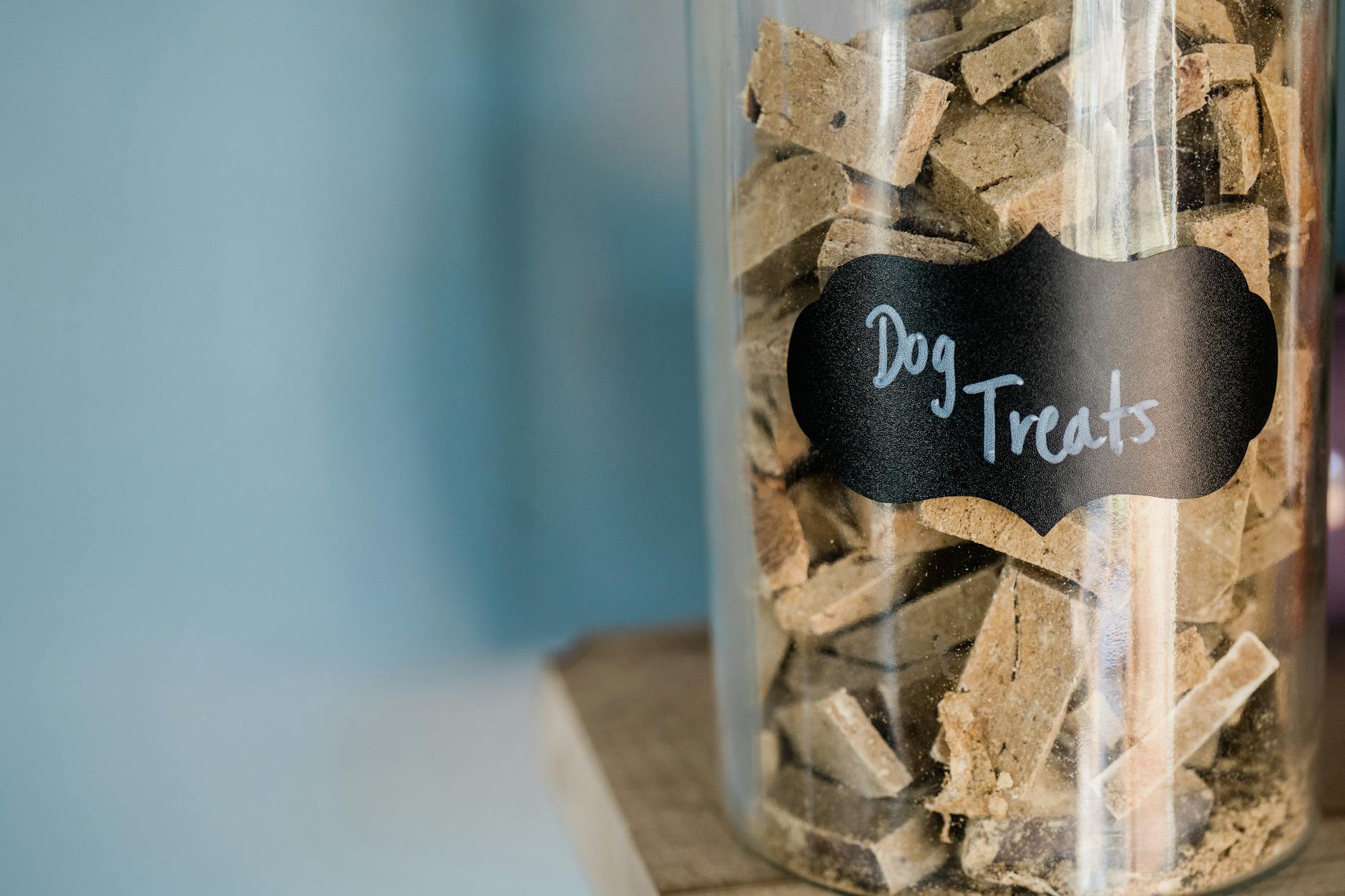
When Labels and Stickers Overlap
There is genuine overlap in the middle ground, and being honest about it is more useful than pretending the categories are always clean.
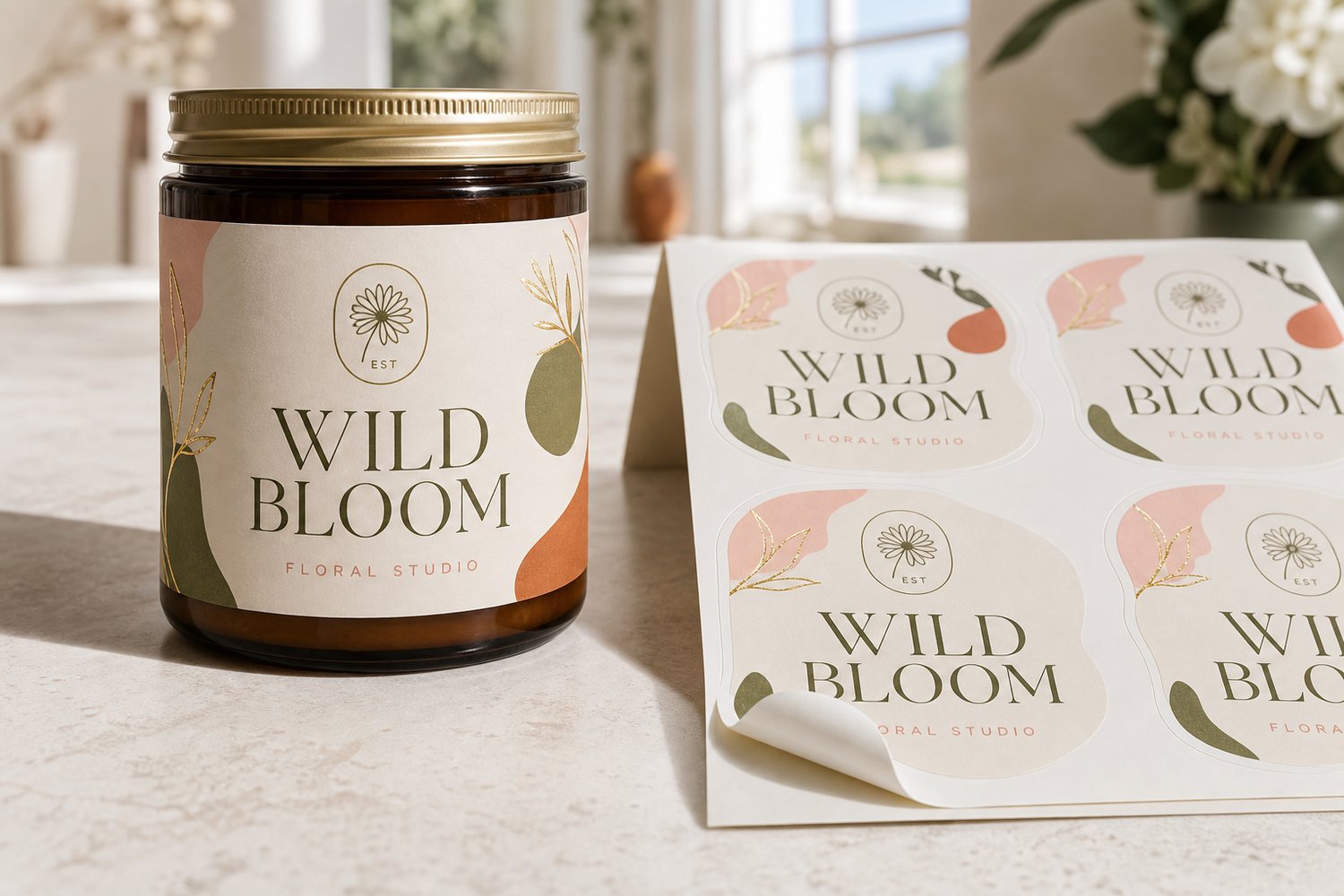
Low-volume product labels: If you are hand-applying labels to 50 jars of jam at a farmers market, the format difference between a roll of labels and a sheet of stickers matters less. A sticker sheet with your design cut to an oval can absolutely serve as a product label at this scale.
Packaging inserts: A sticker inside a mailer box can serve both as a brand moment and a practical label for the product inside. At this intersection, the finish choice (glossy vinyl vs matte label stock) and the shape drive the decision more than the product category does.
Premium unboxing: Some brands deliberately use die-cut stickers as a closure seal on packaging (sealing a box flap or mailer) because the custom shape and premium vinyl finish signal quality in a way a standard label does not.
For the middle ground, talk to us. The right answer depends on your surface, your volume, your budget, and what you want the piece to communicate.
Foil: Available on Stickers, Not Standard Labels
One material difference worth calling out: foil finishes are available on stickers but not on standard labels.
Foil stickers combine real metallic foil (gold, silver, rose gold, copper, holographic) with full-colour print on a vinyl sticker base. The foil is applied hot or cold to specific areas of the design, creating a genuine metallic effect that printed metallic ink cannot replicate.
If your brief is a premium product label for a boutique spirit, candle, or cosmetic, and you want a foil finish, the practical path is often a foil sticker applied as a product label rather than trying to get foil on standard label stock. The vinyl base also adds durability, which is a bonus in damp retail environments.
Standard BOPP labels do not carry foil. If foil is a requirement, that decision point alone pushes you to the sticker range.

Ordering Tips for Both Products
For labels:
- Confirm your adhesive type before ordering. Permanent adhesive on a glass bottle is right. Permanent adhesive on a returnable container is not.
- Measure the surface area you are labelling and match the label size, leaving at least 5mm clearance from edges.
- If your product gets wet or goes in a fridge, specify laminated finish or vinyl material. Unlaminated paper labels will lift and bubble.
- Order a sample run before committing to large quantities. Even a well-designed label can look different on the actual surface.
For stickers:
- Provide your artwork as a vector file (AI, EPS, or high-resolution PDF) with a 3mm bleed. For die-cut shapes, include the cut line as a separate layer in 100% magenta spot colour.
- Fine detail can be cut to approximately 2mm. Finer than that and the cut path may not register accurately.
- For outdoor use, request laminated finish. Unlaminated stickers fade faster under UV and moisture.
- Stickers are priced per unit, so ordering more in a single run brings the unit cost down significantly. If you are unsure of quantity, err on the side of ordering more.
Frequently Asked Questions
Can I use stickers as product labels on food packaging?
You can, at small batch or artisan scale where you are hand-applying individually. Vinyl sticker stock is food-safe for indirect food contact (on the outside of packaging, not in direct contact with food). For commercial scale or products requiring regulatory compliance labelling (ingredients, allergens, net weight, country of origin), purpose-made labels on roll stock with appropriate material certifications are the better choice. Pricing scales with size and quantity, see the product page for a live quote.
What is the minimum order for labels vs stickers?
Labels are sold on rolls with a minimum of one roll (500 labels per roll for standard runs). Die-cut stickers have a minimum of 10 stickers per design, and orders of 10 to 50 are priced the same as 50. Sticker sheets have their own minimum. If you only need a small number of pieces, stickers are the more practical starting point. That roll minimum applies across our custom labels range whatever the shape, and every stock in it carries a permanent adhesive.
Are labels cheaper than stickers?
At volume, yes. Labels on rolls are priced for production quantities. The per-unit cost of a roll label at 500 pieces is lower than the per-unit cost of a die-cut sticker at 50 pieces, both because of the materials (thinner BOPP vs vinyl) and the format (roll vs individual cut). At low quantities (20-50 pieces), sticker and label costs are often similar. Both products start from $0.07 per unit (including GST) at scale.
How long do labels last compared to stickers?
An unlaminated paper label on a dry indoor surface typically lasts 1-2 years before edges begin to lift or the print fades. A laminated label adds several years of durability. A vinyl sticker with a laminate coat is rated for outdoor use and can last 5 or more years depending on UV and moisture exposure. For long-term outdoor or vehicle applications, vinyl stickers are the correct choice.
Can I get a custom shape for labels?
Labels come in fixed geometric formats: rectangle, circle, oval, square, and rounded corner. If you need a shape that follows your artwork outline precisely (a cloud, a shield, an animal silhouette), that is a die-cut sticker, not a label. Labels are cut to a geometric specification; stickers are cut to your design.
Do you need a designer to order? Can I supply my own artwork?
You can supply your own print-ready artwork. For labels, provide your file as a PDF, AI, or EPS at the correct dimensions with 3mm bleed and CMYK colour. For die-cut stickers, include a separate cut line layer in 100% magenta spot colour. If your artwork is not print-ready, the team can review it and advise on any adjustments needed before going to print.