Scene: You order “waterproof” stickers. Stick them on water bottles. Two weeks later, they’re peeling and faded.
Water resistance depends on the whole sticker: the face material, printed surface, adhesive and how it is applied. A waterproof film alone does not guarantee performance through car washes, ocean spray or long sun and rain exposure. Match the product specification and care instructions to the surface and use you have planned.
Here’s how to get stickers that actually last, and how to avoid wasting money on ones that don’t.
Ready to order stickers that survive sun, rain, and daily wear?
Shop custom outdoor stickers →
In the United States, choose vinyl stickers for US delivery from the US shop.
When you need waterproof stickers that will hold up outside, choose vinyl as the substrate, and remember a laminated paper stock is not the same thing.
- Permanent outdoor use: Order Vinyl Stickers on white matte vinyl for equipment, vehicles, bins or signage, choose clear vinyl only on glass or coloured surfaces that should show through, and no laminate is needed.
- Drinkware and bottles: Order Vinyl Stickers on white matte vinyl because the vinyl substrate survives repeated washing and handling when paper stock would break down, and no laminate option applies.
- Packaging or events: Order Die Cut or Kiss Cut Stickers on white gloss or white matte stock and add a matte or gloss laminate for short outdoor life and cut to shape options.
The sections below explain why the substrate matters more than the laminate outdoors, when clear vinyl earns its place, and what a matte or gloss laminate actually protects on a paper sticker.
Print stickers built to survive water
You get a waterproof vinyl face printed with UV-cured ink, with no laminate to add. Built for rain and sun, not for the dishwasher.
At a Glance
“Water-resistant” and “true waterproof” are two completely different specs.
Waterproof depends on the face material: vinyl does not absorb water, so a vinyl sticker is waterproof whether or not a laminate is added. Sun survival depends on the ink. Paper absorbs water at the cut edge, so laminated paper stays water-resistant at best. Vinyl Stickers last 3 to 5 years outdoors with proper application.
- “Water-resistant” means the face can handle splashes and light rain. “True waterproof” means the face never absorbs water, so it keeps its form through repeated wetting.
- Polypropylene (PP) is a waterproof plastic film used for product labels and fridge and freezer packaging.
- Our Vinyl Stickers use a waterproof vinyl face and UV-cured ink, with no laminate needed. They are guaranteed outdoors for one year and last 3 to 5 years with proper application, and are not for the dishwasher.
- Skip paper for anything that stays wet. Paper takes on water at the cut edge even when laminated, so it remains water-resistant at best.
- Rule of thumb: if it sees water more than once a week, choose a vinyl face.
What “Waterproof” Actually Means (Spoiler: Most Aren’t)
Water-Resistant (Not Good Enough)
What it means: Can handle light moisture for short periods.
Materials:
- Paper with gloss laminate
Survives: Light rain, condensation
Doesn’t survive: Submersion, dishwashers, prolonged outdoor exposure
The truth: This is what most cheap “waterproof” stickers actually are.
Waterproof (What You Actually Want)
What it means: Fully sealed, won’t absorb water, ink won’t run, adhesive stays stuck.
Materials:
- Vinyl (PVC)
- Plastic films such as polyester and polypropylene
Survives: Rain, splashes, humidity and repeated wetting of the face
How to identify: Read the material line for vinyl or a plastic film. A laminate on paper does not make it waterproof, so be sceptical of any listing that says “waterproof paper.”
Weatherproof, Wash Proof and All Weather (Marketing Terms)
Weatherproof, wash proof and all weather are labels, not material grades. Read the face material, ink specification, adhesive and care instructions before you trust any rating. Paper edges can still absorb moisture even under a laminate, so a laminated paper sticker is not automatically waterproof. A waterproof face film also depends on the print, adhesive and application to hold up in wet conditions.
UV curing alone does not prove fade life, and waterproofing is separate from UV resistance. Ask for the stated outdoor guarantee and expected life rather than guessing years or weeks from the stock type. Do not treat a plastic film as proof it will handle every exposure; match the complete specification to the intended surface and environment.
For larger graphics, check the large format stickers range and its own material, adhesive and finishing options.
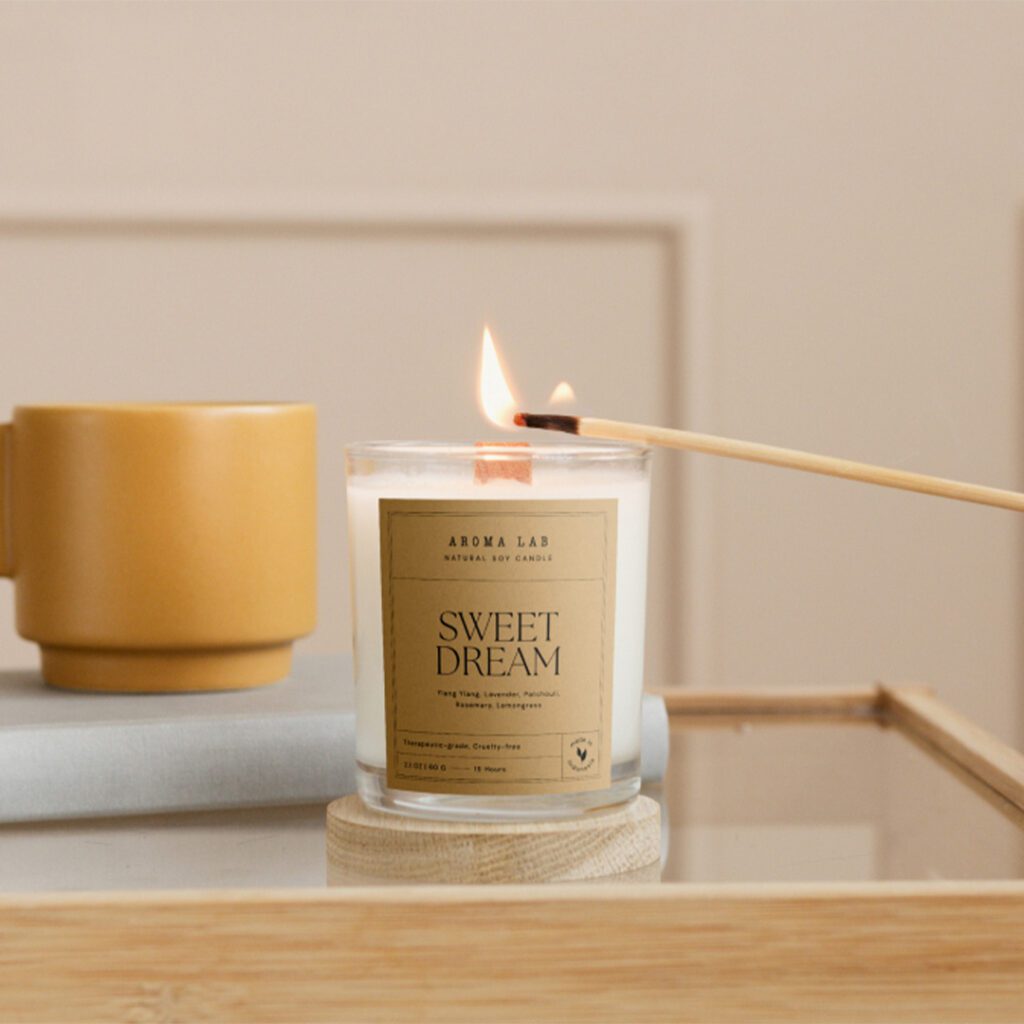
Waterproof, water-resistant and dishwasher-safe are three different promises
Waterproof is about water on the face of the material. A dishwasher adds heat, detergent and pressure, which is a different ask. This table compares laminated paper sticker stock with Vinyl Stickers across those exposures. Laminated paper stock is water-resistant, not waterproof, because water gets in at the cut edge. On Vinyl Stickers, the vinyl face itself is the waterproofing.
| Exposure | Laminated paper sticker stock | Vinyl Stickers |
|---|---|---|
| Splashes and rain | Handles splashes only | Waterproof vinyl face |
| Staying wet or soaking | Water gets in at the cut edge | The face does not absorb water, but do not leave it soaking |
| Rubbing and scuffs | Laminate adds scratch protection | Rubbing and scuffs shorten how long the print keeps its look |
| Detergent and a dishwasher | Not made for detergent or a dishwasher | Not for the dishwasher |
| Heat | Not made for heat | Heat can lift the adhesive |
This table reads from the product specifications and the stated one-year outdoor guarantee, not from published test results. The washing question has its own article, which asks whether vinyl stickers are dishwasher safe.
The Materials That Actually Survive Water
1. Vinyl (PVC), The Gold Standard
Why it works: Vinyl is plastic. Water can’t penetrate it.
Printing: UV-cured ink on a Canon Colorado press. No laminate is needed because the vinyl face is the waterproofing.
Lifespan:
- Outdoor + wet conditions: 3-5 years
Best for:
- Water bottles (daily washing)
- Car bumpers (bumper stickers)
- Outdoor signage
2. Synthetic Films and How to Check Specifications
Synthetic film is a category, not one identical material. When you compare options, ask which film is used, how the ink and adhesive are specified and what application ratings apply. Do not assume a laminate is required or that adding one is enough on its own. Check the complete construction against the surface and exposure you have planned.
3. Clear Vinyl, For See-Through Applications
What it is: Transparent vinyl film. Only the printed design is visible.
Why it works: Same waterproof properties as standard vinyl, but disappears against the surface.
Best for:
- Window decals (clear stickers)
- Glass bottles/jars
- Windshields
Lifespan: 3-5 years outdoors
Design tip: Works best with bold colors and thick lines (fine details can be hard to see on clear).
4. What DOESN’T Work (Even If They Say “Waterproof”)
❌ Standard paper + laminate: The paper absorbs water through the edges.
Ink life varies with the ink system. For outdoor exposure, choose stock and ink rated for the sun it will face. UV-cured and suitable eco-solvent inks can both work outdoors, so do not treat every non-UV ink as unsuitable.
Inkjet is a printing method, not a single ink type. Water performance depends on the ink and the stock. Some dye inks in home printers can run on wet paper, but suitable UVgel and eco-solvent inkjet systems can print outdoor vinyl, so desktop dye behaviour does not define every inkjet result.
Rule: If it’s not explicitly vinyl or synthetic, assume it’s not truly waterproof.
Waterproof stickers and labels →
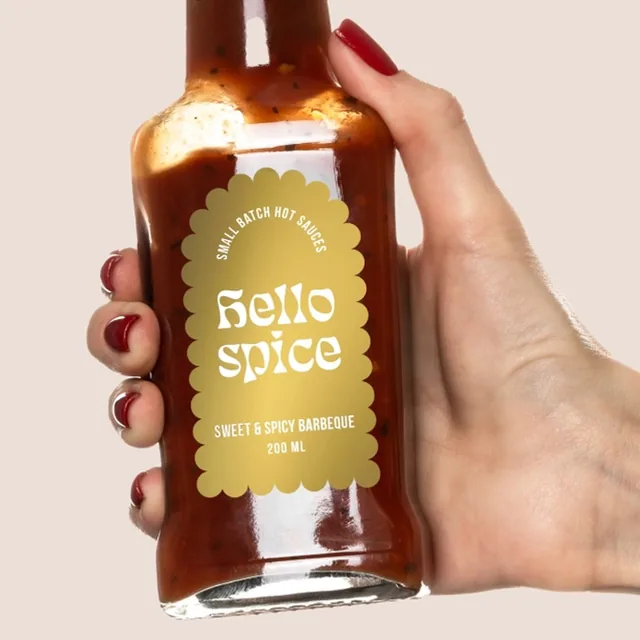
Vinyl StickersCustom Stickers
Clear StickersCustom Stickers
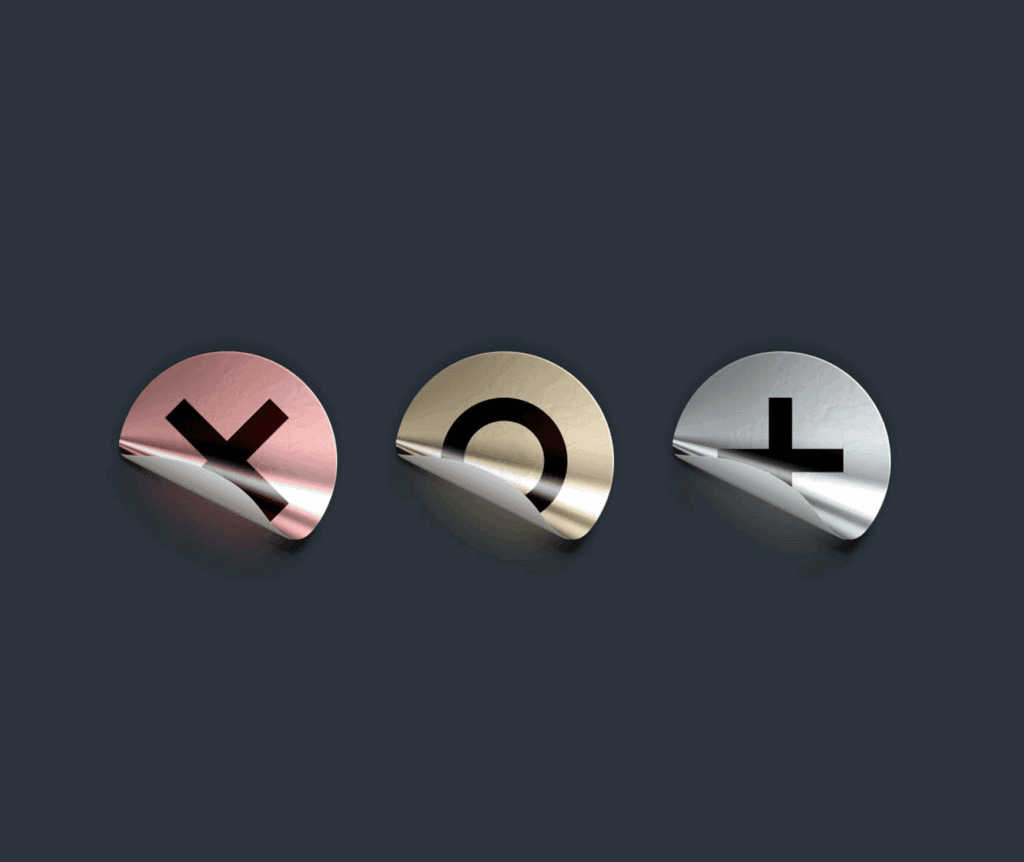
Foil Vinyl StickersCustom Stickers
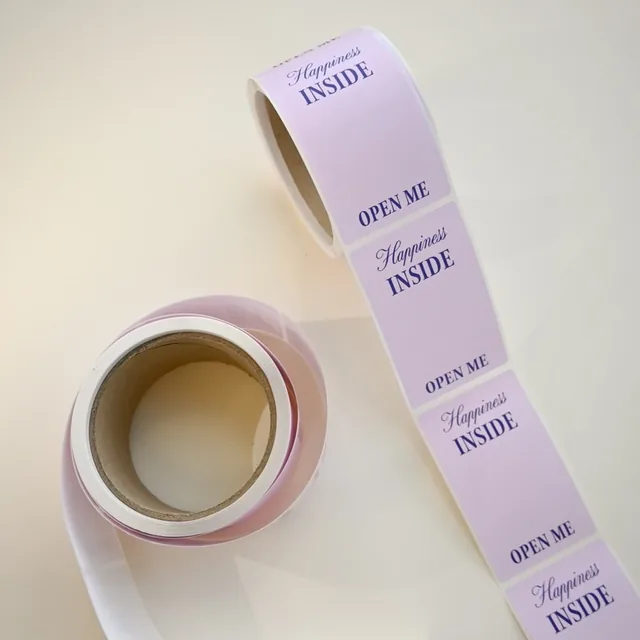
Waterproof Vinyl LabelsCustom Labels
How to Choose by Application: Recommendations for Each Use Case
Water Bottles & Drink Containers
Material: Vinyl (our Vinyl Stickers in white matte or clear), no laminate.
Why: Daily washing demands maximum durability
Adhesive: Choose an adhesive rated for the surface and exposure the sticker will face. A permanent adhesive label alone does not prove water resistance.
Care: Vinyl stickers are waterproof but not dishwasher safe, so hand wash. With proper application they last 3 to 5 years outdoors.
Pro tip: Die-cut stickers look cleaner than square stickers on curved bottles.
Outdoor Signage (Corflute, Metal, Wood)
Material: Vinyl printed with UV-cured ink, no UV laminate.
Why: Australian sun is brutal. UV-cured ink resists fading.
Size: Larger format (100mm+)
Lifespan: 3-5 years outdoors
Note: For permanent outdoor signs, consider direct printing on corflute instead of stickers. See our corflute sign printing options.
Car Bumpers & Windows
Material: Vinyl, no laminate.
Why: Car washes, rain, highway speeds = harsh conditions
Legal note: Check local regulations for window sticker placement (visibility laws vary by state).
Glass & Transparent Surfaces
Material: Clear film, or clear vinyl for outdoor glass.
Why: Where you want the print on the surface but the surface to read as glass
Recommendation: For shopfront windows, vehicle glass and bottle or jar labels where the background is part of the design, transparent waterproof stickers are the right call. For bottles and jars in production quantities, custom label printing runs clear film on rolls of 500 rather than as individual cut pieces. If the label does not need to be see-through, vinyl labels print on white synthetic film with a matte or gloss laminate and come on 76mm rolls of 500 for machine or hand application.
Bathroom Mirrors & Wet Surfaces
Material: Clear vinyl
Why: Transparent background = sticker “disappears” against mirror
Use case: Gyms, cafés, retail bathrooms (promotional stickers, branding, cheeky messages).
Product Packaging (Gets Wet During Shipping)
Material: Vinyl, or a polypropylene film label.
Why: Survives rain, humidity, cold storage condensation
Adhesive: Permanent
Example: Food jars, cosmetic bottles, beverage packaging.
Metal and Plastic Equipment (Tools, Machinery, Drinkware)
Material: Vinyl, no laminate.
Why: Adhesion on metal and plastic depends on surface texture, contamination, the adhesive chosen and the exposure involved. A waterproof film is only part of the system; it does not by itself ensure the sticker stays in place on low absorbency surfaces.
Adhesive: Permanent
Lifespan: 3-5 years outdoors
Example: Asset tags on machinery and toolboxes, safety and compliance labels on trailers and site equipment, branded drink bottles and tumblers, plastic equipment housings, and outdoor wall stickers on colorbond or rendered surfaces.
Watch out for: powder-coated, galvanised or oily metal, and any textured plastic. Clean and degrease first, and give the adhesive 24 to 48 hours to cure before the surface gets wet.
The vinyl itself is the waterproofing
Our vinyl stickers are printed on white matte or clear vinyl with UV-cured ink. The vinyl face does the waterproofing, so no laminate is needed.
Bumper, floor and high tack stickers →
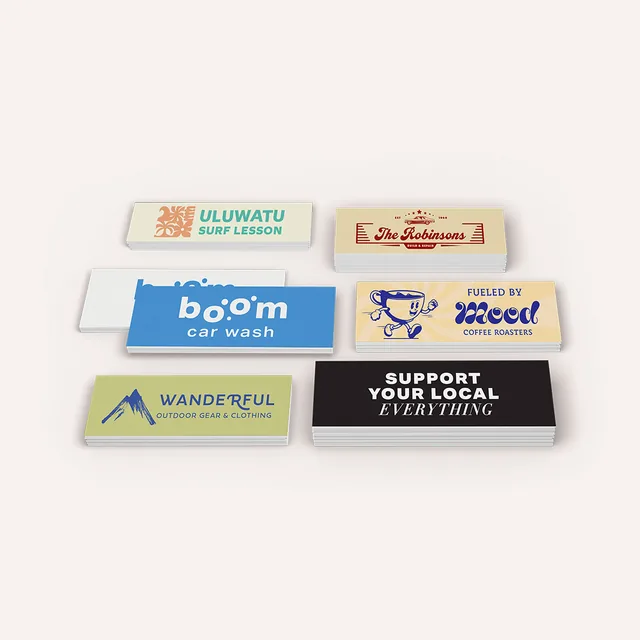
Bumper StickersCustom Stickers

Floor StickersWindow & Floor Graphics

Large Format StickersMagnets & Large Stickers
High Tack StickersCustom Stickers
What a laminate does and when it helps
A laminate is a clear protective film over a printed paper sticker. It guards the face but does not make paper waterproof, and vinyl does not need one. On paper stock it does three jobs:
What Lamination Does:
- Protects the face, guards the printed surface from scuffs and handling
- Resists surface moisture, deflects splashes and condensation, but the cut edge still takes on water
- Changes the finish, gloss reads brighter and shows fingerprints, matte cuts glare
Lamination Types:
Gloss laminate:
- Shiny, vibrant colors
- Shows fingerprints/scratches more easily
- Best for: Eye-catching designs, retail products
Matte laminate:
- Non-reflective, sophisticated look
- Hides fingerprints and minor scratches
- Best for: Premium brands, text-heavy stickers
Our recommendation: Match the laminate decision to the stock. Vinyl stickers need no laminate, because the vinyl substrate is the waterproofing. On paper stock cut stickers, laminate is a real cost worth paying for abrasion and handling: at 75 x 75mm white gloss, 100 stickers move from $110 without laminate to $139 with, and 1000 stickers move from $494 to $631. It is not a substitute for vinyl outdoors or under washing.
Design Tips for Waterproof Stickers
✅ Do This:
1. High-contrast colors
Waterproof stickers often go on colored surfaces (cars, bottles). High contrast = visibility.
2. Bleed your design
3mm bleed ensures no white edges if the cut is slightly off.
3. Vector files when possible
Scalable graphics look crisp at any size. Raster images can pixelate.
4. Test on the actual surface
Get a sample and stick it on the real bottle/car/surfboard. See how it looks before ordering 5,000.
❌ Don’t Do This:
1. Fine details on clear stickers
Thin lines (< 1mm) disappear against some backgrounds.
2. Light colors on light surfaces
Pale yellow on a white bottle = invisible.
3. Ignore the curve
Bottles and curved surfaces need die-cut shapes to avoid edge peeling.
4. Skip the proof
Always approve a digital proof before printing. Waterproof stickers can’t be easily replaced if you catch an error after ordering.
Common Mistakes (And How to Avoid Them)
❌ Mistake 1: Assuming a laminate makes paper waterproof
A matte or gloss laminate adds splash protection, but water still enters the cut edge and soaks the paper core.
Fix: Choose vinyl for anything that gets wet regularly. A laminate on paper helps with scuffs and splashes only.
❌ Mistake 2: Using Paper “Because It’s Cheaper”
Paper + laminate might survive light moisture, but it’s not truly waterproof.
Fix: If it will get wet regularly, use vinyl. Reprinting peeled or soggy paper stickers will cost more than choosing vinyl first.
❌ Mistake 3: Applying to Wet or Dirty Surfaces
Even waterproof stickers won’t stick to wet/oily/dusty surfaces.
Fix:
- Clean surface with isopropyl alcohol
- Dry completely
- Apply sticker
- Wait 24-48 hours before exposing to water (adhesive needs time to cure)
❌ Mistake 4: Expecting Waterproof = Indestructible
Waterproof stickers are durable, not immortal. Sharp edges, abrasion, and extreme temps can still damage them.
Fix: Set realistic expectations. 3-5 years outdoors is excellent. If a client wants longer, suggest direct printing on permanent substrates (metal signs, etched glass, etc.).
Need maximum durability? Try foil-vinyl
Foil-vinyl stickers add a metallic sheen with the same outdoor-grade vinyl base, ideal for premium product seals and waterproof packaging.
Pricing: What Waterproof Stickers Cost
The prices below are for Vinyl Stickers, quoted on white matte vinyl and clear vinyl, and they move with size and quantity.
| Size | 50 | 100 | 500 | 1000 | 5000 |
|---|---|---|---|---|---|
| 30 x 30mm | $38 ($0.76 ea) | $58 ($0.58 ea) | $108 ($0.22 ea) | $158 ($0.16 ea) | $454 ($0.09 ea) |
| 60 x 60mm | $78 ($1.56 ea) | $98 ($0.98 ea) | $258 ($0.52 ea) | $448 ($0.45 ea) | $1,286 ($0.26 ea) |
| 75 x 75mm | $83 ($1.66 ea) | $122 ($1.22 ea) | $401 ($0.80 ea) | $566 ($0.57 ea) | $1,703 ($0.34 ea) |
| 120 x 120mm | $142 ($2.84 ea) | $230 ($2.30 ea) | $702 ($1.40 ea) | $1,200 ($1.20 ea) | $4,203 ($0.84 ea) |
| 200 x 200mm | $302 ($6.04 ea) | $430 ($4.30 ea) | $1,532 ($3.06 ea) | $2,533 ($2.53 ea) | $12,533 ($2.51 ea) |
Vinyl Stickers, order total and per sticker, Australian dollars. Read from the product page on 1 September 2026.
When you change size or quantity, the price per sticker shifts. The finish does not: clear vinyl and white matte vinyl cost the same at every size and quantity, so the choice is about the look, not the budget. There is no laminate option on the vinyl product, because the vinyl substrate is already the waterproofing. That keeps the range simpler and means you are not paying for a protective layer the material does not need.
Budget tip: Vinyl is dearer than bare paper stock. Across the sizes and quantities in the price table, vinyl now costs about 8 to 25 per cent more than unlaminated paper stock. At 75 x 75mm and 1000 stickers, that is $566 for vinyl against $494 for paper. The comparison flips when you add laminate to the paper. At the same size, laminated paper stock is $433 at 500 and $631 at 1000, against $401 and $566 for vinyl. That is about 7 per cent cheaper for vinyl at 500 and about 10 per cent cheaper at 1000.
If you choose paper stock, do not treat laminate as a small add-on. On 75 x 75mm white gloss stickers, it lifts the price from $110 to $139 at 100, from $329 to $433 at 500, and from $494 to $631 at 1000. The laminate premium is about 26 per cent at 100 and about 28 per cent at 1000. Matte and gloss laminate cost the same.
The minimum order is 50 stickers, and the price per sticker drops sharply as you move through the quantity rungs.
Get a quote for waterproof stickers
Checking Environmental Claims on Waterproof Stickers
Order only the quantity you need and match the material and adhesive durability to the intended use and removal needs. If a supplier claims a stock is recyclable or compostable, ask for material specific evidence for that film and check the disposal requirements for the complete construction, including the adhesive and liner.
Treat environmental claims the same way you treat waterproof claims: confirm the material, the printed surface and the adhesive before you rely on them.
What to Do Next
Step 1: Identify Your Waterproofing Needs
Will your stickers:
- Gets wet daily? → Vinyl
- Lives outdoors in Australian sun? → Vinyl with UV-cured ink
- Goes on a boat, surfboard or kayak? → Vinyl, applied to a clean dry surface and left to cure before it gets wet
- Stays indoors? → Paper stock, with a laminate if handled
Step 2: Choose the Right Material
- Standard waterproof: Vinyl
- Outdoor or sun: Vinyl with UV-cured ink
- Indoor or handled: Paper stock with an optional matte or gloss laminate
- See-through: Clear vinyl
Step 3: Design for Durability
- High-contrast colors
- 3mm bleed
- Bold graphics (avoid fine details on clear vinyl)
Step 4: Test Before Committing
Order a small batch (500) or sample pack first. Stick them on the actual surface (water bottle, car, surfboard). Make sure they look and stick as expected. Use the actual surface, keep a simple log of adhesion, damp and cold checks, and follow the guide to testing sticker samples before a bulk order.
Step 5: Order Waterproof Stickers
Browse outdoor sticker printing options
Order sample pack to compare materials
Related reading:
Choose a custom sticker product that matches the surface and exposure it will face. Outdoor items need a stock, ink and adhesive rated for that use. Compare the options in the range before you order through Paperlust sticker printing.
Final Thoughts: Waterproof Is Worth It
Choose the material, print and adhesive for the conditions the sticker will actually meet. Laminated paper can work for dry use or the odd splash, while an appropriately specified vinyl suits longer outdoor exposure. Check the product care notes and compare like for like specifications before you order.
Related Articles:
- Vinyl Stickers vs Paper Stickers: Which for Your Brand?
- Custom Sticker Printing: Complete Guide for Businesses
- Die-Cut Stickers: Custom Shapes Without Extra Cost
- Bumper Stickers That Don’t Damage Paint (Safe Materials)
Ready to print waterproof stickers?
Frequently Asked Questions
Are vinyl stickers waterproof?
Yes. A vinyl sticker is fully waterproof, not just water-resistant, because the PVC face does not absorb moisture. Our Vinyl Stickers are printed with UV-cured ink and need no laminate. The vinyl itself is the waterproofing. With proper application they last 3 to 5 years outdoors. They are not dishwasher safe. For anything that gets wet or lives outside, choose vinyl stickers over paper stock.
What makes a sticker waterproof?
Performance depends on the film face, the ink system, the adhesive and the surface application together. A vinyl face resists water, and a laminate can protect the printed layer, but it does not waterproof paper edges. Choose a stock, ink and adhesive rated for the intended exposure, and never apply a sticker to a damp or submerged surface. See our range of waterproof stickers for outdoor use.
What is the best material for outdoor stickers?
White or clear cast vinyl is the standard for outdoor stickers. Cast vinyl conforms to curved surfaces, resists shrinkage over time, and maintains adhesion through heat and sun. Clear vinyl works well when you want a no-background window or surface-applied look. As a custom-printed option, our vinyl stickers are printed with UV-cured ink and need no laminate. With proper application they last 3 to 5 years outdoors.
How long do waterproof stickers last outdoors?
Our Vinyl Stickers are guaranteed outdoors for one year, and with proper application their expected life is 3 to 5 years. Strong direct sun, heat and abrasion shorten that, and they are not dishwasher safe. Die-cut stickers are paper stock. With a laminate they are water-resistant, so they suit packaging and short outdoor use, not years outside.
What is the difference between outdoor and indoor stickers?
Indoor stickers suit controlled environments and packaging paper, while specified outdoor materials are rated for sun and rain. Outdoor suitability is not set by thickness, UV curing or high tack alone. It depends on the stock, ink, adhesive, surface and exposure. For weather-facing use, check the intended sun and rain exposure and confirm the stock, ink and adhesive are rated for it.
Do waterproof stickers resist UV fading?
Water resistance does not mean fade resistance. Fade resistance depends on the ink system and the sun exposure. UV curing is a production process, not an outdoor guarantee by itself. Paperlust Vinyl Stickers are printed with UV-cured ink and have no laminate. They carry a one-year outdoor guarantee and an expected life of 3 to 5 years with proper application.
Are laminated stickers waterproof?
No. A laminate does not make a sticker waterproof. On paper stock, water gets in at the cut edge, which is why laminated paper stickers lift outdoors. The laminate protects the printed face from scuffs and splashes, so laminated paper is water-resistant, not waterproof. Vinyl is waterproof because of the film itself, and our Vinyl Stickers need no laminate.
What kind of stickers are waterproof?
Stickers with a vinyl or plastic film face are waterproof. Our white matte and clear Vinyl Stickers are examples and last 3 to 5 years outdoors with proper application. Clear vinyl is as waterproof as white vinyl. Paper stock is water-resistant at best, laminated or not. Waterproof is not dishwasher safe. For bottles and tumblers, hand wash.
Are PVC stickers waterproof?
Yes. PVC is the plastic that standard vinyl sticker film is made from, so a PVC sticker and a vinyl sticker are the same thing. Water cannot penetrate the film because there is nothing in it to absorb. What decides how long the print looks good outside is the ink, and our vinyl stickers use UV-cured ink.
Are all vinyl stickers waterproof?
A vinyl film resists water, but the complete sticker depends on the ink, adhesive, surface and exposure. A matte or clear finish is an appearance choice, not a durability certificate. Paperlust Vinyl Stickers are not dishwasher safe, and the ink system still needs to be rated for the sun and weather it will meet.
Ready to print waterproof stickers?
Upload your artwork, pick a size, and we print on waterproof vinyl with UV-cured ink. Nothing to laminate.