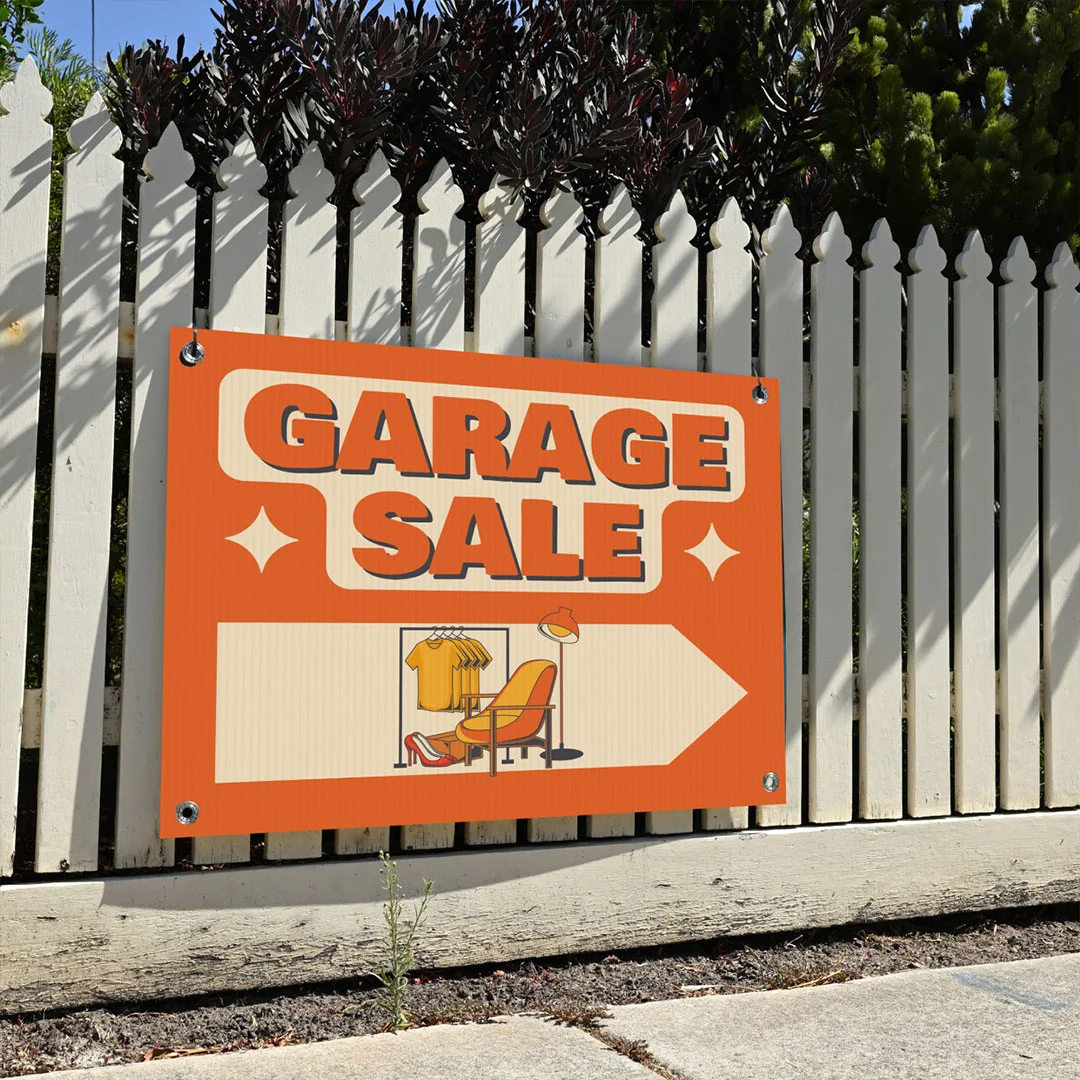
In typical Australian outdoor conditions, corflute signs will give you 3-6 months of good quality before colour and surface integrity start to degrade. In sheltered or mild conditions, such as a shaded fence line or a cool coastal climate, that can extend to 12 months. Push them beyond that and you’ll start to see fading, warping, and surface chalking that makes a once-sharp sign look tired.
This is the honest answer most sign suppliers don’t lead with. Corflute is an excellent material for temporary and campaign-based signage. It’s not a permanent solution, and understanding its actual lifespan helps you plan and budget correctly rather than discovering it mid-campaign.
At a Glance
Corflute signs last 3–6 months in typical Australian outdoor conditions; up to 12 months in sheltered or mild settings.
UV exposure is the main killer, not rain. Lifespan can be doubled with a UV laminate, careful site placement, and end-of-life rotation. Corflute is built for temporary and campaign use, not permanent signage.
- Typical outdoor lifespan: 3–6 months in full sun (QLD/WA), 6–12 months in mild or shaded conditions
- Indoor lifespan: 5+ years (no UV degradation)
- Lifespan extension: UV laminate adds 2–4× outdoor durability
- First failure point: ink colour fading, especially reds and lighter tones
What Affects How Long a Corflute Sign Lasts
Several factors combine to determine actual lifespan in any given installation. Australian conditions are harder on outdoor signage than many people realise.
UV Exposure
This is the main killer of corflute signs in Australia. The Australian sun is intense, and UV radiation degrades polypropylene plastic over time. Even UV-stabilised corflute, which is fluted polypropylene, will eventually show colour fading and surface brittleness with sustained direct sun exposure.
Signs facing north or west, in full sun for most of the day, will degrade faster than signs in partial shade or facing south. In Queensland and Western Australia especially, UV degradation happens faster than in temperate southern states like Victoria and Tasmania.
The printed ink layer is usually the first to show UV degradation: colours fade, particularly lighter tones and reds, and the surface starts to look chalky or washed out.
Rain and Moisture
Corflute handles rain well. Because it’s fluted polypropylene plastic rather than cardboard or paper, moisture doesn’t cause it to swell, warp, or fall apart. The structure is inherently water-resistant.
The fluted channels can collect water if the sign is installed horizontally or at an angle that traps moisture, but in standard vertical installation this is rarely a problem. Signs that get wet will dry without damage.
One caution: if a sign is ground-staked, moisture can wick up the stake channels into the fluting of the sheet over time. Keeping the sign elevated slightly and removing it from stakes when not in active use extends life.
Wind
Wind doesn’t degrade corflute directly, but it creates mechanical stress. Large signs in exposed locations, particularly 600×900mm and 900×1200mm formats, act as sails. In sustained wind, unsecured signs can flex repeatedly, which fatigues the material and causes micro-cracking along the flute lines over time.
Poor installation is the biggest risk factor here. A sign properly secured to a rigid A-frame, tight fence ties, or stable stakes will handle wind far better than one loosely attached or installed in soft ground.
Heat
Extreme heat can cause 3mm corflute to warp, particularly when laid flat in direct sun. In Western Australia, South Australia, and Northern Territory during summer, this is a real consideration. A sheet left flat in a ute tray or on a concrete surface in 45-degree heat can develop a permanent bow.
During storage and transport, keep corflute flat and out of direct sun where possible. In installations, vertical mounting allows air circulation and prevents heat build-up.
5mm corflute is significantly more resistant to heat warping than 3mm, because the thicker core provides structural resistance to thermal deformation.
Thickness: 3mm vs 5mm
Thickness directly affects outdoor durability. A 3mm corflute sign is the right choice for most short-term applications, but its thinner profile means it’s more susceptible to all of the factors above: UV degradation happens faster, wind causes more flex, and heat warping is more likely.
5mm corflute provides a meaningfully longer outdoor lifespan. If you’re planning a campaign that needs signs to look good for 3 months or more, or you’re in a high-UV state, the upgrade to 5mm is worth it.
Need corflute signs for a short-term campaign?
Standard sizes are 600 x 450mm, 600 x 900mm and 900 x 1200mm, in 3mm or 5mm corflute (fluted polypropylene), single or double-sided printing. Need an A-size? A1 buyers should choose 600 x 900mm, and A2 buyers should choose 600 x 450mm. A3 is 297 x 420mm and is ordered as a custom size on the page, typed in millimetres and priced there. UV-resistant inks, fast Australia-wide turnaround.
Signs Your Corflute Sign Needs Replacing
You’ll know a corflute sign has reached the end of its useful life when you see:
- Colour fading: The printed surface looks washed out, particularly in lighter colours and reds. Text that was once sharp is now hard to read at distance.
- Surface chalking: The polypropylene surface develops a dull, chalky texture instead of the original slight sheen.
- Warping or bowing: The sign no longer sits flat. In a frame or on a stake, it bows noticeably, which makes it look unprofessional and reduces readability.
- Physical damage: Cracks along flute lines, torn edges, or damage from impacts. Once the structure is compromised, the sign loses rigidity.
- Print delamination: In severe cases, the ink layer can start to separate from the polypropylene surface. When you see this, the sign is finished.
A faded, warped, or damaged sign can actually work against you by making your brand or campaign look neglected. Replacing signs at the right time is part of running a professional outdoor campaign.
How to Choose Between Corflute, ACM, and Vinyl Banners for Outdoor Signage
Choosing the right outdoor sign material depends on planned lifespan, budget, and how the sign will be installed.
Choose corflute if you need lightweight, low-cost signage for campaigns under 6 months — election posters, real estate, event wayfinding, construction site notices. It is the cheapest rigid option and works fine for temporary installs. Our corflute election signs are made for polling places and roadside display, so they suit the same temporary installs.
Choose aluminium composite (ACM/Dibond) if the sign needs to last 5+ years outdoors — permanent shopfront signage, building wayfinding, business identification. ACM costs 4 to 8× more than corflute but lasts 10× longer in outdoor conditions.
Choose vinyl banners if you need a flexible, foldable sign for event use or temporary attachment to fences and hoardings. Lifespan is similar to corflute but the format is fabric-flexible rather than rigid.
For most short-term campaigns and real estate use, corflute remains the right call. Add a UV laminate if the sign will face north or west in QLD/WA sun for more than 3 months.
How to Extend the Life of Your Corflute Signs
A few practical habits significantly extend how long your signs perform:
Store flat, off the ground: When signs aren’t deployed, store them flat on a rack or shelf, not leaning against a wall (which causes long-term bowing) and not on bare concrete (which can cause moisture uptake and heat transfer).
Avoid direct ground contact on stakes: The bottom edge of a staked sign is in contact with soil, which introduces moisture. Pulling signs off stakes between uses, rather than leaving them staked for weeks, extends the sheet life.
Choose 5mm for campaigns over 3 months: The extra thickness directly translates to better durability across all the factors above. If your campaign runs from January through April in a sunny location, 5mm is the right call.
Ask about laminate options: A UV-protective laminate applied over the printed surface adds a meaningful barrier against UV degradation. Ask about laminate options when placing your order if maximum outdoor durability is a priority.
Position away from full-day direct sun where possible: A north-facing wall in Sydney or Melbourne gets significantly more direct UV than a south-facing one. Where you have a choice, favour positions that get some shade during the hottest part of the day.
| Material | Outdoor lifespan | Cost (relative) | Best for |
|---|---|---|---|
| Corflute (3mm, no laminate) | 3–6 months | $ (baseline) | Real estate, election, campaign signage |
| Corflute (3mm, UV laminate) | 9–18 months | $$ (+25–40%) | Extended campaigns, construction site signage |
| Vinyl banner | 6–12 months | $$ (similar) | Hoardings, event backdrops, fence attachment |
| Aluminium composite (3mm ACM) | 5–10 years | $$$$ (4–8× corflute) | Permanent shopfront, building signage |
| Acrylic / perspex | 10+ years | $$$$$ (10× corflute) | High-end retail, indoor permanent signage |
When to Move Beyond Corflute
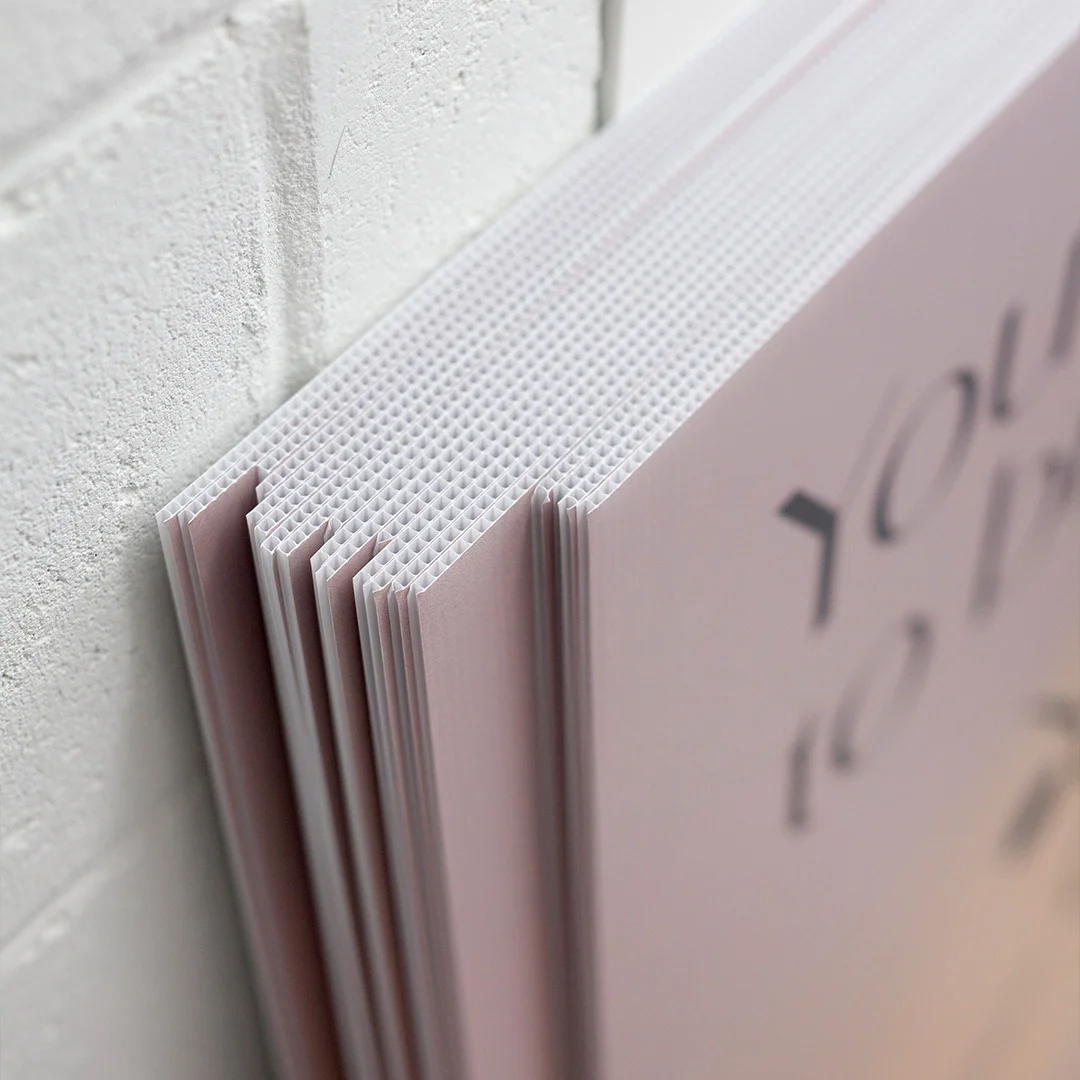
Corflute is the right tool for campaigns with a defined end date: real estate listings, event runs, election campaigns, seasonal retail promotions. It’s not the right tool for permanent signage. A build program has the same shape, which is why construction site signs are printed on 3mm and 5mm corflute rather than a permanent panel: the board only needs to outlast the job.
If you need outdoor signage that will still look sharp in two or three years, corflute is not the answer. Permanent external signage should use aluminium composite panel (ACP), dibond, or rigid PVC on a proper mounting structure. These materials are designed for long-term outdoor exposure and will hold their finish and structure far longer than any fluted plastic.
The rule is simple: corflute for campaigns, permanent materials for fixtures.
Recyclability
When a corflute sign reaches the end of its life, it can be recycled. Corflute is made from polypropylene (PP), which is marked with the recycling symbol 5. Many Australian councils and commercial recycling services accept PP plastic. Check with your local facility for their specific requirements.
Corflute is already a relatively low-waste option compared to single-use vinyl or foam board alternatives. Recycling your old signs at end of life takes that a step further.
Common Questions Answered
Can corflute signs be left out year-round?
Technically yes, but quality will degrade, particularly in high-UV states. For year-round outdoor use, the practical answer is to replace them every 6-12 months depending on conditions. Plan replacement into your budget if the signage is ongoing.
Will corflute signs survive a Melbourne winter?
Yes. Corflute handles rain, cold, and wind well. The risk in Melbourne is less about winter damage and more about summer UV if signs are left out through the warmer months.
Do corflute signs fade faster in Queensland than Victoria?
Yes, noticeably. Higher UV index, more intense sun, and higher temperatures all accelerate degradation. Signs that would last 9-12 months in Melbourne might show fading in 4-6 months in Brisbane or Cairns.
Is 5mm corflute worth the extra cost for a 3-month campaign?
For a 3-month outdoor campaign in a sunny location, yes. The improved rigidity and slower degradation rate means signs still look sharp at month three rather than starting to look tired at month two.
What happens if a corflute sign gets hit by a car or heavy impact?
Polypropylene is relatively tough and will absorb minor impacts without shattering. A heavy impact can crack or crease the material, but it typically doesn’t shatter into sharp pieces the way rigid plastic or glass would.
Related reading:
Ready to Order?
Corflute signs start from $30.00 AUD inc GST for a single one-sided 600 x 450mm 3mm sign, with production from 24 hours, and delivery from $15 for 1 to 3 signs, and free on 4 or more signs.
Order corflute signs from Paperlust Printshop and get your campaign started.
Need replacements? Corflute signs from $30.00 AUD inc GST for a single one-sided 600 x 450mm 3mm sign at Paperlust Print Shop. For longer-lasting alternatives, see PVC signs and screenboard signs.
Need signs for permanent outdoor use?
For installations that need to last years rather than months, ACM composite signage is the more cost-effective long-term choice. Talk to us about your project.
Frequently Asked Questions
How long do corflute signs last when used indoors?
Indoors, corflute signs can last 3 to 5 years or longer when kept away from direct sunlight and stored flat or in low-humidity conditions. The polypropylene material does not absorb moisture and does not warp like cardboard or MDF, which means it holds its shape well in stable indoor environments. Print quality on corflute signs used indoors typically stays vibrant for the duration of use because UV degradation – the main cause of color fading – is not a significant factor in sheltered environments. Handling and abrasion are more likely to affect appearance over time than the material itself degrading.
How long do corflute signs last outdoors?
Outdoor corflute signs typically last 6 to 18 months in Australian conditions, with the wide range reflecting the significant variation in UV intensity, temperature, and rainfall across different regions. In far north Queensland or Western Australia, intense UV can cause noticeable fading within 6 to 9 months. In southern states or shaded positions, the same sign may remain presentable for 18 months or more. Corflute signs used for short-term outdoor purposes – real estate listings, event wayfinding, seasonal promotions – are well within the material’s practical lifespan for those applications.
What factors most affect how long a corflute sign lasts?
UV exposure is the single biggest factor. Prolonged direct sunlight breaks down both the polypropylene substrate and the printed inks, causing brittleness and color fading. After UV, wind stress is significant – signs mounted in exposed positions flex repeatedly, which can cause cracking along the flute lines over time. Moisture alone does not damage corflute, but standing water trapped in the flutes in freezing conditions can crack the board. Physical handling – being knocked over, stored improperly, or leaned against rough surfaces – also shortens lifespan faster than environmental factors for signs that are moved frequently.
Does UV laminate or coating extend the life of corflute signs?
Yes, a UV-resistant laminate applied over the printed face significantly extends the visual lifespan of a corflute sign outdoors. The laminate acts as a barrier that reduces direct UV contact with the ink layer, slowing color fading and protecting against moisture and surface abrasion. A gloss laminate also makes the sign easier to clean – dust and light grime wipe off without affecting the print. For any corflute sign intended for outdoor use beyond 6 months, requesting a laminated finish at the time of ordering is worthwhile and adds relatively little to the unit cost.
Can corflute signs be stored and reused?
Yes, corflute signs store and reuse well if handled properly. Store them flat or standing upright on their long edge – do not lean stacks at an angle, which can cause permanent bowing. Keep them in a dry, shaded location away from direct sunlight and extreme heat, which can warp the board or cause colors to shift. Avoid folding or scoring the material during transport. Signs that have been used outdoors may show some surface oxidation or light marking that can be wiped down with a damp cloth before reuse. With careful storage, a well-made corflute sign can be reused across multiple seasons or events.