
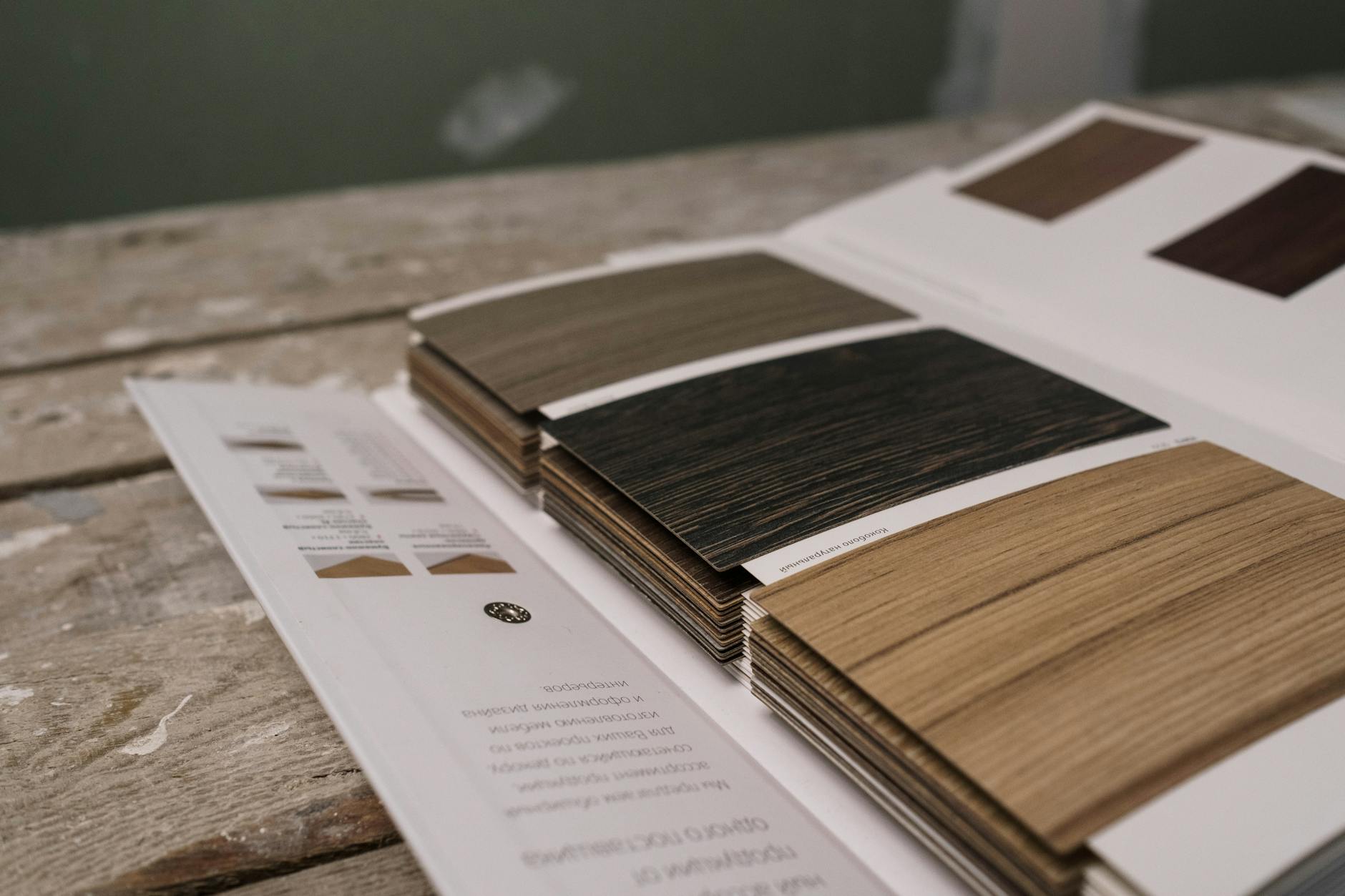
Picking the wrong sign substrate is one of the most common and expensive print mistakes Australian businesses make. A corflute sign mounted permanently outdoors will fade and crack within 18 months. An acrylic panel used at a dusty outdoor market will look scratched and cheap by the end of the day. And paying for ACM when you only need signage for a weekend event is simply wasting money.
This guide cuts through the confusion. Below you will find a plain-language breakdown of every major rigid sign material used in Australia, a comparison table covering the specs that actually matter, and a decision framework to help you choose the right substrate the first time.
At a glance
- Best for short-term outdoor use (events, real estate, construction): Corflute (3mm or 5mm polypropylene)
- Best for permanent outdoor signage: ACM (aluminium composite, 3mm) – note: Print Shop does not currently offer ACM; see below
- Best for premium indoor reception and office branding: Acrylic (3mm cast acrylic)
- Best for indoor displays and retail fit-outs: PVC/Foam-PVC (3-10mm foamed PVC)
- Best for short-term indoor presentations: Foamboard (5mm polystyrene core)
- Print Shop prints: Corflute and Acrylic reception panels – for other substrates, this guide helps you understand where each fits
The Master Comparison Table
This table covers the five materials side by side across the specs that matter most to Australian sign buyers.
| Material | Typical thickness | Indoor/outdoor | Durability/lifespan | Weight (per m2) | Relative cost | Best use |
|---|---|---|---|---|---|---|
| Corflute | 3mm or 5mm | Outdoor (short-term) | 3-18 months | ~800g | $ Budget | Real estate boards, election signs, event signage, construction site signs |
| ACM (Aluminium Composite) | 3mm or 4mm | Outdoor (permanent) | 7-10+ years | ~5kg | $$$ Premium | Shopfront fascia, building ID signs, permanent directional signage |
| Acrylic | 3mm (standard) | Indoor / sheltered outdoor | 5-10+ years (indoors) | ~3.6kg | $$ Mid-high | Reception panels, office branding, retail displays, premium event signage |
| Foam-PVC (Foamed PVC / Forex) | 3-10mm | Indoor / light outdoor | 2-5 years | ~1.4kg | $$ Mid | Retail point-of-sale, exhibition displays, office signage, menu boards |
| Foamboard | 5mm or 10mm | Indoor only | 1-6 months | ~300g | $ Budget | Presentations, pop-up displays, short-term indoor signage |
Header style: dark background with white text. Rows alternate between light grey and white.
Corflute: The Go-To for Short-Term Outdoor Use
Corflute (also written as corflute or corrugated polypropylene) is the workhorse of Australian temporary signage. The hollow fluted core makes it extremely light, and the polypropylene surface handles rain, humidity, and moderate UV exposure well for short campaigns.
What it is: Corrugated plastic sheet with a hollow fluted core running through the centre. Available in 3mm (lighter, more affordable) and 5mm (thicker and more rigid for windier locations).
Where it excels:
- Real estate for-sale boards and open-home directional signs
- Election and campaign signage
- Construction site safety and project identification signs
- Event wayfinding at markets, race days, and community fairs
- Any campaign where signs will be changed frequently
Its limits: Corflute is not a long-term material. In harsh Australian conditions, particularly the UV intensity of Queensland, Western Australia, and northern Victoria, the polypropylene can become brittle and the print surface can begin to fade after 12-18 months. The fluted edge is also visible on close inspection, which makes it look less refined in premium indoor or retail environments.
Print Shop offers: 3mm and 5mm TEKflute corflute in sizes from A3 through to 900x1200mm. See corflute plastic signs for live pricing and available sizes.
For a detailed comparison of corflute against its closest competitor, see Corflute vs PVC Signs.
ACM (Aluminium Composite Material): Built for Permanent Outdoor Use
ACM is the industry standard for permanent outdoor signage in Australia. The panel is constructed from a polyethylene core sandwiched between two thin sheets of aluminium, which is what gives it its flat, rigid, rust-proof properties.
What it is: A sandwich panel with an aluminium skin on each face and a polyethylene or fire-resistant mineral core. Most commonly 3mm or 4mm total thickness.
Where it excels:
- Permanent shopfront fascia and building identification signs
- Freeway and highway directional signage
- Real estate office branding and building pylons
- Any application requiring 5+ years of outdoor durability
Its limits: ACM is more expensive than corflute and heavier than most plastics. It also typically needs professional fabrication and installation, particularly for larger formats. It is overkill for short-term or seasonal campaigns.
Claims note: Print Shop does not currently print ACM signs. This material is included here for comparison because it comes up frequently when buyers research permanent outdoor signage options. If you need permanent outdoor signage with a long lifespan, speak with a specialist signage fabricator. For temporary outdoor use, corflute is the practical choice for most Australian small businesses.
Acrylic: Premium Indoor and Reception Signage
Acrylic (also known by trade names Perspex and Plexiglas) is a solid, clear or opaque plastic prized for its glass-like clarity and premium finish. It is the standard substrate for corporate reception panels, office branding, and high-impact interior displays across Australia.
What it is: Cast acrylic sheet in a range of thicknesses (typically 3mm for flat printed panels). Available in clear, frosted, white, black, mirror, and matte finishes.
Where it excels:
- Reception area name panels and logo signs
- Office wall branding and directional signage
- Retail product displays and shelving
- Hospitality and venue interior signage
- Any application demanding a polished, professional, long-lasting interior finish
Its limits: Acrylic scratches more easily than metal substrates and is not suited to abrasive outdoor environments. Outdoor-facing acrylic can yellow over time with prolonged UV exposure unless UV-stabilised. It is also heavier and more fragile during transport than foam-PVC.
Print Shop offers: 3mm cast acrylic reception panels in A1 (594x841mm) and A2 (420x594mm) sizes, in clear, black, white, matte, mirror, and frosted finishes. Standoff fixings are available separately. View acrylic reception panel signs for full specs and pricing.
Foam-PVC (Foamed PVC / PVC Board): The Indoor All-Rounder
Foam-PVC, also called foamed PVC, Forex, or PVC board, sits in the middle of the market. It is denser and smoother-surfaced than corflute, which means print quality is noticeably better up close, but it is significantly lighter than acrylic or ACM. This makes it a versatile choice for retail fit-outs, exhibition displays, and office signage that needs to look good but does not need the premium finish of acrylic.
What it is: A rigid, closed-cell foamed PVC sheet. Typically available in 3mm, 5mm, 6mm, and 10mm thicknesses. Heavier gauges are used for structural and dimensional lettering applications.
For flat indoor panels and retail fit-out signage in this material, see our pvc board printing options.
Where it excels:
- Retail point-of-sale displays and menu boards
- Exhibition stands and trade show panels
- Office and reception signage where budget is a consideration
- Indoor wayfinding and directional signs
- Light outdoor use in sheltered or covered locations (1-2 years maximum)
Its limits: Foam-PVC is not recommended for direct, permanent outdoor exposure. Prolonged UV and moisture will eventually cause the surface to yellow and the print to degrade. It also has a softer surface than acrylic, so it is prone to dents and surface damage in high-traffic locations.
Claims note: Print Shop does not currently list foam-PVC as a standalone print product. If your project calls for this substrate, compare it against the corflute range (for temporary outdoor use) and the acrylic reception panel range (for premium indoor use), both available directly from Print Shop.
Foamboard: Short-Term Indoor Presentations Only
Foamboard (sometimes called foam core or foamcore) is a lightweight panel with a polystyrene foam core faced on both sides with a thin paper or plastic film. It is cheap, easy to cut and mount, and produces good print quality for close-inspection indoor use. It is not a durable outdoor material.
What it is: A 5mm or 10mm polystyrene foam core with paper or film facing. Sometimes printed directly with UV-flatbed printing, though it is more often used as a mounting board for printed graphics.
Where it excels:
- Conference and exhibition presentations
- Short-term retail promotional displays (less than 3 months)
- Indoor event signage
- School and community project boards
Its limits: Foamboard is fragile. It dents and creases easily, is damaged by moisture, and has no UV resistance whatsoever. It is strictly an indoor, short-term material. The paper facing can delaminate in humid conditions. Do not use it outdoors.
Claims note: Print Shop does not currently list foamboard as a print product. For indoor short-term signage needs, consider whether corflute (with its smooth-faced printing option) or foam-PVC would serve better.
How to Choose Your Sign Material: A Decision Framework
Work through these four questions to land on the right substrate for your project.
1. Is the sign going outdoors or staying indoors?
Outdoors: Corflute (short-term, up to 18 months) or ACM (permanent, 7-10+ years). Skip acrylic, foam-PVC, and foamboard for any permanent outdoor use.
Indoors or sheltered: Acrylic (premium finish, long lifespan), foam-PVC (cost-effective, versatile), or foamboard (budget short-term only).
2. How long does the sign need to last?
| Lifespan needed | Best material |
|---|---|
| Weekend to 3 months | Foamboard (indoor) or Corflute (outdoor) |
| 3-18 months | Corflute (outdoor) or Foam-PVC (indoor) |
| 2-5 years | Foam-PVC (indoor) or Corflute 5mm (sheltered outdoor) |
| 5+ years (indoor) | Acrylic |
| 5+ years (outdoor) | ACM |
3. What finish does your brand require?
For a premium, polished, corporate finish, only acrylic and ACM deliver the flat, rigid, high-gloss surface that looks genuinely professional at close range. Foam-PVC is a solid mid-tier option for retail and office environments. Corflute and foamboard both show their limitations when viewed up close.
4. What is your budget?
| Budget level | Recommended material |
|---|---|
| $ (lowest cost, replace regularly) | Corflute or Foamboard |
| $$ (mid-tier, good value long-term) | Foam-PVC or Acrylic |
| $$$ (premium, once-and-done) | ACM or Acrylic with standoffs |
The most common mistake: Choosing the cheapest material for a permanent location, then replacing it twice. A corflute sign placed on a shopfront fascia will need replacing within 18 months. The initial saving is often lost within the first replacement cycle.
What Print Shop Offers
Of the five materials in this guide, Print Shop currently prints two:
- Corflute signs (3mm and 5mm TEKflute polypropylene) in sizes from A3 to 900x1200mm. The right choice for real estate, events, construction sites, elections, and any short-to-medium-term outdoor application, including bollard signs that wrap the same corflute around car-park and event posts. View corflute signs.
- Acrylic reception panels (3mm cast acrylic) in A1 and A2, with a choice of clear, black, white, matte, mirror, or frosted acrylic. The right choice for corporate reception areas, office walls, retail branding, and any interior application where a premium finish matters. View acrylic reception panel signs.
For ACM, foam-PVC, and foamboard requirements, we recommend engaging a specialist signage fabricator. Use this guide to brief them accurately on the material you need.
For help choosing the right size for your corflute signs, see Corflute Sign Sizes: Complete Size Guide for Australia.
Frequently Asked Questions
What is the most durable sign material for outdoor use in Australia?
For permanent outdoor use, ACM (aluminium composite material) is the most durable option, with a realistic lifespan of 7-10+ years even in harsh Australian UV conditions. For short-to-medium-term outdoor use (up to 18 months), 5mm corflute with UV-resistant inks is the most practical and cost-effective choice.
Can corflute signs be used permanently outdoors?
Corflute is designed for short-term outdoor use. In Australia’s UV intensity, especially in Queensland, Western Australia, and northern regions, corflute can become brittle and the print surface can fade within 12-18 months. For any signage expected to last more than two years outdoors, ACM is the appropriate substrate.
Is acrylic suitable for outdoor signage?
Standard acrylic performs well indoors for 5-10+ years, but is generally not recommended for direct permanent outdoor exposure. Prolonged UV and weather can cause standard acrylic to yellow and surface coatings to degrade. For outdoor applications, ACM or UV-stabilised polycarbonate are better choices.
What is the difference between corflute and PVC board (foam-PVC)?
Corflute has a hollow fluted core and is primarily designed for outdoor temporary use. Foam-PVC (PVC board or Forex) is a solid, dense closed-cell plastic with a smoother surface that produces better print quality up close. Foam-PVC is better suited to indoor and retail applications where appearance matters, while corflute is the practical choice for outdoor campaigns.
How heavy are sign materials? Does it affect installation?
Weight varies significantly. Corflute (3mm) weighs roughly 800g per square metre, making it easy to handle and install with standard fixings or wire stakes. Foam-PVC weighs around 1.4kg per m2, and acrylic around 3.6kg per m2. ACM panels can weigh 5kg or more per m2, which typically requires professional installation and appropriate wall anchoring.
What does Print Shop actually print on?
Paperlust Print Shop currently offers corflute plastic signs (3mm and 5mm TEKflute polypropylene) and acrylic reception panel signs (3mm cast acrylic). For other substrates such as ACM, foam-PVC, or foamboard, we recommend consulting a specialist signage fabricator.
Is foamboard suitable for outdoor signage?
No. Foamboard is strictly an indoor, short-term material. Moisture will cause the paper facing to delaminate, and UV exposure will degrade the surface quickly. Any outdoor application should use corflute at a minimum.
What is the cheapest sign material in Australia?
Corflute is consistently the most affordable rigid sign substrate, followed by foamboard for indoor-only use. The cost advantage of corflute makes it the default choice for high-volume, frequently-replaced outdoor campaigns such as real estate and election signage.
Ready to Order?
For short-term outdoor signage, corflute plastic signs from Print Shop are printed on 3mm or 5mm TEKflute polypropylene, available in five standard sizes, with fast turnaround and Australia-wide delivery.
For premium indoor and reception signage, acrylic reception panel signs are printed on 3mm cast acrylic with standoff fixings available, in A1 or A2 format.
Not sure which option fits your project? Browse both product pages for live pricing, or contact the Print Shop team for a recommendation. The full business sign board range lists every substrate Print Shop currently prints, with live pricing on each.