Business cards remain one of the most powerful networking tools at your disposal. Whether you’re a seasoned business owner, an ambitious sales professional, or an entrepreneur building your brand from the ground up, business cards are far more than just pieces of paper with contact information. They’re tangible representations of your professional brand that create memorable first impressions and drive business growth.
With so many card types, finishes, and materials available today, choosing the right option takes more thought than it used to. This guide walks through every major business card type, what each one signals about your brand, and how to pick the right one for your industry and budget.
At a Glance
The right business card matches the room you’re handing it out in.
Standard, foil, embossed, soft-touch, plastic, square — six core formats cover most professional contexts. Pick by audience touchpoint, not by feature checklist. Foil reads premium in a corporate room and gimmicky at a tech meetup.
- Default for most professions: Standard 350gsm matte — reliable, readable, not loud
- Premium / luxury / wedding industry: Foil or embossed — tactile signal of price tier
- Tech / creative / agency: Soft-touch or unusual format — signals design literacy
- Hospitality / repeat-use: Plastic / waterproof — survives the wallet
- Quantity to start: 250–500 — lets you iterate before bulk-ordering
What Are Business Cards and Why You Need Them
A business card is a small card that displays your name, job title, company, contact information, and branding elements. A business card can sit on someone’s desk, in their wallet, or on their refrigerator, serving as a constant reminder of your services. For businesses establishing themselves locally and globally, business cards are essential tools for building lasting professional relationships.
Unlike digital contacts that get buried in a phone, a physical card is a deliberate handoff. It says you came prepared. Research consistently shows that people are more likely to follow up with someone who handed them a card than someone who simply sent a connection request. The card becomes a physical anchor for the memory of meeting you.
Types of Business Cards
The business card market has evolved dramatically. Today, there’s a wide array of custom business cards designed to help your brand stand out. Here’s a breakdown of every major type and what makes each one the right choice in specific situations.
Print business cards from 50 units
Standard, foil, embossed, soft-touch, plastic. Free file check on every order. Australian print, 24h dispatch on express.
Standard and Colored Paper Business Cards
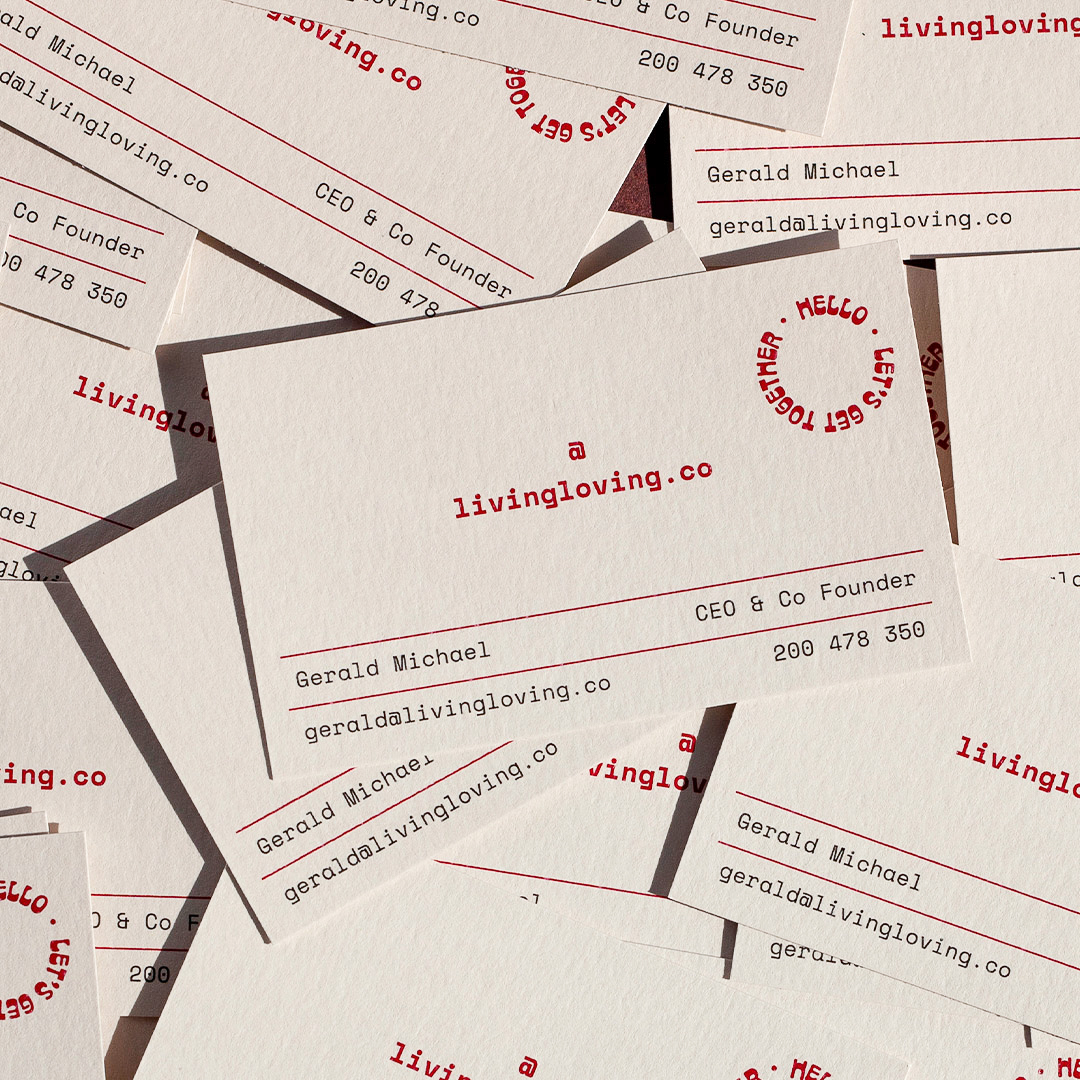
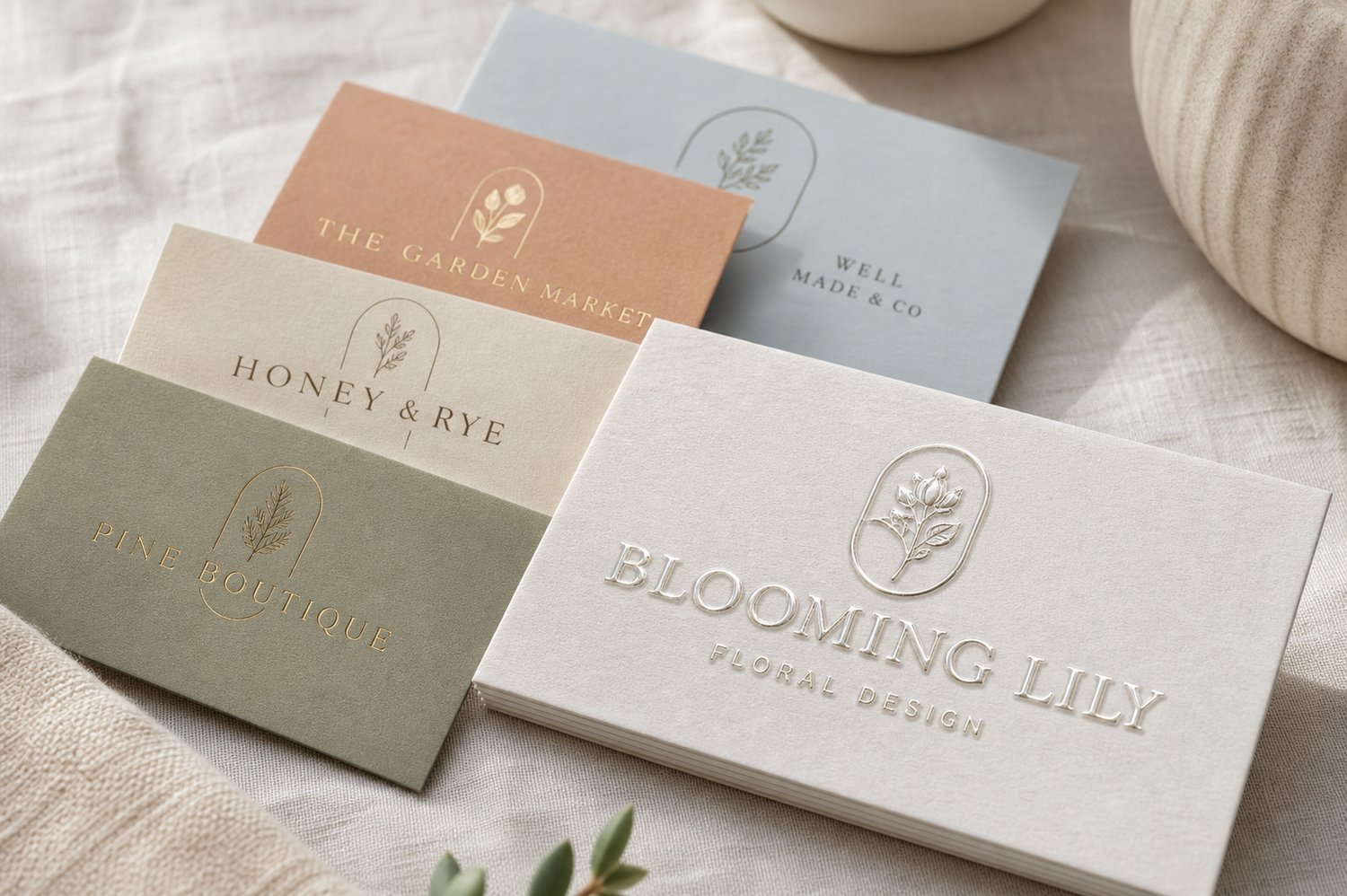
Standard business cards are printed on premium cardstock and remain the most popular choice across all industries. They’re cost-effective, professional, and versatile for any business type. Colored paper business cards take this foundation further by using colored cardstock as the base. Rather than printing backgrounds, the paper itself becomes part of your branding. This approach is instantly distinguishable, shows creativity, and works particularly well for designers, marketing professionals, and creative entrepreneurs who want personality without sacrificing professionalism.
Who Should Use Standard Cards
Standard cards suit most professional contexts – accountants, lawyers, consultants, and tradespeople who need a professional card they can hand out in volume without spending a premium per unit. A well-designed standard card on 400gsm stock with a matte laminate finish looks polished and holds up in a wallet without folding or fraying.
Magnetic Business Cards
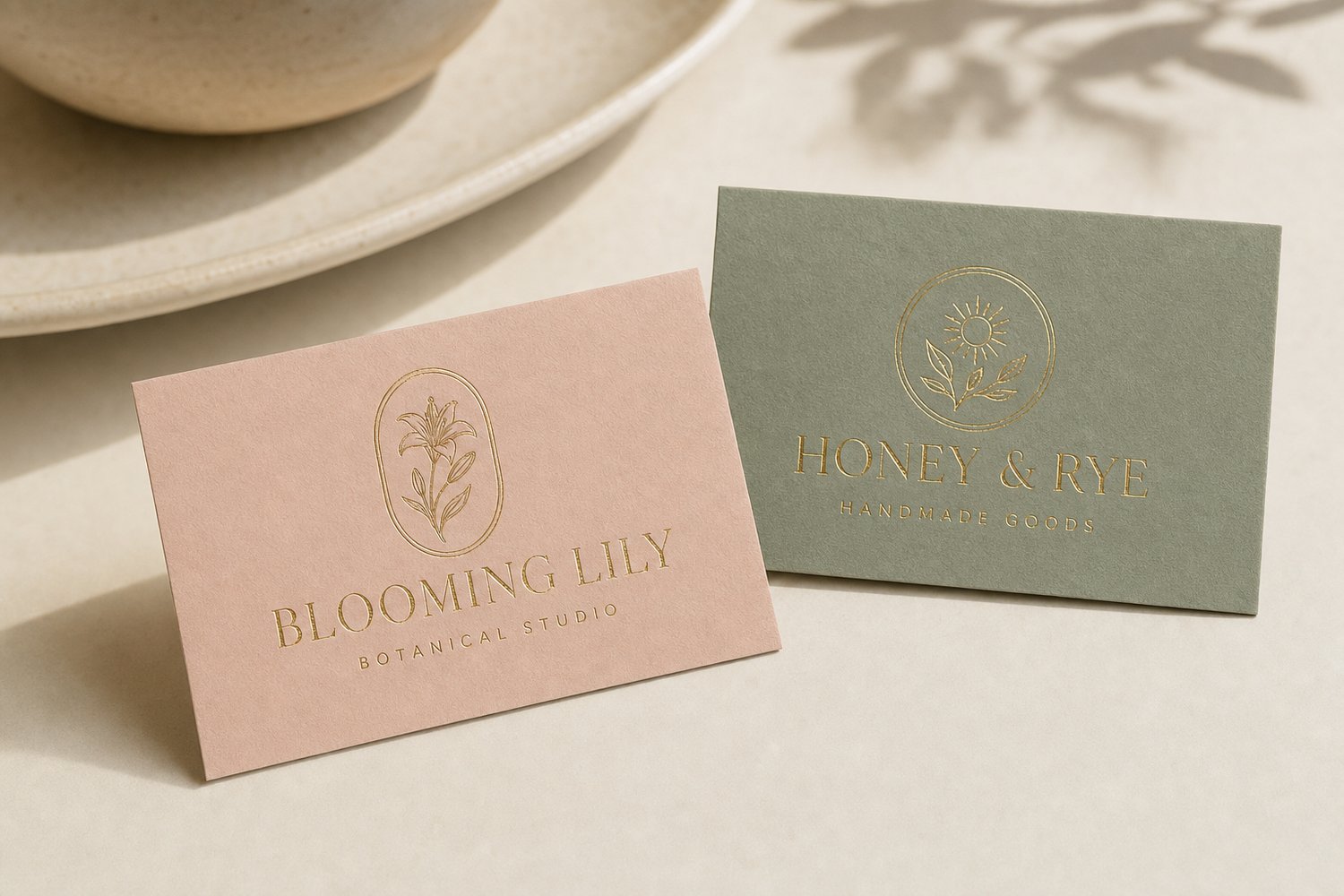
For professionals in real estate, home services, or automotive sales, magnetic business cards offer an innovative solution with exceptional staying power. These cards feature a thin magnetic backing that sticks to refrigerators, filing cabinets, or car dashboards. The key advantage is placement – your card stays visible in a location the recipient sees every day, rather than disappearing into a drawer or wallet.
A plumber, HVAC technician, or pest control operator who hands out magnetic cards is making a smart long-term play. When something goes wrong at 11pm and the homeowner needs a number fast, yours is already on the fridge.
Spot UV Business Cards
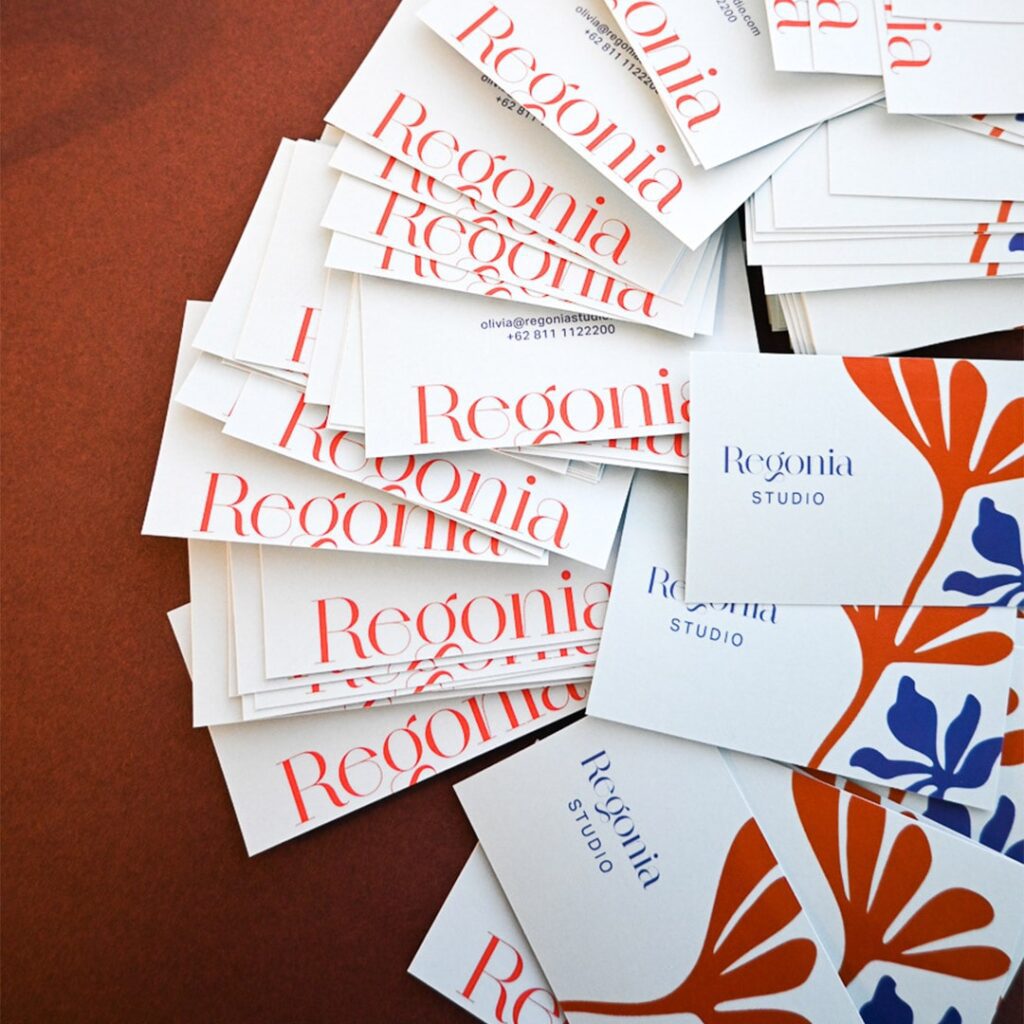
Spot UV business cards feature a selective high-gloss finish applied only to specific areas using ultraviolet light curing technology. This creates dramatic contrast between glossy and matte areas, making your design truly stand out. The glossy areas highlight specific elements like logos or key text, creating visual depth while remaining more affordable than foil options. This modern finish works perfectly for tech companies, design agencies, and creative professionals wanting sophisticated appeal without excessive cost.
Spot UV is one of the most cost-effective ways to add a premium finish to your cards. The contrast between matte stock and high-gloss accent is immediately noticeable – people handle the card differently, which means they pay more attention to it.
Duplex Business Cards
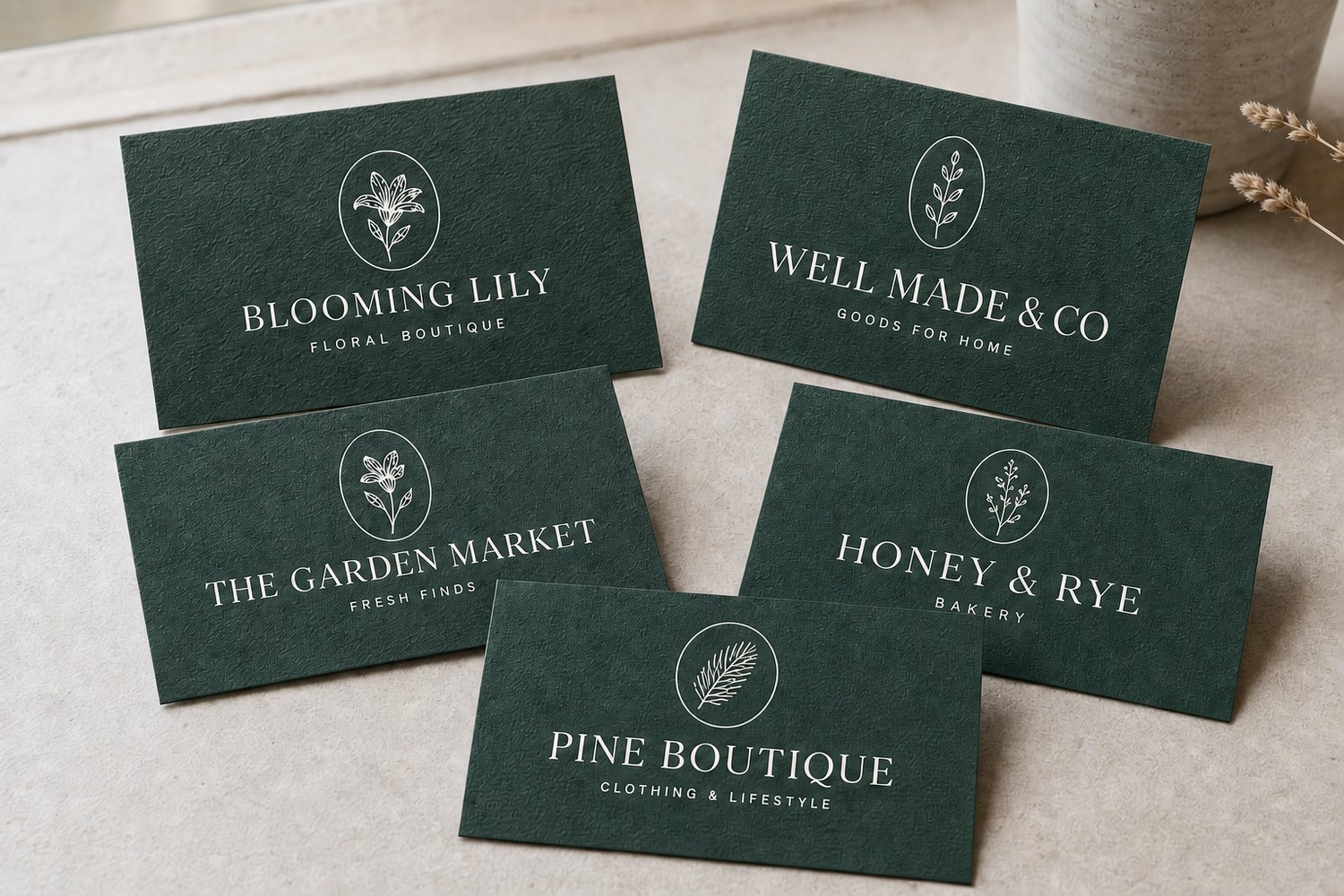
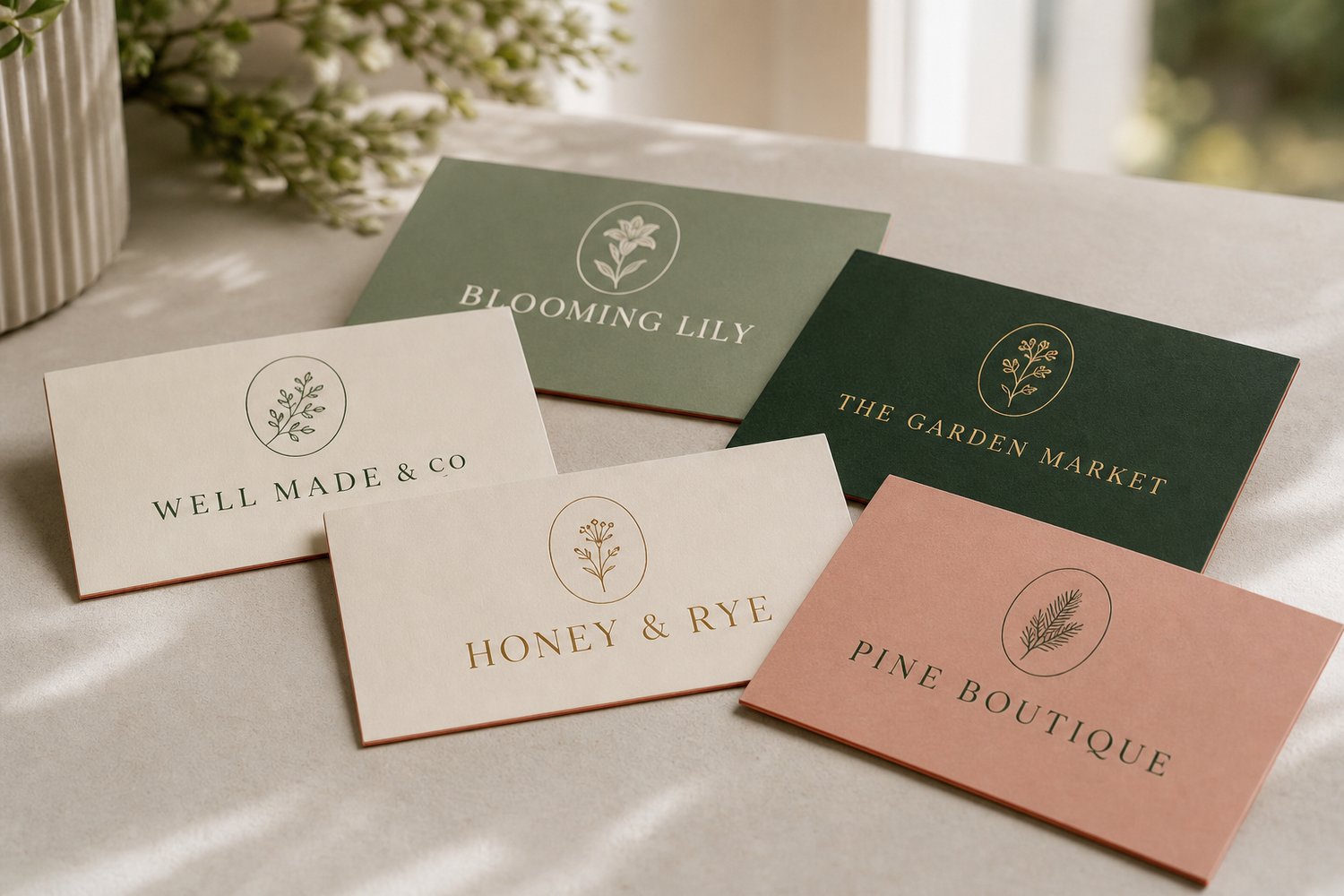
Duplex business cards are manufactured using duplex board – a specialized material made by laminating two different paper stocks together. This creates a thicker, more substantial card with unique aesthetic possibilities. The colored core that’s revealed at the edges (called an edge color) is a signature detail that immediately sets these cards apart from standard options. These cards offer exceptional durability and premium feel. The thicker paper conveys quality and stability, making them excellent for luxury brands, premium services, and high-end businesses.
A financial advisor, architect, or boutique hotel that hands out duplex cards signals that quality and attention to detail matters to them – before saying a word.
Foil and Raised Foil Business Cards
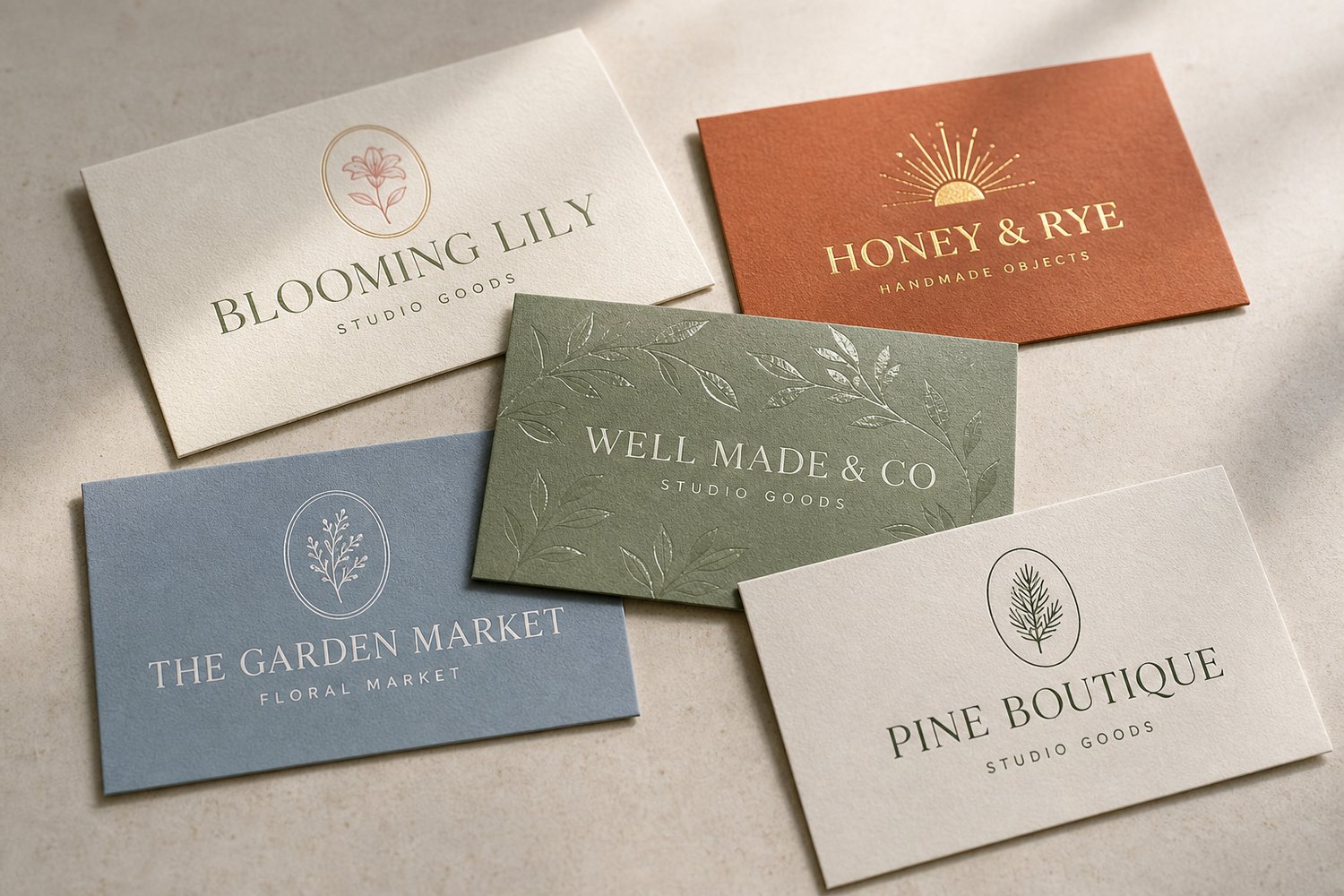
For businesses wanting serious visual impact, foil business cards and raised foil business cards represent the premium end of the spectrum. Available in gold, silver, rose gold, copper, and holographic finishes, these cards immediately catch attention and create lasting impressions. Raised foil business cards add three-dimensional texture that clients can feel, enhancing the tactile experience and premium perception. While these cards cost more than standard options, they’re perfect for luxury brands, high-end consultants, premium real estate agents, and any business positioning themselves at the top of their market.
If your service commands a premium price, your card should reflect that. Handing a gold foil card to a prospective high-net-worth client sets an expectation of quality that a standard matte card simply cannot match.
Scodix Business Cards
Scodix business cards represent cutting-edge printing technology that uses digital enhancement to add tactile dimension, metallic effects, and creative finishes. Unlike traditional foil stamping that requires custom dies, Scodix allows digital customization of effects on each card. This technology combines digital printing flexibility with premium finishes, making it more cost-effective than traditional methods for smaller quantities. It’s perfect for businesses wanting premium finishes without high minimum order quantities, and allows creative combinations of multiple effects on a single card.
The principles of great business card design translate directly to wedding stationery. See Paperlust’s custom business cards for inspiration.
Related reading:
Which Should You Choose?
Choosing the right business card depends on your industry and your brand positioning. Here’s a practical decision framework to narrow it down quickly.
| Format | Best for | Cost band (500 units) | Notable trait |
|---|---|---|---|
| Standard 350gsm matte | Most professions, default choice | $$ (~$60) | Reliable, readable, neutral |
| Soft-touch lamination | Creative agency, design firms | $$ (~$110) | Velvety tactile finish |
| Foil-stamped | Luxury, weddings, premium services | $$$ (~$180) | Catches light; signals price tier |
| Embossed / debossed | Premium professional / legal | $$$ (~$170) | Tactile dimension, no ink for impression |
| Plastic / waterproof | Hospitality, fitness, wallet-survivors | $$$ (~$200) | Survives multi-year wallet wear |
| Square or unusual format | Design, tech, creative | $$ (~$120) | Memorable; doesn’t fit standard wallets |
Consider Your Industry
Different industries have different expectations and norms. Going too premium in a cost-sensitive industry can signal poor judgment; going too basic in a luxury sector can undermine your positioning. Here’s what tends to work:
- Creative Industries: Spot UV, foil, or Scodix cards demonstrate design expertise and creative confidence
- Real Estate: Magnetic and duplex cards stay visible and convey professionalism over time
- Luxury Services: Raised foil or foil cards establish premium positioning from the first handshake
- Corporate/Finance: High-quality standard paper or subtle spot UV creates credibility without ostentation
- Trades and Home Services: Magnetic cards ensure accessibility – your number is always on the fridge
- Startups/Tech: Modern, minimalist designs on quality paper or spot UV signal forward-thinking brand identity
- Health and Wellness: Clean, minimal designs on matte stock reinforce calm, professional energy
Define Your Brand Positioning
Your business card choice communicates directly about your brand before the recipient even reads the text. Premium positioning calls for foil, raised foil, or duplex cards. Modern and progressive positioning suggests spot UV or Scodix. Creative positioning works with colored paper or unique finishes. Professional and traditional positioning benefits from high-quality standard business cards, while service-oriented businesses excel with magnetic cards.
Think About How You Hand Out Cards
If you hand out cards at every meeting and go through hundreds a month, premium options with a higher per-unit cost may not be practical. In that case, a well-designed standard card with a quality finish is the smart call. If you hand out cards selectively – to qualified prospects, at high-stakes client meetings, or at industry events where you want to be remembered – investing in a premium finish makes more sense. The card does more work in those moments.
Quick Decision Guide
| Business Type | Recommended Card | Why It Works |
|---|---|---|
| Photographer / Creative | Spot UV or Foil | Card is a portfolio sample |
| Real Estate Agent | Magnetic or Duplex | Stays visible, conveys stability |
| Plumber / Electrician | Magnetic | Stays on the fridge for the emergency call |
| Consultant / Lawyer | Standard or Duplex | Professional, clean, credibility-focused |
| Luxury Retail / Jeweler | Raised Foil or Scodix | Matches high-end brand expectations |
| Startup / Tech | Spot UV or Clean Standard | Modern, minimal, smart |
Your business card is often the first physical touchpoint between you and potential clients. Whether you choose standard business cards or invest in premium spot UV or foil options, the key is selecting something that authentically represents your brand and makes the recipient want to keep it.
Business Card Design Tips That Actually Matter
Choosing the right card type is only half the equation. A premium finish on a poorly designed card is a waste. Here are the design principles that make cards worth keeping:
Keep It Legible First
The primary job of a business card is to communicate your contact information clearly. Use a minimum of 8pt font for body text, and never go below 6pt. Choose fonts that are readable at small sizes – clean sans-serif typefaces tend to perform better than decorative scripts at card scale.
Less Is More
Resist the urge to include every possible contact method, every social handle, and a tagline. Pick the two or three contact details the recipient is most likely to use. White space is not wasted space – it directs the eye and makes the card look confident rather than cluttered.
Match the Finish to the Design
Spot UV works best when there’s enough contrast between the matte and gloss areas. Dark backgrounds with gloss spot on a logo or name are particularly effective. Foil requires artwork with solid, clean shapes – intricate fine lines don’t hold well in foil. Duplex cards with a colored core edge look best on simpler, cleaner designs where the edge becomes the statement.
Both Sides Are Real Estate
Most professionals use only the front of their card. The back is an opportunity – a QR code linking to your portfolio, a brief list of services, a standout photo, or simply a clean color block that reinforces your brand. Duplex and raised foil cards especially benefit from a considered back design.
How to Choose the Right Business Card Format for Your Profession
Most business card buyers over-spec or under-spec. Over-spec is foil-on-everything for jobs where standard would do better; under-spec is matte 350gsm in industries where tactile premium is the table stakes (luxury services, weddings, premium hospitality). Match the card to the audience, not to the budget.
The 6-question business card decision filter
- Audience — Corporate buyers → standard or foil. Creative peers → soft-touch or unusual
- Industry signal — Luxury / weddings / premium → foil or embossed table-stakes
- Wallet survival — Hospitality / repeat use → plastic or waterproof
- Touchpoint frequency — First-meeting only → standard. Repeat-handoffs → durable stock
- Print detail — Photographic / portrait → gloss or soft-touch. Bold typography → matte or foil
- Quantity — Below 250 → iterate first. Above 1000 → bulk pricing kicks in
Want premium foil business cards?
Hot-stamped foil in gold, silver, copper, or rose gold. Edge gilding, embossing, soft-touch lamination available.
Frequently Asked Questions
What information should I put on a business card?
Your business card should include your full name, job title, company name, and at least two contact methods – typically a phone number and email address. A website URL is valuable for driving traffic. Physical address is optional unless your business relies on foot traffic or in-person visits. Social media handles are useful if they are active and relevant to your industry. Keep the design clean – overcrowding a card with too much information makes it harder to read. Prioritize what the recipient is most likely to use when following up with you.
What is the difference between standard and premium business card options?
Standard business cards are printed on quality cardstock at a lower cost per unit – ideal for high-volume networking or when you hand out cards frequently. Premium options include finishes like flat foil, raised foil, Scodix, spot UV, and duplex. These finishes add tactile or visual impact that makes your card more memorable. Choose premium finishes when making a strong brand impression matters – client-facing roles, creative industries, or high-end service businesses are all good candidates.
Which business card material lasts the longest?
Thick cardstock (400gsm and above) with a matte or soft-touch laminate finish holds up best over time. Laminated cards resist moisture, fingerprints, and general wear better than uncoated stock. Foil-finished cards also tend to be durable since the foil layer provides additional surface protection. Standard uncoated cards show wear faster, especially on edges and corners when carried in a wallet. If longevity is a priority – for example, cards kept by tradespeople or stored in toolboxes – choose a heavier, laminated option over a standard uncoated card.
Do digital business cards replace physical ones?
Digital cards (QR codes, NFC tap cards, or virtual contact pages) are a useful supplement but have not replaced physical business cards for most industries. Physical cards work without a phone, battery, or internet connection and can be handed over instantly in any context. Many people still expect to receive a physical card at networking events, trade shows, or professional meetings. The most effective approach is to use both – a well-designed physical card backed by a digital profile or QR code link. Physical cards also reinforce brand identity in a way a phone tap cannot replicate.
What is the best finish for a professional business card?
For a clean, professional look, matte laminate on 400gsm or 450gsm cardstock is the most widely recommended option. It feels substantial, photographs well, and does not show fingerprints. Soft-touch matte adds a velvety texture that stands out on feel alone. Spot UV is a strong choice for adding contrast – a gloss highlight over matte stock draws attention to your logo or name. Foil finishes suit luxury and creative brands. Gloss laminate looks sharp but shows fingerprints and can feel dated compared to matte. Match the finish to your brand tone rather than choosing based on cost alone.