
You’re about to order custom stickers. The printer asks: “Paper or vinyl?”
You pick paper because it’s cheaper. Three months later, half your stickers are peeling, faded, or torn. You reorder. Again. And again.
Turns out “cheap” was expensive.
Or maybe you pick vinyl for everything, including indoor packaging stickers that didn’t need weatherproofing. You overspent by 40%.
Here’s the truth: The right material depends on where your sticker will live and how long it needs to last.
We’ve printed millions of stickers in both materials for Australian businesses. Here’s exactly when each one makes sense (and when it’s a waste of money).
At a Glance
Vinyl wins outdoor, wet, or long-life applications; paper wins indoor short-term promotion at up to 40% lower per-unit cost — and most premium brands need both, ordered together.
Surface match matters: vinyl handles curves, glass, and painted surfaces; paper sticks best to flat porous packaging. Hybrid orders are often the right call — vinyl for permanent product labels, paper for the handout swag inside the box.
- Outdoor, wet, or long-life: vinyl every time — UV + water + abrasion resistant for 3–5 years.
- Indoor, short-term, promotional: paper saves up to 40% on per-unit cost without compromising the brand.
- Surface match: vinyl handles curves, glass, and painted surfaces; paper sticks best to flat porous packaging.
- Brand match: vinyl for premium and permanent product branding; paper for events, giveaways, and seasonal pushes.
- Hybrid orders are often right — vinyl for product labels, paper for the handout swag inside the box.
Still unsure? Keep reading. We’ll break down cost, durability, and real-world use cases.
Print vinyl stickers built to last
Outdoor-grade vinyl, UV-stable inks, laminated finish — the spec sheet that lets your sticker survive sun, rain, and dishwashers.
What’s the Actual Difference? (Materials Explained)
Paper Stickers
What they are: Printed on paper stock (usually 80-100gsm), with adhesive backing.
Coating options:
- Uncoated (matte, natural feel, biodegradable)
- Gloss laminate (adds some water resistance, vibrant colors)
- Matte laminate (subtle finish, fingerprint-resistant)
Lifespan:
- Uncoated: 3-6 months indoors, weeks outdoors
- Laminated: 12-18 months indoors, 1-3 months outdoors
Waterproof? No (unless heavily laminated, and even then it’s “water-resistant,” not waterproof).
Vinyl Stickers
What they are: Printed on vinyl (PVC or polyester film), with permanent or removable adhesive.
Coating:
- Almost always laminated (protects from UV, water, scratches)
Lifespan:
- Indoor: 5+ years
- Outdoor: 3-5 years (depending on sun exposure)
Waterproof? Yes. Fully weatherproof.
The Durability Test (We Destroyed Stickers So You Don’t Have To)
We tested both materials under real-world Australian conditions. Here’s what happened:
Test 1: Water Bottle (3 Months, Daily Dishwashing)
Paper sticker (laminated):
- Week 1: Fine
- Week 4: Edges starting to peel
- Week 8: Corners lifting, ink fading
- Week 12: 40% peeled off, completely faded
Vinyl sticker:
- Week 12: Still perfect. Zero peeling, zero fading.
Winner: Vinyl (by a mile)
Test 2: Car Bumper (6 Months, Outdoor Exposure)
Paper sticker (laminated):
- Month 1: Already fading
- Month 3: Corners peeling badly
- Month 6: Torn and illegible
Vinyl sticker:
- Month 6: Still vibrant, no peeling, minor edge wear
Winner: Vinyl (paper lasted 1/6 as long)
Test 3: Indoor Packaging (12 Months, Dry Storage)
Paper sticker (uncoated):
- Month 12: Still intact, slight yellowing
Vinyl sticker:
- Month 12: Perfect condition
Winner: Tie (both worked fine, but vinyl was overkill for this use case)
Test 4: Laptop Lid (18 Months, Daily Use)
Paper sticker (laminated):
- Month 6: Edges peeling from heat/friction
- Month 12: Half peeled off
Vinyl sticker:
- Month 18: Still stuck, minimal wear
Winner: Vinyl
The pattern: Vinyl wins every durability test. Paper works fine indoors but fails fast in harsh conditions.
Cost Comparison (Real Australian Pricing 2026)
Let’s compare die-cut stickers in both materials:
| Quantity | Paper Stickers | Vinyl Stickers | Difference |
| 500 | $50-70 | $70-100 | +$20-30 (40-50% more) |
| 1,000 | $80-100 | $110-140 | +$30-40 (40% more) |
| 5,000 | $300-400 | $450-600 | +$150-200 (50% more) |
Per-unit cost:
- Paper: $0.06-0.10 each
- Vinyl: $0.10-0.14 each
The math: Vinyl costs about 40-50% more than paper.
But here’s the catch: If your paper stickers last 3 months and vinyl lasts 3 years, vinyl is actually 12x cheaper per month of use.
When Paper Makes Sense (Don’t Overpay)
✅ Use Paper Stickers For:
1. Indoor Packaging Inserts
You’re including stickers in boxes that ship to customers. They’ll peel the sticker and apply it indoors (laptop, notebook, etc.).
Why paper works: It’ll survive shipping, and once applied indoors, it lasts 12+ months. No need for weatherproofing.
Example: E-commerce brand includes thank-you stickers in every order. Paper saves 40% vs vinyl, and customers are happy.
2. Temporary Campaigns
Event giveaways, seasonal promotions, limited-edition designs.
Why paper works: If the sticker only needs to last 3-6 months, why pay for 5 years of durability?
Example: Festival hands out paper stickers at the gate. 90% get applied during the event weekend. Mission accomplished.
3. Eco-Conscious Brands
Your brand positioning is sustainability-focused, and customers care about biodegradable materials.
Why paper works: Uncoated paper stickers are recyclable and biodegradable. Vinyl is not.
Example: Zero-waste store uses uncoated kraft paper stickers. Aligns with brand values, customers appreciate it.
4. Budget-Sensitive Orders
You need 5,000 stickers and your budget is $300, not $500.
Why paper works: You get 40-50% more stickers for the same money.
Caveat: Only do this if they’re for indoor use or short-term campaigns. Otherwise, you’re just wasting $300 on stickers that’ll fail.
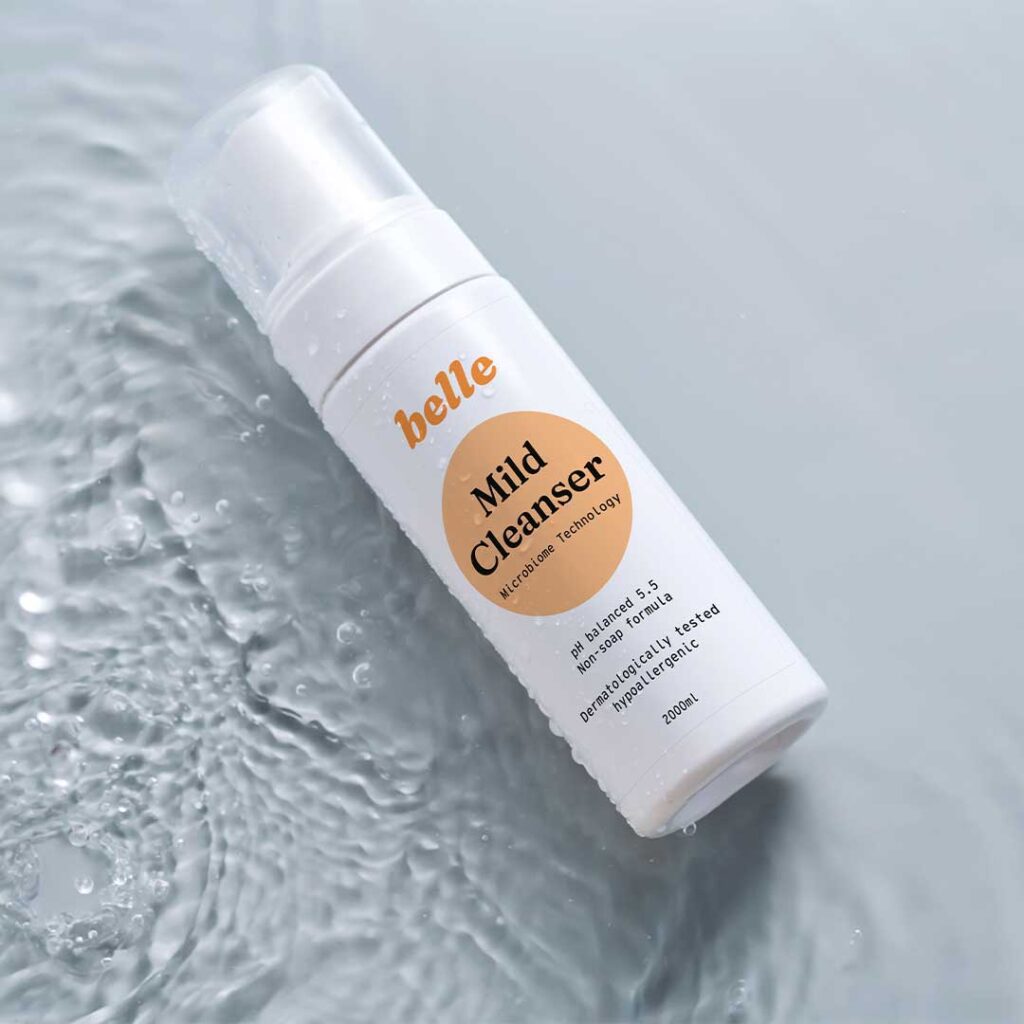
Indoor giveaway? Paper might be the smart spend
For event sticker sheets, packaging fillers, and short-life promo stickers, paper-backed sheets cost a fraction of vinyl and do the job.
When Vinyl Is Non-Negotiable
✅ Use Vinyl Stickers For:
1. Outdoor Use (Cars, Windows, Signs)
Bumper stickers, window decals, outdoor signage.
Why vinyl is non-negotiable: Paper will fade and peel in weeks. Vinyl lasts years.
Example: Real estate agent puts vinyl stickers on car windows. 3 years later, still perfect. Paper would’ve been replaced 12 times.
ROI: Vinyl pays for itself by Month 2.
2. Products That Get Wet
Water bottles, drink koozies, bathroom mirrors, outdoor gear.
Why vinyl is non-negotiable: Water destroys paper. Vinyl is fully waterproof.
Example: Brewery puts vinyl stickers on kegs. They get sprayed, rained on, and hosed down. Paper would disintegrate. Vinyl doesn’t care.
3. High-Traffic Surfaces (Laptops, Phone Cases)
Surfaces that get touched, rubbed, or heated daily.
Why vinyl is better: Vinyl + laminate = scratch-resistant. Paper peels from friction and heat.
Example: Tech startup hands out vinyl laptop stickers at conferences. 18 months later, attendees’ laptops still have them. Brand awareness: sustained.
4. Long-Term Brand Assets
You want your sticker to be a permanent brand ambassador, not a disposable giveaway.
Why vinyl is better: 5-year lifespan means your brand stays visible for years. That’s 5 years of impressions for one $0.12 sticker.
Math: Vinyl sticker on a laptop = 200 impressions/day × 1,825 days = 365,000 impressions. Cost per impression: $0.00000033.
You can’t beat that ROI.
The Hidden Costs (Why “Cheap” Paper Can Be Expensive)
Scenario: Coffee Shop Stickers
Goal: Put stickers on 1,000 reusable coffee cups (customers take them home).
Option 1: Paper stickers
- Cost: $80 for 1,000
- Lifespan on cups (daily washing): 1-2 months
- Reorder frequency: Every 2 months
- Annual cost: $480 (6 reorders)
Option 2: Vinyl stickers
- Cost: $120 for 1,000
- Lifespan on cups: 12-18 months
- Reorder frequency: Once per year
- Annual cost: $120
Vinyl saves $360/year.
Lesson: Upfront cost isn’t total cost. Factor in replacement frequency.
Environmental Impact (If It Matters to Your Brand)
Paper Stickers:
Pros:
- Biodegradable (uncoated)
- Recyclable (if no heavy lamination)
- Lower carbon footprint in production
Cons:
- Shorter lifespan = more waste (if you’re replacing them frequently)
- Laminated paper isn’t biodegradable
Vinyl Stickers:
Pros:
- Durability = less frequent replacement = less total waste
Cons:
- Not biodegradable
- PVC production has higher environmental impact
The nuance: If your vinyl sticker lasts 10x longer than paper, the total environmental impact might actually be lower (fewer stickers manufactured/shipped/disposed).
Our take: If eco-friendliness is core to your brand, use uncoated paper for indoor applications. For outdoor/durable needs, vinyl’s longevity makes it the lesser evil.
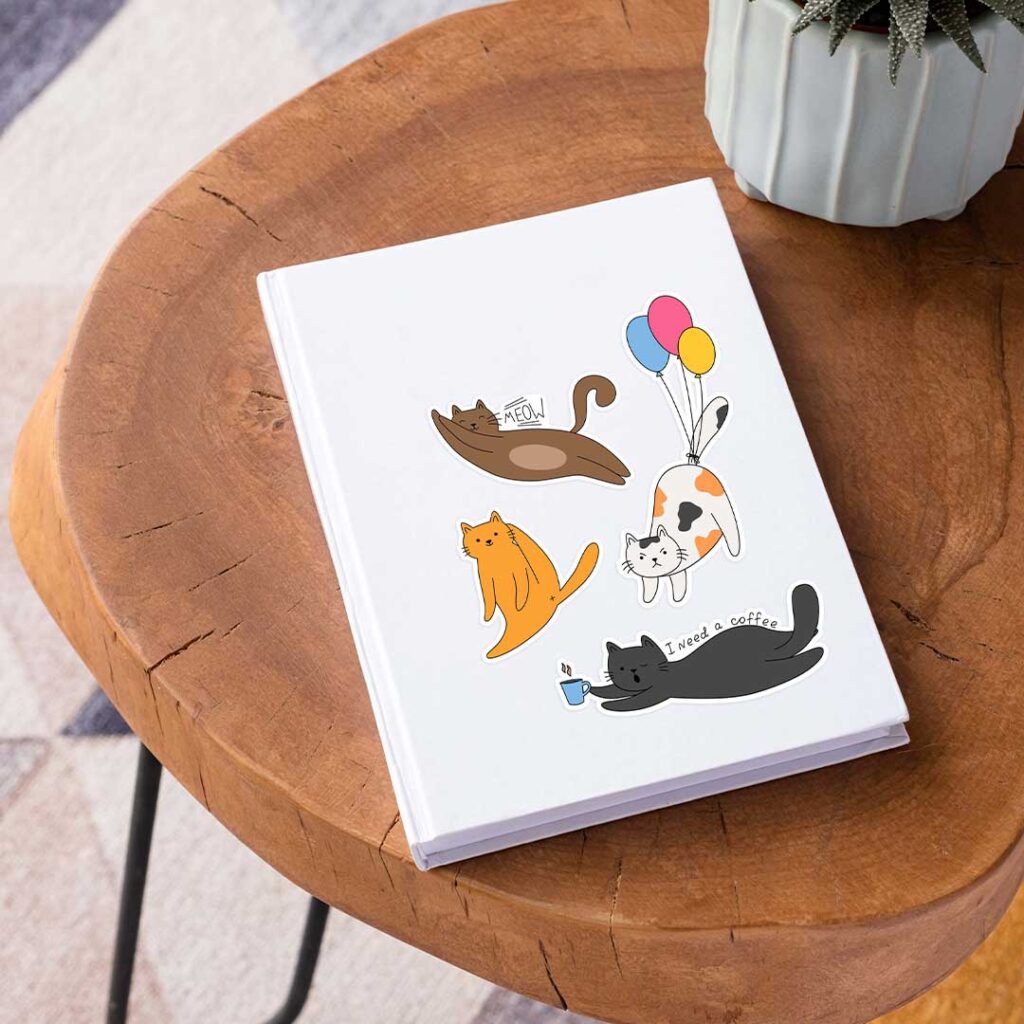
Design Considerations (Material Affects Look)
Paper:
Best for:
- Matte, natural aesthetics
- Vintage/retro designs
- Hand-drawn illustrations
Color vibrancy: Good (great with gloss laminate)
Finish options: Matte, gloss, uncoated
Vinyl:
Best for:
- Bold, vibrant colors
- Photo-based designs
- Modern/sleek aesthetics
Color vibrancy: Excellent (vinyl holds ink better, colors pop more)
Finish options: Gloss, matte, holographic (specialty vinyl)
Pro tip: Vinyl makes colors look richer. If your design has gradients or photos, vinyl will look better.
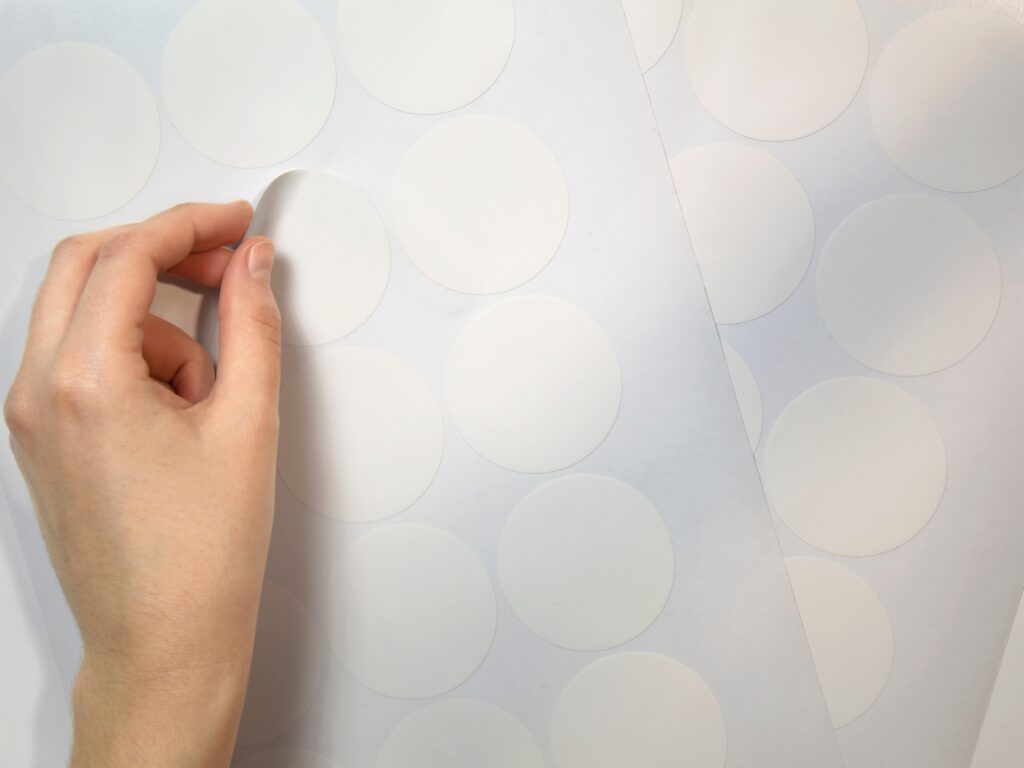
Adhesive Strength (Permanent vs Removable)
Paper Stickers:
Usually permanent adhesive (once applied, difficult to remove cleanly).
Removable paper stickers exist but are less common.
Vinyl Stickers:
Available in both:
- Permanent: Strong bond, difficult to remove (use for long-term applications)
- Removable: Can be peeled off cleanly without residue (use for window clings, temporary decals)
Example use case for removable vinyl: Retail window promotions. Apply, run the campaign, peel off, reuse the window space.
How to Choose Between Vinyl and Paper: The Decision Matrix
Use this table to decide:
| Your Sticker Will… | Paper | Vinyl |
| Be stuck outdoors | ❌ | ✅ |
| Get wet regularly | ❌ | ✅ |
| Go on water bottles, cars, bikes | ❌ | ✅ |
| Be used indoors only | ✅ | ✅ (overkill but fine) |
| Be temporary (< 6 months) | ✅ | ✅ (overkill) |
| Last 2+ years | ❌ | ✅ |
| Represent an eco brand | ✅ (uncoated) | ❌ |
| Be handed out at events | ✅ | ✅ |
| Seal product packaging (indoor) | ✅ | ✅ (overkill) |
| Go on laptops/high-use items | ⚠️ (short-lived) | ✅ |
Key: ✅ = Good choice | ⚠️ = Works but suboptimal | ❌ = Don’t do it
Real Client Stories (Paper vs Vinyl Outcomes)
Success Story: Vinyl for Outdoor Gear Brand
Business: Surf shop in Byron Bay
Stickers: Vinyl, 76mm die-cut logo
Use: Customers stick them on surfboards, cars, water bottles
Result: 3 years later, stickers still visible on 70% of boards. Free advertising every time customers hit the beach.
ROI: $400 vinyl sticker order = thousands of hours of brand visibility
Success Story: Paper for Eco Packaging
Business: Organic skincare brand
Stickers: Uncoated kraft paper, circle seals
Use: Seal tissue paper in every box
Result: Perfect for the use case. Customers appreciated the eco-friendly touch. Paper lasted through shipping, looked beautiful, aligned with brand values.
Cost savings vs vinyl: $200 per 5,000-sticker order
Failure Story: Paper for Water Bottles (Oops)
Business: Gym launching branded water bottles
Stickers: Paper (laminated), 51mm circle logo
Use: Applied to reusable water bottles sold to members
Result: Within 2 weeks, members complained about peeling stickers. Gym reordered in vinyl, lost $120 on the failed paper batch.
Lesson: Always vinyl for anything that gets wet.
Hybrid Strategy (Use Both Materials Strategically)
Smart businesses use both materials for different applications:
Example:
- Vinyl: Laptop stickers for conferences (long-term brand ambassadors)
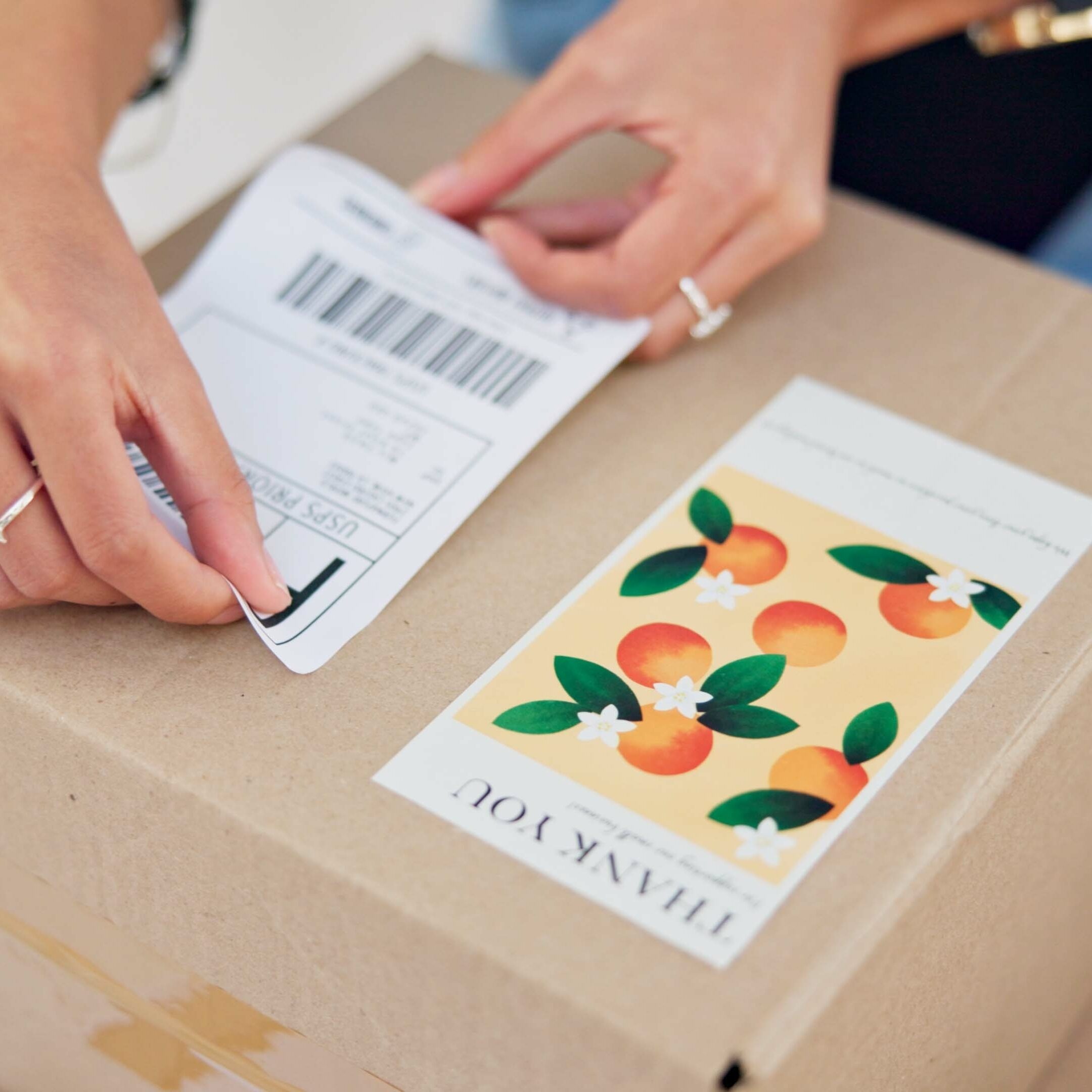
- Paper: Thank-you stickers in packaging (short-term, indoor, eco-friendly)
Why it works: Right material for each job = maximize ROI, minimize waste.
What To Do Next
Step 1: Identify Your Primary Use Case
Where will 80% of your stickers end up?
- Indoors, dry → Paper is fine
- Outdoors, wet, or high-use → Vinyl is non-negotiable
Step 2: Calculate Replacement Frequency
If paper lasts 3 months but vinyl lasts 3 years:
- Paper: $80 × 4 reorders/year = $320/year
- Vinyl: $120 × 1 order/year = $120/year
Choose the lower total cost.
Step 3: Consider Brand Positioning
- Eco-conscious brand → Paper (uncoated)
- Premium/durable brand → Vinyl
- Budget brand → Paper (but only for indoor use)
Step 4: Order Samples
Not sure which feels right? Order a sample pack with both materials. Feel the difference before committing to 5,000 stickers.
Step 5: Place Your Order
Paper stickers: Browse options
Vinyl stickers: Browse options
Still unsure? Contact us with your use case, and we’ll recommend the best material.
Related reading:
Vinyl stickers are a popular wedding stationery add-on. For the complete stationery suite, browse Paperlust’s custom sticker collection.
Going vinyl — here’s where to start
Most brands need vinyl. Pick your shape, upload artwork, and we’ll laminate for outdoor durability automatically.
How to Choose: Vinyl vs Paper for Your Brand
There’s no universal “better” material. It depends on your use case.
But here’s the pattern we see:
- 90% of outdoor/wet applications: Vinyl wins
- 70% of indoor/packaging applications: Paper works fine (and saves money)
- 100% of “I want this sticker to last years” applications: Vinyl is non-negotiable
Our recommendation: When in doubt, go vinyl. The 40% upfront cost premium pays for itself in durability, and you’ll never regret a sticker that lasts too long.
But if you’re confident your stickers are for indoor, short-term, or eco-focused use? Paper is the smart, budget-friendly choice.
Choose wisely. Stick confidently.
Related Articles:
- Custom Sticker Printing: Complete Guide for Businesses
- Waterproof Stickers for Outdoor Use: Materials That Last
- Die-Cut Stickers: Custom Shapes Without Extra Cost
Ready to print?
Frequently Asked Questions
What is the main difference between vinyl and paper stickers?
Vinyl stickers are made from a flexible plastic film that is waterproof, UV-resistant, and durable enough for outdoor use. Paper stickers use a wood-pulp face stock that is lightweight, cost-effective, and suited to indoor or short-term applications. The adhesive on vinyl is typically a permanent outdoor-rated formulation, while paper stickers often use a general-purpose or removable adhesive. The core choice comes down to environment: vinyl survives outdoors; paper works well for packaging, labels, and indoor branding.
When should I choose paper stickers?
Paper stickers are the right choice when cost efficiency matters, the application is indoors, and longevity beyond six to twelve months is not required. Common uses include product packaging labels, event stickers, retail price labels, envelope seals, and promotional giveaways. Kraft paper stickers suit natural or sustainable brand aesthetics. Gloss or matte paper stickers print colors vividly and are typically the lowest cost per unit for short runs of custom shapes or sticker sheets.
When should I choose vinyl stickers?
Choose vinyl when your sticker will be exposed to water, heat, UV light, or physical abrasion. Outdoor use cases include vehicle decals, equipment labels, street-facing window graphics, water bottle stickers, and construction site safety labels. Waterproof stickers made from vinyl maintain adhesion and color over multi-year outdoor exposure. Clear vinyl is ideal for glass or smooth surface applications where a no-border appearance is desired. If the sticker must survive a dishwasher or a season in the sun, vinyl is the only suitable material.
Are vinyl stickers more expensive than paper stickers?
Yes, vinyl stickers cost more per unit than paper stickers of the same size and quantity, typically by 20 to 50 percent depending on specification. The premium reflects the higher cost of vinyl stock, outdoor-rated adhesive, and UV-resistant print processing. For high-volume indoor applications like product labels, the cost difference adds up quickly and paper is the practical choice. For branding materials that represent your business outdoors or on durable products, the longevity of vinyl makes it more cost-effective over the full lifespan of the sticker.
Which lasts longer – vinyl or paper stickers?
Vinyl stickers last significantly longer. Quality cast vinyl with UV laminate is rated for three to five years outdoors. Paper stickers begin to degrade within weeks if exposed to moisture, and fade within months in direct sunlight. Even in indoor conditions, vinyl outlasts paper due to its resistance to moisture and handling wear. For any product a customer will touch repeatedly – water bottles, laptops, phone cases – vinyl stickers hold their edge and adhesion through normal use where paper stickers peel or wear through the print layer.
Still deciding? Order a sample pack
Hold both materials in your hand before committing — sample packs ship within 3 business days and include vinyl, paper, foil, and clear options.