Choosing a rigid sign for your business sounds simple until you are looking at three very different materials, each with its own finish, lifespan, outdoor performance and price point. Acrylic signs sit at the premium end, prized for their glass-like clarity and polished reception aesthetic. Corflute (corrugated plastic) does the heavy lifting for temporary outdoor campaigns where cost and speed matter most. ACM (aluminium composite panel) fills the space between the two, built for outdoor installations that need to last years, not months.
This guide compares all three side by side. By the end, you will know which material fits your application, your budget and the Australian climate, without having to guess.
Cheat sheet
- Acrylic signs are the premium choice for interior reception areas, lobby branding and high-end directional signage, with a floating-panel finish no other substrate matches.
- Corflute is the go-to for real estate boards, event signage, construction sites and any campaign that needs volume at low cost.
- ACM (aluminium composite panel) delivers the best long-term outdoor durability at a mid-to-high price point, suited to permanent building signage and directories.
- In Australian conditions, UV intensity in Queensland, Western Australia and the Northern Territory limits corflute to roughly 12-18 months before fading and brittleness set in.
- Acrylic performs best indoors. ACM is the right call for permanent outdoor exposure.
- Production lead times differ: acrylic panel signs are typically ready within 5-7 working days; corflute is 24 hours on the 600 x 900mm board and 2-3 business days on the other sizes, after design approval.
- Cost at a glance: corflute (budget), ACM (mid to high), acrylic (premium).
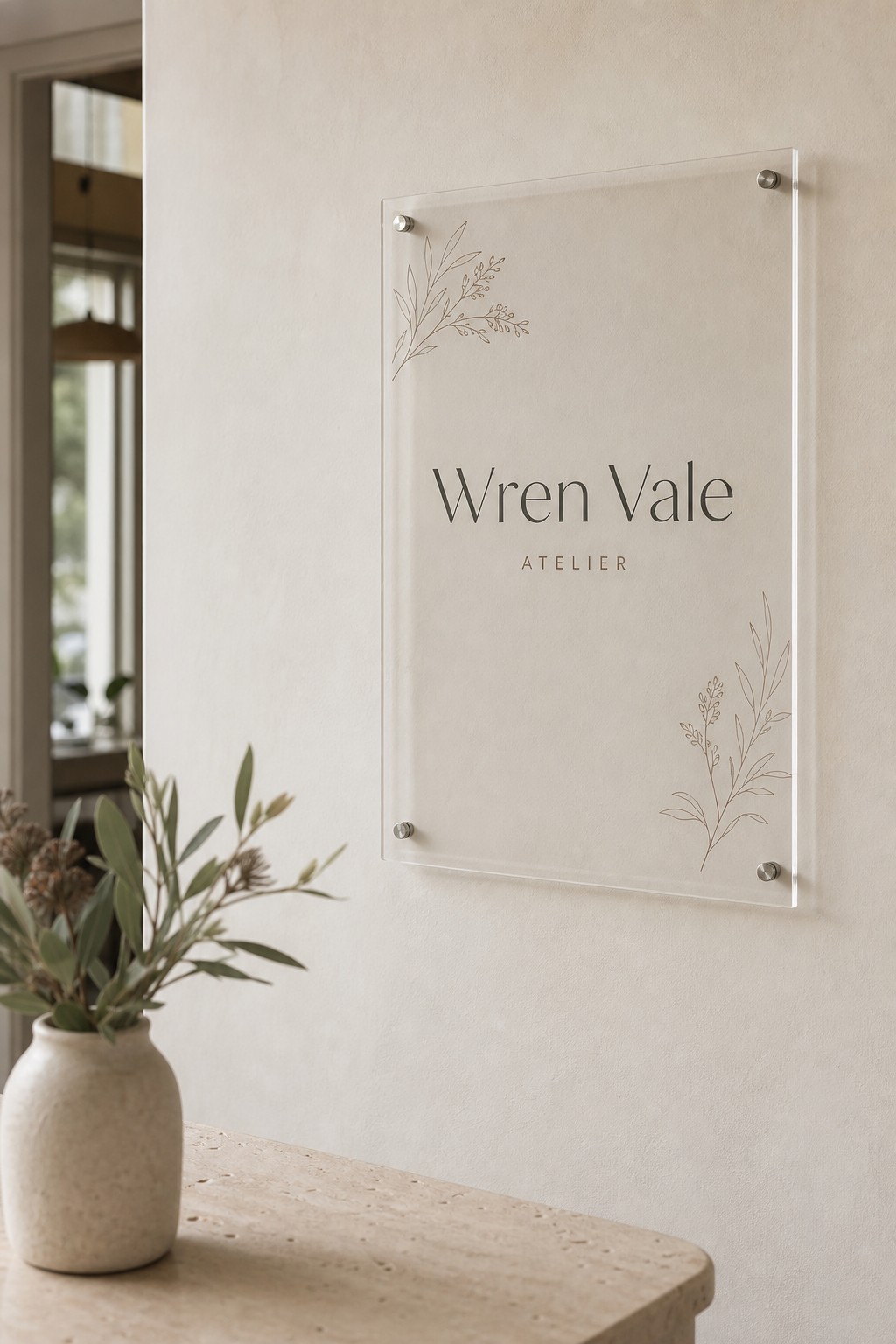
What Are Acrylic Signs?
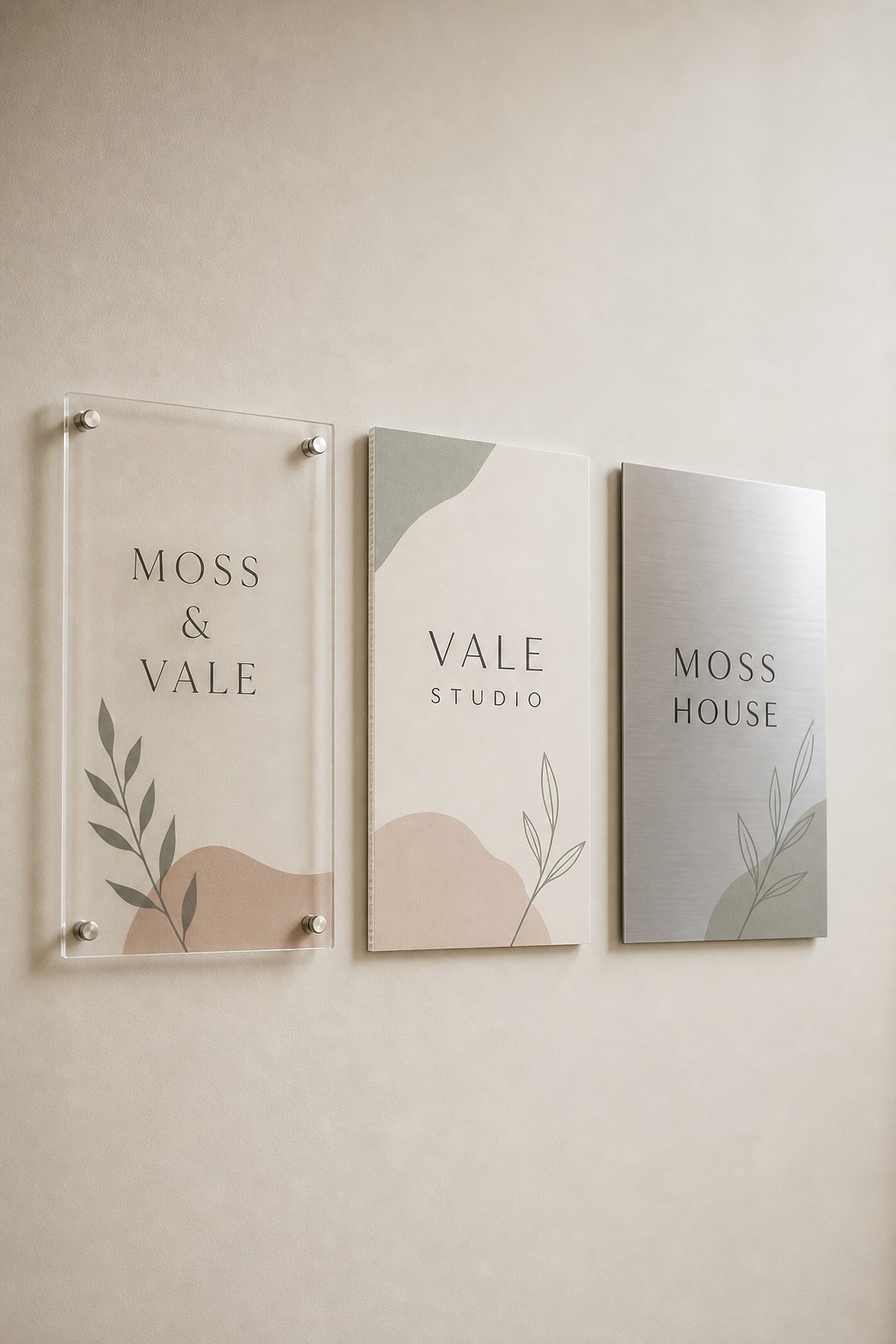
Acrylic is a solid cast plastic sheet, most commonly 3mm thick for printed signage. Its defining characteristic is optical clarity, a glass-like transparency that gives printed panels a sharp, upmarket finish you cannot replicate with any other rigid substrate at this price point.
Acrylic reception panel signs from Paperlust Print Shop are available in a range of substrate finishes including clear, white, black, matte, frosted and mirror. Standard size options are A2 (420mm x 594mm) and A1 (594mm x 841mm), both printed digitally in full colour or with vinyl foil for metallic lettering or logo elements. Standoff fixings mount the panel slightly proud of the wall, creating a floating shadow-depth effect that reads as intentional design rather than a functional afterthought.
Typical indoor lifespan for cast acrylic is 5-10+ years with no maintenance beyond an occasional wipe-down. The critical limitation is outdoor exposure. In direct Australian sunlight, particularly in high-UV states, acrylic can yellow and craze over time. It is an indoor material by design, and the applications it suits best, reception areas, office lobbies, corridor directional signs, medical practice walls, hospitality venues, benefit from precisely that clarity and consistency.
Best for: corporate receptions, professional service offices, medical and dental practices, hospitality venues, educational facilities, retail-interior brand walls.
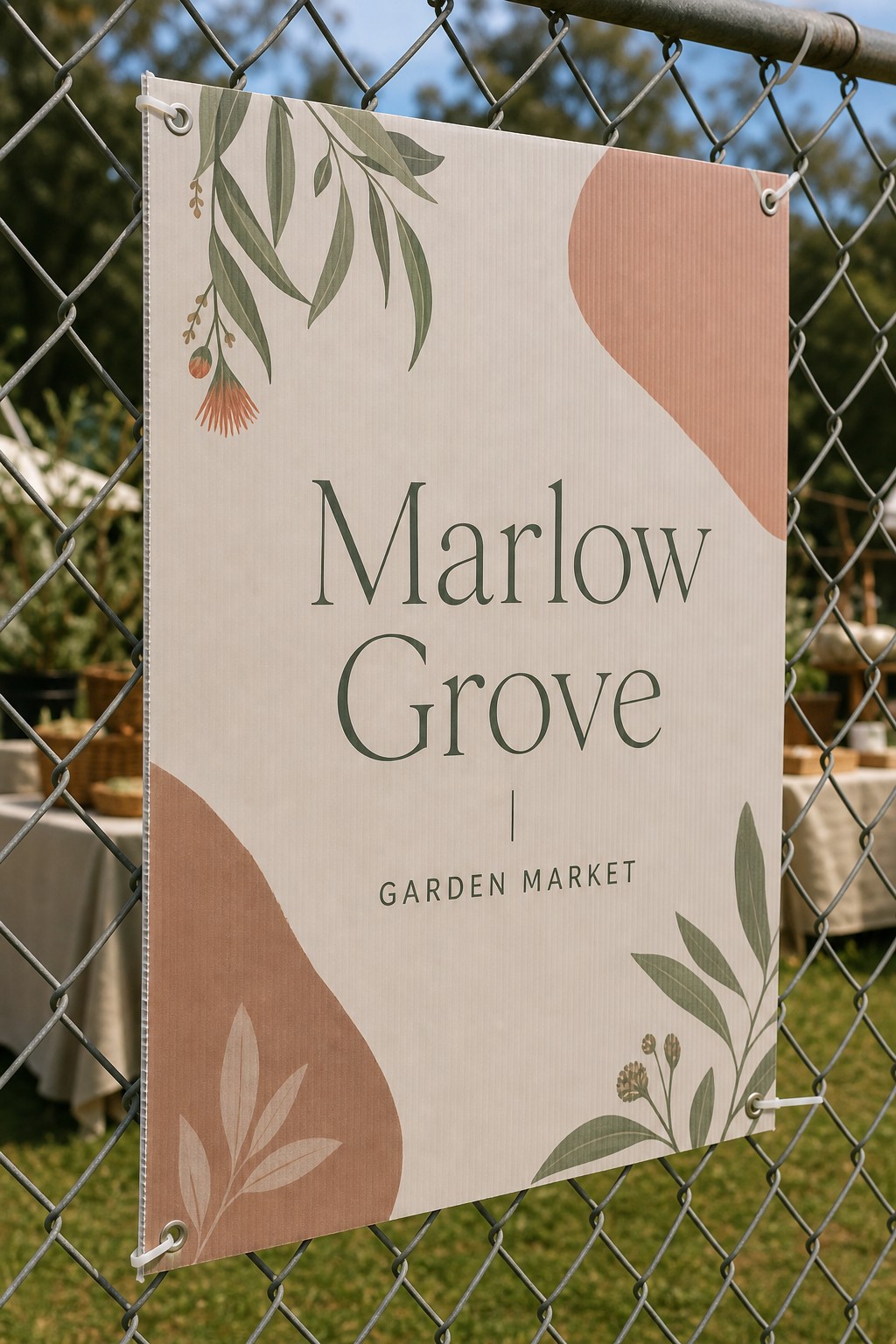
What Are Corflute Signs?
Corflute (also sold under the trade name TEKflute, or described as fluted polypropylene or corrugated plastic) is a hollow-fluted board, typically 3mm or 5mm thick, that punches well above its weight for outdoor temporary signage. The material is lightweight, resistant to rain and moisture, and UV-resistant enough to handle most Australian outdoor conditions for short-to-medium campaign durations.
The realistic outdoor lifespan in moderate conditions is around 12-18 months. In harsher environments, full north-facing sun exposure in Queensland or Western Australia, you may see fading and surface brittleness set in sooner. For anything requiring multi-year permanence outdoors, corflute is not the right substrate. But for real estate for-sale boards, event directionals, pop-up retail, short-run promotional campaigns and construction site safety signage, it is close to unbeatable on cost-per-impact.
Corflute plastic signs from Paperlust Print Shop are available in sizes from A3 up to 900mm x 1200mm. Installation options include H-stakes, A-frame inserts, eyelets for cable-tying to fencing and hoarding, and adhesive mounting to flat surfaces. The board can be drilled or cut on site without splitting, which makes field installation flexible.
For construction projects requiring high-visibility hazard symbols, safety pictograms or regulatory text, the construction signs range uses the same TEKflute board in 3mm and 5mm with print optimised for site conditions.
Best for: real estate for-sale and open-home boards, construction site safety, event wayfinding, retail promotions, community events, school carnivals.
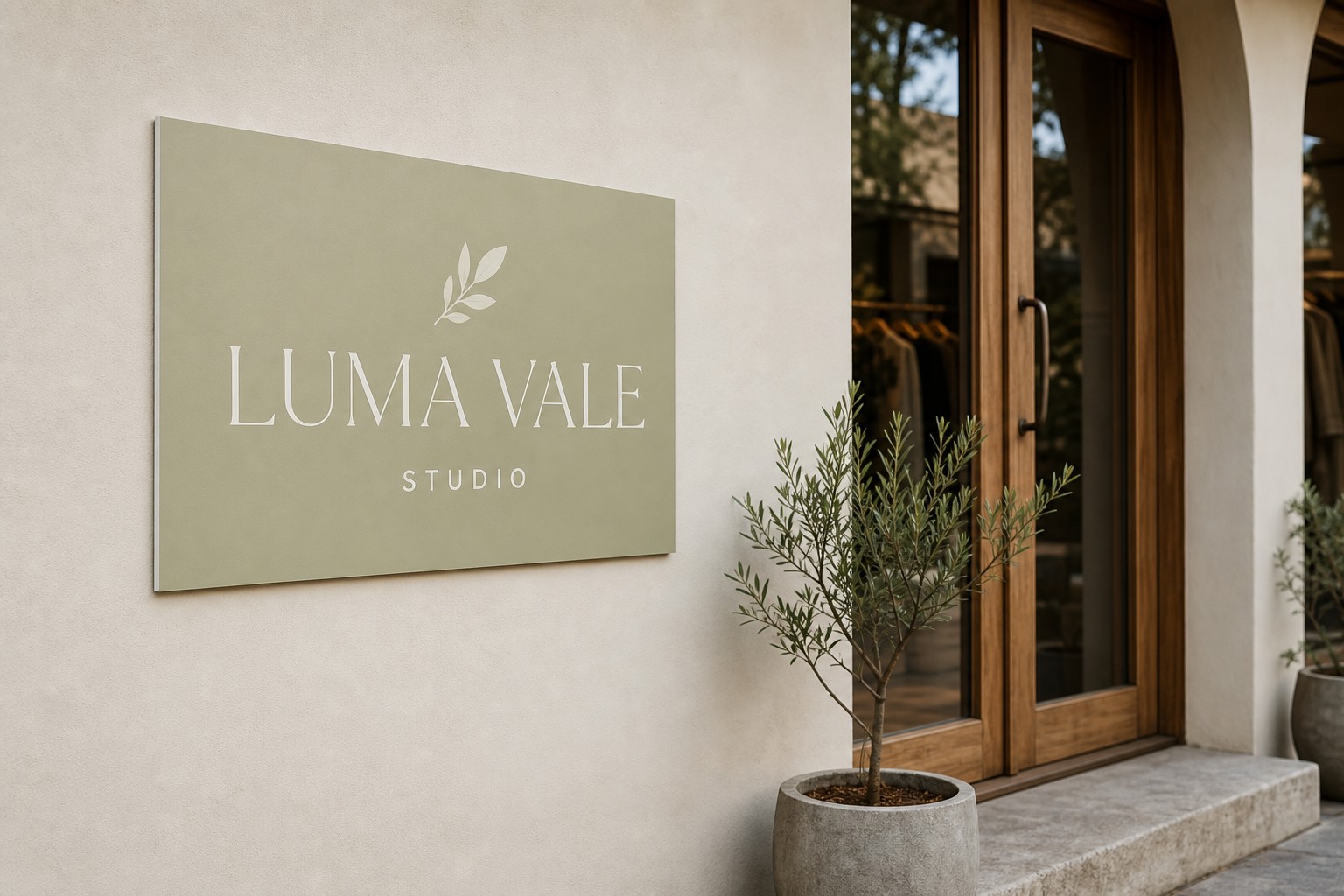
What Are ACM Panel Signs?
ACM stands for aluminium composite material (also called aluminium composite panel, or ACP). The structure is a sandwich: two thin aluminium skins bonded to a lightweight polyethylene or mineral core, typically 3-4mm total thickness. The result is a rigid, flat panel that is significantly more durable outdoors than either corflute or acrylic, without the full weight and cost of solid aluminium plate.
ACM is the substrate most commonly used for permanent building directories, long-term commercial signage, real estate agent sign frames built to last multiple seasons, and facade signage in high-UV Australian environments. Realistically expect 7-10+ years from a properly installed ACM sign even in Queensland or Western Australia conditions. The aluminium faces resist UV fading, the core does not absorb moisture, and the flat rigid surface takes print cleanly without the hollow-fluted texture that can show through on corflute under raking light.
The trade-offs are cost and weight. ACM is more expensive than corflute, heavier than both alternatives, and typically requires professional installation for larger panels. Cutting and shaping on site also needs appropriate tooling.
One important note for readers considering Paperlust: our Print Shop currently offers acrylic reception panels and corflute signs, not ACM. The comparison here is included to help you understand the full market and make the right decision for your project. If your brief requires ACM, a specialist sign fabricator will be your route for that substrate.
Best for: permanent outdoor building signage, long-term commercial directories, high-UV regional signage, branded site hoardings designed for multi-year use.
Decision Table: Acrylic vs Corflute vs ACM
| Feature | Acrylic | Corflute | ACM Panel |
|---|---|---|---|
| Look and finish | Glass-like clarity, premium, floating-panel effect | Flat matte, functional, high-visibility colour | Flat, professional, aluminium-faced |
| Durability / lifespan | 5-10+ years indoors | 12-18 months outdoors (AU conditions) | 7-10+ years outdoors |
| Indoor vs outdoor | Indoor only (yellows/crazes outdoors long-term) | Outdoor, temporary campaigns | Outdoor, permanent installations |
| Weight and mounting | Moderate weight; standoff fixings, wall-mounted | Very light; H-stakes, A-frames, eyelets | Heavier; wall bolts, professional install |
| Cost tier | Premium | Budget | Mid to high |
| Best use case | Reception areas, office lobbies, hospitality | Real estate, events, construction, promotions | Permanent outdoor buildings, directories |
| Available from Paperlust | Yes | Yes | No (specialist fabricator) |
Which Should You Pick?
Pick acrylic for interior premium signage
Acrylic is the right answer when the sign needs to communicate quality as clearly as it communicates information. Fitting out a reception area, branding an office corridor, signposting a medical practice or dressing a hospitality venue interior, acrylic delivers a finish that genuinely elevates the space. The standoff mounting adds physical depth and shadow that reads as deliberate design. It is not a budget product, but within the premium interior signage category it is well-priced, and the 5-10+ year indoor lifespan means the per-year cost is competitive over time.
If your sign is going indoors and you want it to look polished for years without maintenance, acrylic is the clear call.
Pick corflute for temporary outdoor volume
Corflute is the right answer when you need signs fast, need them cheap, and expect to replace or update them within 12-18 months. Real estate agents, event organisers, construction site managers, retailers running seasonal promotions and schools running fundraising events all reach for corflute because it solves a practical problem efficiently. UV-LED printing produces sharp, vibrant colour when the sign goes up. The material handles Australian weather well for its intended duration. If your use case is temporary by design, corflute is the honest choice, and the cost difference frees budget for quantity.
Pick ACM for permanent outdoor durability
If the sign is going on the exterior of a building and needs to survive years of UV, wind, rain and temperature cycling without fading, warping or becoming brittle, ACM is the right substrate. It costs more than corflute, it weighs more, and it requires professional installation for larger formats. The 7-10+ year outdoor lifespan justifies the investment for permanent signage budgets. Because Paperlust does not currently offer ACM panels, you will need a specialist sign fabricator for this material. For the substrates Print Shop prints today, the custom sign printing range sets corflute and acrylic side by side.
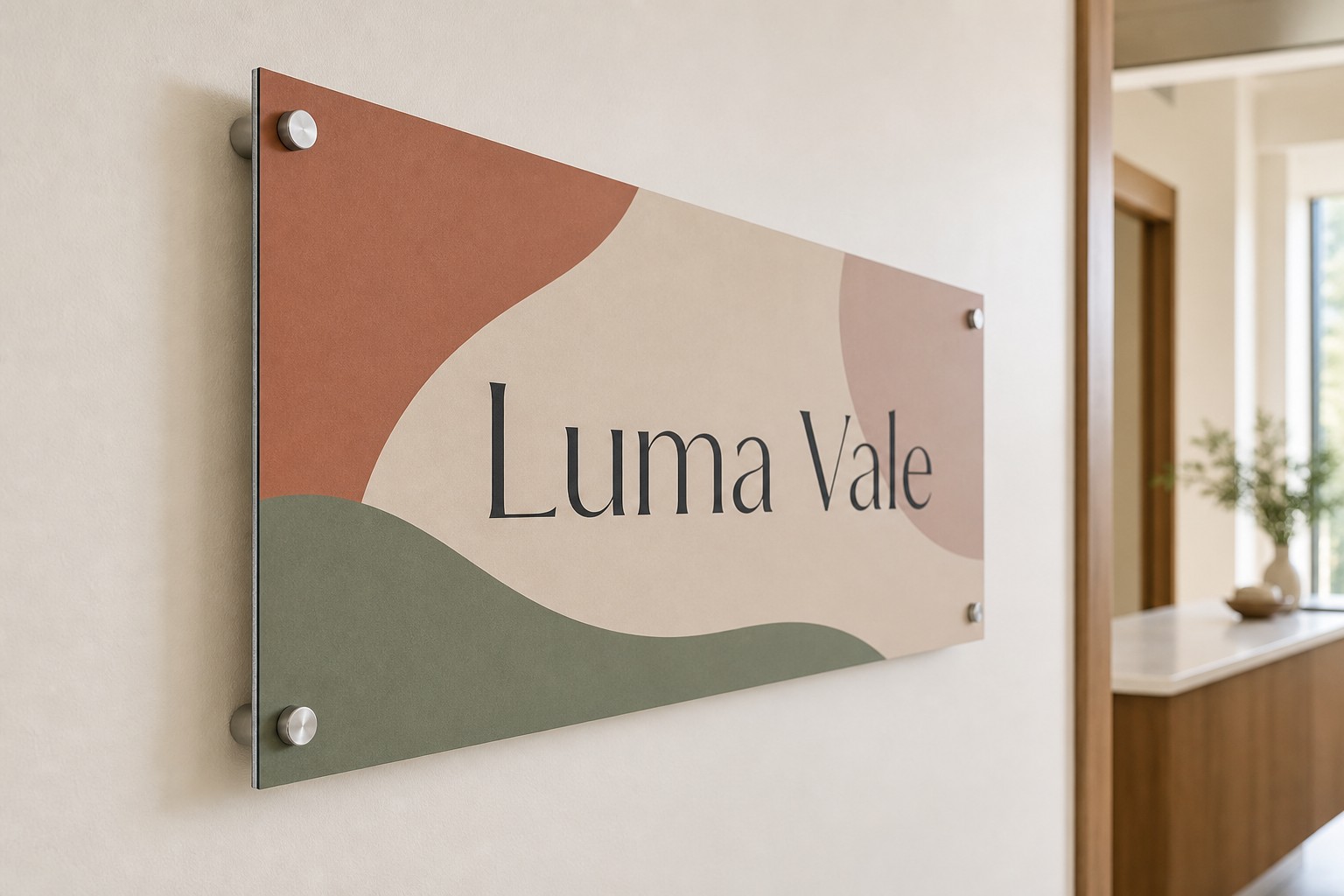
Australian Climate Considerations
UV intensity varies significantly across Australia, and it matters for any sign intended to last beyond a few months.
Corflute behaves predictably in moderate conditions across Victoria, NSW and South Australia, typically delivering 12-18 months of usable outdoor life before visible fading or surface brittleness. In Queensland, the Northern Territory and Western Australia, where the UV Index regularly reaches extreme levels year-round, expect the lower end of that range. For anything north-facing in a high-UV region, corflute is genuinely a short-term substrate. If you need it to last longer than one selling season, plan for replacement as part of your budget.
ACM handles extreme Australian UV well because the aluminium face does not degrade the way plastic substrates do under prolonged UV exposure. Coastal installations introduce additional considerations as salt air can affect panel edges and exposed fasteners over many years, but quality ACM with sealed edges is standard practice for those environments and an experienced fabricator will specify accordingly.
Acrylic in indoor environments is climate-agnostic. The risk is placing acrylic in semi-outdoor or sun-exposed indoor positions, such as shopfront windows or atrium walls, where direct UV can cause gradual yellowing over years. If your interior wall receives significant direct sunlight through glazing, confirm with your supplier whether a UV-stabilised grade is the right specification.
Artwork and Installation
Getting the artwork file right avoids delays regardless of which material you are ordering.
For acrylic signs, the preferred file formats are PDF (print-ready), SVG or Adobe Illustrator. Artwork must be set up in CMYK colour mode with 3mm bleed and all fonts outlined. A design proof is issued before production begins. Standoff hardware is sold separately and is not included in the sign price. Most A1 and A2 installations on plasterboard, masonry or timber can be completed without a trades contractor.
For corflute signs, standard print-ready file requirements apply. Installation is flexible: H-stakes for soft ground, cable-ties or eyelets for fencing and hoarding, A-frame inserts for freestanding displays, or adhesive mounting to flat surfaces. The board can be drilled on site if a different fixing is needed.
Frequently Asked Questions
Can acrylic signs be used outdoors?
Acrylic is primarily an indoor material. In brief outdoor exposures, such as event signage under a marquee or a sheltered entry area, it performs adequately. For direct long-term outdoor use in Australian sunlight, particularly in high-UV states, acrylic will gradually yellow and the surface can craze. For permanent outdoor signage, ACM is the better substrate choice.
How long do corflute signs last in Australian conditions?
In moderate conditions across Victoria, NSW and South Australia, well-printed corflute typically lasts 12-18 months outdoors before visible fading or brittleness sets in. In Queensland, Western Australia and the Northern Territory, where UV Index is higher year-round, expect the lower end of that range. Corflute is designed for temporary and campaign-duration use, not multi-year permanence.
What is an ACM or aluminium composite panel sign?
ACM (aluminium composite material) is a sandwich panel with thin aluminium skins bonded to a lightweight polyethylene or mineral core, typically 3-4mm total thickness. It combines the rigidity and flat surface of aluminium with a weight and workability that makes it practical for large-format building signage. It is the standard substrate for permanent outdoor building directories, facade signage and commercial installations where 7-10+ years of outdoor service life is required.
What sizes do acrylic reception panel signs come in?
Paperlust Print Shop offers acrylic panel signs in A2 (420mm x 594mm) and A1 (594mm x 841mm). Both sizes are available across a range of substrate finishes including clear, white, black, matte, frosted and mirror acrylic, printed in full colour or with vinyl foil.
Which sign material is most affordable?
Corflute is the most affordable rigid sign material by a significant margin, suited to temporary and campaign-duration applications where cost per sign matters. Acrylic is a premium-priced material suited to longer-lived interior applications where the per-year cost becomes competitive over a 5-10 year indoor lifespan. ACM falls at the mid-to-high end, justified by long-term outdoor durability for permanent installations.
Do I need a designer to create artwork for my sign?
For acrylic signs, you will need a print-ready file in PDF, SVG or Adobe Illustrator format, set in CMYK colour mode with 3mm bleed and all fonts outlined. A design proof is provided before production so you can review and approve before anything goes to print. If you do not have an in-house designer, the Paperlust Print Shop team can assist with the artwork setup.